

Journal of Clinical Review & Case Reports(JCRC)
ISSN: 2573-9565 | DOI: 10.33140/JCRC
Impact Factor: 1.823


Research Article - (2026) Volume 11, Issue 7
Factor Contributing to Late Uptake of First Focused Antenatal Services to Prevent Control Obstetrics Complications among Pregnant Female of Reproductive Age Visiting Murunda Hospital

Received Date: Jun 20, 2026 / Accepted Date: Jul 13, 2026 / Published Date: Jul 27, 2026
Copyright: ©Copyright: ©2026 Maurice B Silali, et al. This is an open-access article distributed under the terms of the Creative Commons Attribution License, which permits unrestricted use, distribution, and reproduction in any medium, provided the original author and source are credited.
Citation: Viateur, U., NSENGIMAN, E., Silali, M.B. (2026). Factors Contributing to Late Uptake of First Focused Antenatal Services to Prevent Control Obstetrics Complications among Pregnant Female of Reproductive Age Visiting Murunda Hospital. J Clin Rev Case Rep, 11(7), 01-20.
Abstract
Late utilization of the first Focused Antenatal Care (FANC) services remains a major public health concern globally and in sub-Saharan Africa, contributing to preventable maternal and neonatal morbidity and mortality. In Rwanda, despite improvements in maternal health indicators, limited evidence exists regarding factors contributing to delayed initiation of antenatal carein Rutsiro District, particularly at Murunda District Hospita information remain undocumented. Thus timely need to study factors contributing to late utilization of first antenatal care services among pregnant women of reproductive age attending murunda district hospital. Specifically determine accessibility to the health facility, community participation, socio-economic factors, and lastly evaluate maternal health education contribution to timely antenatal services utilization. A descriptive cross-sectional design using a mixed-methods approach was employed. A total sample size of 152 respondents and 167 with 10% non responses were selected using purposive and census sampling techniques. Data were collected using semi-structured questionnaires, focus group discussions, and key informant interviews. Quantitative data were analyzed using SPSS version 22 through descriptive statistics, cross-tabulations, and inferential analysis, while qualitative data were analyzed thematically.The results on age distribution show that the majority of respondents were aged 20–24 years 52, (31.1%), while the smallest proportion, 28 (16.8%) and was in 3 and significant contribution of chi square 8.21.marital status, the study revealed that 74 (44.3% )of respondents were smarried, only were divorced or separated 15 (9.0%), and 10 (6.0%) were widowed.Results on accessibility majority of the respodents, 58 (34.7%) reported that it was easy, while the least repodents 24 (14.4%) reported having very difficulties to access the facility with significat contribution of P value 0.03 and chisqure of 11.47, Community participartion, the majority of respondents, 68 (40.7%), agreed and 42 (25.1%) strongly agreed, giving a total of 110 respondents (65.8%) who perceived positive community encouragement. Result on Social economic showed majority had registerd to community based insurance to enable free anatenatal services. The study concludes that late utilization of first antenatal care is influenced by a combination of socio-economic, accessibility, knowledge-related, and behavioral factors as explained by the theoretical frameworks. Strengthening maternal health education, improving accessibility, expanding health insurance coverage, and enhancing community-based interventions are recommended to promote timely antenatal care utilization and improve maternal and neonatal health outcomes in Murunda District Hospital.
Keywords
Cross-Tabulations, Inferential Analysis, Antenatal Care Utilization, Maternal, Neonatal Health Outcomes
Background of Study
The World Health Organization recommends that pregnant women initiate antenatal care (ANC) within the first trimester (≤12 weeks) to ensure early detection and management of obstetric risks.
Globally, approximately 90% of women receive at least one ANC contact; however, timely initiation remains substantially lower, particularly in low- and middle-income countries [1]. Barriers to early ANC initiation include limited awareness of its benefits, cultural norms discouraging early disclosure of pregnancy, financial constraints, and health-system limitations such as staff shortages and restricted clinic hours (UNICEF, 2023).
In the United States, early prenatal care coverage is relatively high. Data from the Centers for Disease Control and Prevention indicate that about 77–78% of pregnant women initiate prenatal care during the first trimester [2]. Despite this progress, disparities persist among uninsured women, racial and ethnic minorities, rural populations, and those living in maternity care deserts [3]. Factors contributing to delayed care include lack of insurance coverage, transportation challenges, work constraints, and stigma, particularly among women with substance-use histories [4]. Across Asia, ANC initiation varies considerably. In South and Southeast Asia, delayed booking is associated with socioeconomic inequality, low maternal education, rural residence, unintended pregnancy, and reliance on traditional providers [5]. Distance to health facilities and perceived absence of complications are also common reasons for delay [6]. Conversely, high-income countries in East Asia report higher first-trimester initiation rates due to strong health systems and structured maternal health programs.
In Europe, most women initiate ANC during the first trimester due to established national maternal health guidelines and universal coverage systems [7]. However, vulnerable groups such as migrants, adolescents, and low-income women often delay booking because of language barriers, cultural differences, lack of service entitlement, and fragmented referral systems.
In Africa, late ANC initiation remains prevalent. A pooled analysis reported that only 37.15% of women initiate ANC during the first trimester [8]. Determinants include low maternal education, rural residence, poverty, long distances to facilities, unplanned pregnancies, cultural beliefs discouraging early disclosure, and perceived poor quality of care [9]. Health-system challenges such as stock-outs and workforce shortages further limit timely access. Within sub-Saharan Africa, where maternal mortality remains highest globally, late ANC booking can reach approximately 70% in high-mortality settings. Predictors include poverty, multiparity, limited education, unintended pregnancy, and weak health infrastructure. Interventions such as fee exemptions, communitybased ANC, and male partner involvement have shown improvements in early initiation [10].
In Eastern Africa, first-trimester ANC initiation averages 35–36% [8]. Factors influencing delay include young maternal age, high parity, low education, unintended pregnancy, and long distances to facilities. Conflict, displacement, and shortages of health workers exacerbate these challenges.
Rwanda has made notable progress in maternal health outcomes. According to the National Institute of Statistics of Rwanda, 47% of pregnant women initiated ANC during the first trimester by 2019–2020, while 59% completed four or more visits (National Institute of Statistics of Rwanda, Ministry of Health [11,12]. Delayed initiation remains associated with poverty, low education, unintended pregnancy, and distance to facilities [13].
Earlier Rwanda Demographic and Health Survey (RDHS) data show progressive improvement.First-trimester initiation increased from 13% in 2005 to 35% in 2010 and 56% in 2015 (National Institute of Statistics of Rwanda [12]. The median gestational age at first visit improved from 4.5 months in 2010 to 3.9 months in 2015. However, 3% of mothers had only one ANC visit and 1% had none, indicating persistent service gaps.
At the local level, Health Management Information System (HMIS) data from Murunda catchment area show that in 2018, ANC1 coverage was 29% and four standard visits were 21%. In 2019, ANC1 coverage increased to 34%, while completion of four visits reached 22% [14]. These findings demonstrate modest improvement but continued delays in timely and adequate ANC utilization.
Problem Statement
Globally, delayed utilization of first focused antenatal care (ANC) services remains a major public health concern, contributing significantly to preventable obstetric complications and maternal mortality, with evidence showing that barriers such as poor accessibility to health facilities, low community participation, socio-economic inequalities, and inadequate maternal health education are key determinants (WHO, 2022). Regionally, in Sub-Saharan Africa, late initiation of ANC is prevalent, with studies indicating that long distances to health facilities, lack of community mobilization, poverty, and limited awareness continue to undermine timely ANC attendance.
Although Rwanda has done some favorable strides in ANC services with 99% uptake such as provision of qualified health care providers at health facilities, increased ANC package, ANC service delivery two times a week minimum, the importance of Community health labors in charge of motherly and child health, maternal and child health promotion talks, availability of drugs and medical products; still first antenatal care service utilization/ attendance remains at lower level, where by proportion of women in gestational period still make their first ANC visit far away the recommended 12th week of the pregnancy, averaging 3.9 months, and only 56% obtain this care in the first trimester and 31% by the sixth month of pregnancy. Furthermore, approximately 34 pregnant women died in the year 2015 in Rwanda and this is linked by poor utilization of ANC services, among others (RDHS,2014- 2015). Rwanda has progress made in increasing maternal health service coverage, challenges such as transport difficulties, financial barriers, limited male and community involvement, and gaps in maternal health knowledge still persist, affecting timely ANC utilization [12].
In Murund Hospital; first ANC utilization is still a question and no research so far done to determine the limiting factors. Here the Reports have revealed that, many women in Murunda Hospital do not attend antenatal care as recommended (RHMIS, 2019). Statistical reports of RHMIS Rutsiro indicate that in 2018 first antenatal care was 29%, and four standard ANC visit was 21%, Whereas from January 2019 up to December 2019; ANC1 34% and ANC Four standard is 22% (RHMIS,2019). Therefore, it is imperative to find out reasons related with late utilization of ANC services in order to develop acceptable interventional measures that could enhance early antenatal attendance and completion of recommended schedule (RDHS, 2015). However, in Rutsiro District, particularly at Murunda Hospital, information remains undocumented or limited regarding accessibility to the facility for first ANC visits, the role of community participation in addressing late utilization, the influence of socio-economic determinants, and the extent to which maternal health education impacts the timely uptake of ANC services. This gap in evidence makes it unclear how these factors interact to shape women’s health-seeking behaviors in the district, thereby justifying the need for this study.
Purpose of the Study
The purpose of this study is to determine factors contributing to the late utilization of first focused antenatal care services for the prevention and control of obstetric complications among pregnant women of reproductive age visiting Murunda District Hospital.
Objective of the Study
Broad Objective
To determine factors Cotributing late utilization of first focused antenatal services to prevent control obstetric complications among pregnant female of reproductive age visiting Murunda District Hospital.
Specific Objectives
- To determine the accessibility to Murunda health facility to utilize first focused antenatal services among pregnant female of reproductive age to prevent control obstetric complications.
- To assess thelevel community participation in controlling late utilization of first antenatal services among pregnant female of reproductive age at Murunda Hospital.
- To determine socio-economic factors influencing late utilization of first focused antenatal services among pregnant female of reproductive age at Murunda District Hospital.
- To evaluate the level of maternal health education contributing to late utilization of first focused antenatal services among pregnant female of reproductive age at Murunda District Hospital.
Research Questions
How is the accessibility of Murunda health facility to cotribute late first focused antenatal services among pregnant female of reproductive age to prevent control targeted obstetric complications at?
How is the community participation in antenatal servicescotribute late utilization among pregnant female of reproductive age of Murunda District Hospital?
How do socio-economic factors influence late utilization of first antenatal services among pregnant female of reproductive age of Murunda District Hospital?
How do maternal health education cotibute late utilization of first focused clinic in Murunda District Hospital?
Literature Review
Emprical Literature
Accessibility of Murunda Health Facility contribution to Late First Focused Antenatal Care Utilization among Pregnant Women of Reproductive Age: Accessibility to health facilities is a critical determinant of timely utilization of first focused antenatal care (ANC) services. Globally, studies indicate that long distances to health facilities, poor road infrastructure, and lack of reliable transport significantly delay the initiation of ANC services. According to the World Health Organization (WHO), women living more than five kilometers from a health facility are substantially less likely to attend ANC in the first trimester, increasing the risk of undetected obstetric complications such as anemia, hypertension, and infections [1].
In Sub-Saharan Africa, geographical accessibility remains a major challenge. Research conducted in Ethiopia and Tanzania shows that women residing in rural and hard-to-reach areas tend to initiate ANC late due to difficult terrain, transportation costs, and limited availability of health facilities [15]. These barriers contribute to delayed diagnosis and management of pregnancyrelated complications, increasing maternal and neonatal morbidity and mortality.
In Rwanda, despite improvements in health infrastructure and community-based health insurance (Mutuelle de Santé), access challenges persist in rural districts. Studies indicate that distance to health facilities and travel time remain significant predictors of late ANC initiation, particularly in mountainous regions such as the Western Province where Murunda District Hospital is located. Poor accessibility limits early engagement with focused ANC services, thereby reducing opportunities for early prevention and control of targeted obstetric complications.
Level of Community Participation in Control of Late Utilization of First Antenatal Care Services among Pregnant Women of Reproductive Age: Community participation plays a vital role in promoting early utilization of antenatal care services. Globally, community engagement through women’s groups, community health workers (CHWs), and local leaders has been shown to improve awareness, encourage early ANC attendance, and foster positive health-seeking behaviors Active community involvement helps reduce socio-cultural barriers and misinformation surrounding pregnancy and maternal health services.
In the African context, evidence from Malawi, Uganda, and Kenya demonstrates that strong community participation enhances maternal health outcomes by promoting timely ANC visits and adherence to recommended care schedules (Rosato et al., 2012). Community-based interventions, such as peer education and male partner involvement, have been effective in addressing cultural norms that discourage early ANC utilization.
In Rwanda, the community health system is central to maternal health service delivery. Community health workers are tasked withidentifying pregnant women early and referring them to health facilities for ANC services. Studies show that where community participation is strong, early ANC attendance is higher, whereas weak community engagement contributes to late utilization of services (Rwanda Ministry of Health, 2020). In areas with limited community mobilization, including some rural sectors served by Murunda District Hospital, delayed first ANC visits remain a challenge.
Socio-Economic Factors Contributing Late Utilization of First Antenatal Care Services among Pregnant Women of Reproductive Age: Socio-economic factors significantly influence the timing of ANC initiation worldwide. Global studies reveal that low income, low educational attainment, unemployment, and financial dependency are strongly associated with delayed first ANC visits. Women from lower socioeconomic backgrounds often face competing priorities, limited decision-making power, and inadequate knowledge about the importance of early ANC.
In Sub-Saharan Africa, poverty and low levels of female education are consistently linked to late ANC utilization. Research from Nigeria and Ghana indicates that women with no formal education or low household income are more likely to initiate ANC after the first trimester compared to their more educated and economically stable counterparts [16]. These socio-economic disparities hinder access to information and resources necessary for timely maternal care.
In Rwanda, although health insurance coverage is high, indirect costs such as transportation, time away from work, and household responsibilities continue to affect ANC utilization. Studies have shown that women from poorer households and those with lower education levels are more likely to delay their first ANC visit. In the catchment area of Murunda District Hospital, socio-economic constraints remain a contributing factor to late initiation of focused antenatal services.
Maternal Health Education Contribution to Late Utilization of Focused Antenatal servces Maternal health education is a key factor influencing early initiation of antenatal care. Globally, evidence shows that women who receive adequate information about pregnancy, danger signs, and benefits of early ANC are more likely to attend their first ANC visit within the first trimester (WHO, 2018). Health education empowers women to make informed decisions and seek care promptly.
In Africa, studies from South Africa and Ethiopia demonstrate that lack of maternal health education contributes significantly to late ANC utilization. Women with limited exposure to health education programs are often unaware of the recommended timing for ANC initiation and the preventive role of focused ANC services (Birmeta et al., 2013). Health education delivered through clinics and community outreach has proven effective in improving early attendance.
In Rwanda, maternal health education is delivered through health facilities, community health workers, and media campaigns. However, disparities in knowledge persist, especially in rural areas. Research indicates that women who receive health education from CHWs or during previous pregnancies are more likely to initiate ANC early. In Murunda District Hospital’s service area, insufficient maternal health education remains a contributing factor to delayed first focused ANC attendance.
Theoretical Literature
The first antenatal care: The establishment and acceptance of excellence neonatal care important saving the lives of babies and women during pregnancy period.
Importance of antenatal care: It assists in transmission, identifying and treatment or supervisory the risk factors that might unfavorably affect the pregnant women and/or the pregnancy consequence.
Strategies for antenatal care Predictably receipts the form of a one-on-one discussion between a pregnant woman and her healthcare provider. Nevertheless, group ANC assimilates the usual individual pregnancy health valuation with custom-made group educational activities and peer support, with the aim of inspiring behavior change among pregnant women, cultivating pregnancy outcomes, and growing women’s satisfaction (1). The intervention classically involves self-assessment activities (e.g. bloodpressure measurement), group education with facilitated discussion, and to socialize. Group ANC needs to be delivered in a space large enough to accommodate a group of women, with a private area for examinations [1].
Consequences of late utilization of ANC service: Mortality of babies and pregnant women, are the main consequences of late utilization of antenatal care services, every country needs providing good quality of women health and new born good health by empowering pregnant women with adequate skills related on sexuality and reproductive health; many research have been carried on antenatal care like this one [17].
Theoretical framework
The health care utilization models Motherly lives were criticized a long in poor countries; this criticism will be eradicated by better attending ANC services well, and will reduce the new born deaths. This study used two types of theories/models which are the following.
The health care utilization models, these two models are based on health services and are namely; demographic models, social structural models, social psychological models, family resource models, community resource models, and organizational models.
The Health Belief Model (HBM), is about people attitudes and behavior, it gives more explanation on the purpose of health services (Rosen stock IM.,2005 and National Cancer Institute.,2005). This modelenvisagesthat persons (1) adequateincentive to make the health issue salient; (2) observing the health problematic as a threat; and (3) the confidence that the health recommendation would reduce the menace at a low cost [18]. It has six concepts to clarify aperson’schoice:apparentharshness, vulnerability, benefits, barriers, signal to action, and self-efficacy.
To comprehendhealthieron women ANC services and bringing in health services, their cues to action and wisdom of self-efficacy in looking for care, and what barricadesforbidden them from retrieving these services. Furthermore, the researcher consideredthe role of health care services givers in backup behavioral modification [19].
Conceptual framework
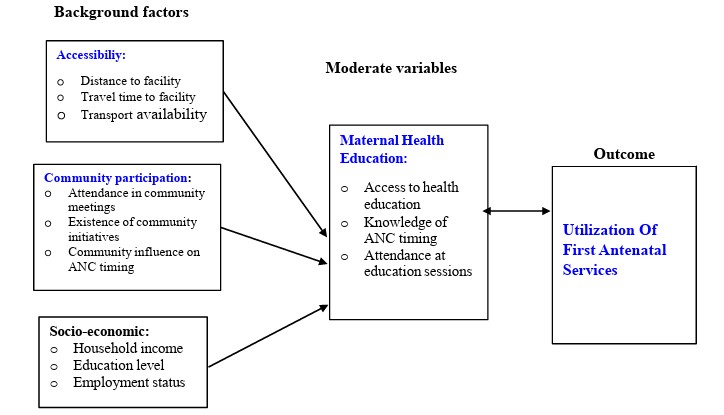
Even though most studies have demonstrate that late utilization of first focused antenatal services may be influenced by accessibility, community participation, and level of socio-economic among community households, there is a need to show how maternal health education influence late first utilization of antenatal services among pregnant female of reproductive age attending Murunda District Hospital.
Methods and Tools
Research Design
The study employed a cross-sectional design, meaning that data were collected at a single point in time rather than repeatedly over a period, allowing the researcher to capture a snapshot of the situation regarding antenatal service utilization. A mixedmethods approach was used, combining quantitative surveys with qualitative interviews to obtain both numerical data and indepth insights. While the quantitative data provided measurable The study employed a cross-sectional design, meaning that data were collected at a single point in time rather than repeatedly over a period, allowing the researcher to capture a snapshot of the situation regarding antenatal service utilization. A mixedmethods approach was used, combining quantitative surveys with qualitative interviews to obtain both numerical data and in-depth insights (Creswell, 2018). While the quantitative data provided patterns, the qualitative data offered contextual understanding of participants’ experiences and perceptions. This combination, often referred to as triangulation, strengthened the validity of the findings by comparing and integrating multiple sources of evidence. Qualitative data were also organized and interpreted thematically and, where appropriate, numerically, to facilitate analysis alongside quantitative results. By using this mixed-method design, the study 6.2 Study Area effectively captured both statistical trends and the social dynamics influencing late utilization of first antenatal services.
Study Area
Rutsiro District in Rwanda has a population of 369,180, with 192,682 females (52.2%) and 176,498 males (47.8%). The population is predominantly youthful, with 38.5% aged 0–14 years, 57.1% aged 15–64 years, and 4.4% aged 65 years and above. The district is largely rural, with 94.4% of residents living in rural areas, and a population density of approximately 320 inhabitants per square kilometer. Christianity is the dominant religion, with 92% of residents identifying as Christian. Roman Catholics account for 35.6% (≈131,500 people), ADEPR Protestants 21.7% (≈80,100), other Protestant denominations 18% (≈66,500), Seventh-day Adventists 13.4% (≈49,500), and smaller Christian groups 4.2% (≈15,500). Muslims represent 1.3% (≈4,800), Jehovah’s Witnesses 0.8% (≈2,900), and 2.7% (≈10,000) are non-religious.
Murunda District Hospital, located in Murunda Sector, is the primary public healthcare facility serving the district, offering general medicine, surgery, maternity care, pediatrics, outpatient consultations, and 24/7 emergency services. Although exact bed capacity is not published, it is likely within the typicalrange of 100–200 beds. The hospital has undertaken initiatives to improve healthcare delivery and patient safety, including staff training programs. T he population primarily engages in agriculture, cultivating maize, beans, cassava, and raising livestock. Among adults aged 12 and above, 36.5% are officially married, 12.4% unofficially married, and 43.5% have never married. Literacy rates are rising, though tertiary education remains limited, and women with lower education levels tend to attend antenatal care (ANC) later than those with higher education.
Despite the availability of ANC services, late utilization of the first focused ANC visit remains a persistent challenge in Rutsiro District. Factors such as employment status, transportation costs, previous ANC experiences, awareness of ANC services, and the quality and accessibility of healthcare facilities influence timely attendance. However, there is a knowledge gap regarding the specific socio-economic, cultural, and healthcare-related determinants of late first ANC utilization among pregnant women of reproductive age at Murunda District Hospital. Conducting research to identify these factors is essential to inform targeted interventions, improve early ANC attendance, and prevent obstetric complications associated with delayed maternal care. Murunda District Hospital provides a range of antenatal services aimed at promoting maternal and fetal health, particularly for women of reproductive age. These services include early registration for first antenatal care visits, routine physical examinations, laboratory tests such as hemoglobin levels and HIV screening, vaccination and supplementation programs, health education on nutrition and pregnancy care, and counseling on birth preparedness and danger signs. The hospital also offers monitoring and management of high-risk pregnancies, referral services for obstetric complications, and continuous follow-up to ensure adherence to scheduled antenatal visits. By offering these comprehensive services, Murunda District Hospital seeks to prevent and control targeted obstetric complications and improve maternal and neonatal outcomes in the community.
Target population
The study population included all pregnant women of reproductive age (15–49 years) attending antenatal care (ANC) services from September to November 2025 at the seven health centers (Kivumu,Biruyi, Kibingo, Murunda, Mushubati, Crete Congo Nile and Kabona Health centers). Only women who consented to participate by signing the informed consent form were included in the study, while those who refused to consent were excluded.
The inclusion criteria comprised all pregnant women within the reproductive age range who attended ANC services during the study period and who provided written informed consent to participate in the study. The exclusion criteria included women who were outside the reproductive age range, those who refused to provide consent, and those who were too sick or weak to participate, such as women with severe illness, psychosis, or those attending to sick children.
Sample size
Sample size was calculated using Solvin’s formula, with confidence interval of 95% and margin error of 5% [19]. This formula is used when the researcher has no idea about a population’s behavior and then the researcher calculate the sample size based on target population.
Sample Size Determination
The initial sample size is calculated using Fisher’s formula:
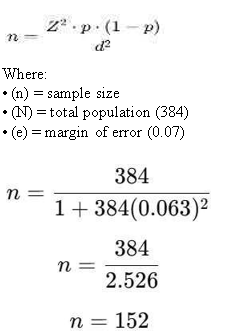
Therefore, the calculated sample size was 152 respondents, and after adding a 10% allowance for non-response, the final sample size was 167 respondents. For the qualitative component, 23 staff members were involved as Key informants, and 8 focus group discussions (FGDs) were conducted, including 7 FGDs with mothers and 1 FGD with community health workers.
Sampling Technique/Sampling procedure
Purposive sampling involved selecting participants who were most relevant to the study objectives. In this study, the researcher conveniently selected pregnant women of reproductive age who attended Murunda District Hospital as well as key health personnel involved in maternal care. This method ensured that participants provided rich, relevant, and accessible information about factors influencing delayed antenatal visits, such as socio-economicstatus, education, community support, and accessibility issues. Census sampling involved including all individuals in the target population rather than selecting a subset. In this study, if the total number of pregnant women attending antenatal services during the study period was manageable, all eligible women were included, providing complete and comprehensive data on utilization patterns and related factors. This approach minimized sampling bias and ensured full population coverage within the study setting.
A prospective approach was used to observe participants moving forward in time. In this context, pregnant women were followed from their initial contact with the health system to their subsequent antenatal visits, allowing the researcher to track delays as they occurred. This method enabled the identification of real-time and directly observable factors influencing late utilization, such as transport challenges, family support, and exposure to health education interventions.
A retrospective approach involved examining past records or events to identify factors associated with outcomes. At Murunda District Hospital, medical records, antenatal registers, and previous visit data were reviewed to determine patterns of delayed first antenatal visits. This approach helped identify historical trends and contributing factors such as demographic characteristics, prior pregnancy complications, and socio-economic influences without requiring real-time participant follow-up.
|
Health Center |
Total Population |
Target Population |
Sample Distribution (Proportional Allocation) |
Sampling Technique |
|
Kivumu HC |
21,251 |
51 |
33 |
Convenient sampling |
|
Biruyi HC |
11,869 |
29 |
19 |
Convenient sampling |
|
Kibingo HC |
18,068 |
44 |
29 |
Convenient sampling |
|
Murunda HC |
11,234 |
27 |
18 |
Convenient sampling |
|
Mushubati HC |
10,148 |
24 |
16 |
Convenient sampling |
|
Crete Congo Nil HC |
6,567 |
16 |
10 |
Convenient sampling |
|
Kabona HC |
9,410 |
23 |
15 |
Convenient sampling |
|
Total |
– |
214 |
140 |
Convenient sampling |
|
Type of Respondents |
Total |
Sample Size |
Sampling Technique |
|
|
Healthcare providers (Key Informants) Focus Group Discussions (FGDs) |
23 8 |
23 8 |
Purposive sampling Purposive sampling |
|
Table 3: The study population, sample size and sampling techniques
Data Collection Methods
The study utilized three main data collection methods namely: questionnaires, interviews, and FGDs.
Data Collection Instrument
A survey questionnaire was administered in all seven health centers to assess the socio-demographic and economic characteristics of pregnant women, their knowledge and practices regarding antenatal care (ANC) services, and their awareness of the benefits of early ANC attendance. The questionnaire targeted pregnant women and helped identify knowledge gaps and socio-economic factors influencing ANC utilization. Findings from the survey informed recommendations aimed at promoting early and appropriate ANC attendance in health facilities. The questionnaire was translated into Kinyarwanda to ensure better understanding among mothers.
In-depth interviews were conducted in all selected health centers to explore additional reasons for late attendance of first antenatal care (ANC) services and to understand healthcare providers’ perceptions of ANC services. These interviews targeted healthcare providers to gain detailed insights into service delivery challenges and client-related barriers.
A total of twenty-three key informant interviews were conducted with participants purposively selected based on their knowledge of the community, women’s access to ANC services, professional experience, and understanding of factors related to ANC utilization. Participants included three senior midwives, seven health center staff working in ANC units, five in-charges of Kivumu, Biruye, Kibingo, Murunda, and Crete Congo Nil Health Centers within the Murunda Hospital catchment area, two staff from the Murunda Hospital Monitoring and Evaluation unit, the District Health Officer, the Director General, the Clinical Director, and the Director of Nursing and Midwifery at Murunda Hospital.
One focus group discussion (FGD) was conducted in each of the selected health centers, namely Kivumu, Biruyi, Kibingo, Murunda, and Crete Congo Nil Health Centers. In addition, an extra FGD was organized with community health workers responsible for maternal and child health to gather their perspectives, knowledge, and opinions on factors contributing to delayed initiation of antenatal care (ANC) services. The participants mainly included pregnant women.
Pregnant women and community health workers were purposively selected. Women were eligible if they were pregnant during the study period and had not been selected for the interview component of the study. Community health workers were chosen from health centers with relatively low first ANC attendance. Each focus group comprised 7–10 participants, and discussions lasted between 1 and 2 hours.
The FGDs were facilitated in a way that encouraged open dialogue, focusing on women’s health-seeking practices and experiences. Key topics included the timing of ANC visits, alternatives sought during early pregnancy, reasons for attending ANC, services received during ANC visits, medicines provided, barriers preventing timely attendance, and suggested improvements to strengthen ANC services as well as maternal, neonatal, and child health care at both community and health facility levels.
Piloy Study
A pilot study was conducted prior to the main data collection to pretest the research instruments and procedures. The pilot study was carried out in a neighbouring district health facility with similar characteristics to Murunda District Hospital, but which was not included in the main study, in order to avoid contamination of the study sample.
The pilot study population consisted of pregnant women of reproductive age attending antenatal care services at the selected neighbouring health facility. Approximately 10% of the intended sample size for the main study was used for the pilot test, as recommend in research methodology literature. These participants were not included in the final study sample. The pretesting process focused on assessing the clarity, relevance, and appropriateness of the data collection tools, particularly the structured questionnaire and interview guide. During the pilot study, the researcher evaluated whether the questions were clearly understood, culturally appropriate, and capable of capturing information related to accessibility, community participation, socio-economic factors, and maternal health education influencing late utilization of first focused antenatal care services.
Data collected during the pilot study were analyzed to identify ambiguous questions, inappropriate response options, and issues with the logical flow of the instrument. The time required to complete the questionnaire was also assessed to determine feasibility during routine antenatal clinic sessions.
Based on the findings from the pilot study, necessary modifications and refinements were made to the data collection instruments to improve validity and reliability before the actual data collection began. The internal consistency of the questionnaire was assessed using Cronbach’s alpha, with a coefficient of 0.7 or above considered acceptable.
The pilot study also helped the researcher to test the data collection procedures, identify potential logistical challenges, and assess the readiness of research assistants. Ethical principles, including voluntary participation, informed consent, and confidentiality, were strictly observed during the pilot study.
Reliability and Validity
According to Amin (2005), validity referred to the extent to which an instrument measured what it was intended to measure. In this study, both content and construct validity were applied in the development and testing of the questionnaires. Expert judgment was sought, whereby supervisors reviewed and assessed the research instruments to ensure that they adequately covered the intended variables.
To ensure reliability, a pilot study was conducted with 14 participants who were not part of the main research. This pilot study was carried out in Karongi District to pre-test the instruments and confirm their validity and reliability before the actual data collection.
Data for Management and and Analysis The collected data were first reviewed to check for completeness and consistency before analysis. Quantitative data were processed and analyzed using SPSS version 22, which facilitated mathematical computations and minimized the risk of manual errors. The analysis included descriptive statistics such as frequencies and percentages, while cross-tabulations were applied to examine relationships between variables of interest. Multinomial logistic regression was also employed to identify associations and predictors of late utilization of antenatal services.
For qualitative data, responses were organized, coded, and categorized into key themes and concepts to capture meaningful patterns. Both descriptive and inferential statistics were used to interpret the findings. Results were presented using tables and figures, including pie charts and bar graphs, to enhance clarity and facilitate understanding.
Ethical Considerations
Ethical considerations in research in Rwanda emphasized informed consent from Mount Kigali University and Murunda District Hospital in Rutsiro District, respect for participants, and adherence to legal and institutional regulations. Researchers were responsible for ensuring that participants fully understood the purpose of the research, its methods, and any potential risks before agreeing to participate. Consent was freely given. Additionally, maintaining confidentiality, protecting vulnerable populations, and ensuring responsible use of research findings were crucial. In view of these principles, several ethical considerations were observed in this study at Mount Kigali University, which aimed to determine factors influencing late utilization of first focused antenatal care (ANC) services among pregnant women of reproductive age at Murunda District Hospital.
Access to Sites
To access the study sites, the researcher formally introduced themselves to the management of the institutions to be visited. Ethical review clearance and an introduction letter from Mount Kigali University were presented. These measures facilitated smooth data collection from pregnant women and healthcare providers involved in ANC services.
Informed Consent
The researcher ensured that participants were not coerced into situations where they felt uncomfortable. Participants provided information freely and had the right to withhold personal or sensitive information. The investigator explained the procedures in detail and obtained voluntary agreement to participate. Participants read, understood, and signed the consent form before data collection. They were fully informed that the study investigated factors influencing late first ANC attendance, its potential risks and benefits, and that they could withdraw at any time.
Confidentiality and Privacy
All information provided by participants was treated with strict confidentiality and was used only for the purpose of this study. Participants’ names and addresses did not appear on data collection tools. A coding system was used to maintain confidentiality, accessible only to the researcher. This approach encouraged honest disclosure about factors affecting ANC attendance.
Anonymity
Participants provided information without revealing their identities. Confidential codes were used to categorize participants, and no personal information was disclosed in any communication. This ensured that participants could respond honestly, particularly regarding sensitive factors influencing late ANC attendance.
Intellectual Ownership and Plagiarism
To ensure academic integrity, the researcher submitted the thesis to the TURNITIN program before each defense. The plagiarism index did not exceed 15%, including references. Any content exceeding this limit was revised before resubmission. The final plagiarism report was attached to the student’s document.
Voluntary Participation
Participants were informed that they had the right to decline participation. They provided information voluntarily, without pressure or incentives, ensuring genuine responses about late ANC utilization.
Freedom from Coercion
Participants were encouraged to read and understand the consent form and signed it voluntarily. These measures ensured that no participant experienced distress from participating in the study.
Storage of Data Collected
Collected data were stored securely to prevent unauthorized access. Raw data were filed for easy reference, while soft copies were encrypted. After analysis, printed outputs and storage devices (e.g., CDs or diskettes) preserved the analyzed data. The researcher was the sole custodian of all data.
These procedures aligned with the Data Protection Law of Rwanda (No. 058/2021 of 13/10/2021), which required data controllers and processors to implement technical and organizational measures to secure personal and sensitive data, including encryption, pseudonymization, or tokenization where appropriate.
Mien and Decorum
The researcher maintained a professional appearance and acceptable behavior throughout the study. Respectful conduct, adherence to societal norms, and appropriate professional etiquette were observed in all interactions with participants and institutional staff, particularly while engaging pregnant women regarding sensitive maternal health topics.
Results
Socio-Demographic Characteristics Respondents
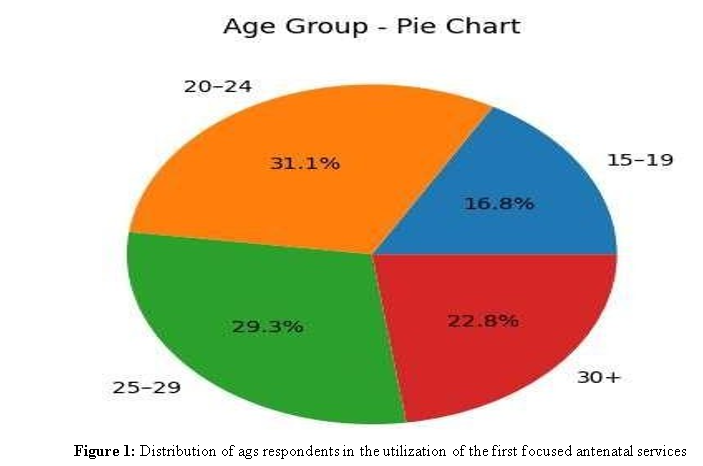
The results on age distribution show that the majority of respondents were aged 20–24 years 52, (31.1%), while the smallest proportion,
28 (16.8%). was in the 15–19 years group with significant influence of p value 0.012 95%, CI 1.3 and significant contribution of chi square 8.21. This indicates that most participants were young adults, a group often considered to be in their most active reproductive and socio-economic stage. The dominance of this age group suggests that the study captured views from individuals who are likely to be directly affected by the issue under investigation, making the findings relevant and reliable.
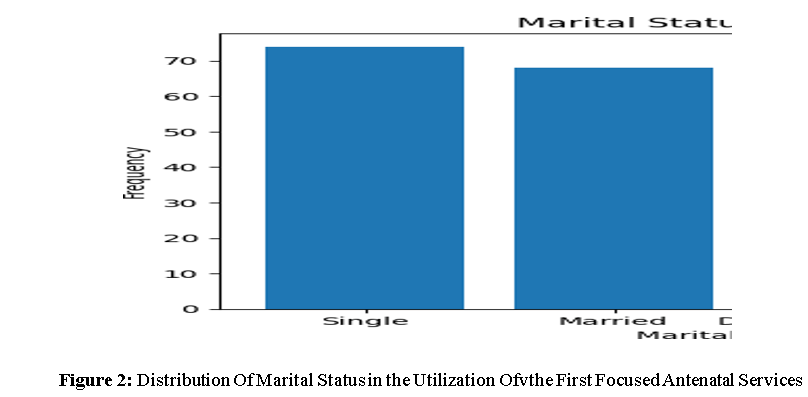
Results on the marital status, the study revealed that 74 (44.3%) of respondents were smarried, only were divorced or separated 15 (9.0%), and 10 (6.0%) were widowed. This distribution shows that a large proportion of respondents were married, which may influence their perspectives and experiences in the utilizationof focused antaenatal services with significant contribution of chi square 8.96 and P value of 0.046.
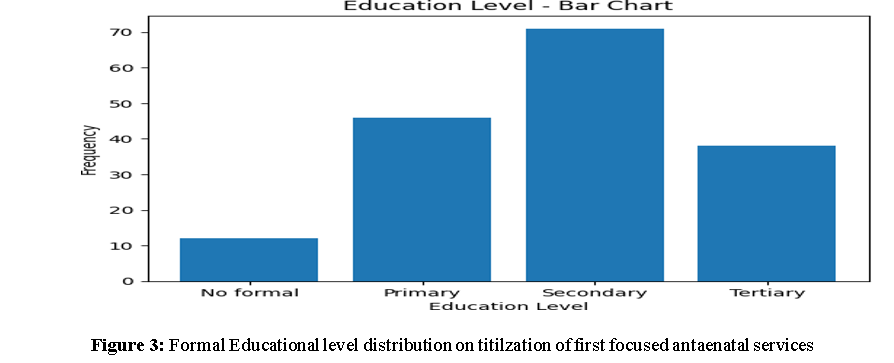
The results indicate that the majority of respondents had attained secondary education 72 (42.5%), and Only 12 (7.2%) had no formal education but had overall significanr contribution of P value 0.042 and chi square of 12.84. This suggests that most respondents were at least moderately educated, which is important for understanding and accurately responding to issues of maternal services.
In terms of occupation, the largest group of respondents were engaged in farming 52 (30.5%), and the least respodents were from unemployment cohort accounted for 36 (21.6%) with significant contribution of antenalt service utilization of values 0.003 and Chi square of 14.22. Such occupations may contributes to income levels, access to services, and overall lifestyle.
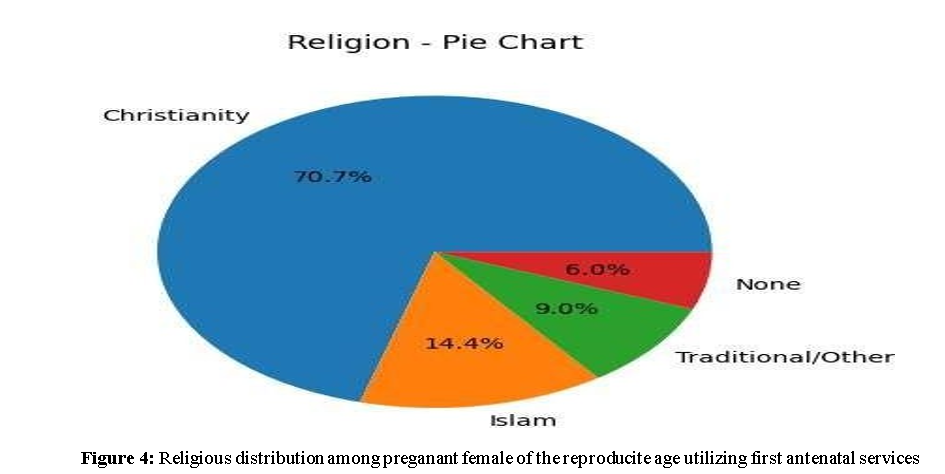
The results on the reliogion distribution in the study area, showed that a majority of respondents were Christians 119 (70.7%), and 6.0%(10) reported had no religion. This indicates that Christianity is the dominant religion among the study population. Religious beliefs can play a significant role in shaping attitudes, behaviors, and decision-making processes.
Presentation of Findings
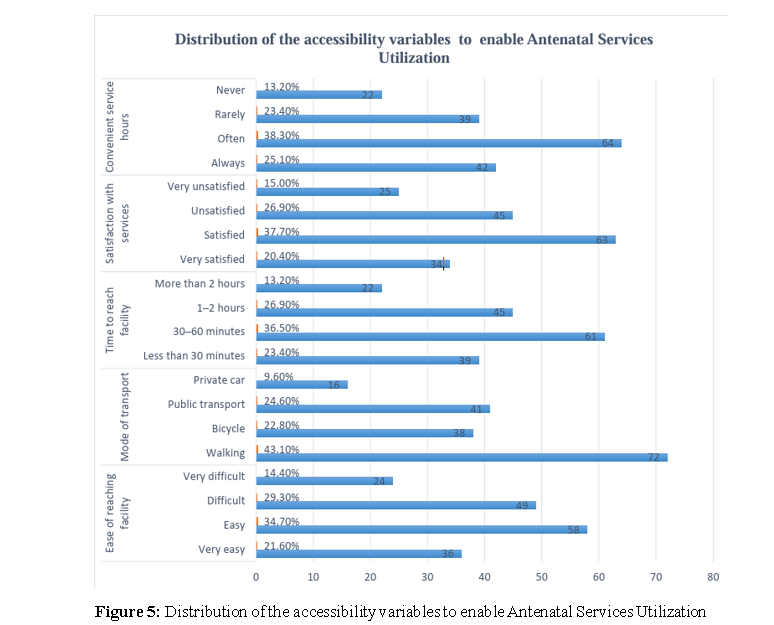
Accessibility to Murunda Health Facility for First Antenatal Services Regarding the facility/ accessibility majority of the respodents, 58 (34.7%) reported that it was easy, while the least repodents 24 (14.4%) reported having very difficulties to access the facility with significat contribution of P value 0.03 and chisqure of 11.47, due road net work and some due far distance covered to reach the health which was also opined in KII discuccusion: “some of our client comes from far and sometimes never full fill the dates of ANC visits due to limited transport”. KII held in February 2026.
In terms of mode of transport, the majority of respondents, 72 (43.1%), reported having a 15 to 20 minutes walking as their main means of reaching the facility. While least repodents 41 (24.6%) using public transport.
The issue of financial challenges remains important, as 59 respondents (35.3%) reported facing such challenges sometimes, while 28 (16.8%) experienced them always. This means 87 respondents (52.1%) encountered financial barriers. On the other hand, 46 respondents (27.5%) reported rarely and 34 (20.4%) never, suggesting that 80 respondents (47.9%) experienced minimal or no financial difficulties.
Regarding health workers’ attitude, most respondents perceived them positively, with 67 respondents (40.1%) reporting often and 48 (28.7%) always, totaling 115 respondents (68.8%) who viewed health workers as approachable and helpful. However, 34 respondents (20.4%) reported rarely and 18 (10.8%) never, totaling 52 respondents (31.2%) who experienced less supportive interactions.
Finally, the availability of medicines and medical supplies was reported as often available by 69 respondents (41.3%) and always available by 37 (22.2%), totaling 106 respondents (63.5%). However, 61 respondents (36.5%) indicated that medicines were rarely available, pointing to notable inconsistencies in supply.
Overall, the findings indicate that while a majority of respondents can access Murunda Health Facility and are generally satisfied with the services, significant influence of P values 0.0 08 and95% CI 1.6. These include long travel times (76.6% taking more than 30 minutes), reliance on walking (43.1%), and financial challenges (52.1%). Additionally, although 63.5% reported availability of medicines and 68.8% positive staff attitudes, gaps in service consistency and accessibility remain.
Community Participation in Utilization of First Antenatal Services
The results and findings indicate that community participation plays an important role in influencing early utilization of antenatal services. Regarding whether the community encourages pregnant women to attend antenatal care early, the majority of respondents, 68 (40.7%), agreed and 42 (25.1%) strongly agreed, giving a total of 110 respondents (65.8%) who perceived positive community encouragement. However, 36 (21.6%) disagreed and 21 (12.6%) strongly disagreed, totaling 57 respondents (34.2%), indicating that not all communities actively promote early antenatal attendance with significant contributions of the chisquare 9.87 and P value of 0.034.
Community participartion was also renated during KII interview with the chief nurse in the study area who said:
“We have empwwered community health worker to engae with community householsa t grass root lwve to ensure the first antanal service is attenddanted fro each respective cell of the represenrative, we usall get them on updated via government sms methods their cell phone, KII and FGD held on 3/2 2026”
In relation to the role of community health workers (CHWs), 63 respondents (37.7%) reported that CHWs often educate women, while 51 (30.5%) stated always, giving 114 respondents (68.2%) who acknowledged the active involvement of CHWs. Nevertheless, 34 (20.4%) reported rarely and 19 (11.4%) never, suggesting that in some areas, CHW engagement is still limited.
Concerning family support, the majority of respondents indicated positive support, with 66 (39.5%) reporting often and 57 (34.1%)
always, totaling 123 respondents (73.6%).
However, 29 (17.4%) reported rarely and 15 (9.0%) never, indicating that lack of family support still affects some women’s ability to attend antenatal care early.
Regarding local leadership promotion of maternal health programs, 70 respondents (41.9%) agreed and 39 (23.4%) strongly agreed, totaling 109 respondents (65.3%). On the other hand, 38 (22.8%) disagreed and 20 (12.0%) strongly disagreed, showing that leadership involvement is present but not consistent across all communities.
The cotribution of community awareness campaigns was also notable, with 64 respondents (38.3%) agreeing and 45(26.9%) strongly agreeing, giving 109 respondents (65.2%) who acknowledged their impact. However, 58 respondents (34.8%) expressed disagreement, suggesting that such campaigns may not be reaching or effectively influencing all individuals.
With regard to community support for transport, only 33 respondents (19.8%) reported always receiving support, while 61 (36.5%) reported sometimes. A considerable proportion, 42
(25.1%) rarely and 31 (18.6%) never, totaling 73 respondents (43.7%), indicated limited support. This suggests that transport assistance remains a challenge in many communities.
On peer influence, 71 respondents (42.5%) reported a positive influence, while 28 (16.8%) indicated a negative influence. Additionally, 46 (27.5%) reported no influence, and 22 (13.2%) did not know, indicating that peer influence varies widely and is not universally impactful.
Finally, regarding community outreach programs, 65 respondents (38.9%) reported often and 44 (26.3%) always, totaling 109 respondents (65.2%) who perceived adequate coverage. However, 37 (22.2%) reported rarely and 21 (12.6%) never, indicating gaps in outreach efforts.
Overall, the results and findings suggest that community participation is generally strongly significant with influence of P values 0.09, particularly through family support (73.6%) and CHW involvement (68.2%), but challenges remain in areas such as transport support (43.7% lacking) and inconsistent outreach coverage.
Strengthening community structures could improve early antenatal service utilization as demonstrated in the table 4. 1 below.
|
Variables |
Response Category |
Frequency (n) |
Percentage (%) |
|
Community encourages early ANC |
Strongly agree |
42 |
25.1% |
|
Agree |
68 |
40.7% |
|
|
Disagree |
36 |
21.6% |
|
|
Strongly disagree |
21 |
12.6% |
|
|
CHWs educating women |
Always |
51 |
30.5% |
|
Often |
63 |
37.7% |
|
|
Rarely |
34 |
20.4% |
|
|
Never |
19 |
11.4% |
|
|
Family support |
|
|
|
|
Always |
57 |
34.1% |
|
|
Often Often |
66 |
39.5% |
|
|
Rarely |
29 |
17.4% |
|
|
Never |
15 |
9.0% |
|
|
Local leadership promotion |
Strongly agree |
39 |
23.4% |
|
Agree |
70 |
41.9% |
|
|
Disagree |
38 |
22.8% |
|
|
Strongly disagree |
20 |
12.0% |
|
|
Awareness campaigns influence |
Strongly agree |
45 |
26.9% |
|
Agree |
64 |
38.3% |
|
|
Disagree |
36 |
21.6% |
|
|
Strongly disagree |
22 |
13.2% |
|
|
Community transport support |
Yes, always |
33 |
19.8% |
|
Sometimes |
61 |
36.5% |
|
|
Rarely |
42 |
25.1% |
|
|
Never |
31 |
18.6% |
|
|
Peer influence |
Positive |
71 |
42.5% |
|
Negative |
28 |
16.8% |
|
|
Not at all |
46 |
27.5% |
|
|
Don’t know |
22 |
13.2% |
|
|
Outreach coverage |
Always |
44 |
26.3% |
|
Often |
65 |
38.9% |
|
|
Rarely |
37 |
22.2% |
|
|
Never |
21 |
12.6% |
The results show that socio-economic factors significantly influence the timing of antenatal care utilization. Regarding household income, 63 respondents (37.7%) reported that it sometimes affects attendance, while 41 (24.6%) reported always, totaling 104 respondents (62.3%) affected by income constraints. However, 36 (21.6%) reported rarely and 27 (16.2%) never, suggesting that income does not affect all respondents equally.
In terms of affordability of transport, 59 respondents (35.3%) reported often being able to afford it, and 46 (27.5%) always, totaling 105 respondents (62.8%). However, 38 (22.8%) rarely and 24 (14.4%) never, totaling 62 respondents (37.2%), indicated difficulty in affording transport, which can delay access to care. Regarding employment status, 61 respondents (36.5%) agreed and 43 (25.7%) strongly agreed, totaling 104 respondents (62.2%) who believed employment influences antenatal attendance. Meanwhile, 63 respondents (37.8%) disagreed or strongly disagreed, indicating mixed experiences depending on work conditions.
Concerning household responsibilities, 62 respondents (37.1%) reported often and 48 (28.7%) always, totaling 110 respondents (65.8%) who indicated that responsibilities at home affect their ability to attend antenatal care early. This highlights the burden of domestic duties as a key barrier.
The influence of health insurance was also significant, with 58 respondents (34.7%) reporting moderate influence and 52 (31.1%) great influence, totaling 110 respondents (65.8%). However, 57 respondents (34.2%) reported slight or no influence, suggesting variability in access or utilization of insurance services. Regarding financial constraints delaying antenatal visits, 57 respondents (34.1%) reported often and 39 (23.4%) always, totaling 96 respondents (57.5%) affected. This indicates that financial barriers remain a major factor in delayed utilization.
In terms of family education, 60 respondents (35.9%) reported moderate influence and 47 (28.1%) strong influence, totaling 107 respondents (64.0%), suggesting that educated family members positively influence antenatal care decisions. However, 60 respondents (36.0%) reported slight or no influence, indicating differences in family dynamics.
Finally, socio-economic status was reported to influence antenatal visits by 61 respondents (36.5%) moderately and 49 (29.3%) significantly, totaling 110 respondents (65.8%). Meanwhile, 57 respondents (34.2%) reported slight or no influence, showing that while important, it is not the only determinant. Overall, theresuts and findings demonstrate that socio-economic factors such as income (62.3%), employment (62.2%), household responsibilities (65.8%), and financial constraints (57.5%) play a major role in delaying antenatal care utilization. Additionally, health insurance and family education (both above 64%) significantly influence decision-making on social economic factors woth P values of 0.23. also role community based insurance.
|
Variables |
Response Category |
Frequency (n) |
Percentage (%) |
|
Income affects attendance |
Yes, always |
41 |
24.6% |
|
Sometimes |
63 |
37.7% |
|
|
Rarely |
36 |
21.6% |
|
|
No, never |
27 |
16.2% |
|
|
Afford transport |
Always |
46 |
27.5% |
|
Often |
59 |
35.3% |
|
|
Rarely |
38 |
22.8% |
|
|
Never |
24 |
14.4% |
|
|
Employment influence |
Strongly agree |
43 |
25.7% |
|
Agree |
61 |
36.5% |
|
|
Disagree |
39 |
23.4% |
|
|
Strongly disagree |
24 |
14.4% |
|
|
Household responsibilities |
Always |
48 |
28.7% |
|
Often |
62 |
37.1% |
|
|
Rarely |
34 |
20.4% |
|
|
Never |
23 |
13.8% |
|
|
Health insurance influence |
Yes, greatly |
52 |
31.1% |
|
Moderately |
58 |
34.7% |
|
|
Slightly |
34 |
20.4% |
|
|
Not at all |
23 |
13.8% |
|
|
Financial constraints delay ANC |
Always |
39 |
23.4% |
|
Often |
57 |
34.1% |
|
|
Rarely |
42 |
25.1% |
|
|
Never |
29 |
17.4% |
|
|
Family education influence |
Yes, strongly |
47 |
28.1% |
|
Moderately |
60 |
35.9% |
|
|
Slightly |
35 |
21.0% |
|
|
Not at all |
25 |
15.0% |
|
|
Socio-economic status influence |
Yes, significantly |
49 |
29.3% |
|
Moderately |
61 |
36.5% |
|
|
Slightly |
33 |
19.8% |
|
|
Not at all |
24 |
14.4% |
Table 3: Socio-Economic Factors Contribution to Late Utilization of Antenatal Services
The table indicate that maternal health education plays a significant role in influencing the timely utilization of first focused antenatal care (ANC) services among pregnant women of reproductive age. Regarding exposure to education on the importance of early ANC attendance, the majority of respondents, 58 (34.7%), reported receiving such education frequently, while 51 (30.5%) reported receiving it sometimes. This implies that nearly two-thirds of the respondents have been exposed to maternal health education, suggesting relatively good dissemination of ANC information within the study area. However, 36 (21.6%) and 22 (13.2%) reported receiving education rarely and never, respectively, indicating that some women still have limited access to maternal health information.
Concerning knowledge of the recommended timing for the first antenatal visit, 54 (32.3%) respondents indicated that they knew it very well, while 49 (29.3%) reported having some knowledge. These findings suggest that a majority of pregnant women possess adequate knowledge regarding the appropriate timing of ANC initiation. Nevertheless, 38 (22.8%) had little knowledge and 26 (15.6%) had no knowledge, highlighting existing knowledge gaps that may contribute to delayed attendance of antenatal services.
The study further revealed that Community Health Workers (CHWs) play an important role in maternal health education. A total of 48 (28.7%) respondents stated that CHWs always provide adequate education, while 66 (39.5%) reported that they often do so. Together, these findings indicate that 68.2% of respondents positively acknowledged the contribution of CHWs in disseminating maternal health information. However, 34 (20.4%) and 19 (11.4%) respondents reported that CHWs rarely or never provide adequate education, suggesting a need to strengthen community-based health education interventions.
With regard to awareness campaigns, 52 (31.1%) respondents strongly agreed and 63 (37.7%) agreed that awareness campaigns improve their knowledge about antenatal care. This means that 68.8% of respondents perceived awareness campaigns as beneficial in enhancing maternal health knowledge. The findings imply that awareness campaigns remain an effective strategy for promoting early ANC attendance among pregnant women.
The findings on cultural beliefs revealed mixed responses. While 38 (22.8%) strongly agreed and 49 (29.3%) agreed that cultural beliefs affect their decision to attend ANC early, 47 (28.1%) disagreed and 33 (19.8%) strongly disagreed. These results indicate that cultural beliefs continue to influence ANC utilization among a substantial proportion of women, although their impact may not be universal across all respondents. Regarding awareness of pregnancy danger signs, 45 (26.9%) respondents reported being very aware and 61 (36.5%) reported being aware. This indicates that 63.4% of respondents possess adequate knowledge of danger signs during pregnancy, which is essential for promoting timely healthcare-seeking behavior. However, 38 (22.8%) were only slightly aware and 23 (13.8%) were not aware, demonstrating the need for continued maternal health education.
The study also examined the influence of misconceptions about pregnancy on ANC attendance. Findings showed that 44 (26.3%) respondents strongly agreed and 53 (31.7%) agreed that misconceptions influence antenatal care attendance. This means that 58.0% of respondents acknowledged the existence of misconceptions that may contribute to delayed utilization of ANC services. Such misconceptions may discourage women from seeking care early and therefore require targeted educational interventions. Finally, the findings revealed that maternal health education programs are effective in promoting early ANC attendance. A total of 57 (34.1%) respondents strongly agreed and 60 (35.9%) agreed that maternal health education programs encourage early ANC attendance. Combined, 70.0% of respondents expressed positive views regarding the effectiveness of these programs. This suggests that strengthening maternal health education initiatives could significantly improve early utilization of focused antenatal services and contribute to the prevention and control of obstetric complications.
Overall, the findings demonstrate that maternal health education is a key determinant of early antenatal care utilization. Adequate knowledge, effective awareness campaigns, active involvement of Community Health Workers, and comprehensive maternal health education programs positively influence ANC attendance. However, persistent knowledge gaps, cultural beliefs, and misconceptions continue to contribute to delayed utilization of first focused antenatal services among some pregnant women, highlighting areas that require further intervention.
|
Indicator |
Response 1 n (%) |
Response 2 n (%) |
Response 3 n (%) |
Response 4 n (%) |
|
Exposure to education on the importance of early ANC |
58 (34.7) |
51 (30.5) |
36 (21.6) |
22 (13.2) |
|
Knowledge of recommended timing for first ANC visit |
54 (32.3) |
49 (29.3) |
38 (22.8) |
26 (15.6) |
|
Adequacy of maternal health education provided by CHWs |
48 (28.7) |
66 (39.5) |
34 (20.4) |
19 (11.4) |
|
Contribution of awareness campaigns to ANC knowledge |
52 (31.1) |
63 (37.7) |
32 (19.2) |
20 (12.0) |
|
Influence of cultural beliefs on early ANC attendance |
38 (22.8) |
49 (29.3) |
47 (28.1) |
33 (19.8) |
|
Awareness of pregnancy danger signs |
45 (26.9) |
61 (36.5) |
38 (22.8) |
23 (13.8) |
|
Influence of pregnancy misconceptions on ANC attendance |
44 (26.3) |
53 (31.7) |
42 (25.1) |
28 (16.9) |
|
Contribution of maternal health education programs to early ANC attendance |
57 (34.1) |
60 (35.9) |
31 (18.6) |
19 (11.4) |
Table 4: Maternal Health Education Influencing Late Utilization of First Focused Antenatal Services among Pregnant Women of Reproductive Age (n=167)
Discussion of Findings
Accessibility to Murunda District Hospital and Utilization of First Focused Antenatal Care Services
The findings revealed that accessibility to Murunda District Hospital significantly influences the utilization of first focused antenatal care (FANC) services among pregnant women of reproductive age. Most respondents reported spending considerable time traveling to the health facility, indicating that geographical distance remains a major barrier to timely ANC attendance. These findings are consistent with a study by Kruk et al. conducted in Tanzania, Ghana, and Kenya, which found that more than 60% of women travel long distances to access maternal health services [20]. Similarly, the present findings suggest that distance continues to hinder timely utilization of antenatal services in rural Rwanda.
Transport-related challenges were also identified as important barriers. Participants reported difficulties associated with transport costs and limited availability of transport services. These findings support UNICEF, which notes that financial and logistical transport barriers reduce access to maternal healthcare services, particularly in rural settings [21]. Additionally, participants highlighted health system barriers such as long waiting times, overcrowding, and limited service hours. Such challenges have been documented by WHO (2020) as factors that negatively affect healthcare utilization and patient satisfaction.
The findings further agree with Ngabo et al., whose analysis of Rwanda Demographic and Health Survey data showed that proximity to health facilities and health insurance coverage significantly improve access to maternal health services [22]. Therefore, improving physical accessibility and reducing transportation barriers may enhance early utilization of first focused antenatal care services and contribute to the prevention and control of obstetric complications.
Community Participation in Controlling Late Utilization of First Focused Antenatal Care Services
The study found that community participation plays a crucial role in encouraging pregnant women to attend antenatal care services early. A majority of respondents reported receiving encouragement from family members, Community Health Workers (CHWs), and local leaders regarding antenatal care attendance. These findings indicate that community involvement positively influences maternal health-seeking behavior.
Participants emphasized the important role played by CHWs in mobilizing women and providing maternal health education. This finding is consistent with Perry et al., who reported in Ethiopia, Nepal, and Bangladesh that CHWs significantly improve antenatal care utilization through outreach activities and health education [23]. Similarly, awareness programs implemented within communities were perceived as effective in improving knowledge and encouraging early ANC attendance.
The findings also align with Rurangirwa et al., who found that family support and community awareness campaigns significantly influence early antenatal care attendance in rural Rwanda [24]. However, despite strong community participation, some respondents reported inadequate transport support from family and community members. This suggests that although community engagement is relatively strong, additional efforts are needed to address practical barriers affecting timely utilization of antenatal services.
Socio-Economic Factors Influencing Late Utilization of First Focused Antenatal Care Services
The study established that socio-economic factors significantly contribute to delayed utilization of first focused antenatal care services. Low household income emerged as one of the major barriers, with respondents indicating that financial constraints limit their ability to afford transportation and other indirect costs associated with seeking healthcare services. These findings are consistent with Gabrysch and Campbell (2009), whose systematic review across several low- and middle-income countries identified financial difficulties and transport costs as major barriers to antenatal care utilization.
Employment status was also found to influence antenatal care attendance. Women without stable sources of income were more likely to delay healthcare seeking because of competing economic priorities. This observation supports WHO (2020), which reports that economic instability often results in delayed utilization of maternal healthcare services.
Furthermore, household responsibilities were identified as another factor contributing to delayed ANC attendance. Women with extensive domestic duties often postponed clinic visits. Similar findings were reported by Rutaremwa et al. in Uganda, where socio-economic status and educational level significantly influenced antenatal care utilization [25]. The present findings therefore confirm that socio-economic challenges remain important determinants of late utilization of antenatal care services in Rwanda.
Maternal Health Education and Late Utilization of First Focused Antenatal Care Services
The present study found that maternal health education significantly influences the timely utilization of first focused antenatal care services among pregnant women of reproductive age. The findings showed that 65.2% of respondents had received education on the importance of early antenatal care, while 61.6% demonstrated adequate knowledge of the recommended timing for the first antenatal visit. These results suggest that maternal health education contributes positively to early antenatal care attendance. In comparison, a study by Gross et al. conducted in Tanzania using a community-based intervention design found that maternal health education programs significantly increased the proportion of women initiating antenatal care during the first trimester. Similarly, the present study confirms that women with better maternal health knowledge are more likely to utilize antenatal care services on time.
The findings further revealed that 68.2% of respondents acknowledged that Community Health Workers (CHWs) provide adequate maternal health education. Likewise, a study by Ntirushwa et al. conducted in rural Rwanda using a cross-sectional design found that CHWs play a crucial role in improving maternal health knowledge and encouraging utilization of maternal healthcare services [26]. The present findings strongly support the importance of CHWs as key providers of health information at the community level.
The study also established that 68.8% of respondents believed awareness campaigns improve knowledge about antenatal care. Similar findings were reported by UNICEF (2021), which highlighted that community awareness programs and health promotion campaigns increase knowledge and positively influence maternal health-seeking behavior. Therefore, the current findings are consistent with existing evidence regarding the effectiveness of health education campaigns.
However, the present study found that cultural beliefs and misconceptions continue to influence antenatal care utilization, with 52.1% and 58.0% of respondents respectively acknowledging their impact. These findings agree with WHO (2020), which reported that cultural norms, myths, and misconceptions remain barriers to maternal healthcare utilization in many developing countries.
In contrast, a study by Fagbamigbe and Idemudia conducted in Nigeria using national survey data reported that maternal health knowledge alone does not necessarily guarantee timely antenatal care attendance unless economic and accessibility barriers are also addressed [16]. While the present study identified maternal health education as a major determinant, it also recognizes that other factors such as transport challenges.
Conclusion and Recommendations
Conclusion
In this study, monthly family income, distance to Murunda Hospital, health insurance status, knowledge of antenatal care, and marital status were significant predictors of late utilization of first antenatal services among pregnant women. Investments in improving household economic conditions, strengthening health insurance coverage, enhancing maternal health education, improving accessibility through better transport and infrastructure, and reinforcing community-based health promotion and outreach programs may lead and financial constraints may contribute to delayed utilization of antenatal care services.
Additionally, the present study found that 70.0% of respondents agreed that maternal health education programs encourage early antenatal care attendance. This finding is consistent with WHO recommendations emphasizing continuous maternal health education as an effective strategy for improving early utilization of antenatal care services and reducing obstetric complications among pregnant women to improved and timely utilization of antenatal services at Murunda Hospital [28-58].
Recommendations
To Murunda District Hospital, maternal health education and awareness programs should be strengthened through Community Health Workers (CHWs), nurses, midwives, and local leaders to increase awareness of the importance of initiating antenatal care within the first trimester of pregnancy.
To Murunda District Hospital and local government authorities, efforts should be made to improve accessibility to antenatal care services by enhancing transport infrastructure, supporting community-base transport initiatives, and facilitating easier access to health services for pregnant women residing in remote areas. To the Ministry of Health, Rwanda Biomedical Centre, and health insurance providers, health insurance coverage and financial support mechanisms should be expanded and promoted to reduce economic barriers that hinder pregnant women from utilizing antenatal care services on time.
To community leaders, Community Health Workers, family members, and local organizations, community participation should be reinforced through regular outreach programs, family engagement, and continuous health promotion activities aimed at encouraging pregnant women to attend antenatal care services early.
To Murunda District Hospital management and healthcare providers, continuous availability of essential medicines, medical supplies, and quality maternal health services should be ensured, while maintaining positive health worker attitudes and respectful maternity care to improve patient satisfaction and encourage timely utilization of antenatal care services. To pregnant women of reproductive age, greater attention should be given to attending antenatal care services within the recommended period and actively participating in maternal health education programs to enhance knowledge of pregnancy-related risks and prevention of obstetric complications.
Suggestion for Further Studies
Further studies should use longitudinal or cohort designs to establish causal relationships between socio-economic, cultural, and health system factors and antenatal care utilization. In addition, qualitative studies are recommended to explore personal, cultural, and behavioral barriers in more depth. Comparative studies between rural and urban settings would help identify differences in accessibility and utilization.
Future research should also evaluate the effectiveness of interventions such as health education programs, transport support, and health insurance expansion in improving early antenatal care attendance.
References
1. Lawrie, T. (2017). WHO recommendations on antenatal care for a positive pregnancy experience-going beyond survival. BJOG: an international journal of obstetrics and gynaecology.
2. Centers for Disease Control and Prevention. (2022). National vital statistics reports: Prenatal care utilization in the United States. CDC.
3. Stoneburner, A., Lucas, R., Jazmin, F., Jones, E. E., & DeMaria,
A. L. (2025). Nowhere to go: An overview of maternity care access across the USâ?¤. In Seminars in Perinatology (p. 152188). WB Saunders.
4. Taylor, Y. J., et al. (2022). Barriers to early prenatal care. American Journal of Obstetrics & Gynecology, 226(2), 150–158.
5. Kamal, S. M., Hassan, C. H., & Islam, M. N. (2015). Factors associated with the timing of antenatal care seeking in Bangladesh. Asia Pacific Journal of Public Health, 27(2), NP1467-NP1480.
6. Islam, M. M., et al. (2020). Factors influencing antenatal care utilization in South Asia.International Health, 12(2), 89–97.
7. Peristat, E., & Macfarlane, A. J. (2018). Euro-Peristat Project. European Perinatal Health Report. Core indicators of the health and care of pregnant women and babies in Europe in 2015.
8. Muluneh, A. G., et al. (2022). First-trimester antenatal care initiation in Africa. PLOS Global Public Health, 2(3), e0000327.
9. Moller, A. B., et al. (2017). Barriers to antenatal care utilization in Africa. The Lancet Global Health, 5(1), e50–e58.
10. Alemayehu, T., et al. (2021). Determinants of early antenatal care booking and interventions in sub-Saharan Africa. BMC Pregnancy and Childbirth, 21(1), 1–10.
11. National Institute of Statistics of Rwanda (NISR), Ministry of Health (MOH), & ICF. (2015).Rwanda demographic and health survey 2014–15.
12. National Institute of Statistics of Rwanda (NISR), Ministry of Health (MOH), & ICF. (2021).
13. Mukamurigo, J., et al. (2019). Determinants of delayed antenatal care initiation in Rwanda. BMC Pregnancy and Childbirth, 19.
14. Health Management Information System (HMIS). (2019). Murunda health facility statistical report.
15. Gross, K., Alba, S., Glass, T. R., Schellenberg, J. A., & Obrist, B. (2012). Timing of antenatal care in Tanzania. BMC Pregnancy and Childbirth, 12, 16.
16. Fagbamigbe, A. F., & Idemudia, E. S. (2015). Barriers to antenatal care use in Nigeria: Evidence from non-users. BMC Pregnancy and Childbirth, 15, 95.
17. Dibaba, Y., et al. (2013). The effects of pregnancy intention on the use of antenatal care services. Downe, S. (2009). Weighing up and balancing out: A meta-synthesis of barriers to antenatal care for marginalized women in high-income countries. BJOG, 116, 518–529.
18. Becker, M. H. (1974). The health belief model and personal health behavior. Health Education Monographs, 2, 324–473.
19. Ali, A. A. A. (2010). Use of antenatal care services in Kassala, Eastern Sudan. BMC Pregnancy and Childbirth, 10, 67.
20. Kruk, M. E., et al. (2018). High-quality health systems in SDG era. The Lancet Global Health, 6(11), e1196–e1252.
21. UNICEF. (2023). Antenatal care coverage and barriers in low-income countries.
22. Ngabo, F., et al. (2019). SMS-based alert system to monitor pregnancy in Rwanda. Pan African Medical Journal.
23. Perry, H. B., Zulliger, R., & Rogers, M. M. (2017). Community health workers overview.Annual Review of Public Health, 38, 399–421.
24. Rurangirwa, A. A., et al. (2021). Determinants of antenatal care utilization in Rwanda. BMC Pregnancy and Childbirth.
25. Rutaremwa, G., et al. (2015). Determinants of maternal health services utilization in Uganda.
26. Ntirushwa, D., Ngendahimana, G., & Hategeka, C. (2020). Community health workers and maternal health utilization in Rwanda. BMC Health Services Research.
27. World Health Organization (WHO) & UNICEF. (2015). Trends in maternal mortality 1990–2015.
28. Acharya, D., Khanal, V., & Singh, J. K. (2015). Impact of mass media on the utilization of antenatal care services among women of rural community. BMC Research Notes.
29. Alemayehu, T., Haile, F., & Birhanu, Z. (2021). Factors associated with late initiation of antenatal care among pregnant women in sub-Saharan Africa: A multilevel analysis. BMC Pregnancy and Childbirth, 21(1), 210.
30. Amin, M. E. (2005). Social science research: Conception, methodology and analysis. Makerere University.
31. Andrew, E. V. W., et al. (2014). Factors affecting attendance at and timing of formal antenatal care: Results from a qualitative study in Madang, Papua New Guinea. PLoS ONE, 9(5), e93025.
32. Banke-Thomas, O. E., Banke-Thomas, A. O., & Ameh, C. A. (2017). Factors influencing utilisation of maternal health services by adolescent mothers in low- and middle-income countries: A systematic review. BMC Pregnancy and Childbirth.
33. Bariagaber, H., Towongo, M. F., & Ayiga, N. (2015). Determinants of disparities in antenatal care and delivery care services. Pan African Medical Journal.
34. Dahiru, T., & Oche, O. M. (2015). Determinants of antenatal care, institutional delivery and postnatal care.
35. Denis, W., & George, A. (2015). Perceptions of pregnant women on reasons for late beginning of antenatal care: A qualitative interview study. BMC Pregnancy and Childbirth.
36. Gabrysch, S., & Campbell, O. M. R. (2009). Still too far to walk: Determinants of delivery service use. BMC Pregnancy and Childbirth, 9(34).
37. Gebremichael, B., et al. (2021). Determinants of early antenatal care initiation in Eastern Africa. PLoS ONE, 16(4), e0249805.
38. Hagey, J., Rulisa, S., & Perez-Escamilla, R. (2014). Barriers and solutions for timely beginning of antenatal care in Kigali, Rwanda. Midwifery, 30, 96–102.
39. Mamba, K. C., et al. (2017). Facility-imposed barriers to early antenatal care. BMC Pregnancy and Childbirth, 17, 444.
40. Manda, S., et al. (2017). Factors associated with delayed antenatal care attendance in Malawi. Medical Journal of Zambia, 44(1), 17–25.
41. Mubyazi, G. M., et al. (2018). Patient-provider interactions in Tanzania. BMC Health Services Research.
42. Nicholas, S., et al. (2012). Influence of distance on antenatal care use in Zambia. PLoS ONE.
43. Ochako, R., & Gichuhi, W. (2016). Pregnancy wantedness and antenatal care timing.
44. Onasoga, O. A., et al. (2012). Factors influencing antenatal care utilization in Nigeria.
45. Parsa, P., et al. (2017). Factors influencing prenatal care utilization in Iran. Journal of Midwifery and Reproductive Health.
46. Rosenstock, I. M. (1974). Historical origins of the health belief model. Health Education Monographs, 2, 328–335.
47. Rosenstock, I. M. (1988). Social learning theory and the health belief model. Health Education Quarterly, 15, 175–183.
48. Rosenstock, I. M. (2005). Why people use health services. Milbank Quarterly, 83.
49. Say, L., & Raine, R. (2007). Inequalities in maternal health care use. Bulletin of the WHO, 85(10), 812–819.
50. Steven, H., et al. (2014). Barriers to timely antenatal care in Kigali. Midwifery.
51. Silali (2024). Role of Community Participation in Integrated Water Hygiene and Sanitation (WASH) Programs in Supply of Accessible Safe and Clean Water to Households in Trans Nzioa, Kenya.
52. Sumankuuro, J., et al. (2017). Antenatal care use in Ghana. PLoS ONE.
53. Tekelab, T., et al. (2019). Utilization of antenatal care in Ethiopia. PLoS ONE, 14(4), e0214848.
54. Tran, T. K., et al. (2012). Antenatal care adequacy in Vietnam. BMC Health Services Research.
55. Wang, W., Temsah, G., & Mallick, L. (2020). Health facility accessibility in Kenya. DHS Analytical Studies, 70.
56. World Health Organization (WHO). (2014). Universal health coverage fact sheet.
57. World Health Organization (WHO) & UNICEF. (2001). Antenatal care in developing countries.
58. Zhao, Q., Huang, Z. J., & Yang, S. (2016). Antenatal care utilization among migrant women.