

Political Science International(PSI)
ISSN: 2995-326X | DOI: 10.33140/PSI

Research Article - (2025) Volume 3, Issue 2
Ethics Matters: Understanding Their Impact on Individuals, Organizations, and Society
Received Date: May 20, 2025 / Accepted Date: Jun 13, 2025 / Published Date: Jun 19, 2025
Copyright: ©Â©2025 Tsvi N Reiss. This is an open-access article distributed under the terms of the Creative Commons Attribution License, which permits unrestricted use, distribution, and reproduction in any medium, provided the original author and source are credited.
Citation: Reiss, T. N. (2025). Ethics Matters: Understanding Their Impact on Individuals, Organizations, and Society. Politi Sci Int, 3(2), 01-11.
Abstract
The importance of ethical values within organizations has grown significantly, presenting challenges for leaders. Globalization has increased intercultural interactions, revealing various difficulties and moral dilemmas in navigating diverse ethical standards. Ethics serves as a foundation for moral judgment and a standard for appropriate conduct, providing frameworks for behavior that extend beyond mere regulatory compliance and a clear stans to justify their actions, evaluate their behavior, and promoting accountability and integrity. A critical issue is understanding an organization's ability and responsibility to act ethically within the complex global environment. This qualitative study examines the philosophical and practical aspects of ethical business and its leadership. Based on a thorough analysis and synthesis of 30 primary and secondary literary sources from respected scholars and practitioners. The goal is to develop a comprehensive conceptual framework that captures the essence of business ethics and organizations' understanding that businesses are not isolated entities focused solely on profit but are, in fact, integral components of the larger community. Their roles extend beyond simply providing goods and services; they are also pivotal in fostering social cohesion and enhancing workplace dynamics. By engaging in ethical practices, businesses contribute to a positive community environment, promote trust among consumers and stakeholders, and enhance overall societal well-being. Business ethics is not merely a moral obligation; it is a strategic imperative that aligns business success with the health and prosperity of the communities in which they operate. Companies can create a positive feedback loop where ethical practices lead to business growth, which in turn benefits society.
Keywords
Business Ethics, Moral Dilemmas, Utilitarianism, Human Virtue, Deontology, Business Social Responsibility, Moral Judgment, Ethical Leadership, Code of Conduct, Ethical Policy
List Of Abbreviations
AICPA- American Institute of Certified Public Accountants,
ATBEQ- Attitudes towards Business Ethics Questionnaire,
CIMA- Chartered Institute of Management Accounting,
CSR- Corporate Social Responsibility,
IBE- Institutional Business Ethics.
Introduction
Ethics is the study of moral judgments, the appropriateness of actions, and the development of guidelines for conduct. Generally, ethics offers behavioral models that serve as alternatives to government regulation and coercion. At the individual level, ethics provides a foundation for justifying actions and evaluating the behavior of others through rational examination of moral issues. This framework is based on the concept of Moral Intuition, which suggests that humans possess the ability to develop moral awareness. This ability includes recognizing values, duties, rights, and prohibitions, as well as cultivating moral sensitivity and understanding principled morality. It enables individuals to apply these moral principles in the complex situations they encounter in life. Scholars typically categorize ethics into three philosophical streams: Meta-ethics, Normative ethics, and Applied ethics. Meta- ethics focuses on transcendental issues, such as the language surrounding morality, moral discourse, and the meanings of concepts and evaluations in ethics. Normative ethics distinguishes between morally right and morally wrong actions. Lastly, Applied ethics deals with general principles, their practical application in various scenarios, and the conflicts that can arise between different values [1].
In the 21st century, ethical values and behavior have gained prominence in companies, posing complex challenges for leaders [2-7]. At the organizational level, ethics informs decision-making and the development of policies. The primary challenge in business ethics lies in determining whether a business can consistently maintain its commitment to and responsibility for acting ethically. This field delineates three key principles that establish a foundation and create a framework through a logical analysis of ethical principles and moral standards [3]. These foundational elements encompass ideological, behavioral, and pragmatic objectives. Ideological parameters define values and goals and its role within the social context. Behavioral that shape the organization's identity regulations specify permissible and impermissible actions across various operational domains. Pragmatic objectives focus on reducing costs and protecting the resources that sustain the organization. Ultimately, the effectiveness of ethics is assessed based on the performance improvements it achieves. Utilitarianism is a fundamental perspective in organizational ethics that combines common-sense analysis with synthesis. It offers valuable insights into human welfare and freedom, while emphasizing the principles of justice and rights. Additionally, it helps organizations evaluate various options when confronted with specific actions.
There is a distinction between morality and ethics. Morality is a complex system of rules and conduct that regulates relationships between people, individuals, and society, as well as between society and its leaders. It encompasses the treatment of animals and the profound and powerful aspects of nature, as well as the conflict between man and his conscience and his expectations of himself. On the other hand, Ethics implies a view of life that emphasizes the importance of a moral attitude toward individuals, society, and government systems. It raises morality to the proper level and improves the lifestyle of everyone, including individuals, society, and the regime. Whether morality is a relative construct remains a subject of considerable debate among scholars. It raises the question of whether distinct societies possess moral frameworks that diverge significantly from those of other cultures. This perspective posits that morality is contingent upon the social context and specific circumstances surrounding an action. Additionally, individual moral interpretations can vary substantially from one person to another. Conversely, the absolutist stance on morality asserts that while different societies may exhibit varied behaviors, this divergence does not imply an equal standing of moral correctness across cultures; instead, it suggests that only one society may embody a morally ideal paradigm [8]. Another critical discourse within the realm of ethics pertains to the moral responsibilities of businesses. Advocates of business ethics argue that businesses are integral components of the community. These fulfilling roles include providing goods and services, as well as contributing to social cohesion and workplace dynamics. Consequently, they argue that ethical considerations should be inherently integrated into business practices, necessitating that companies critically evaluate their decisions in terms of their broader public and societal implications. Critics of this integration contend that the interplay between business operations and ethical considerations is inherently complex. They point out that ethical judgments are deeply rooted in the conventional understanding of business, which is predominantly driven by a commitment to profit. This endeavor is not inherently aligned with moral values [9]. Moreover, the intricacies involved in business decision-making often led to multifaceted dilemmas, making ethical considerations all the more challenging. As such, it becomes apparent that the frameworks governing business conduct should differ from those guiding personal ethical judgments [8].
Philosophical Fundamentals of Business Ethics
Three fundamental philosophical approaches underpin business ethics and ethical reasoning: Consequentialism, Deontology, and Virtue Ethics. Each of these approaches has distinct methodological components that guide moral reasoning and its application to practical decision-making in specific situations. They are broad enough to address a wide range of human moral dilemmas [1-10]. Consequentialism, particularly in its utilitarian form as articulated by Jeremy Bentham, primarily focuses on the outcomes of human actions. Each action is assessed based on its capacity to achieve desired results, which can be evaluated through two pivotal frameworks: "ethical egoism," which emphasizes the maximization of individual benefit, and utilitarianism, which seeks to optimize the overall good for the collective. The guiding rules and principles employed to determine these outcomes reflect their consequential nature. Bentham's utility principle posits that an action is deemed morally right if it fosters the most outstanding overall balance of pleasure or happiness, while simultaneously minimizing the sadness or detriment arising from alternative actions for most individuals affected [8]. This approach highlights the inherent connection between ethical considerations and their impact on societal well-being.
Kant's "Deontology" represents the second theoretical framework under examination, which can be analyzed through two alterna- tives. It begins with the explanation that the primary requirements of morality stem from the very concept of rationality. Every ra- tional human being sees them as compulsory requirements. Only a system of principles of action that corresponds to these moral principles can be consistently and rationally accepted by a com- munity of rational beings [11]. The first alternative emphasizes the necessity and universality of moral laws in determining correct action, positing that ethical behavior must adhere to universally applicable principles. The second alternative, the Social Contract approach, is grounded in overarching social principles that offer rational justification in specifically agreedupon ideal scenarios. This contractarian perspective addresses critical dilemmas, such as the fairness of the established rules for all individuals and their universal applicability. Ultimately, it raises the question of whether everyone is accorded equal respect [8]. The third theory, Salomon, R. "Virtuous Ethics," posits that the nature of the human, with the belief that all humans possess an inherent internal capacity, serves as the foundation for ethical imperatives, suggesting that individu- als have the potential to achieve self-actualization. This theoretical framework underscores the notion that a person's character is not solely an individual construct; instead, it acknowledges the fun- damentally social nature of humanity, which posits that individ- uals are inherently good. Consequently, this perspective on moral judgment implies a tendency to arrive at positive and constructive solutions [8]. Some modern approaches make significant contri- butions to our understanding of the philosophical foundations of ethics. In "L'Éthique", Alain Badiou rigorously interrogates the idea that ethics is intrinsically linked to universal truths, moving beyond the notion that ethical considerations are merely a matter of personal moral choices [12]. He delineates an ethical frame- work that emphasizes collective and transformative actions, dis- tinguishing it from traditional ethical systems that primarily focus on subjective morality. This philosophical approach promotes not only individual responsibility but also active societal engagement, fostering a more comprehensive understanding of ethical behavior and its implications for social transformation. However, the issue of moral progress poses a considerable challenge. It is crucial to examine whether advancements in human society correspond with advancements in moral standards. Many scholars argue that, while moral progress exists, it is minimal compared to the rapid pace of technological advancements, resulting in a significant disparity between the two. In this context, Spiegel advocates for a concert- ed effort from individuals, societies, and nations to address this moral disparity, emphasizing the urgent need to prioritize moral progress [13]. Adding to this critique of modernity, McIntyre in his book "After Virtue" critically examines how Western individ- uals approach moral judgments [14]. He highlights the pervasive ambiguity in their reasoning, noting that modern philosophy often overlooks the necessity for individuals to engage with social insti- tutions and adhere to established rules and norms. Instead, it places a premium on human freedom and autonomy, which can result in indifference and skepticism toward the state and its mechanisms of power. McIntyre argues that the multitude of starting points, arguments, concepts, and justifications available today makes achieving a rational consensus almost impossible. This landscape has given rise to two emerging notions of self that challenge tra- ditional philosophical perspectives. The first is the independent liberal individualist, who champions human freedom and autono- my while fostering skepticism towards state authority. The second notion, rooted in emotivism and the Weberian theory, emphasizes the growing separation between authority and morality. Together, these perspectives shed light on the complexities of contemporary ethical discourse and the ongoing tension between individual au- tonomy and social responsibility.
Leadership and Ethics
"The real role of leadership is to manage the values of an organization." [15].
Ethical theory is a crucial framework for organizational management, providing analytical tools to address complex dilemmas. It helps decision-makers consider the interests, rights, and freedoms affected by business practices. By providing principled criteria for evaluating alternatives and formulating policies, ethical theo- ry establishes a foundation for assessing the moral consensus that underlies business activities concerning stakeholders, government entities, and the wider public [3]. Furthermore, all value-driven leadership, good or bad, is ethical leadership. The various lead- ership styles aim to establish a set of guidelines that set the tone and govern the behavior and ethics of the organization's members [15]. In the context of voluntary activity, the ethical duty of a per- son in a position is to act to the best of their ability to realize a structured and visible perception of responsibility and authority that underlies that position. The ethical duty of a person in a posi- tion, in the context of their voluntary activity, is to act to the best of their ability to understand the perception of responsibility and authority, even if it is not structured and visible, that underlies their status in the eyes of others and themselves. The commitment of business leaders is crucial in fostering ethical behavior within the organization. Leaders are expected to set a personal example while guiding organizational conduct and overseeing changes, such as forming an ethics committee and gathering feedback from various stakeholders to better understand their needs and concerns [5-17].
Given the significant impact on the organization and its positioning within the business landscape, managers must possess a nuanced understanding of morality. A thorough analysis of the fundamen- tal components of business requires an appreciation of systemic group dynamics, which are inherently collaborative and rooted in a commitment to organizational identity, often viewed as the col- lective ethos of the organization. This perspective highlights the importance of shared objectives and a cohesive sense of belonging among organizational members. Additionally, individual view- points within an organization are shaped by ethical frameworks that guide analysis, decision-making, and strategic development. It is the moral responsibility of everyone to work diligently to- ward their goals, aligning personal ambitions with the organiza- tion's objectives. A leader who engages in ethical behavior that is beneficial and prevents activity that may harm others, who treats the rights of others with respect, and who utilizes their managerial power in a dignified and socially responsible manner. He can act ethically, following all stakeholders, and design policies and rules to promote ethical standards for employees, ensuring their proper implementation. Moreover, to prevent deviations in the workplace [4,5]
Researchers generally characterize five subdimensions of the lead- er's behavior: fairness, honesty, individual orientation, clarification of the organization's laws and regulations, and ethical support. For example, Northouse presents five principles of an ethical leader: respecting individuals, serving others, upholding justice, main- taining honesty, and fostering an organizational climate of respon- sibility. Alvesson et al. explain that organizational culture serves as a management tool for fostering employee commitment during times of crisis [18]. Therefore, one of the high-level ethical ques- tions regarding organizational culture as a moral right of organizations and managers is whether it is permissible to manipulate emotions and cultural symbols to achieve business and organiza- tional goals. This is a topic for research regarding the relationship between business ethics and business culture.
â??â??â??â??â??â??â?? Global Leadership Ethics
In global business operations, leaders must adeptly navigate the ethical tensions arising from diverse cultural contexts and ethical perspectives. The role of a global manager encompasses the responsibility of articulating and promoting organizational conduct that aligns with normative standards and ethical correctness. This role is particularly complex compared to a local manager, as global managers face the challenge of engaging with multifaceted geographical and cultural landscapes. Their responsibility entails maintaining a physical presence in various locations and ensuring the judicious decision-making that transcends borders. Recognizing that inadequacies in decision-making processes can yield far-reaching consequences for the organization is crucial. Organizations must adopt a dual approach to manage the ethical dilemmas inherent in multinational operations effectively. This approach involves acknowledging the relativity of normative standards in the context of cultural relativism while simultaneously prioritizing sound decision-making practices [6]. Such a framework enables global leaders to navigate the complex ethical landscape, fostering a more holistic understanding of ethical practices across diverse cultural settings.
The 2015 Volkswagen case study, detailed in the Yale University analysis, illustrates a significant engineering and ethical disaster within the automotive industry [18]. The company manipulated software designed to monitor air emissions testing in approximately 11 million diesel vehicles, resulting in a grave violation of U.S. environmental regulations. This scandal, which came to light in 2015, led to a profound erosion of consumer trust and exposed Volkswagen to the risk of incurring billions in financial penalties. Scholarly discourse surrounding the incident suggests various factors may have contributed to this misconduct. Some observers contend that the breach may have stemmed from a misinterpretation of American environmental law, inherent technical challenges, and a disparity in regulatory standards between the European Union and the United States. Conversely, other analysts suggest that the underlying issues may be attributed to Volkswagen's historical governance structures, corporate culture, and strategic business objectives. This case is a crucial example of the intersection between engineering practices, corporate ethics, and regulatory compliance in the global marketplace.
â??â??â??â??â??â??â?? Organizational Ethics
The ethical framework of a business organization reflects its understanding of appropriate behavior for individuals within the entity and professional ethics relevant to the specific field of activity. Organizational behavior involves the interaction between humans and organizations, focusing on the mechanisms and processes that influence human behavior within the organization. This behavior can be analyzed at three levels: the individual level, the working group level, and the organizational level [3, 20]. Stevens E. discussed business ethics in 1979, emphasizing several key attitudes essential for ethical decision-making in business [21]. His perspectives included: Integrity: Businesses should uphold principles of honesty and fairness in all dealings. This involves being truthful in communications and maintaining transparency with stakeholders. Responsibility: Companies must consider the impact of their decisions on all stakeholders, including employees, customers, and the broader community. This reflects an understanding that businesses operate within a societal context. Fairness: Ethical businesses should strive to treat all stakeholders equitably, ensuring that practices do not exploit any group. This includes providing fair treatment to employees, offering equitable pricing to customers, and ensuring the ethical sourcing of materials. Respect: Recognizing the rights and dignity of all individuals involved in or affected by business operations is essential. This involves respectfully engaging with stakeholders and valuing diverse perspectives.
Accountability: Businesses should be accountable for their actions and decisions, both internally and to the public. This includes being willing to take responsibility for mistakes and working to rectify them. These attitudes contribute to a framework for ethical business conduct, emphasizing the long-term relationship with society over short-term profits alone. The business code embodies its ethics, reflecting the perception of appropriate behavior within its framework. This distinctive organizational identification enables individuals to justify their decisions or actions within the firm based on the organization's values and principles. The concept pertains to the expected behavior of individuals operating within the framework of the country and its civil society, encompassing human dignity and environmental quality. Conversely, Personal ethics encompass several accepted ethical principles that guide individuals' behavior in determining what is right and wrong. The moral code for individuals' behavior derives from several sources: parents and family, schools, religious faith, and the media. They influence a strong sense of society and strong personal ethics, or vice versa [3].
In business management, decisions are not solely based on standards of right and wrong; they also involve creating new circumstances to address moral dilemmas. A manager can modify operational conditions, enabling innovative solutions that balance both ethical responsibilities and business objectives [9]. A study conducted by Karis, P. in 2023 on behalf of the AICPA and CIMA organizations, found that 36% of future talent aged 20- 30 consider making ethical decisions to be the most important action a company can take, in contrast to only 23% of business leaders who share this view. Additionally, these young individuals prioritize responsible behavior toward the local community. Seventy percent of respondents indicated that business ethics are significantly more important to businesses today than they were five years ago. Only 26% of the young participants believe that their organization's ethics programs are effective, while 50% of leaders feel the same way. A key conclusion from the study is that leaders across various industries must empower their employees and embody ethical leadership, as the ethical challenges they face are becoming increasingly complex.
The research conducted by Drobnic et al. delves into the evolving landscape of business ethics within organizations [17]. Through a longitudinal analysis of business literature, the study reveals a notable transition in organizational ethics, moving away from a utilitarian framework toward a focus on individual rights and responsibilities. Two key dimensions characterize this evolution: firstly, there is a discernible shift from prioritizing community concerns to emphasizing the rights and needs of the individual; secondly, the ethical discourse is evolving from an egocentric perspective to one that recognizes and prioritizes the well-being of others. This transformation underscores the growing importance of personal accountability and the acknowledgment of diverse stakeholder interests in ethical decision-making processes within contemporary organizational contexts.
In summary, every decision made within an organization and every action that impacts individuals or their relationships carries moral significance. No one is exempt from responsibility. All managers and employees are required to account for their actions and report any instances of non-compliance with company policies and procedures.
â??â??â??â??â??â??â?? Code of Conduct
Members of an organization embody ethical principles, which may differ due to varying behavioral values and norms within that organization. Consequently, companies need to establish guidelines for moral conduct, ensuring that employees comprehend how to effectively and ethically fulfill their responsibilities. This behavior is anchored in three secondary concepts: conduct specific to the organization, rooted in the principle of a unique organizational identity, and the appropriate behavior within the social context of the state.
The first concept pertains to the perception of proper conduct as shaped by this unique organizational identity. Within the organization, individuals bear both responsibility and authority, necessitating the fulfillment of obligations defined by the limits of their assigned authority [20]. Typically, the code of conduct delineates specific procedures for addressing unique situations. This document outlines the legal requirements and binding standards of behavior within the organization, helping employees determine the appropriate actions to take.
A significant source for establishing the code of ethics is the "Business Round Table", which details 16 subtopics related to ethical business conduct, including fundamental integrity, product quality and safety, workplace safety, environmental protection, intellectual property, and supplier relations. Additionally, the "Blue Ribbon Commitment" (1986) outlines policies for corporate entities, including the obligation to adhere to the written code, providing thorough briefings to all members on the guidelines, encouraging employees to report violations without fear of reprisal, and detailing corrective measures, among other key aspects.
A 2017 study of ethical codes in multinational companies found that organizations’ tendency to suppress and rationalize ethical issues is not just another instrument for managing the organization more effectively and morally in the workplace. Two-thirds of those surveyed see the established code as a measure to reduce moral choices, yet they have not eliminated moral issues from their businesses.
Take the example of the Israeli Post Code of Ethical Conduct [1].
The text encompasses values and principles grounded in the following categories:
- Mission Values: Israel Post management and employees are committed to providing high-quality service, operational efficiency, cultivating an ethical organizational culture, and adhering to behavioral standards regarding their duties.
- System Values: Integrity, safety and security, innovation, business professionalism, growth, and service provision.
- Framework Values: These emphasize integrity and respect for human dignity.
- Rule of Law: There is an unwavering and absolute commitment to upholding all laws and regulations by their letter and spirit.
- Rules of Conduct: These guidelines govern organizational interactions, including relationships with colleagues, employees, suppliers, audit bodies, competitors, and the general public.
â??â??â??â??â??â??â?? The Moral Dilemma/ Problem and Conflict
The concept of a moral dilemma poses a fundamental inquiry into selecting an appropriate course of action when confronted with multiple potential paths in a given situation. This inquiry is typically encapsulated in the question: What is the morally correct path to choose when faced with various alternatives?
A moral dilemma typically arises within a distinctly human con- text, often stemming from the dynamics of interpersonal rela- tionships or broader social environments. An individual encoun- ters two conflicting moral imperatives that demand attention. A dilemma retains its authenticity even in scenarios characterized by ambiguous resolutions, eliciting significant cognitive and emo- tional challenges. The resolution to such ethical quandaries relies on general principles of reasoning, often invoking an overarching preference for one moral obligation over the other. Conversely, conflict reflects a fundamental disagreement between two compet- ing moral beliefs [22].
It is essential to recognize that the norms governing these dilemmas are often arbitrary rather than prescriptive (refer to Figure 1, the flowchart of ethical reasoning).
In the realm of business ethics, the majority of ethical challenges consist of two principal dimensions: moral judgment and motivational judgment. The former pertains to the difficulty of determining appropriate conduct, while the latter relates to the commitment to act by ethical principles [23]. There are countless ethical questions related to different groups of stakeholders.
They are also debated at multiple levels and spread over various management occupations. Questions arise, like, "Is it real? Are there any unresolved dilemmas? On the one hand, the bottom line is accountability to rational economic behavior, and on the other hand, a behavioral approach stands in moral judgment.
In his 1985 article "The Obligation to See the Future," Goldman explores whether individuals are responsible for foreseeing future outcomes, given humans' limited ability to predict events [24]. We often hold people accountable for failures that arise from a lack of foresight, implying that they should attempt to foresee the consequences of their actions before taking them. This means they must consider whether the circumstances justify their choices.
Additionally, there is a standard classification of the outcomes of actions or decisions, distinguishing between intended and unintended results. Intended results align with what was decided and executed, while unintended results can be categorized as expected or unexpected. It is essential to acknowledge that the ability to predict the outcomes of an action may depend not only on specific knowledge of the circumstances but also on a broader understanding of the context. When evaluating the actions or decisions of others, it is essential to consider the inherent limitations of foresight and the unique constraints present in specific situations. However, the defense of "I did not foresee" is insufficient to absolve someone of moral responsibility.
â??â??â??â??â??â??â?? Ethics and Organizational Culture
Ethical principles play a crucial role in shaping an organization's culture. By embedding core values, guiding principles, and clearly defined behaviors, organizations can build trust and enhance adherence to ethical standards. Culture encompasses a group's collective practices, beliefs, values, languages, behaviors, artifacts, and institutions. It influences how individuals perceive the world and interact with others. Culture and ethics are deeply intertwined, shaping the values, beliefs, and norms that guide ethical behavior within society. The interplay between ethical foundations, organizational culture, and identity is particularly pertinent to business management and decision-making [25]. The "Siemens AG in 2006" case significantly illustrates this relationship. A multinational corporation operating in 190 countries and employing over 500,000 individuals, Siemens is engaged in automation and digitization, providing energy efficiency services, industrial production, and healthcare equipment. That year, the company was embroiled in one of the largest scandals in corporate history. It was accused of systematically managing fake funds and fraudulent contracts. Evidence emerged that Siemens had bribed government officials globally to secure contracts, a scandal that jeopardized its operational viability and tarnished its reputation.
The root of the ethical issue was identified as a deficiency in the organizational culture, as well as a failure to comply with international anti-corruption laws and regulations. In response, the corporation's management undertook significant reforms, including dismissing senior executives responsible for the ethical lapses. To enhance ethical standards within the organizational culture, transparency was prioritized, and a comprehensive overhaul of corporate policies was instituted. Furthermore, a specialized department was established to oversee compliance with regulations and laws on ethical conduct. Siemens also entered into agreements with authorities in Germany and the United States, agreeing to pay a substantial fine of $1.6 billion. These actions were instrumental in restoring the company’s reputation and regaining the trust of its employees and customers. Consequently, management successfully reestablished Siemens as a leader in corporate social responsibility (CSR) initiatives, demonstrating a commitment to ethical business practices. Fostering an ethical culture is not a mere happenstance; it arises from deliberate efforts and systematic actions. A robust organizational culture is rooted in principles that uphold the moral rights of employees, demonstrate a commitment to all stakeholders, and assess business activities based on their contributions to societal well-being as well as their alignment with sustainable development goals [16,25]. While individuals generally aspire to act ethically, a strong culture that endorses unethical behavior can lead them to adopt such norms. If deceit is tolerated within the organization, its members may feel justified in behaving unethically as long as they remain part of it [25].
Hrenyk et al. made a significant discovery in their research [6]. They found that an individual’s cultural framework or the relativism in political culture does not significantly influence their decision- making. Instead, the primary influence on decision-making practices stems from organizational culture and the cognitive patterns individuals use to navigate their cultural identities. A study conducted by Leta examined the compound relationship between ethics and organizational culture [26]. It identified several key aspects of their interplay, notably highlighting the importance of aligning ethical principles with fundamental shared values and beliefs. This alignment has a significant impact on an organization's ethical conduct and the ethical decision-making processes of its members.
The relationship between ethics and culture is not static but dynamic and constantly evolving. This evolution highlights the importance of continuous adaptation and learning in ethical decision-making. Understanding the current state of ethics and culture is not enough; we must be prepared to adapt to their future evolution.
â??â??â??â??â??â??â?? International Business Ethics
Globalization has increased interaction between cultures, creating opportunities and challenges for ethical practices. Organizations must reconcile varying ethical standards, ensuring their practices align with global expectations and local customs. Situations where individuals from different cultural backgrounds interact often lead to ethical dilemmas. These crossroads require careful navigation and a deep understanding to make decisions that respect diverse viewpoints while upholding universal ethical principles.
Many ethical issues in international business arise from significant differences in the political, legal, economic, and cultural systems of various countries. What is deemed moral in one nation may be viewed as unethical in another. Consequently, managers within organizations must be aware of cultural variations in employment practices, human rights, environmental regulations, and anti- corruption measures. Organizations are morally obligated to navigate these aspects carefully [10].
The concept of ethical relativism posits that moral principles are contingent upon cultural contexts rather than being universally applicable. This perspective invites critical discussions concerning the validity of moral judgments across diverse cultures, engaging with themes of multiculturalism and ethical pluralism. Barzel provides an insightful examination of the complexities associated with cultural relativity, identifying key challenges such as absolute relativity, criticality, persistence, and transformation. Barzel proposes a synthesis that reconciles cultural absolutism with relative values, asserting that cultures characterized by greater diversity exhibit more advanced developmental stages compared to those with greater homogeneity.
Similarly, Eabrasu delves into the implications of ethics' relativity within the business domain [27]. In corporate settings, the moral perspectives held by managers and employees often lead to confrontations with relativism, especially when they strive to label certain business practices as unethical while grappling with conflicting ethical standards. The challenge posed by relativism is significant and demands careful consideration. One potential resolution involves promoting a culture of tolerance and recognizing that all traditions merit equal respect within a free society. This approach fosters inclusivity and cultivates an appreciation for diverse viewpoints in ethical discourse.
When addressing employment practices, a critical question arises: which standards should prevail—the host country's standards, those of the corporation's home country, or a compromise between the two? Apple Inc.'s case in Indonesia is a pertinent example of the ethical challenges faced by multinational corporations in their manufacturing processes. Reports indicate that many of Apple's products are produced under conditions that pose significant risks to the workforce and the environment. Notably, a BBC report highlights the alarming situation of a 12-year-old child employed among miners extracting materials from the precarious base of a 70-foot sand cliff, an area highly susceptible to landslides. In defense of its practices, Apple asserts that the complexity of the supply chain limits its capacity for effective regulation and oversight of component sources. However, despite the potential to persist with these unethical sourcing practices, Apple management has opted to adopt a more ethically responsible approach aimed at ameliorating the adverse conditions associated with its supply chain Establishing minimum acceptable standards that protect fundamental rights and human dignity is not only important, but essential [19]. Human rights are those fundamental privileges that transcend borders, nations, and cultures, representing the minimum threshold of acceptable moral conduct, such as the right to freedom of speech. Therefore, management in international organizations must ensure their decision-making does not compromise these fundamental rights.
Corruption may manifest in various forms, including soliciting bribes to secure the right to operate within a particular country, industry, or region. Some nations have stringent laws in place to minimize corruption, with severe penalties for those who violate them. In contrast, in other countries where legal frameworks are weaker, corruption can become pervasive. Environmental regulations encompass various issues that arise in host countries due to differences in regulatory standards, including pollution and emissions control, the management of toxic waste, and the use of hazardous substances in the workplace.
Many developing countries often lack robust regulations, leading to severe environmental and human health consequences. This situation raises critical questions for the international community: Should actions be guided solely by economic considerations, particularly the high costs associated with compliance, or should they adhere to the customary practices of the country of origin? Furthermore, what is the appropriate level of moral responsibility when taking action, especially in cases where meeting the host country's standards may be legal but falls short of ethical adequacy?
The management of ethical conduct within global organizations encounters two pivotal challenges. The first challenge pertains to the pressures of achieving shortterm financial targets, which can often undermine ethical considerations. The second challenge arises from the intricacies of the global supply chain, necessitating that management effectively navigate a multifaceted landscape characterized by diverse legal frameworks, cultural differences, and varying ethical values. This complexity presents a significant challenge in establishing and upholding consistent ethical standards, particularly in emerging markets where such disparities may be pronounced.â??â??â??â??â??â??â??
Ethics Research and Controversies
Research on business ethics focuses on moral reasoning, emphasizing critique and complex approaches to moral problems related to business ethical responsibility. This research integrates philosophical concepts, moral reasoning, and social theories to explore the intersection of these disciplines. It is interdisciplinary, covering the fundamentals of business activity, normative ethics in work systems, and the relationships between employees within an organization and economic activity. Such as the demand for a comprehensive concept of business ethics that combines legal compliance with standards and aligns with corporate social responsibility (CSR) [16].
The relationship between ethics and corporate social responsibility (CSR) is a matter of debate among researchers and practitioners. Some see them as two separate fields. CSR encompasses activities that benefit society and the community, and ethics is closely tied to moral standards, encompassing behavior within organizations, ethics in the workplace, ethics towards customers and consumers, ethics in markets, ethics in the development of an ethical organizational culture, and institutionalization [9]. The ongoing debate among researchers about the intersection of ethics and economic profitability reveals a significant tension within modern business practices, particularly in light of the findings from the Ethisphere Company. Their research indicates that ethical businesses often outperform their unethical counterparts, exemplified by a notable average revenue lead of 7.8% from 2020 to 2025. This challenges the common misconception that short- term financial gains can excuse unethical behavior, underscoring the tangible benefits of maintaining ethical standards in business.
One important issue debated among researchers is whether morality consists of uniform rules that apply to all humans or if moral obligations are unique and vary based on historical, class, and social contexts. The demands of morality in human society are diverse, and a pluralistic perspective requires individuals to respect these differences, even among those who belong to a specific society at a particular time. However, adopting a completely relative view of morality, where each individual accepts what is considered right within their society, can be challenging. Consequently, moral judgment often combines elements from both extremes: individuals make personal moral decisions, but their conscience operates within a social framework that significantly shapes moral norms [28]. One notable ethics questionnaire, called the Attitudes Towards Business Ethics Questionnaire (ATBEQ), was developed by Newmann and Reichel in 1988 [29]. This questionnaire consists of five dimensions and is available in both long and short versions. It reflects their proposed pragmatic ethical philosophy for businesses and includes self-assessment exercises at the end. In their studies, Preble and Reichel and Reichel and Meirovich utilized the ATBEQ to explore cultural perceptions of ethical values among managers from the United States, Israel, and Russia [29,30]. They concluded that a culture of business ethics is linked to a company's level of capitalism and its ethical values. As the economy shifts toward a more free-market capitalist system, managers tend to give greater consideration to the moral aspects of human interactions.
The Institutional Business Ethics (IBE) framework provides a structured approach to developing a moral corporate culture and promoting ethical practices. Aligning ethical behavior with core values enables employees to navigate their daily actions with a clear ethical compass, guiding them in their decision-making. Managing these principles enhances organizational integrity and supports a commitment to ethics, leading to sustainable and profitable outcomes.
In conclusion, prioritizing ethical considerations within busi- ness strategies transcends mere moral obligation; it directly aligns with an organization's economic interests. Thus, inte- grating ethics into corporate performance metrics presents a rationale for organizations to adopt ethical practices, demon- strating that good ethics and good business are not mutually exclusive but rather interdependent.
â??â??â??â??â??â??â?? Future Ethics Research
In today's rapidly advancing world, it is evident that moral progress is not keeping pace with human and technological advancements. Society is at a critical juncture where the benefits of innovation and technology must be matched with a commitment to ethical development. Scholars and theorists are called upon to address the growing divide in ethical considerations. Society can evolve in both capabilities and ethical standards by prioritizing moral progress. Emphasizing moral values alongside technological advancements ensures that technology serves humanity responsibly. This alignment is considered essential for a truly progressive society.
Future research methodologies in ethics should be reevaluated and refined to effectively capture the complexities and nuanced implications of ethics in business and global contexts. Ongoing research should explore the interconnections between leadership, corporate objectives, culture, and ethical behavior, while proposing conceptual frameworks relevant to organizational practitioners.
A detailed review of the current literature shows a significant gap in addressing the challenges that arise in the areas of ethics and leadership. Specifically, there are several key shortcomings. First, the ethics literature lacks a clear framework that accurately represents ethical claims, particularly regarding the characteristics and behaviors of ethical leaders. Second, there is a lack of exploration into how ethical behavior and morality influence employees' understanding of related processes and dynamics. Third, existing research does not adequately assess how effectively organizational initiatives facilitate practitioners' understanding of the connection between ethics and short-term business goals.
To address these gaps, some scholars suggest that research methods need to be updated, highlighting the importance of innovative approaches. They envision a future where ethics plays a crucial role in addressing global challenges, including economic crises, climate change, environmental sustainability, and public health [31].
Conclusion
Business ethics is founded on three fundamental principles: ideological (organizational values), behavioral (acceptable actions), and pragmatic (resource management). Leaders play a crucial role in nurturing an ethical culture by committing to these principles, demonstrating integrity, and establishing ethics committees as needed. Gathering feedback from diverse stakeholders is crucial for making thoughtful decisions that avert serious repercussions for their organizations (see Figure 2, business ethics conceptual framework).
Businesses should develop clear guidelines for ethical behavior to help employees understand their responsibilities. A code of conduct typically outlines procedures for various scenarios, incorporates legal requirements, and establishes binding behavioral standards to guide employees in making appropriate decisions.
A moral business problem arises from conflicts between individuals or their environments, necessitating a decision grounded in general reasoning and established norms. Key aspects of ethical dilemmas in business include moral judgment, which involves determining appropriate behavior, and motivational judgment, which entails choosing to do the right thing.
Creating an ethical culture is not a matter of chance; it requires intentional efforts and systematic actions. A robust organizational culture is founded on principles that respect the moral rights of employees, demonstrate a commitment to all stakeholders, and evaluate business activities based on their contributions to societal well-being and alignment with the Sustainable Development Goals.
Ethical issues in international business often arise from substantial differences in the political, legal, economic, and cultural systems of various countries. What may be considered moral in one nation could be regarded as unethical in another. As a result, managers within organizations need to be aware of these cultural variations, particularly in relation to employment practices, human rights, environmental regulations, and anti-corruption measures. Organizations have a moral obligation to navigate these issues with care.
In future scholarly investigations, researchers and theorists are encouraged to address the widening gap in ethical considerations. Society must evolve not only in its technological capabilities but also in its ethical frameworks by prioritizing moral advancement. By foregrounding ethical values alongside technological progress, we can ensure that innovations are harnessed in a manner that benefits humanity responsibly. This alignment is deemed crucial for establishing a genuinely progressive society [7,9].
Available Data: All data in this document supporting the analysis and results are available from the corresponding author and are available from the author upon request.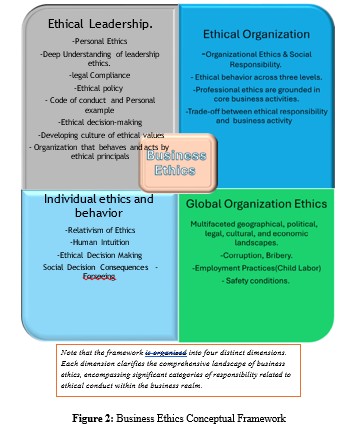
Declarations
References