


Review Article - (2025) Volume 10, Issue 3
Emotional Distress Research: A Narrative Review
Received Date: Aug 15, 2025 / Accepted Date: Sep 08, 2025 / Published Date: Sep 19, 2025
Copyright: ©2025 Tiffany Field. This is an open-access article distributed under the terms of the Creative Commons Attribution License, which permits unrestricted use, distribution, and reproduction in any medium, provided the original author and source are credited.
Citation: Field, T. (2025). Emotional Distress Research: A Narrative Review. Int J Psychiatry, 10(3), 01-08.
Abstract
In this review of 2024-2025 literature on emotional distress, the prevalence of emotional distress has ranged from 26% of adolescents in the U.S. to 28% in Zimbabwe adolescents to more than half the population in 20 countries and has been said to be increasing. Negative effects of emotional distress have included decreased emotional stability, internalizing and externalizing behaviors, mental and physical changes, mental disorders, cannabis use, non-suicidal self-injury and suicidality. External risk factors/predictors of emotional distress have included parents’ internalizing and externalizing behaviors, adverse childhood experiences and pandemic problems. Internal problems have included less self-compassion, eco-anxiety, negative views about aging, negative perceptions about death and death anxiety. Negative behaviors include emotion regulation problems, excessive social media use and gaming. fMRIs have shown decreased activation in the anterior cingulate cortex, the insula and the parietal area in those experiencing emotional distress. Emotional intelligence and resilience have buffered the negative effects of emotional distress, and mindfulness and emotion-focused interventions have reduced emotional distress. Methodological limitations of this literature include the almost exclusive appearance of cross-sectional, self-report studies.
Introduction
Emotional distress (psychological distress) has been defined as a state of significant mental or emotional stress, often experienced as a reaction to a distressing event or situation. It is sometimes recognized as a form of pain or suffering. It can be triggered by accidents, harassment or simply by witnessing a traumatic event. It can manifest as a range of unpleasant emotions and psychological symptoms including anxiety, depression, fear, anger and grief. Physical symptoms may also occur including changes in appetite, fatigue, headaches or stomach problems and sleep disturbances.
In this narrative review, research on emotional distress that was published in 2024-2025 is briefly summarized. This research was found on PubMed, PsycINFO and Google Scholar by entering the terms emotional distress and the years 2024-2025. Exclusion criteria included non-English papers, pilot studies and proposed protocols. This current literature on emotional distress can be divided into five categories. These include the prevalence of emotional distress, the effects of emotional distress, risks/predictors of emotional distress, potential underlying biological mechanisms and interventions. In this narrative review, 37 papers are briefly summarized including 4 papers on prevalence of emotional distress, 8 papers on effects of emotional distress, 18 papers on risks/predictors of emotional distress, 1 paper on potential underlying biological mechanisms and 6 papers on buffers and interventions.
Prevalence of Emotional Distress
The prevalence of emotional distress has ranged from 26% of adolescents in the U.S. to 28% in Zimbabwe adolescents to more than half the population in 20 countries and has been said to be increasing (see table 1). The data for 26% of adolescents comes from the National Youth Tobacco Survey (N=22,202 11-to-18- years-old) (Mattingly et al, 2024). The data on 28% in Zimbabwe adolescents come from the Violence Against Children and Youth Survey [1]. Data on young adult gamers (N=1209) suggest that as many as 12% had high emotional distress, 33% moderate and 55% low emotional distress [2].
Data from 149 countries collected from 2007 to 2021 suggested that more than half of the population was experiencing emotional distress in 20 countries and 85% of the countries reported psychological distress in 2020 versus 50% in 2008, suggesting a significant increase in emotional distress across twelve years [3]. This growth in psychological distress has been appearing more rapidly among young people and has been attributed to increased physical pain and decreased income. It is not surprising that the psychological distress level was high in 2020 given that the COVID-19 pandemic occurred at that time.
Confirmatory data come from The Gallup World Poll (2009–2022) on emotional distress in youth in 165 countries [4]. Those data show a growing number of young people experiencing emotional distress in recent years, especially in lower income young people
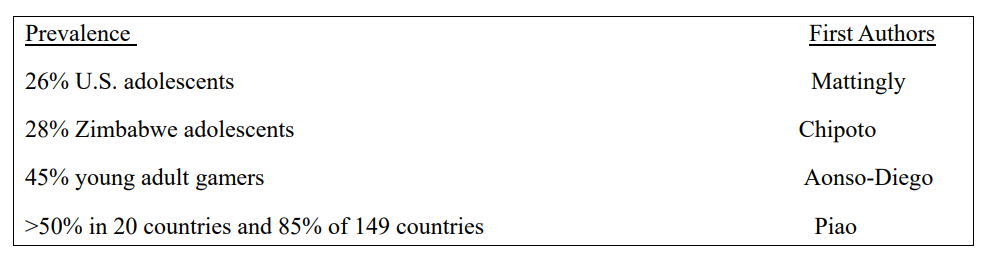
Table 1: Prevalence of Emotional Distress (and First Authors)
Effects of Emotional Distress
The negative effects of emotional distress have included decreased emotional stability, internalizing and externalizing behaviors, changes in mental and physical health, mental disorders, cannabis use, non-suicidal self-injury and suicidality (see table 2). Mental toughness was the only positive effect that was reported in this literature.
Decreased emotional stability was associated with emotional distress in a study entitled “Longitudinal relationships between psychological distress and personality traits” [5]. In that sample, adults from Australia were seen four times over 13 years (N= 22,837). Increased emotional distress led to a decrease in emotional stability. Greater extraversion and conscientiousness were associated with less emotional distress.
Internalizing and externalizing behaviors were related to emotional distress in a study on uncertainty and intolerance of uncertainty in adolescents and young adults [6]. In this sample, uncertainty led to emotional distress, which, in turn, led to internalizing and externalizing behaviors Psychological distress has also reportedly led to mental and physical health changes [7]. Data from this survey (N=5033 adults) revealed loneliness in 47% of the sample and 31% reported perceived change in mental health and 12% suggested they experienced a change in physical health. Increased loneliness led to emotional distress which led to mental and physical changes.
Mental disorders have resulted from emotional distress in a rare 19-year longitudinal study (N= 2333) [8]. In this midlife U.S. sample, emotion-focused coping mediated the relationship between emotional distress and mental disorders by lessening the effects of emotional distress on mental disorders.
Emotional distress may have led to the cannabis vaping noted among adolescents based on the National Youth Tobacco Survey (N=22,202 11-to-18-year-old adolescents) [9]. In this sample, 8% were vaping and 26% reported moderate or severe psychological distress. Other predictors of cannabis vaping were older age, poor grades, family vaping, nicotine vaping, and other tobacco use.
Non-suicidal self-injury and suicidality have been reported in studies on emotional distress. In a systematic review and meta- analysis of 22 interview and self-report studies on lifetime frequency of non-suicidal self-injury (N=14,588 adolescents), distress tolerance was negatively related to non-suicidal self-injury in the general population and university students but positively related in adolescents [10].
Suicide ideation was related to emotional distress in a sample (N =194) whose ideation ranged in severity [11]. Increased suicidal ideation was associated with increased levels of emotional distress following social exclusion. It also notably occurred during an interpersonal distress task in this research.
Both suicidal ideation and suicide attempts have been related to emotional distress in a sample (N= 455) whose suicidal ideation was not only associated with emotional distress but also with perceived burdensomeness [12]. Suicide attempts were associated with emotional distress but also perceived rejection and thwarted belongingness. These authors were clearly oriented to the Interpersonal Theory of Suicide to have included the measurement of perceived burdensomeness and thwarted belongingness. In that theory both the experience of thwarted belonginess and perceived burdensomeness are necessary pre-conditions for suicide attempts.
Mental toughness is the only positive effect that has been noted for emotional distress in this literature. In a paper entitled “Relationships between mental toughness, eustress – distress and mindfulness in adolescence: a network analysis and mediator model testing”, emotional distress led to mindfulness which, in turn, led to mental toughness [13]. As in any mediator analysis, the researcher needs to have a prior theoretical model. Surprisingly, these researchers lumped eustress (normal stress) with distress, suggesting a continuum from positive to negative. In that continuum many individuals would be able to engage in mindfulness. The mental toughness outcome variable was also surprising, not only because it was positive but also because posttraumatic growth has been a more frequently used positive outcome for emotional problems like emotional distress.
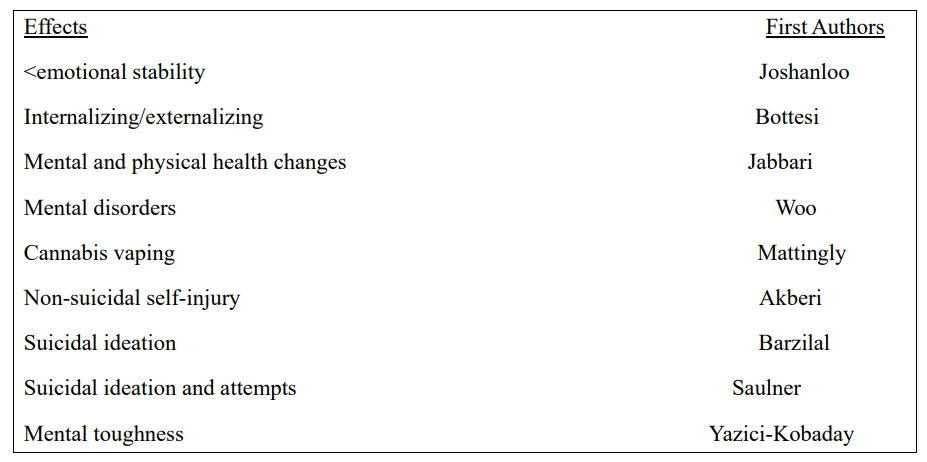
Table 2: Effects of Emotional Distress (and First Authors)
Risks/Predictors of Emotional Distress
Risks/predictors of emotional distress Include external issues, internal problems, and negative behaviors (see table 3).
|
Risks/predictor variables |
|
First Authors |
|
|
External Issues |
|
|
Parent internalizing/externalizing |
|
Latcher |
|
Adverse childhood experiences |
|
Chipoto, Fan, Solberg |
|
COVID-19 pandemic |
|
Feyzbabaie, Barca |
|
|
Internal Problems |
|
|
|
|
Wilson, Norton, Baxter |
|
Eco-anxiety |
|
Cosh |
|
Negative body image |
|
Mokhnatkin |
|
Negative views about aging |
|
Li |
|
Negative perceptions about death |
|
Garcia-Garcia |
|
Death anxiety |
|
Letzner |
|
|
Negative Behaviors |
|
|
Emotion regulation problems |
|
Demkowicz, Ghiggia |
|
Excessive social media use |
|
Davis |
|
Gaming |
|
Aonso-Diego |
Table 3: Risks/Predictor Variables for Emotional Distress (and First Authors)
External Issues
External issues have included parent internalizing/externalizing, adverse childhood experiences and pandemic risk factors. In an intergenerational Australian cohort longitudinal study (N= 549 parents of one-to-nine-year-old children), life course predictors of child emotional distress were determined [14]. Parents were assessed when they were 7-to-8-years-old and again two decades later when the parents were 27-to -28-years-old. Child emotional distress was associated with parents’ internalizing and externalizing behaviors, less conscientiousness, poor social skills, poor relationship health, less trust, intolerance, less warmth and less behavior competencies. The degree of child emotional distress likely differed across the wide age span of the one-to-nine-year-old children, although age comparisons were not made. In addition, regression analysis was not conducted to determine the relative importance of these multiple risk variables. Further, these negative parent characteristics may have contributed to child abuse or neglect, although these adverse childhood experiences were not assessed in this study.
Adverse childhood experiences (ACEs) have been risk factors in at least 3 studies. In a large sample of adolescents and youth in Zimbabwe (N=8,715 youth 13-25-years-old), 28% reported emotional distress [1]. All ACEs were related to emotional distress in the youth including physical, emotional and sexual violence, interpersonal violence and community violence. Assessing community violence along with these other forms of violence was unique to this study. Unfortunately, the relative impact of these different forms of violence was not determined.
In a sample of older youth (N=2307 Chinese college students), childhood trauma impacted emotional distress [15]. In this sample, a sense of coherence (belief that stress is manageable) and less anxiety and depression resulted in less emotional distress. These mediators seem logical, although their relative importance could not be determined by mediation analysis which highlights one of the limitations of that form of analysis.
In a paper entitled “The relationship of adverse childhood experiences and emotional distress in young adults”, the results are in the title [16]. In this sample of 100 black and 100 white young adults, the adverse childhood experiences had occurred more often in the black young adult group.
Negative experiences during the COVID-19 pandemic were also risk factors for emotional distress based on a review of 60 studies [17]. Those negative experiences included sleep disturbances, academic setbacks, social withdrawal and physical health problems. The unexpected positive effects of emotional distress were posttraumatic growth, greater coping skills, and professional advancement.
In another sample affected by the COVID-19 pandemic, an increase in negative affectivity during the outbreak led to increased arousal and emotional distress [18]. Increased arousal occurred especially in those who engaged in less physical activity. Emotional distress is frequently accompanied by increased arousal related to increased stress hormones, particularly increased cortisol, and decreased serotonin (the antidepressant neurotransmitter) [19]. Physical activity typically has the opposite effects of reducing cortisol and increasing serotonin levels [19].
Internal Problems
Internal problems that were risk factors for emotional distress have included negative emotions and perceptions. In this current literature they were less self-compassion, eco-anxiety, negative body image, negative views about aging, negative perceptions about death and death anxiety.
At least three research groups have reported less self-compassion as a contributor to emotional distress including one report from Australia (N= 72, mean age =29) [20]. In this study, less self- compassion was related to greater psychological distress.
Less self-compassion as well as less self-criticism were related to emotional distress in a sample of university students (N=722) [21]. In this research, sleep disturbances mediated the link between both self-compassion and self-criticism and psychological distress. It’s not clear why less self-compassion and self-criticism would lead to sleep disturbances unless the participants were ruminating about those problems which could lead to insomnia. In contrast, it was not surprising that less self-compassion in those with chronic illness was associated with emotional distress (in a meta-analysis of 51 studies) [22]. Seemingly more self-compassion would be helpful for those with chronic illness.
A new type of anxiety called eco – anxiety has been related to psychological distress in a review entitled "The relationship between climate change and mental health: a systematic review of the association between eco–anxiety, psychological stress and symptoms of major affective disorders"[23]. In this review of 35 studies (N= 45,667), the authors suggested that eco-anxiety led to psychological distress, depression, anxiety, and stress symptoms. That would appear to be extensive documentation of eco-anxiety. However, most of the studies included in the review were cross- sectional so the suggested direction of eco-anxiety leading to the other distress variables is a tenuous conclusion. In addition, psychological/emotional distress is often grouped with depression, anxiety and stress symptoms in meta-analyses, making it difficult to know the prevalence of the different emotional problems. Presumably depression and anxiety as more severe mental problems occurred less frequently than emotional distress given that climate change is not controllable by individuals so there is less likelihood of self-blame.
A negative body image and emotional distress have also been related in both men and women who have cancer (N=1563) [24]. In this sample, females were, not surprisingly, more distressed about their physical appearance and males were more distressed regarding body functions.
Negative views about aging have also been related to emotional distress in an older Chinese sample (N= 936 adults older than 60) [25]. Health problems led to negative views on aging which in turn led to emotional distress, especially among urban older adults. The authors suggested that being dependent on others was less desirable for older urban than older rural adults, possibly assuming that the older urban adults had less extended family as well as more stressors from urban living.
Negative perceptions of death have been related to emotional distress in middle-aged and older adults (N= 315 adults greater than 40-years-old) [26]. These negative perceptions not only led to emotional stress, but also to depression and anxiety. Perceived control and pleasant activities, not surprisingly, buffered the negative effects in this sample, possibly because the participants felt less helpless by having more control and more distracted by their pleasant activities.
Death anxiety which would seem to be a more extreme form of negative perceptions of death has also, not surprisingly, been related to emotional distress. In a systematic review and meta- analysis entitled “Death anxiety in connection to anxiety and depressive disorders: a meta-analysis on emotional distress in clinical and community samples” (N= 11,803), as many as105 studies were reviewed [27]. Large effects were noted for the relationship between death anxiety and emotional distress based on the Templer's Death Anxiety Scale (that includes14 items like “I am very much afraid to die”),
Negative Behaviors
Negative behaviors, as might be expected, have been risk factors for emotional distress. In this current literature on emotional distress, they have included emotion regulation problems, excessive social media use and gaming.
Emotion regulation problems have been reported for at least two samples. In a large longitudinal sample of young adolescents (N=15,864) who were seen across a period of three years, those with emotion regulation problems had greater emotional distress [28]. In another sample (N=298), less emotion regulation as well as less empathy led to greater anxiety, depression and loneliness which, in turn, led to greater psychological distress [29]. This sequence is unusual as at least anxiety and depression, as more severe problems, typically follow rather than precede psychological distress. And, surprisingly, loneliness has not been a risk factor for emotional distress in other studies.
Loneliness may have contributed to the excessive social media use noted as another risk factor for emotional distress [19]. In a review of 10 studies, excessive social media use led to greater emotional distress, especially depression and anxiety symptoms [30]. Once again, depression and anxiety symptoms have been linked with emotional distress or described as emotional distress.
Gaming has contributed to stress in young adult gamers. In a paper entitled “Depression, anxiety and stress in young adult gamers and their relationships with addictive behaviors: a latent profile analysis”, gaming severity, especially in females, has been associated with emotional distress [2]. Gaming may have been more stressful for females as they are less often gamers and may have less experience and/or this finding may relate to the greater prevalence of depression in females. Greater substance use (tobacco and illegal drugs) and greater alcohol use were also related to emotional distress in this sample of adult gamers. Although this was a cross-sectional study suggesting that causality could not be determined, emotional distress and these addictive behaviors were likely reciprocally related.
Potential Underlying Biological Mechanisms
Surprisingly, only one potential underlying biological mechanism was the focus of research in this current literature. In a paper entitled “Neural correlates of expected and perceived treatment efficacy concerning open – label placebos for reducing emotional distress”, a visually-induced emotional distress task was given and fMRIs were recorded [31]. The fMRIs showed decreased activation in the anterior cingulate cortex, the insula and parietal region during the visually-induced emotional distress task. These regions of the brain have been notably involved in processing visual and emotional stimuli in several other studies appearing in earlier literature. The decreased activation of these regions highlights the effectiveness of the task used in this study to induce emotional distress.
Buffers and Interventions for Emotional Distress
Buffers
Buffers for emotional distress have been reported in at least two studies (see table 4). In one study, a decrease in emotional distress, anxiety and depression (the triad of difficult emotions) and an increase in health, personal growth and life purpose contributed to 63% of the variance in quality of life in older adults (N=361 adults, mean age=68) [32]. The high variance explained by these buffers was unusual, but unfortunately the relative contributions of these buffers could have been but were not determined by regression analysis or structural equation modeling.
Emotion intelligence and resilience have been buffers against depression, anxiety and emotional distress (the triad of difficult emotions) in a sample of nurses from 3 hospitals in Jordan (N=152, mean age=28) [33]. Emotion intelligence has been a buffer against these emotions in several studies [34].
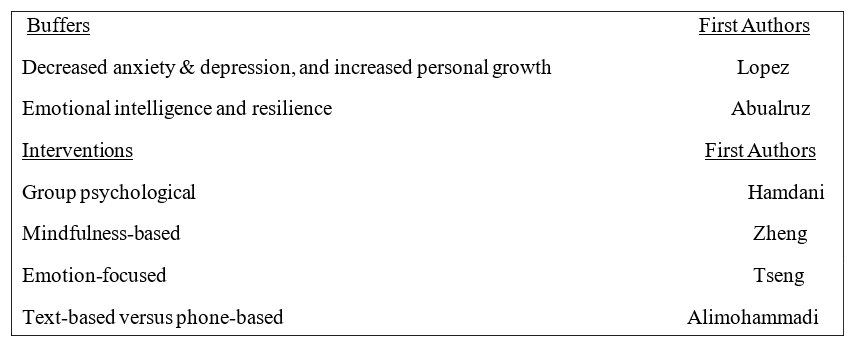
Table 4: Buffers and Interventions for Emotional Distress (and First Authors)
Interventions
Three intervention studies were found in this current literature on emotional distress. In one intervention paper entitled "Effectiveness of a group psychological intervention to reduce psychosocial distress in adolescents in Pakistan", seven weekly group sessions were given for the adolescents and three biweekly sessions for their parents (N=282 intervention and 284 waitlist students 13-to- 16-years-old from 40 schools) [35]. At a three- month follow- up assessment, reduced psychological distress and enhanced emotional regulation were reported by the intervention group members on the Pediatric Symptoms Checklist. Unfortunately, the therapy protocol was not sufficiently described to be replicated.
A mindfulness-based intervention was provided for a group of older college students with non-suicidal self-injury [36]. The mindfulness intervention reduced psychological distress and enhanced emotion regulation in these students. Surprisingly, the effects of the mindfulness intervention on the non-suicidal self- injury behaviors of these college students were not noted.
Emotion-focused therapy was provided for couples in Taiwan (N= 17 couples) [37]. Relational distress and depressive symptoms decreased following the therapy. Other predictors of the decreases were women's orientation regarding traditional gender roles and both partners having high emotional expressivity at intake. Their high emotional expressivity at intake likely may have been as effective as the therapy itself, although the relative contributions of these predictors were not determined.
A text-based versus a phone-based intervention were compared in a study entitled "A comparative study of the effectiveness of text – based crisis intervention in reducing emotional distress among texters and callers” [38]. A distress thermometer was used to measure the effects of the interventions (N= 700 text-based participants and 737 phone-based). Both types of interventions decreased distress, but the effects were greater for the text – based versus the phone – based intervention. This finding was surprising given that the therapist’s attentiveness and emotional involvement would presumably be less apparent on the texts than the phone calls.
Methodological Limitations of this Literature
The methodological limitations of this literature could be categorized as the frequent sampling of university students, problems with assessing emotional distress almost exclusively by self-report scales, the arbitrary selection of the mediator, effects and risk variables, the confounding of emotional distress by depression and anxiety and the limited number of underlying biological mechanism and intervention studies.
The frequent sampling of university students has limited the generalizability of the findings. The inclusion of different age and different gender participants in the same samples was likely in the interest of the findings being generalizable. However, those findings may have been confounded by both the age and gender differences that have been reported for emotional distress.
The problem with the frequent use of self-report scales is their questionable reliability, their recall bias and their “faking good” bias. Only one experimental stress induction study appeared in this emotional distress literature, and its monitoring of fMRIs was also unique to this literature. The rare use of physiological measures likely relates to their costliness and limited research funding.
Emotional distress was often referred to as psychological distress and was frequently linked with symptoms of depression and anxiety. In these studies, it was unclear which of these stressors was related to negative outcomes and if emotional distress was leading to depression and anxiety symptoms or those symptoms were simply confounding variables.
Many more risk / predictor variable studies versus negative effects studies appeared in this literature. This is perhaps not surprising as negative effects have often been the focus of research before risk factors/predictors are addressed and the effects of emotional distress have dominated the earlier literature. Many predictors and outcome variables could be seen as reciprocal or bi-directional variables. For example, internalizing behaviors and excessive social media use could be considered bi-directional. Emotional distress has not been assessed in a longitudinal study for its origins and determination of its underlying biological mechanisms.
Emotional distress was also treated as a mediator variable for more severe outcome effects. For example, emotional distress was considered a mediator variable for suicidality and for mental disorders. Although emotional distress has been treated as a mediator variable, it has not appeared as a moderator variable. That was surprising as emotional distress might be expected to exacerbate negative relationships, for example between excessive social media use and depression. The strength and direction of relationships, which would be indicated by moderator variables, have infrequently appeared in this literature and the strength and frequency of emotional distress has not been assessed, likely because most of the studies have been cross-sectional as opposed to longitudinal.
The direction of effects cannot be reliably determined in cross- sectional studies. As a risk/predictor variable, emotional distress has led to emotional instability, internalizing behaviors, mental disorders and suicidality but as single variables in separate studies, not as a sequence in a single study. Emotional distress has rarely appeared in this literature for its more immediate effects, for example, for difficulty concentrating, fatigue or insomnia.
Surprisingly, only one study was focused on potential underlying biological mechanisms addressed for emotional distress, likely because that type of research is expensive. This fMRI study on neural correlates revealed a complex involvement of different regions of the brain. Very few interventions were reported in this literature, likely again because intervention research is expensive. Only one emotion-focused intervention appeared in this literature even though emotional distress would seemingly require emotion- focused or emotion regulation interventions.
Despite these methodological limitations, this literature has been informative. The severity of the emotional distress effects and the infrequent underlying mechanism and intervention studies highlight the importance of continuing research on emotional distress [39,40].
References
- Chipalo, E. (2024). Adverse childhood experiences and mental distress among adolescents and youth in Zimbabwe. Journal of interpersonal violence, 39(21-22), 4329-4355.
- Aonso-Diego, G., González-Roz, A., Weidberg, S., & Secades- Villa, R. (2024). Depression, anxiety, and stress in young adult gamers and their relationship with addictive behaviors: A latent profile analysis. Journal of Affective Disorders, 366, 254-261.
- Piao, X., Xie, J., & Managi, S. (2024). Continuous worsening of population emotional stress globally: universality andvariations. BMC Public Health, 24(1), 3576.
- Elgar, F. J., Pförtner, T. K., & Rothwell, D. (2024). Socioeconomic differences and global trends in youth wellbeing and emotional distress in 165 countries and territories. Health & Place, 89, 103322.
- Joshanloo, M. (2024). Longitudinal relationship between psychological distress and personality traits. Stress and Health, 40(2), e3305.
- Bottesi, G. (2024). Why we should focus more attention on uncertainty distress and intolerance of uncertainty in adolescents and emerging adults. European Child & Adolescent Psychiatry, 33(8), 2871-2873.
- Jabbari, J., Roll, S., McQueen, A., & Ridenour, N. (2024). Increased experiences of loneliness during the COVID-19 pandemic, emotional distress and changes in perceived physical and mental health: A structural equation model. Nursing Open, 11(3), e2125.
- Woo, J., Whyne, E. Z., & Steinhardt, M. A. (2024). Psychological distress and self-reported mental disorders: The partially mediating role of coping strategies. Anxiety, Stress, & Coping, 37(2), 180-191.
- Mattingly, D. T., Agbonlahor, O., Hart, J. L., McLeish, A. C., & Walker, K. L. (2024). Psychological distress and cannabis vaping among US adolescents. American journal of preventive medicine, 66(3), 534-539.
- Akbari, M., Seydavi, M., Firoozabadi, M. A., & Babaeifard,M. (2024). Distress tolerance and lifetime frequency of non- suicidal self-injury (NSSI): A systematic review and meta-analysis. Clinical Psychology & Psychotherapy, 31(1), e2957.
- Barzilai, E., Miron, N., & D’Andrea, W. (2024). Understanding capacities for interpersonal distress tolerance in individuals with suicide ideation. Archives of Suicide Research, 28(3), 994-1008.
- Saulnier, K. G., King, C. A., Ilgen, M. A., Ganoczy, D., Jagusch, J., Garlick, J., ... & Pfeiffer, P. N. (2024). Do measures of social support and social distress share general factors associated with suicidal ideation and attempts?. Suicide and Life-Threatening Behavior, 54(6), 934-948.
- Yazci Kabadayi, S. (2024). Relationships between mental toughness, eustress–distress, and mindfulness in adolescents: A network analysis and mediator model testing. Stress and Health, 40(5), e3480.
- Letcher, P., Greenwood, C. J., Macdonald, J. A., Ryan, J., O'Connor, M., Thomson, K. C., ... & Olsson, C. A. (2024). Life course predictors of child emotional distress during the COVID-19 pandemic: Findings from a prospective intergenerational cohort study. Journal of Child Psychology and Psychiatry, 65(12), 1564-1579.
- Fan, N., Fan, H., Luo, R., Wang, Y., Yan, Y., Yang, X., ... &Ma, X. (2024). The impact of childhood trauma on emotional distress and the moderating role of sense of coherence among college students in China. Scientific reports, 14(1), 9797.
- Solberg, M. A., Peters, R. M., Templin, T. N., & Albdour, M.M. (2024). The relationship of adverse childhood experiences and emotional distress in young adults. Journal of theAmerican Psychiatric Nurses Association, 30(3), 532-544.
- Feyzbabaie, M., Rajai, N., Alizadeh, A., & Azizi, M. (2025). Psychological distress among nursing students during the COVID-19 pandemic: a hybrid concept analysis. BMC psychology, 13(1), 1-18.
- Barca, L., Iodice, P., Chaigneau, A., Lancia, G., & Pezzulo,G. (2025). Emotional distress and affective knowledge representation one year after the COVID-19 outbreak. Plos one, 20(1), e0311009.
- Field, T. (2023). Exercise therapy reduces pain and stress: A narrative review. Current Research in Complementary and Alternative Medicine, 7, 220.
- Wilson, C., Misajon, R., & Brooker, J. (2024). Self-compassion and self-coldness and their relationship with psychological distress and subjective well-being among community-based Hazaras in Australia. Transcultural Psychiatry, 61(2), 229- 245.
- Norton, D. W., Modesto, O., Bennett, J. M., & Fraser, M.I. (2024). Sleep disturbance mediates the link between both self-compassion and self-criticism and psychological distress during prolonged periods of stress. Applied Psychology: Health and Well-Being, 16(1), 119-137.
- Baxter, R., & Sirois, F. M. (2025). Self-compassion and psychological distress in chronic illness: A meta-analysis. British Journal of Health Psychology, 30(1), e12761.
- Cosh, S. M., Ryan, R., Fallander, K., Robinson, K., Tognela, J., Tully, P. J., & Lykins, A. D. (2024). The relationship between climate change and mental health: a systematic review of the association between eco-anxiety, psychological distress, and symptoms of major affective disorders. BMC psychiatry, 24(1), 833.
- Mokhnatkin, J., Razavi, M., Clark, K., Hudson, A. N., Loscalzo, M., & Folbrecht, J. (2025). Understanding the relationship between body image and emotional distress among men and women with cancer. Supportive Care in Cancer, 33(7), 1-9.
- Li, J., Xu, W., Wang, Q., Zhou, X., & Peng, C. (2025). Physical health problems, views on ageing, and emotional distress among older Chinese population: a moderated mediation model. Aging & Mental Health, 29(4), 747-756.
- García-García, L., Fernandes-Pires, J. A., Márquez-González, M., del Sequeros Pedroso-Chaparro, M., Benito-Rincón, C., Pérez-Cardona, L. M., & Losada-Baltar, A. (2025). Self- perceptions of Aging and Distress in Middle-aged and Older Adults. The Role of Perceived Control and Pleasant Activities. The Spanish Journal of Psychology, 28, e8.
- Letzner, R. D. (2024). Death anxiety in connection to anxiety and depressive disorders: A meta-analysis on emotional distress in clinical and community samples. Death Studies, 48(4), 393-406.
- Demkowicz, O., Panayiotou, M., Qualter, P., & Humphrey, N. (2024). Longitudinal relationships across emotional distress, perceived emotion regulation, and social connections during early adolescence: A developmental cascades investigation.Development and psychopathology, 36(2), 562-577.
- Ghiggia, A., Castelli, L., Adenzato, M., & Di Tella, M.(2024). Emotional competencies and psychological distress: Is loneliness a mediating factor?. Scandinavian journal of psychology, 65(2), 359-368.
- Davis, C. E., Eche-Ugwu, I. J., & Alcindor, N. (2024). Social Media Use and Psychological Distress Among Undergraduate Nursing Students: A Review. Journal of Nursing Education, 63(8), 540-545.
- Schienle, A., & Wabnegger, A. (2024). Neural correlates of expected and perceived treatment efficacy concerning open- label placebos for reducing emotional distress. Brain Research Bulletin, 219, 111121.
- Lopez, J., Perez-Rojo, G., Noriega, C., Sánchez-Cabaco, A., Sitges, E., & Bonete, B. (2024). Quality-of-life in older adults: its association with emotional distress and psychological wellbeing. BMC geriatrics, 24(1), 815.
- Abualruz, H., Hayajneh, F., Othman, E. H., Sabra, M. A. A., Khalil, M. M., Khalifeh, A. H., ... & Abousoliman, A.D. (2024). The relationship between emotional intelligence, resilience, and psychological distress among nurses in Jordan. Archives of Psychiatric Nursing, 51, 108-113.
- Field, T. (2025). Loneliness in Adults: A Narrative Review. Int J Psychiatry,10(1), 01-12.
- Hamdani, S. U., Huma, Z. E., Malik, A., Tamizuddin- Nizami, A., Javed, H., Minhas, F. A., ... & Wang, D. (2024). Effectiveness of a group psychological intervention to reduce psychosocial distress in adolescents in Pakistan: a single- blind, cluster randomised controlled trial. The Lancet Child & Adolescent Health, 8(8), 559-570.
- Zheng, Q., Zhou, H. Y., Li, K., Liu, Y., Nan, W., & Gong, J. (2024). The effectiveness of mindfulness-based intervention for psychological distress and emotion regulation in college students with non-suicidal self-injury. Applied Psychology: Health and Well-Being, 16(4), 2083-2098.
- Tseng, C. F., Morgan, P. C., & Wittenborn, A. K. (2025). Predicting change in relationship distress and depressive symptoms among couples in Taiwan: The role of attachment, emotional expressivity, and gender roles in Emotionally Focused Therapy. Journal of Marital and Family Therapy, 51(1), e12743.
- Alimohammadi, A., Roshanpajouh, M., Hosseini, R., Ekrami, K., Aghdaee, M., Rajab Boloukat, R., & Mohagheghi, M. (2025). A Comparative Study of the Effectiveness of Text- Based Crisis Intervention and Phone-Based Crisis Intervention in Reducing Emotional Distress Among Texters and Callers. Suicide and Life-Threatening Behavior, 55(1), e70002.
- Field, T. (2025). Emotional Intelligence Research: A narrative review. J Clin Psychol and Neurol.
- Field, T. (2025). Retirement Research: A Narrative Review. J Ment Health Soc Behav, 7(1), 199.