

Journal of Veterinary Health Science(JVHS)
ISSN: 2831-3887 | DOI: 10.33140/JVHS
Impact Factor: 0.762

Research Article - (2026) Volume 7, Issue 1
Efficacy of Yeast Culture Metabolites on Health and Productive Potential of Dairy Cows Under Heat Stress Condition
 , Dur E Nayab 1 , Mariam Azam 1 *, Muhammad Mukarram Bashir 2 and Zain Ul Abedin Merchant 1
 2Dairylac Private Limited, Faisalabad, Pakistan
Received Date: Apr 15, 2026 / Accepted Date: May 08, 2026 / Published Date: May 18, 2026
Copyright: ©2026 Mariam Azam, et. al. This is an open-access article distributed under the terms of the Creative Commons Attribution License, which permits unrestricted use, distribution, and reproduction in any medium, provided the original author and source are credited.
Citation: Rahman, S. U., Nayab, D. E., Azam, M., Bashir, M. M., Merchant, Z. U. A. (2026). Efficacy of Yeast Culture Metabolites on Health and Productive Potential of Dairy Cows Under Heat Stress Condition. J Vet Heal Sci, 7(1), 01-09.
Abstract
Impact of yeast culture metabolites (YCM) supplementation on milk production and feed digestibility in 282 lactating dairy cows in their 2nd to 3rd lactation, exposed to thermal stress conditions, with temperature–humidity index ranging from 65 to 81. A 30-day switch-over experimental design was applied to reduce individual animal variation and ensure uniform management conditions. The cows were segregated into two groups A and B. Following a seven-day baseline period, one group received YCM supplementation (15 gm/h/d) for 15 days while the other served as the control, after which the treatments were switched over. Supplementation with YCM resulted in improvement in milk yield even under heat stress. In Group A, overall 1.1L per cow/day whereas in group B, cows responded positively to 0.98 L/day. YCM stabilized rumen pH, improved volatile fatty acid profiles, and increased microbial activity. Fiber degradation and nutrient utilization in supplemented cows was 56% compared to 44%.
Keywords
Yeast Metabolites, Heat Stress, Lactating Cows, Temperature Humidity Index
Introduction
The global dairy industry is increasingly challenged by the need to sustain high levels of productivity and animal health under intensifying environmental stress, particularly heat stress. Modern dairy production systems rely heavily on genetically superior, high-yielding cows managed under intensive conditions, which renders them especially vulnerable to thermal stress. Elevated ambient temperature and humidity, commonly assessed using the Temperature–Humidity Index (THI), impose a substantial physiological burden on dairy cows, often resulting in marked declines in milk production and overall performance. These reductions arise from complex, interconnected disruptions in feed intake, rumen function, metabolism, immune competence, and cellular homeostasis [1,2].
When THI values exceed critical thresholds, dairy cows shift their physiological priorities from production toward thermoregulation. One of the earliest and most pronounced responses is a reduction in dry matter intake, which directly limits nutrient availability for milk synthesis and exacerbates negative energy balance [3,4]. Reduced rumination activity and increased respiratory heat loss further compromise rumen buffering capacity, predisposing cows to sub-acute ruminal acidosis. This condition disrupts fiber digestion, alters fermentation pathways, and promotes the release of inflammatory mediators originating from the gastrointestinal tract [5]. Concurrently, heat stress induces profound metabolic changes characterized by altered hormone secretion, increased maintenance energy requirements, and reduced nutrient partitioning toward the mammary gland [6].
Beyond digestive and metabolic disturbances, heat stress significantly elevates oxidative load and inflammatory pressure within the animal. Increased production of reactive oxygen species overwhelms endogenous antioxidant defenses, leading to cellular damage and impaired immune function. These changes negatively affect milk yield, milk quality, reproductive efficiency, and disease resistance, thereby reducing the overall resilience of dairy cows during prolonged heat exposure [7]. Additionally, compromised intestinal integrity caused by reduced gastrointestinal perfusion facilitates translocation of microbial components into circulation, amplifying systemic inflammation and further suppressing productive efficiency [8].
Given the multifactorial nature of heat stress, nutritional strategies that enhance digestive efficiency, stabilize rumen fermentation, and support systemic resilience have become a critical focus of dairy research. Among these, yeast-based supplements derived from Saccharomyces cerevisiae have gained substantial attention. In particular, yeast culture metabolites, commonly referred to as postbiotics; represent a promising approach due to their functional bioactivity and stability under challenging environmental conditions. These products are generated through controlled fermentation and processing techniques and contain a diverse array of biologically active compounds, including oligosaccharides, organic acids, vitamins, enzymes, peptides, phospholipids, and β-glucans [9,10].
Unlike live microbial additives, yeast postbiotics exert their effects by directly modulating rumen microbial activity and fermentation efficiency. They promote the growth and functionality of cellulolytic and lactate-utilizing bacterial populations, thereby improving fiber degradation and stabilizing rumen pH. This contributes to a more favorable volatile fatty acid profile, particularly through enhanced propionate production, which is essential for hepatic glucose synthesis and lactose formation in the mammary gland [11,12]. Improved digestibility partially compensates for reduced feed intake during heat stress, supporting more efficient nutrient utilization.
Yeast postbiotics also exert beneficial effects beyond the rumen. Mannan-oligosaccharides and β-glucans enhance gut barrier function and modulate immune responses by reducing pathogen attachment, limiting endotoxin translocation, and priming innate immune cells. These mechanisms collectively reduce systemic inflammation and improve disease resistance, which is especially important under heat stress conditions where immune suppression is common [10,13]. Furthermore, antioxidant components within yeast metabolites contribute to improved redox balance, helping mitigate oxidative damage associated with thermal stress [7].
Evidence from controlled trials and meta-analyses consistently demonstrates that yeast culture supplementation improves feed intake, milk yield, and milk composition, particularly under stressful environmental conditions. These benefits are accompanied by improved rumen parameters and enhanced metabolic efficiency, highlighting the role of yeast-derived products as functional nutritional tools rather than simple feed additives [9,14]. Importantly, yeast postbiotics offer practical advantages in terms of thermal stability and consistency, making them well suited for use in hot climates and intensive dairy systems [15].
From a broader perspective, improving rumen efficiency through targeted nutritional interventions also contributes to sustainability goals by reducing nutrient excretion and improving feed conversion efficiency. Such strategies align with the need for climate-resilient dairy production systems capable of maintaining productivity while minimizing environmental impact under increasingly variable climatic conditions [16].
In summary, heat stress imposes complex and cascading challenges on dairy cows, affecting digestion, metabolism, immunity, and cellular function. Yeast culture metabolites offer a multifaceted nutritional approach to mitigating these effects by enhancing rumen fermentation, supporting metabolic stability, strengthening immune responses, and improving overall resilience. Continued evaluation of their efficacy under field-relevant heat stress conditions is essential to optimize their application and maximize benefits for modern dairy production systems.
Materials and Methods
Study Site and Animals
A commercial dairy farm, named Happy cattle farm, with 1700 animals, including 650 milking cows, served as the research site. Average baseline milk production was 23 L/day, with high producers averaging 27 L/day.
A total of 282 lactating cows (150–200 days in milk; 2nd–3rd lactation) were selected and divided into:
• Group A: 150 cows (104 used in performance analysis)
• Group B: 132 cows (91 used in performance analysis)
Trial Duration
• Start Date: 21 June 2023
• End Date: 23 July 2023
The trial coincided with peak heat-stress conditions (high THI).
Parameters Measured
• Daily milk yield (L)
• Milk volume change (improvement/sustain/decline)
• Total milk improvement/decrease
• Group averages
• Heat-stress influence
• Feed digestibility
Feeding Protocol
Both groups were kept under identical environmental and feeding conditions (same TMR). YCM was supplemented daily in trial animals as per manufacturer guidelines.
Experimental Design and Switch-Over Trial
The study was conducted using a switch-over experimental design to minimize individual animal variation and to evaluate the consistent effect of Yeast Culture Metabolites (YCM) under identical farm and environmental conditions. The experimental animals were divided into two groups, designated as G1 and G2.
A seven-day pre-experimental phase without supplementation was conducted to establish baseline milk production parameters. Daily milk yield, milk fat percentage, and solid-not-fat (SNF) were recorded for all animals to reduce baseline variability. The experiment followed a switch-over design. In Phase 1 (five days), Group 1 received yeast culture metabolite (YCM) supplementation, while Group 2 served as the un-supplemented control under identical management and feeding conditions.
In Phase 2 (fifteen days), the treatments were reversed, with Group 2 receiving YCM and Group 1 acting as the control. Milk yield, fat, and SNF were recorded daily at the individual animal level throughout the study. This switch-over approach minimized inter-animal and physiological variability and allowed reliable assessment of YCM effects under farm conditions, including periods of elevated Temperature–Humidity Index (THI).
Feed Digestibility
Fresh fecal samples were collected immediately after defecation to prevent contamination, moisture loss, and secondary fermentation. Samples were obtained from multiple locations within each dung pat, pooled, homogenized, and processed on the day of collection. In addition to quantitative analysis, fecal samples were visually evaluated for consistency, uniformity, and the presence of undigested fibrous material as a qualitative indicator of digestive health and rumen function.
Feed digestibility was assessed using fecal particle size distribution analysis, a validated on-farm method for evaluating rumen efficiency and fiber degradation. Approximately 500 g of homogenized fecal material was subjected to wet sieving using a standardized three-sieve system (S1, S2, and S3) arranged from coarse to fine mesh. Samples were gently washed to separate undigested feed particles while preserving particle integrity. Residues retained on each sieve were oven-dried at 60 °C to constant weight and expressed as a percentage of total dry matter. Particle size distribution was interpreted as an indicator of ruminal digestion efficiency, with a greater proportion of fine particles reflecting enhanced microbial fermentation and fiber breakdown [5].
Results
The present study evaluated the effect of Yeast Culture Metabolites (YCM) supplementation on milk production performance and stability in lactating dairy cows under commercial farm conditions during peak summer heat stress. Results clearly demonstrated a positive response to YCM supplementation across both experimental groups, despite elevated Temperature–Humidity Index (THI) conditions that typically depress milk yield.
Effect of Yeast Culture Metabolites on Feed Digestibility and Gut Health
Visual and Physical Characteristics of Dung
Heifers receiving YCM supplementation exhibited improved fecal consistency and homogeneity compared to non-supplemented animals. The feces were well-formed, with reduced visible long fibrous particles, indicating more complete feed breakdown and efficient ruminal processing. Such physical characteristics are commonly associated with optimal rumen fermentation and balanced passage rate [17].
|
|
|||
|
Sieve |
Without YCM |
With YCM |
Expected values with good digestibility |
|
S1 |
15% |
18% |
10-20% |
|
S2 |
22% |
26% |
25-35% |
|
S3 |
44% |
56% |
Above 50% |

Table 1: Comparative Results of Digestibility with Ycm Supplemented Feed and Non-Ycm Feed
Quantitative sieve analysis demonstrated a favorable distribution of fecal particle fractions in YCM-supplemented heifers. The proportion of coarse particles retained on S1 was 18%, which lies within the optimal physiological range of 10–20%, suggesting effective chewing activity and initial ruminal degradation. The S2 fraction accounted for 26%, consistent with normal intermediate digestion patterns reported for healthy ruminants.
Notably, the S3 fraction constituted 56% of total fecal dry matter, exceeding the recommended minimum threshold of 50%. This dominance of fine particles indicates enhanced fiber degradation and microbial fermentation efficiency within the rumen. A higher S3 proportion is widely recognized as an indicator of improved nutrient extraction and reduced feed wastage.
Milk Yield Response to YCM Supplementation
The findings indicate a statistically significant improvement in milk production and composition following YCM supplementation (n = 120; p ≤ 0.05). When YCM was added to the CP 22% diet, cows produced 1.1 L more milk compared with those receiving the basal diet alone, with average milk yield increasing from 27.1 to 28.2 L.
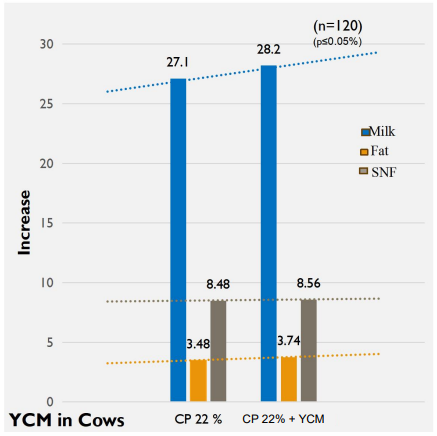
Figure 1: Milk Yield, Fat and Snf Performance in Cows
This additional increase reflects a clear enhancement in overall lactational output attributable to YCM inclusion. Improvements were also evident in milk quality traits. Milk fat content increased from 3.48 to 3.74, while solids-not-fat (SNF) rose from 8.48 to 8.56 in the YCM-supplemented group. The parallel rise in both fat and SNF demonstrates that the higher milk yield was accompanied by better milk composition, indicating more efficient utilization of dietary nutrients and a positive effect of YCM on productive performance in dairy cows. The pictorial trend highlights the ability of YCM to support productive resilience under heat stress rather than merely transient yield enhancement.
Group A Performance
Within Group A, performance analysis was conducted on 104 lactating cows. Among these animals, a total milk volume improvement of 330 liters was recorded during the supplementation period. Cows that responded positively to YCM showed an average increase of 4.71 L/day, indicating a strong biological response among high and moderate producers.
When averaged across all animals in Group A, including those with sustained or decreased yield, the net improvement was 2.52 L per cow, confirming that the positive response was not limited to a few individuals. A subset of 12 animals maintained stable milk production, while 22 animals exhibited reduced yield, primarily attributed to advanced pregnancy rather than nutritional or metabolic causes. The total milk reduction in these animals amounted to 67 liters, which was insufficient to offset the gains observed in responding cows.

Figure 2: Milk Yield Performance of Group A Cows
The magnitude of improvement in Group A demonstrates that YCM supplementation effectively enhanced milk yield even under conditions of high thermal load, suggesting improved rumen fermentation efficiency, nutrient utilization, and metabolic stability.
Group B Performance
Group B performance analysis included 91 lactating cows, of which 49 animals exhibited improved milk yield following YCM supplementation. The total milk volume increase recorded in this group was 241 liters. Responsive cows showed an average improvement of 4.91 L/day, which was comparable to, and slightly higher than, the response observed in Group A responders.

Figure 3: Milk Yield Performance of Group B Cows
When calculated across the entire group, the net average improvement was 0.98 L per cow, reflecting a greater proportion of animals with sustained production rather than large individual gains. Notably, 35 animals maintained stable milk yield, while only 7 animals showed a decline, resulting in a total decrease of 152 liters. Despite this reduction, overall group performance remained positive.
The lower net gain in Group B compared to Group A reflects differences in physiological status, lactation stage, and individual animal response rather than inefficacy of YCM. Importantly, milk quality parameters remained satisfactory throughout the trial period, even under high THI.
Production Stability Under Heat Stress
A key finding of this study was the ability of YCM to maintain and enhance milk yield under severe summer heat stress conditions with THI ranging from 65 to 81. Elevated THI typically results in reduced feed intake, impaired rumen fermentation, and oxidative stress, leading to declining milk production. However, in both experimental groups, milk yield either increased or remained stable despite these challenges.

Figure 4: Milk Yield Under Heat Stress Situations
The sustained milk yield observed during and after supplementation suggests improved rumen microbial efficiency, enhanced VFA production, stabilized rumen pH, and superior feed digestibility. These effects collectively contributed to enhanced metabolic efficiency and productive resilience.
Effect of Yeast Culture Metabolites on Volatile Fatty Acid (VFA) Profile
YCM-supplemented feed resulted in a marked improvement in ruminal volatile fatty acid (VFA) production compared to feed without supplementation. Animals receiving YCM exhibited a higher proportion of total VFAs, particularly acetate and propionate, indicating enhanced carbohydrate fermentation and improved energy availability.

Figure 5: Impact on Volatile Fatty Acids Profile Without YCM

Figure 6: Impact on Volatile Fatty Acids profile with Usage of YCM
The improved VFA profile reflects superior rumen fermentation efficiency, which directly contributes to increased milk synthesis and improved feed conversion efficiency. These effects were consistently observed despite high Temperature–Humidity Index (THI) conditions, highlighting the role of YCM in stabilizing rumen fermentation under environmental stress.
Discussion
The present study demonstrates that Yeast Culture Metabolites (YCM) supplementation can effectively enhance milk production and support productive stability in lactating dairy cows exposed to elevated environmental heat load. The switch-over experimental design used in this trial strengthened the internal validity of the findings by minimizing individual animal variability and allowing both experimental groups to serve as control and treatment at different phases. Such designs are particularly valuable in commercial farm studies, where environmental and management variability can otherwise obscure nutritional effects [18].
A consistent increase in milk yield during YCM supplementation, despite high Temperature–Humidity Index (THI) conditions, highlights the capacity of yeast-derived metabolites to mitigate heat stress–induced production losses. Heat stress is widely recognized as a major constraint to dairy performance, as it disrupts endocrine regulation, reduces nutrient intake, and alters metabolic efficiency [19]. Nutritional strategies that enhance nutrient utilization efficiency, rather than solely increasing intake, are therefore critical for maintaining productivity under thermal stress. The present findings support this concept, suggesting that YCM improves metabolic efficiency sufficiently to sustain lactational output even when environmental conditions are unfavorable.
The observed production response is likely mediated through improvements in rumen fermentation dynamics. Yeast-derived metabolites provide growth factors, organic acids, and cofactors that stimulate rumen microbial activity, particularly among fiber-degrading and carbohydrate-fermenting bacteria. Enhanced microbial fermentation leads to increased synthesis of volatile fatty acids (VFAs), especially acetate and propionate, which serve as key precursors for milk fat and lactose synthesis, respectively [20,21]. Improved availability of these energy substrates supports mammary gland metabolism and contributes to sustained milk yield during heat stress, when glucose availability is often limiting.
A notable advantage of YCM over live yeast preparations is its independence from microbial viability. Live yeast products must survive ruminal pH fluctuations, temperature changes, and microbial competition to exert their effects, which may limit their consistency under stress conditions. In contrast, YCM delivers preformed bioactive metabolites that directly influence microbial metabolic pathways and fermentation stability [22]. This mode of action may explain the consistent milk yield responses observed in the present study. Previous research has shown that yeast culture supplementation enhances microbial protein synthesis and improves nitrogen utilization efficiency, increasing the flow of metabolized protein to the small intestine and supporting milk synthesis [23].
Heat stress is also associated with increased oxidative stress and immune activation, which divert nutrients away from productive processes toward maintenance and defense. Yeast-derived metabolites, particularly beta-glucans and antioxidant compounds, have been shown to modulate immune responses and reduce oxidative damage in dairy cattle [24]. Although physiological stress markers were not directly measured in this study, the maintenance of milk yield and quality during periods of high THI suggests that YCM contributed to improved metabolic homeostasis. By stabilizing rumen fermentation and supporting systemic resilience, YCM may help reduce the physiological burden imposed by prolonged heat exposure.
The dung analysis and feed digestibility assessments provide practical, field-level evidence of improved digestive efficiency with YCM supplementation. Enhanced fiber degradation and favorable fecal particle size distribution indicate improved rumen function and more complete nutrient extraction from the diet. Improved digestibility is particularly important during heat stress, when dry matter intake typically declines. By increasing the proportion of nutrients absorbed per unit of feed consumed, YCM supplementation may partially offset intake-related energy deficits and support sustained lactational performance [25].
Milkqualityparameters, includingfatandsolids-not-fat(SNF), were maintained or modestly improved during YCM supplementation, indicating that increased milk volume did not occur at the expense of milk composition [26]. This observation aligns with previous findings showing that yeast-based supplements can enhance milk component yields by stabilizing rumen fermentation and improving nutrient partitioning toward the mammary gland [27]. Preservation of milk quality under heat stress enhances the economic value of YCM supplementation in commercial dairy systems. The commercial-scale nature of this study increases its translational relevance, as it reflects real-world conditions where environmental, nutritional, and managerial factors are inherently variable.
The consistent response observed across experimental phases underscores the robustness of YCM as a nutritional strategy for improving production resilience. Nevertheless, the lack of direct rumen microbiome profiling and metabolic biomarker measurements represents a limitation. Future research integrating microbial sequencing, rumen metabolomics, and physiological stress indicators would provide deeper mechanistic insight into how YCM modulates fermentation pathways and host metabolism under heat stress conditions.
Overall, the present findings support the use of Yeast Culture Metabolites as a sustainable and effective nutritional intervention to mitigate heat stress–related productivity losses in dairy cattle.
Conclusion
The present study confirms that yeast culture metabolites (YCM) supplementation is an effective nutritional strategy for sustaining milk production and quality in lactating dairy cows under heat stress conditions. The switch-over experimental design strengthened the reliability of the findings by reducing inter-animal variability under commercial farm management. YCM supplementation consistently improved milk yield while maintaining or enhancing milk fat and solids-not-fat, indicating improved efficiency of nutrient utilization rather than a simple increase in milk volume. Enhanced rumen fermentation, as evidenced by favorable volatile fatty acid profiles and improved feed digestibility, likely contributed to these responses. The maintenance of milk production during periods of elevated Temperature–Humidity Index suggests improved metabolic stability and productive resilience. Improved fecal characteristics further support enhanced digestive efficiency. Collectively, these findings demonstrate the potential of YCM to mitigate heat stress–related productivity losses. YCM also offers practical advantages due to its stability and consistency under harsh environmental conditions. The results support its application in intensive dairy systems facing climatic challenges. Future research integrating rumen microbiome analysis, metabolic indicators, and stress biomarkers would provide deeper mechanistic insight and help optimize supplementation strategies.
Declarations
Funding: No funding was received for this particular project.
Competing Interests: The authors declare that they have no known competing financial interests or personal relationships that could have appeared to influence the work reported in this paper.
Author Contribution: All authors contributed significantly to the conception and design of the study. Literature survey, methodology layout, data compilation, analysis and results were done collaboratively by all authors. The manuscript was written, reviewed and approved by all authors.
Data Availability: Not applicable
Consent to Participate: Not applicable.
Consent to Publish: Not applicable.
References
- Gaughan, J. B., Lacetera, N., and Valtorta, S. E. (2010). Review: Heat stress in dairy cattle—The global perspective. Journal of Dairy Science, 93(10), 4721–4732.
- Kim, C. K., Lee, H. G., and Sung, K. I. (2022). Effects of heat stress on feed intake, nutrient digestibility, ruminal fermentation characteristics, and production performance in dairy cows. Korean Journal of Agricultural Science, 49(3), 503–510.
- Rhoads, R. P., Collier, R. J., Sanders, S. R., and Rhoads, M.L. (2009). Effects of heat stress on nutritional metabolites and circulating hormones in dairy cattle. Journal of Dairy Science, 92(11), 5859–5867.
- Wheelock, J. B., et al. (2010). Effects of heat stress on energetic metabolism in lactating Holstein cows. Journal of Dairy Science, 93, 644–655.
- Zebeli, Q., Ametaj, B. N., and Rouha, S. A. (2012). Dietary factors and ruminal risk for subacute ruminal acidosis in high-producing dairy cows. Journal of Dairy Science, 95(1), 444–451.
- Baumgard, L. H., and Rhoads, R. P. Jr. (2013). Effects of heat stress on postabsorptive metabolism and energetics. Biological Sciences, 102 (11), 382–395.
- Cheng, J. B., et al. (2016). Oxidative stress, antioxidant capacity, and dairy cow performance under heat stress. Journal of Dairy Science, 99, 4209–4219.
- Pearce, S. C., et al. (2013). Heat stress and reduced intestinal barrier integrity in livestock. Journal of Animal Science, 91, 518–526.
- Christodoulou, V., Bampidis, V., Tsiplakou, E., and Zervas,G. (2023). The effect of yeast cultures and their metabolites (postbiotics) on milk production, composition, and immunity in dairy cows under heat stress conditions: A meta-analysis.Animals, 13(10), 1625.
- Nalla, P., Das, S., and Devaraj, C. (2022). Yeast postbiotics in animal nutrition: Current status and future perspectives. Fermentation, 8(11), 604.
- Xu, M., Guo, Z., Zhao, Y., Liu, H., and Yang, Z. (2020). Effects of yeast culture supplementation on ruminal fermentation, nitrogen balance, and performance of dairy cows fed a high-concentrate diet. Animal Feed Science and Technology, 260, 114349.
- Liu, H., et al. (2019). Effects of yeast culture supplementation on rumen fermentation and milk production in dairy cows. Animal Nutrition, 5, 318–325.
- Salem, A. Z. M., et al. (2018). Yeast-based feed additives and immune modulation in ruminants. Journal of Applied Microbiology, 125, 106–118.
- Desnoyers, M., Giger-Reverdin, S., Bertin, G., Duvaux-Ponter, C., & Sauvant, D. (2009). Meta-analysis of the influence of Saccharomyces cerevisiae supplementation on ruminal parameters and milk production of ruminants. Journal of Dairy Science, 92(4), 1620-1632..
- Yitbarek, M. B., & Tizazu, B. (2022). Postbiotics as emerging feed additives in ruminant nutrition. Frontiers in Veterinary Science, 9, 834089.
- Garg, M. R., et al. (2021). Nutritional strategies for climate-resilient dairy production systems. Animal Production Science, 61, 1655–1664.
- KM, K. (2006). Understanding and preventing subacute ruminal acidosis in dairy herds. Anim Feed Sci Technol, 126, 215-236.
- Gantner, V., Mijic, P., Kuterovac, K., Solic, D., & Gantner,R. (2017). Temperature–humidity index values and their significance on the daily production of dairy cattle. Mljekarstvo, 67(3), 167–174.
- Salvati, G. G. S., Júnior, N. M., Melo, A. C. S., Vilela, R. R.,Cardoso, F. F., Aronovich, M., ... & Pereira, M. N. (2015). Response of lactating cows to live yeast supplementation during summer. Journal of Dairy Science, 98(6), 4062-4073.
- Sun, P., Wang, J. Q., & Zhang, H. T. (2010). Effects of yeast culture supplementation on rumen fermentation and milk production in dairy cows. Journal of Animal and Feed Sciences, 19(2), 242–253.
- Rahman S U., Nayab D E., Kanwar R., Bashir M. M. Integrative role of yeast culture metabolites in aquatic health and productivity. International Journal of Biology (or International Journal of Biology and Biotechnology).
- Chaucheyras-Durand, F., Walker, N. D., & Bach, A. (2008). Effects of active dry yeasts on the rumen microbial ecosystem: Past, present and future. Animal Feed Science and Technology, 145(1-4), 5-26.
- Nocek, J. E., & Kautz, W. P. (2006). Direct-fed microbial supplementation on ruminal digestion, health, and performance of pre-and postpartum dairy cattle. Journal of Dairy Science, 89(1), 260-266.
- Sordillo, L. M., & Aitken, S. L. (2009). Impact of oxidative stress on the health and immune function of dairy cattle. Veterinary Immunology and Immunopathology, 128(1–3), 104–109.
- Dann, H. M., & Grant, R. J. (2015). Effects of yeast supplementation on digestive efficiency and production responses in dairy cows. Animal Production Science, 55(4), 467–474.
- Azam,M., Rahman, Su., Sajjad,Z., Nayab,D., Tahir,M., Bashir,M. (2021). Role of Postbiotics Functional Metabolites of Saccharomyces Cerevisiae on Productive Performance in Cattle and Buffalo, International Journal of Agriculture and Biological Sciences 04(2025):27-34.
- 1….Poppy, G. D., et al. (2012). Rumen microbial ecology and the role of yeast-derived metabolites. Animal Feed Science and Technology, 172, 89–99.