

Advances in Bioengineering and Biomedical Science Research(ABBSR)
ISSN: 2640-4133 | DOI: 10.33140/ABBSR
Impact Factor: 1.7

Research Article - (2023) Volume 6, Issue 1
Effect of Fruit Intake on Prevention of Arrhythmia Induced by Hypokalemia in Maintenance Hemodialysis Patient During Hemodialysis Sessions: A Case Report
Received Date: Jan 18, 2023 / Accepted Date: Jan 28, 2023 / Published Date: Jan 31, 2023
Copyright: ©Â©2023 Li Song. This is an open-access article distributed under the terms of the Creative Commons Attribution License, which permits unrestricted use, distribution, and reproduction in any medium, provided the original author and source are credited.
Citation: Quan, Z. L., Sun, C. Y., Cui, D. M., Zhao, L. Y., Song. L. (2023). Effect of Fruit Intake on Prevention of Arrhythmia Induced by Hypokalemia in Maintenance Hemodialysis Patient During Hemodialysis Sessions: A Case Report. Adv Bioeng Biomed Sci Res 6(1), 16-20.
Abstract
Hypokalemia is a common malignant like hyperpotassemia complication of maintenance hemodialysis (maintenance hemodialysis, MHD) patients. Hypokalemia increased risks of cardiovascular disease, cerebrovascular events, hospitalization and death. In this article, we report a 56-year-old female MHD patient with repeat arrhythmia during hemodialysis sessions due to hypokalemia. After a month of attempt of fruit intake programme, the patient developed no symptoms or signs of arrhythmia, hypokalemia, hypoglycemia during hemodialysis sessions.
Keywords
Maintenance Hemodialysis, Hypokalemia, Arrhythmia, Intake, Fruits
Introduction
Hypokalemia is a common malignant complication of mainte-nance hemodialysis (maintenance hemodialysis, MHD) patients like hyperpotassemia [1, 2]. Given that the primary excretion route of potassium is through the kidney, MHD patients should be given a potassium-restricted. Patients with MHD are routine-ly educated to reduce the intake of foods with high potassium [3]. Thus, hypokalemia during the intra- and interdialytic peri-ods occurs frequently due to excessive restriction of high-po-tassium foods (especially fruits) [4]. However, hypokalemia in MHD patients is as dangerous as hyperkalemia, but it is often overlooked. In MHD patients, hypokalemia is a common com-plication in the middle and late stages of hemodialysis sessions, and its incidence is as high as 40.08% to 54.59% [5]. Hypoka-lemia increased risks of cardiovascular disease, cerebrovascular events, hospitalization and death [2, 6]. The main treatment is to supplement potassium with drugs [7].
In this article, we report a 56-year-old female MHD patient with repeat arrhythmia during hemodialysis sessions due to hypoka-lemia. After the poor effect of drug treatment, we tried to imple¬ment fruit intake programme for her by calculation of potassium and glucose and adjustment by monitoring of level of serum po¬tassium and blood glucose. After a month of attempt, the patient developed no symptoms or signs of arrhythmia, hypokalemia, hypoglycemia during hemodialysis sessions. In addition, the pa¬tient's constipation symptoms have also been relieved and even be laxatives-free.
Case Presentation
A 56-year-old female received maintenance hemodialysis ther¬apy in our hospital for 14 years, with a complaint of chest tight¬ness and dyspnea during hemodialysis sections for more than 10 days from January 2021. She had a medical history of cor¬onary heart disease, renal anemia. The patient has no residu¬al renal function, with a urine volume of 0ml/24h. Potassium concentration in the dialysis solution was 2.0 mmol/L, and the bicarbonate concentration was 32 mmol/L. The hemodialysis prescription: blood pump flow rate was setting by 200ml/min; dialysis time per session was for 4 hours; dialysis frequency was 3 times per week; dialysate flow rate was 500ml/min; The ultra-filtration rate is 5.4-6.1ml/h/kg. The patient had good appetite and had good nutritional status after physical examination and laboratory examination with long-term oral administration of calcium supplements, baking soda, folic acid tablets, B-complex vitamins without drugs influencing blood potassium such as in¬sulin, aldosterone, and potassium ion binders.
The anticoagulant protocol was for enoxaparin sodium 2,000 units/time. She was treated with lanthanum carbonate to deal with hyperphosphatemia for 2 years. Meanwhile, the patient was con-stipated for nearly one year and mainly assisted in defecation by oral lactose. She had 1 bowel movement a day with about 15ml of each bowel movement. Predialysis laboratory examination: creatinine: 963.6mmol/L, urea nitrogen: 28.5mmol/L, albumin: 35.7g/L, hemoglobin: 121g/L, β2 microglobin: 39.97g/L, serum calcium: 2.29mmol/L, potassium: 4.87mmol/L, carbon dioxidebinding capacity: 24.8mmol/L, phosphorus: 1.68mmol/L, mag¬nesium: 0.98mmol/L, chlorine: 96.4mmol/L, Low-density lipo¬protein: 3.61mmol/L, high-sensitive troponin: 27.2pg/ml, brain natriuretic peptide: 1021pg/ml. cardiovasc ultrasound examina¬tion revealed reduced left ventricular ejection fraction (LVEF, 63%) and mitral regurgitation. The score of coronary-artery cal-cification was 1748.78. After 2 hours on hemodialysis session, the patient's serum potassium was reduced to 2.7mmol/L, blood glucose was reduced to 4.6mmol/L, and the electrocardiogram showed sinus arrhythmia, as shown in Figure 1. Thus, she was diagnosed with hypokalemic arrhythmia. The patient report¬ed greatly enjoying eating fruits. However, she did not dare to eat fruits because of the experience of rescue for hyperkalemia caused by excessive intake of fruit and vegetables one year ago. Therefore, the patient was very depressed and helpless for being unable to eat fruit and vegetables like a healthy person.

To correct for hypokalemia in hemodialysis (serum potassium ≤ 3.5mmol/L), the potassium dialysate concentration was changed to 3.0mmol/L. However, the patient still complained of dizzi¬ness, chest tightness, palpitations, with serum potassium of 3.2 mmol/L and blood glucose of 3.9mmol/L. We found that dizzi¬ness and palpitations were relieved, and chest tightness did not relieve after the patient consumed her meal. Therefore, we im¬plemented a potassium supplementation scheme for the patients. The potassium supplementation protocol was changed to: dial¬ysate concentration of K+ was 3.0 mml/L, 5% glucose 250ml+ 10% potassium chloride injection of 7.5ml (including 750mg / 10mmol potassium chloride, glucose 12.5g) was given constant intravenous infusion after the start of dialysis. intravenous in¬fusion 250ml of 10% glucose solution and 7.5ml of 10% potas¬sium chloride injection after 2 hours of hemodialysis at a con¬sistent speed. serum potassium concentrations were 4.5mmol/L, 3.6mmol/L, 3.1mmol/L and, blood glucose was 7.1mmol/L, 5.4mmol/L, 5.3mmol/L, respectively at the time of pre-hemodi¬alysis, 2 hours after hemodialysis initiation and post-hemodialy¬sis. After applying this scheme, the chest tightness was relieved, but was not completely disappeared.
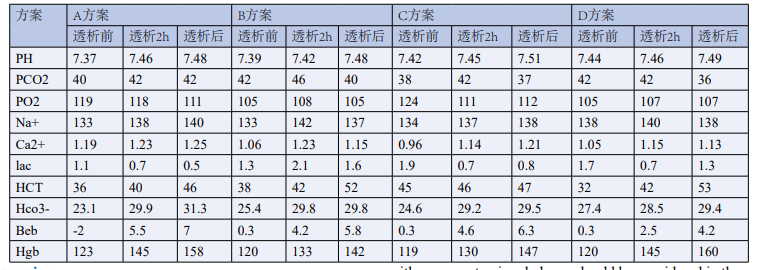
We tried to supplement the fruit on dialysis after obtaining the patient's consent, considering the disadvantages of drug potassi- um supplementation in increasing the additional fluid load and the patient's love for fruit, and dietary lack of cellulose and sub¬sequent constipation of the patient. Treatment schemes: first, the fruit were weighed, and the potassium content and glucose con¬tent were calculated according to the composition exchange ta¬ble [8]. The patient consumed 2/3 portions of fruit at the start of hemodialysis (within 30min) and 1/3 portions of fruit at 2 hours after hemodialysis initiation. Concentrations of serum potassi- um and blood glucose were tested at dialysis initiation, 2h of hemodialysis session (before eating fruit) and post-hemodialysis session, while continuous electrocardiographic monitoring was administered during hemodialysis session. The next fruit intake scheme was adjusted according to the changes in serum potas¬sium and blood glucose of this results. The patient finally tried four schemes for seven courses of experiments, as detailed in
Table 1 Potassium and glucose content of fruits in different schemes
|
Scheme |
Type and amount of fruits |
weight (g) |
Potassium (mg) |
glucose (g) |
Calories (kcal) |
Timing of intake |
|
A |
Banana, 1 |
144 |
368.6 |
28.08 |
133.9 |
30 minutes after hemodialysis initiation |
|
B |
Banana,1.5 |
200 |
512.0 |
39 |
186 |
30 minutes after hemodialysis initiation |
|
C |
Banana, 2 |
289 |
739.8 |
56.36 |
268.8 |
30 minutes after hemodialysis initiation |
|
C |
Banana, 2 |
312 |
798.7 |
60.84 |
290.2 |
30 minutes and 2 hours after hemodialysis initiation |
|
D |
Banana, 2 granulated sugar orange, 4 |
360 |
874.2 |
66.22 |
334.8 |
30 minutes and 2 hours after hemodialysis initiation |
|
D |
Banana, 2 granulated sugar orange, 4 |
340 |
825.4 |
63.66 |
316.2 |
30 minutes and 2 hours after hemodialysis initiation |
|
D |
Banana, 2 granulated sugar orange, 4 |
348 |
842.7 |
64.68 |
323.6 |
30 minutes and 2 hours after hemodialysis initiation |
Too fast sinus rhythm was found in implementation of scheme A and B before the end of hemodialysis. When trying to imple-ment scheme C and D, symptoms and signs of arrhythmias such as chest tightness and palpitations were disappeared. However, scheme C remained with low blood glucose at 2h of hemodialy¬sis. After implementing scheme D, serum potassium, blood glu¬cose and vital signs were the most stable and complications was least. See Tables 2 and 3 for more details. The ECG in Figure 1 shows that normal cardiac rhythm in dialysis through via trying scheme D. Besides, hypokalemia and hypoglycemia of patient were relieved. So, we suggest that patients try to apply scheme D in dialysis session and increase the fruit and vegetable content in the daily diet by soaking and boiling to reduce the potassium content in vegetables and fruits. After one month of follow-up, the hypokalemia and hypoglycemia and discomfort on dialysis of patient disappeared and the constipation symptoms were re¬lieved, thus suspending the oral lactose oral solution.
Table 2 Changes in serum potassium and blood glucose of the patient under different schemes
|
Schemes |
Serum potassium (mmol/L) |
Blood glucose (mmol/L) |
||||
|
T1 |
T2 |
T3 |
T1 |
T2 |
T3 |
|
|
A |
4.81 |
3.67 |
3.15 |
6.25 |
4.13 |
4.21 |
|
B |
5.10 |
3.70 |
3.39 |
7.80 |
4.44 |
4.90 |
|
C |
5.20 |
4.30 |
3.41 |
8.10 |
4.30 |
5.00 |
|
C |
4.90 |
4.00 |
3.63 |
8.83 |
4.70 |
5.50 |
|
D |
5.07 |
3.79 |
3.72 |
7.10 |
5.90 |
6.10 |
|
D |
4.76 |
3.90 |
3.69 |
10.58 |
6.52 |
6.81 |
|
D |
5.10 |
4.43 |
3.73 |
7.50 |
5.93 |
6.65 |
|
T1: pre-hemodialysis; T2: 2 hours after hemodialysis initiation; T3: post-hemodialysis |
||||||
Table 3 Changes in blood pressure and heart rate of the patient under different schemes
|
Schemes |
Blood pressure (mmHg) |
Heart rate (beats per minute) |
Arrhythmia |
||||
|
T1 |
T2 |
T3 |
T1 |
T2 |
T3 |
||
|
A |
130/77 |
109/69 |
133/73 |
76 |
100 |
123 |
Yes |
|
B |
133/69 |
118/66 |
129/71 |
68 |
94 |
114 |
Yes |
|
C |
128/64 |
127/68 |
136/72 |
71 |
88 |
107 |
Yes |
|
C |
134/78 |
116/77 |
144/74 |
62 |
77 |
93 |
No |
|
D |
138/74 |
103/73 |
136/69 |
81 |
87 |
91 |
No |
|
D |
135/75 |
113/66 |
141/72 |
72 |
86 |
81 |
No |
|
D |
135/67 |
123/68 |
130/73 |
72 |
86 |
88 |
No |
|
T1: pre-hemodialysis; T2: 2 hours after hemodialysis initiation; T3: post-hemodialysis |
|||||||
Discussion
As reported, incidence of arrhythmia was 10.2% when serum potassium concentrations were lower than 3.5mmol/L [9]. The differential diagnosis of arrhythmia in this case includes electro-lyte concentration, blood glucose concentration, cardiovascular and cerebrovascular diseases, infection, albumin, hemoglobin, decrease rate of urea, antihypertensive drugs, etc. There was no significant support point except for low serum potassium and coronary heart disease history in dialysis. Moreover, in this case, after potassium supplementation via dialysate and drug during hemodialysis, related symptoms had improved, supporting the diagnosis of hypokalemia, which is the main cause of arrhyth¬mia in patients on dialysis.
At present, prevention of hypokalemia in dialysis mainly treated by dialysate with high concentration of potassium (3.0mmol/L) and intravenous injection of potassium chloride. Reports of fruit intake for hypokalemia during hemodialysis was few. Interna¬tional Society for Renal Nutrition and Metabolism (ISRNM) pointed out meals and supplements during hemodialysis con¬tributing to the improvement of nutritional status, hemodialysis quality and clinical outcome should be considered as a part of the standard-of-care practice for patients without contraindica¬tions [10].
Daily intake of potassium of 2000-2500mg was recommended by the guidelines, and that dietary potassium intake is not asso¬ciated with serum potassium or hyperkalemia [11]. Before limit¬ing dietary potassium intake, patient potassium intake should be carefully evaluated and other potential clinical factors associated with serum potassium balance should be considered in the man¬agement of hyperkalemia [12]. However, 80% of potassium and about 22g glucose in blood are cleared by diffusion, so the in¬cidence of hypoglycemia and hypokalemia is highest at 2 hours after hemodialysis initiation [13, 14]. Since fruit and vegetables are the major source of potassium in human body, we tried to make a safe fruit intake scheme for the patient, which was based on composition table of foods [8, 15]. The fruit was consumed twice in a 2:1 ratio, which can not only prevent hypopotassium and hyposaccharemia during hemodialysis, but also can provide other nutrition from high potassium foods (vitamins, high dietary fiber, etc.) without worry about hyperkalemia. In addition, the biological components of fruit (e. g., vitamins, antioxidants, mi-cronutrients) may have additive and synergistic cardioprotective effects, including reduced oxidative stress and blood pressure, as well as improved lipoprotein profile and insulin sensitivity [5].
In addition, bowel disorders such as constipation are common in MHD patients. And the incidence of constipation in hemo¬dialysis patients was up to 30.5% [16]. Constipation not only aggravate the accumulation of uremia toxins, cause dizziness, anxiety and insomnia, but also increase the risk of malnutrition, cardiovascular and cerebrovascular disease events and hyperka¬lemia [17]. Constipation of patient in this case may be related to lanthanide carbonate, restriction of water and high cellulose food intake. The patient was hospitalized for hyperkalemia after many days of constipation. Therefore, the patient may have had a serum potassium accumulation caused by constipation. Sur¬prisingly, the program we tried using fruit alleviated the patient's constipation symptoms and even stopped laxatives. It may be because fruit provide alkali and fiber in the diet, which may be beneficial to alleviate metabolic acidosis, regulating the internal balance of potassium, and increasing the excretion of potassium in feces [18]. At the same time, the intake of fruit during he¬modialysis treatment satisfied the patient's desire to eat fruit so as to reduce the incidence of hyperkalemia caused by excessive intake of fruit during interdialytic periods. Last but not least, the daily stress related to dietary restriction significantly reduced the patient’s quality of life [19]. The patient can eat fruit like a healthy person, which greatly increases their confidence in life and improves the patient’s quality of life.
In summary, the intake of fruit containing 847mg of potassi¬um and about 64g of glucose during dialysis can not only treat MHD patients with hypokalemic arrhythmia, but also relieve the symptoms of hypoglycemia and even constipation, and improve the quality of life of patients. Considering that there are indi¬vidual differences in hypokalemia arrhythmia in different MHD patients, the patient's condition should be fully evaluated and the risk factors for arrhythmia should be checked before implement¬ing the program. During the implementation of the program, serum potassium should be monitored to ensure that its serum potassium is stable and controllable.
Funding Sources
This study was support by grants from Science and Technolo¬gy Program of Guangzhou, China (202102080292) and Med¬ical Scientific Research Foundation of Guangdong Province (A2021260).
Statement of Ethics
The research was conducted ethically in accordance with the World Medical Association Declaration of Helsinki. The patient gave his consent for publication of the report. The approval let-ter was obtained from the Ethics Committee of the Guangdong Provincial People’s Hospital, Guangdong Academy of Medical Sciences (KY-Q-2021-172-02).
References
- Lin, J., Cheng, Z., Ding, X., & Qian, Q. (2018). Acid-base and electrolyte managements in chronic kidney disease and end-stage renal disease: Case-based discussion. Blood purification, 45(1-3), 179-186.
- Gilligan, S., & Raphael, K. L. (2017). Hyperkalemia and hypokalemia in CKD: prevalence, risk factors, and clinical outcomes. Advances in chronic kidney disease, 24(5), 315-318.
- Cupisti, A., Brunori, G., Di Iorio, B. R., D’Alessandro, C., Pasticci, F., Cosola, C., ... & Gesualdo, L. (2018). Nutritional treatment of advanced CKD: twenty consensus statements. Journal of nephrology, 31, 457-473.
- Hun, H. H., Xue J. L., Shan Y. C., et al. (2020) Pre-dialysis and post-dialysis levels of serum potassium in patients with hemodialysis. J Clin Nephrol, 12, 982-986.
- Alissa, E. M., & Ferns, G. A. (2017). Dietary fruits and vegetables and cardiovascular diseases risk. Critical reviews infood science and nutrition, 57(9), 1950-1962.
- Ozelsancak, R., Micozkadioglu, H., Torun, D., & Tekkaris-maz, N. (2019). Cerebrovascular events in hemodialysispatients; a retrospective observational study. BMC nephrology, 20, 1-7.
- Lim, S. (2007). Approach to hypokalemia. Acta Med Indones, 39(1), 56-64.
- Yang, Y., & Wang, Z. (2018). China food composition tables standard edition. Peking University Medical Press: Beijing, China.
- Yanz, P., Xinzheng, C., Baomei, M., et al. (2015) Clinical study on the types and pathogenic factors of arrhythmia complicated by hemodialysis in patients with chronic renal failure. Chinese Journal of Clinicians, 43, 47-49.
- Kistler, B. M., Benner, D., Burrowes, J. D., Campbell, K. L., Fouque, D., Garibotto, G., ... & Kalantar-Zadeh, K. (2018). Eating during hemodialysis treatment: a consensus statement from the International Society of Renal Nutrition and Metabolism. Journal of renal nutrition, 28(1), 4-12.
- Cano, N., Fiaccadori, E., Tesinsky, P., Toigo, G., Druml, W.E. S. P. E. N. G. U. I. D. E. L. I. N. E. S. E. S. P. E. N.,Kuhlmann, M., ... & Hörl, W. H. (2006). ESPEN guidelines on enteral nutrition: adult renal failure. Clinical Nutrition, 25(2), 295-310.
- Kogika, M. M., de Morais, H. A. (2017). A Quick Reference on Hypokalemia. Vet Clin North Am Small Anim Pract, 47(2), 229-234.
- DE NICOLA, L. U. C. A., Bellizzi, V., Minutolo, R., Cioffi, M., Giannattasio, P., Terracciano, V., ... & Conte, G. (2000). Effect of dialysate sodium concentration on interdialytic increase of potassium. Journal of the American Society of Nephrology, 11(12), 2337-2343.
- Yu, Ge. (2018) Diabetic Nephropathy-Analysis of Blood Glucose Fluctuation in Maintenance Hemodialysis Patients during Dialysis. Qinghai:Qinghai university.
- Aune, D., Giovannucci, E., Boffetta, P., Fadnes, L. T., Keum, N., Norat, T., ... & Tonstad, S. (2017). Fruit and vegetable intake and the risk of cardiovascular disease, total cancer and all-cause mortality—a systematic review and dose-response meta-analysis of prospective studies. International journal of epidemiology, 46(3), 1029-1056.
- Dos Santos, R. G., Scatone, N. K., Malinovski, J., Sczip,A. C., de Oliveira, J. C., Morais, J. G., ... & Nerbass, F. B. (2021). Higher frequency of fruit intake is associated with a lower risk of constipation in hemodialysis patients: a multi-center study. Journal of Renal Nutrition, 31(1), 85-89.
- Yamada, S., & Inaba, M. (2021). Potassium metabolism and management in patients with CKD. Nutrients, 13(6), 1751.
- Ju, S. Y., & Park, Y. K. (2019). Low fruit and vegetable intake is associated with depression among Korean adults in data from the 2014 Korea National Health and Nutrition Examination Survey. Journal of Health, Population and Nutrition, 38, 1-10