

International Journal of Natural Sciences and Interdisciplinary Research(IJNSIR)
ISSN: 3143-1046 | DOI: 10.33140/IJNSIR

Research Article - (2026) Volume 1, Issue 2
Eco-Functional and Antioxidant Profiling of Turnip Leaves (Brassica Rapa L.)

Received Date: Apr 17, 2026 / Accepted Date: May 12, 2026 / Published Date: May 26, 2026
Copyright: ©2026 Nargiza Atakulova. This is an open-access article distributed under the terms of the Creative Commons Attribution License, which permits unrestricted use, distribution, and reproduction in any medium, provided the original author and source are credited.
Citation: Atakulova, N. (2026). Eco-Functional and Antioxidant Profiling of Turnip Leaves (Brassica Rapa L). Int Nat Sci Int Rese, 1(2), 01-06.
Abstract
This study explores the chemical composition and antioxidant activity of Brassica rapa L. turnip leaves, focusing on their ecological and functional relevance for health. The research presents botanical classification, bioactive compound quantification, and the methodology used to determine the content of vitamins and phenolic compounds using HPLC analysis. The leaves were found to contain vitamin B1 (6–7 mg/100g), vitamin PP (2–1 mg/100g), quercetin (5–32 mg/100g), and salicylic acid derivatives (2–31 mg/100g). Antiradical activity was assessed through the DPPH assay, revealing an IC50 value of 349.67 μg/mL, indicating high antioxidant potential. These findings highlight the potential use of turnip leaves—typically discarded as agricultural waste— as a valuable source of natural antioxidants and eco-safe compounds. Given their ability to scavenge free radicals, these leaves represent a sustainable, non-toxic alternative for health-supportive products in food, pharmaceutical, and cosmetic applications. This study supports the broader effort to reduce environmental waste by valorizing plant by-products and aligns with green chemistry principles and ecological sustainability goals. The results emphasize the importance of integrating low-impact, plant- based ingredients into circular bioeconomy and preventive health strategies.
Keywords
Brassica Rapa L, Antioxidant Activity, Phenolic Compounds, Assay, Bio-Waste Valorization, Natural Antioxidants, Eco- Functional Ingredients
Introduction
Turnip (Brassica Rapa L.) is a plant grown worldwide and serves as a source of food and bioactive compounds. Many studies have looked at several compounds of turnip or part of the plant [1]. A variety of growth, partial, complete chemistry profile makes it easier to work for nutritional and medicinal purposes. In Uzbekistan, 4 hill varieties of turnip are grown, in which the variety "Namangan" is included in the turnip Sarai, which is most often planted and has the best taste. In higher education, the general concept of macro-and microelements, vitamins and phenol compounds from the leaves of the Namangan variety of turnip grown in Uzbekistan was identified. Information on the first session of the Senate of the Republic of Uzbekistan [2]. The history of this work serves as the basis for the use of each part of the turnip depending on the chemistry left [3].
Turnip (Brassica Rapa) has been working in folk medicine and traditional medicine since ancient times. Its roots, leaves, and wars are a child with different substances of the kind that are users of the human organization. Turnip contains a high content of vitamin C, which has stimulated immunity and increased the ability of the organization to fight infections [4].
Antioxidant properties protect cells from the damage caused by free radicals. Turnip is a child to flavonoids and glucosinolates, which reduce inflammation. Useful in diseases such as arthritis and rheumatism. The fibers in the turnip tarp improve digestion, support the internal microflora and relieve constipation. Stimulates bile secretion-like and increases liver activity [3]. Turnip helped to transplant Tarky potassium and supported the cardiovascular system. As a natural diuretic, it releases more salt and saliva from the organization. The glycemic index of turnip is past, which helps to control the absorption of sugar inside. Contains phytochemicals with antidiabetic properties. Vitamins A and C in turnips are those that keep the skin healthy and stimulate hair growth [5].
Turnip phlegm is used in the treatment of respiratory diseases such as path, bronchi, and asta, having a capricious personality. Compounds such as glucosinolates and isothiocyanates in turnip Tark can help reduce carcinogen [6]. These associations release toxins from the organization. The information on the turnip Tarka soothes and awakens the nervous system. Iron in turnip Tarki helps to raise hemoglobin and treat anemia [7].
Guusje Bonnema-extra-budgetary pension fund under the Ministry of Finance of the Republic of Uzbekistan [8]. Jianjun Zhao is a researcher of the Supreme Assembly of the Republic of Uzbekistan, who has done scientific work on the genetics and selection of turnip [9]. Niccolo Bassetti is a member of the Legislative Assembly of the Republic of Uzbekistan, people's deputies on campaigning for regional, district and municipal councils (2015). Stefan Petrasch-events to the Legislative Chamber of the Supreme Assembly of the Republic of Uzbekistan, Regional, District and city councils of people's deputies (2022). Ningwen Zhang was the first sitting of the Legislative Assembly of the Republic of Uzbekistan. The work of these scientists was instrumental in increasing scientific knowledge of the genetics, biochemistry and physiology of turnip [10].
There are scientific works on turnip (Brassica rapa), but they are sufficiently advanced in relation to one path of information, while the possibilities for scientific research are still open to management [11]. Information about the genetic diversity of turnip, Hosan, varieties and climate adaptation has been carried out in scientific research [12]. There is complete information about the vitamins, minerals and phytochemical composition of turnip (for example, glucosinolates and flavonoids). Research on the antioxidant, anti-flare, and immune-strengthening properties of turnip is common. Data for turnip diabetes, high blood pressure and cardiovascular disease [13].
Research on the effective use of turnip leaves, bark and other protrusions is limited. For example, their use in the production of bioactive substances or bioplastics has been little studied. Research on the creation of resistant varieties of turnip for construction and ball supply is not reliable. Research on the definition of turnip for anti-flare, anticorsinogen (cancer acquisition), and internal microflora is limited. The importance of turnip as a biological pesticide, soil restoration and ecological agriculture has not been fully studied. There is little research on the possibility of using natural extracts from turnips in medicines or cosmetic products. Although a large number of scientific works have been carried out on turnips, waste processing, extreme cooperative adaptation, medicinal properties and other application options are still not available. These areas provide great opportunities for new research.
Methods
Experience 1: The elimination Solutions of vitamins C (CAS 50-81-7), B1 (CAS 59-43-8), B6 (CAS 58-56-0), B3 (CAS 59-67- 6), B12 (CAS 68-19-9), and PP (CAS 98-92-0) are prepared by dissolving 50 ml of 0.1 N solution of 5 mg of each vitamin (100 mg/l). Standard solutions of vitamins B2 (CAS 83-88-5) and B9 (CAS 59-30-3) were prepared by dissolving 5 mg of these vitamins in a 50 ml 0.025% sodium hydroxide solution. The initial B1, B6, B3, B12 and B9 were then removed from the vitamins by 200 µL, and a solution was prepared with a concentration of each vitamin of 14.286 mg/L. Thus, standard solutions from 7.143, 3.571, and 1.786 mg/l were prepared. Standard solutions of vitamin C with concentrations of 286, 143, 71.5, and 57.2 mg/l were also prepared.
Pure water was used for a concentration of 0 mg/l to construct a calibrating graph in Table 1.
Experience 2: Standard solutions' preparation. Gallic acid (5.2 mg), salicylic acid (5.2 mg), rutin (5 mg), quercetin (5 mg), apigenin (5 mg), and Kempferol (5 mg) were dissolved in 96% ethanol in an ultrasonic bath for 20 minutes and transferred to a 50 ml flask and delivered to the line with ethanol. From each solution, a total of 4 different solutions were prepared, taking 200 µL and mixing them by peeling. Each solution was poured into the vial and used for analysis. Plant extract preparation. For the extraction of phenolic compounds, 1 g of the sample examined was pulled at an accuracy of 0.01 g on the NV222 brand scale produced by the OHAUS Company (USA), placed in a conical flask with a volume of 50 ml, and 25 ml of 96% ethanol was added. The mixture was extracted for 20 minutes in a GT SONIC-D3 (Chinese) branded ultrasonic bath at a temperature of 60°C. The mixture was then cooled and filtered and brought to 25 ml with ethanol in a measuring flask. The amount of 1.5 ml of the extract is 7000 ayl in a mini-7 brand (BIOBASE, China) centrifuge. / min was centrifuged at speed and filtered in a 0.45 µm screw filter and used for analysis.
Experience 3: Discoloration of a purple 2,2-diphenyl-1-picrylhydrazyl (DPPH) solution makes it possible to detect the presence of a hydrogen atom or some pure antioxidant compounds with electron-giving properties. Stable DPPH• is a reagent used in spectrophotometric analysis [8]. In this experiment, Blois [9] method implemented by the DPPH• method for assessing the nature of free radical thinning was used with minor modifications [8]. A 0.812 mM DPPH• solution was prepared in ethanol in a measuring flask with a volume of 100 ml, wrapped in aluminum paper and stored in a dark place at room temperature for 30 minutes. Quartz with a volume of 4 ml was placed in a spectrophotometer by adding 3 ml of DPPH solution and 200 MCL of ethanol (empty sample) to the cuvette, and light absorption (D1) at a wavelength of 517 nm every 10 seconds for 10 minutes was measured in the K7000 spectrophotometer produced by YOKE (China). To assess the antiradicality nature of the sample, a sample of 50, 100, 150, 200 MCL was mixed with a 3 ml DPPH solution to measure light absorption (D2) at 517 nm in the order above. Ethanol was added to the rest to bring the total volume of the solution in the cuvette to 3.2 ml. The antiradicality property of the samples was calculated by the following (1) formula:

The results obtained were given in the following table (Table 1.).
Results and Discussion
Vitamins and Reviews
Based on the total results obtained by the turnip leaf extract chromatogram (figures 1-2), the amount of vitamins left by 100 g of leaves is calculated in Table 1.

Figure 1: Determination of Vitamins in the Leaves of Turnip Leaf Extract Chromatogram
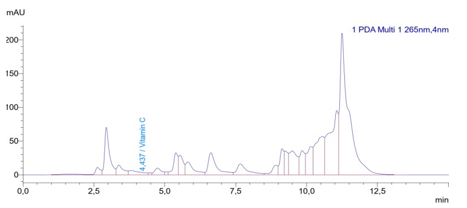
Figure 2: Chromatogram to Determine the Amount of Vitamin C in the Leaves of the Turnip Leaf Extract
|
Vitamin |
Intake time, sec |
Concentration, mg / l |
100 g sample quantity, mg |
|
Vitamin B1 |
2,928 |
26,922 |
67,305 |
|
Vitamin B3 |
5,821 |
6,198 |
15,495 |
|
Vitamin PP |
7,646 |
8,465 |
21,163 |
|
Vitamin B9 |
17,049 |
4,28 |
10,700 |
|
Vitamin B2 |
18,789 |
1,745 |
4,363 |
|
Vitamin B6 |
6,357 |
0,092 |
0,230 |
|
Vitamin B12 |
Detected |
0 |
0,000 |
|
Vitamin C |
4,437 |
0,946 |
2,365 |
Table 1: Extract in Turnip Leaf is the Amount of Vitamins and the Time of Capture
Table 1 shows that 100 g turnip Leaf was found to contain high amounts of vitamin B1 67.3 mg, vitamin B3 15.5 mg, vitamin PP 21.1 mg, and vitamin B9 10.7 mg. Vitamin C was found to be 2.4 mg and vitamin B6 was found to be 0.23 mg, Low.
Thiamine, one of the vitamins of Group B, has important functions for Tashkent. The most common disease caused by thiamine deficiency is beriberi. To get thiamine deficiency, vitamin B1 products need Daily addition and desire. Vitamin B1 is a vitamin that has been used to add and develop, and is responsible for cell function. Its main function is the conversion of energy, which recognizes the desired self-food. Other B vitamins and vitamin C are water-soluble vitamins. Resistant to hot temperatures. The reason why there is no thiamine Reserve in Tashkent is that it should be taken from everyday products. The daily intake of thiamine target is 1.2 mg for men and 1.1 mg for women (Ren YJ, Zhao ML, Han R., 2021).
Vitamin PP (also called niacin or vitamin B3) is very important for the human body and plays the main role in maintaining metabolic processes and general health. Vitamin PP is involved in metabolic processes in cells, ensuring the release of energy from food. Niacin protects the nervous system, improves the processes of signal transmission.Helps with Stress and mental health problems (depression and irritability). Maintains the elasticity of blood vessels and prevents atherosclerosis. Provides the activity of important enzymes in the digestion process.Helps the intestines to function better. Helps skin cells recover and keeps the skin in a healthy state. Vitamin PP deficiency can cause very serious problems. Exposure to sunlight skin redness, and rash formation. Digestive problems.Mental disorder and memory loss. The daily requirement of vitamin PP is 6-12 mg in children, 14 mg in women, 16 mg in men, 18 mg in pregnant women and 17 mg in lactating women. The Daily need is usually covered by a balanced diet (Yang J, Lou J, Zhong W, Li Y, He Y, Su S, Chen X, Zhu B., 2023).
Results and Analysis of Certain Phenolic Compounds
A chromatogram of a sample extract with a mass of 1 g was taken (Figure 3), and based on the results, the amounts of phenol compounds in a sample of 100 g were calculated with the formula below and quoted in Tables 2.

Figure 3: Chromatogram for the Identification of Polyphenols in the Leaves of Turnip Leaf Extract
|
Phenol Association name |
Dating time, sec |
Concentration, mg/l |
100 g sample quantity, mg |
|
Gallic acid |
Detected |
0 |
0,000 |
|
Rutin |
19,28 |
8,818 |
22,045 |
|
Salicylic acid |
22,225 |
92,379 |
230,948 |
|
Quercetine |
25,195 |
213,062 |
532,655 |
|
Apigenin |
27,675 |
6,347 |
15,868 |
|
Kaempferol |
Detected |
0 |
0,000 |
Table 2: Turnip Leaf Extract, the Purpose and Capture the Times of Polyphenols
Figure 3 gave the chromatogram for the determination of polyphenols in the extract of turnip leaf and the amount and capture Times of polyphenols in Table 2. It can be seen from this that the turnip Leaf was found to contain 100 g of quercetin 532.6 mg, salicylic acid 230.9 mg, rutin 22 mg, apigenin 15.9 mg in large quantities, and that kempferol and gallic acid were absent. The effect of quercetin on human health is positive in many ways. It has antioxidant properties that reduce inflammation, improve cardiovascular health and, according to some studies, can help prevent the development of cancer. Quercetin can also reduce allergic reactions and support the immune system (Ruan J., Gerendás J., Härdter R., Sattelmacher B., 2007 ).
Apigenin, on the other hand, is a natural flavonoid and is found in many plants, including parsley, celery, chamomile and other greens. It has several beneficial properties for health, including antioxidant, anti-inflammatory, and anticancer effects. Apigenin protects cells from free radicals and oxidative stress. This process helps to slow down the processes of cardiovascular disease and aging. It can prevent chronic inflammatory-related diseases by suppressing inflammatory mediators, such as arthritis and asthma. Apigenin inhibits the growth and proliferation of cancer cells. It has been found to be particularly active against breast, ovarian, prostate and lung cancer. Apigenin has neuroprotective properties that reduce the risk of nervous system diseases such as Alzheimer's. In addition, it can have a calming effect and improve sleep quality. Apigenin interacts with estrogen receptors in women to help maintain hormonal balance and reduce symptoms during menopause (Li Y., Xu Z., Chen X., Zhu B., Liu T., Yang J.,2023 ).
Determination of Antiradical Activity
To calculate the thinning concentration of the sample to 50% of IC50 – DPPH solution, the following graph was compiled in each experiment based on the values of 10-minute absorption (D2) and antiradicality activities (AA%) and calculated based on the trend line function transferred to it.
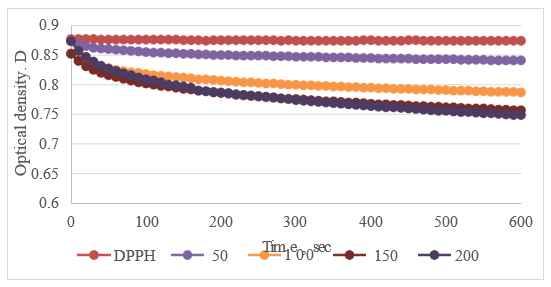
Figure 4: Brassica Rapa L. Leaf Representation of Measured Light Absorption of Loose and Examined Sample Solutions Added to the DPPH Solution
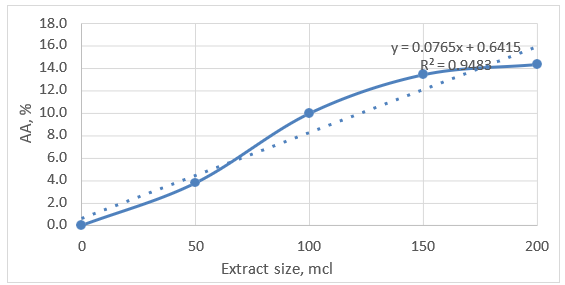
Figure 5: Brassica Rapa L. Leaf on the Mesh of AA% s and Volumes Determined in the 10th Minute of the Sample
The trend line transferred to the graph was calculated from the function (2) formula y=mx+b to 50% AA% manifesting volume (IC50) X=(y-b)/M:

In place of the conclusion, it can be said that sample 1 exhibits antiradicality activity, in particular, its IC50 value was found to be 645.2 mcl.
Concepts
This article provides information on the botanical classification, distribution, methodology, and quantities of the leaf of the Namangan variety Brassica rapa L. of turnip, which is planted in Uzbekistan. Due to the consumption of plant parts as food, State Standard requirements were developed by the Ministry of Health. In this regard, great attention is paid to the amount of ash, the amount of moisture in their vital nutritional composition (minerals, fiber, vitamins, phenolic compounds and antioxidants). In particular, due to the presence of phytochemicals with various beneficial properties, the consumption of turnip leaves provides health care with its natural medicinal value. Calcium and potassium were found to be the most abundant mineral in the first annual leaves.
Quercetin and apigenin were high in the overall flavonoid level in the leaves. The high content of water-soluble vitamins in vitamins stimulates vitamins that enter from the outside and satisfies the Daily need. It is now considered rich enough to naturally store food, avoid artificial additives, and thus add turnip leaf to the ranks of functional products to contribute to the optimization of the production of new products. In place of the conclusion, it can be said that Brassica rapa L. of was consumed. In scientific sources, Brassica rapa L. was found to be more in the Leaf part than in the fruit. We know that vitamins and flavonoids are considered to have a high resistance to radicals. With this in mind, Brassica rapa L. the antiradical activity of the Leaf was determined and analyzed by the 2,2-diphenyl-1-picrylhydrazyl (DPPH) method. Studies show that Brassica rapa L. to calculate the thinning concentration of leaf up to 50% of IC50 – DPPH solution, 10-minute absorption was calculated in each experiment, at a concentration of 50-200 MCL, and based on values of antiradicality activities. This includes radishes grown in Uzbekistan Brassica rapa L. exhibits antiradical activity of its Leaf, in particular, its IC50 value is 645.2 mcl. That is Brassica rapa L. indicates that the Leaf has antiradical activity. The fact that it is important for Human Health suggests that there are many disease prevention and treatment disorders.
References
- Aldahak, L., Salem, K. F., Al-Salim, S. H., Al-Khayri, J. M., Okamoto, T., Wei, X., Miyaji, N. (2021). Advances in plant breeding strategies: vegetable crops. Pp. 345-405. Volume 8: bulb, root, and root.
- Asqarov, I. R., Muminzhonov, M. M., Atakulova N. B.. Chemical composition and medical properties of watermelon fruit. Scientific newsletter.- Fergana, 2022. -1.78-82B.
- Bonnema, G., Lee, J. G., Shuhang, W., Lagarrigue, D., Bucher, J., Wehrens, R., Beekwilder, J. (2019). Glucosinolate variability between turnip organs during development. PloS one, 14(6), e0217862.
- Asqarov, I. R., Atakulova, N. B., Anvarova, M. M. (2022). Plasma index garden determination of macro-and microelements of watermelon wars of the "sweet" variety by the method of mass spectrometry (ISP-MS). Journal of commodity chemistry and traditional medicine 2022. 1(5), 114–122.
- Ruan, J., Gerendás, J., Härdter, R., Sattelmacher, B. (2007). Effect of nitrogen form and root-zone pH on growth and nitrogen uptake of tea (Camellia sinensis) plants. Annals of botany, 99(2), 301-310.
- Kowalska, H., WoÃÂ?ºniak, ÃÂ?ÂÂ., Masiarz, E., Stelmach, A., Salamon, A., Kowalska, J., Marzec, A. (2020). The impact of using polyols as osmotic agents on mass exchange during osmotic dehydration and their content in osmodehydrated and dried apples. Drying Technology, 38(12), 1620-1631.
- Asqarov I. R. (2021). Mystery Medicine, Tashkent, 3-100B.
- Mitreiter, S., Gigolashvili, T. (2021). Regulation of glucosinolate biosynthesis. Journal of Experimental Botany, 72(1), 70-91.
- Cámara-Martos, F., Obregón-Cano, S., Mesa-Plata, O., Cartea-González, M. E., de Haro-Bailón, A. (2021). Quantification and in vitro bioaccessibility of glucosinolates and trace elements in Brassicaceae leafy vegetables. Food Chemistry, 339,127860.
- Cai, C., Guo, Z., Chang, X., Li, Z., Wu, F., He, J., Tan, Y.(2022). Empagliflozin attenuates cardiac microvascular ischemia/reperfusion through activating the AMPKα1/ULK1/ FUNDC1/mitophagy pathway. Redox Biology, 52, 102288.
- Ren, Y. J., Zhao, M. L., Han, R. (2021). hor xil Brassica rapaL. analysis and evaluation of the nutritional components of ssp. Rapa resources. J. Chin. Inst. Fans of self-food. Technol. 2021;21:159–173.
- Wang, B., Li, N., Huang, S., Hu, J., Wang, Q., Tang, Y., Yu,Q. (2021). Enhanced soluble sugar content in tomato fruit using CRISPR/Cas9-mediated SlINVINH1 and SlVPE5 gene editing. PeerJ, 9, e12478.
- Gharibzahedi, S. M. T., Jafari, S. M. (2017). The importance of minerals in human nutrition: Bioavailability, food fortification, processing effects and nanoencapsulation. Trends in food science & technology, 62, 119-132.
- Li, Y., Hu, Z., Chen, X., Zhu, B., Liu, T., Yang, J. (2023).Nutritional composition and antioxidant activity of Gonostegia hirta: An underexploited, potentially edible, wild plant. Plants, 12(4), 875.
- Askarov, I. R., Abdullaev, S. S., Mamatkulova, S. A., Abdulloev, O. S., & Abdulloev, S. K. (2024). Development of a Method for Determining the Amount of Water-Soluble Vitamins Using the Hplc Method (Using The Example of Jujube). Scientific journal of the Fergana State University, (5), 61-61.
- Thiruvengadam, M., & Chung, I. M. (2015). Selenium, putrescine, and cadmium influence health-promoting phytochemicals and molecular-level effects on turnip (Brassica rapa ssp. rapa). Food chemistry, 173, 185-193.
- Rana, A., Samtiya, M., Dhewa, T., Mishra, V., & Aluko, R.E. (2022). Health benefits of polyphenols: A concise review. Journal of food biochemistry, 46(10), e14264.
- Sánchez-Rangel, J. C., Benavides, J., Heredia, J. B., Cisneros-Zevallos, L., & Jacobo-Velázquez, D. A. (2013). The Folin–Ciocalteu assay revisited: improvement of its specificity for total phenolic content determination. Analytical methods, 5(21), 5990-5999.
- Shraim, A. M., Ahmed, T. A., Rahman, M. M., & Hijji, Y. M. (2021). Determination of total flavonoid content by aluminum chloride assay: A critical evaluation. Lwt, 150, 111932.
- Krumbein, A., Schonhof, I., Schreiner, M. (2005). Composition and contents of phytochemicals (glucosinolates, carotenoids and chlorophylls) and ascorbic acid in selected Brassica species (B. juncea, B. rapa subsp. nipposinica var. chinoleifera, B. rapa subsp. chinensis and B. rapa subsp. rapa). J. Appl. Bot. Quality of food. 2005;79:168–174.
- Singh, M., Nara, U., Rani, N., Pathak, D., Kaur, K., Sangha,M. K. (2023). Comparison of mineral composition in microgreens and mature leaves of celery (Apium graveolens L.). Biological Trace Element Research, 201(8), 4156-4166.
- Liu, D., Ma, L., Zhou, Z., Liang, Q., Xie, Q., Ou, K., ... & Su,Y. (2021). Starch and mineral element accumulation during root tuber expansion period of Pueraria thomsonii Benth. Food Chemistry, 343, 128445.
- Nieder, R., Benbi, D. K., & Reichl, F. X. (2018). Soil components and human health. pp. 317-374.
- Dejanovic, G. M., Asllanaj, E., Gamba, M., Raguindin, P. F., Itodo, O. A., Minder, B., Kern, H. (2021). Phytochemical characterization of turnip greens (Brassica rapa ssp. rapa): A systematic review. PloS one, 16(2), e0247032.
- Cartea, M. E., de Haro, A., Obregón, S., Soengas, P., Velasco P. (2012). Glucosinolate variation in leaves of Brassica rapa crops. Plant Foods for Human Nutrition, 67(3), 283-288.