

Journal of Clinical Review & Case Reports(JCRC)
ISSN: 2573-9565 | DOI: 10.33140/JCRC
Impact Factor: 1.823


Research Article - (2026) Volume 11, Issue 6
Dissolved Oxygen Levels in Drinking Water and Priorities for a Pandemic-Resilient Future
Received Date: Apr 29, 2026 / Accepted Date: Jun 04, 2026 / Published Date: Jun 15, 2025
Copyright: ©Copyright: ©2026 Arturo Solís Herrera, et al. This is an open-access article distributed under the terms of the Creative Commons Attribution License, which permits unrestricted use, distribution, and reproduction in any medium, provided the original author and source are credited.
Citation: Herrera, A,S., Esparza, M.C.A. (2025). Dissolved Oxygen Levels in Drinking Water and Priorities for a Pandemic-Resilient Future. J Clin Rev Case Rep, 11(6), 01-07.
Abstract
Waterborne diseases are prevalent in many parts of the world and pose a major health risk for human populations. This occurs particularly in developing countries lacking sanitary infrastructures and relying on the use of untreated surface waters as drinking waters.
60% of the world population does not have access to reliable sanitation, 30% do not have access to safe drinking water, and about two billion people consume water from sources contaminated with fecal matter. The consumption of water from such sources has been associated with the occurrence of diseases such as diarrhea, cholera, hepatitis A, typhoid fever, polio, and probably Ebola y Hanta virus.
The 2026 GPMB report, A World on the edge: Priorities for a Pandemic-Resilient Future argues that infectious outbreaks are becoming more frequent and damaging, as societies have lost resilience from crises such as Ebola, COVID-19 and monkeypox. This report uses the GPMB Monitoring Framework to assess how the impacts of the six new Public Health Emergencies of International Concern (PHEICs) of the past decade have evolved and identifies the areas where they are now most acute. To rebuild trust and advance equity, the world requires independent pandemic risk monitoring, equitable access to countermeasures, and sustainable financing, enabled by sustained political attention.
Keywords
Dissolved oxygen levels, Drinking water quality, Ebola virus, Human health, Pollution, Waterborne diseases
Introduction
The Global Preparedness Monitoring Board (GPMB) was established in 2018 following the devastating 2014–2016 West Africa Ebola epidemic, to assess global preparedness and drive reforms to make the world safer from health emergencies. Ten years after the end of the epidemic, the world has shifted profoundly, becoming more volatile, uncertain, complex, and ambiguous (VUCA). The decade has been marked by successive public health crises, most notably the COVID-19 pandemic, which triggered the deadliest pandemic since 1918, the sharpest global economic contraction since the Great Depression, and the most far-reaching disruption since World War II. COVID-19 was not an isolated event, but the result of converging global trends that are driving increased pandemic risk, including climate change, ecological disruption, increased mobility, and armed conflict [1]. In March 2014, an outbreak of Ebola Virus Disease (EVD) began in Guinea. It spread to Liberia in the same month and to Sierra Leone a month later. An EVD outbreak that began in Nigeria in July was contained in August. In that same month, a case was detected and contained in Senegal.
A common factor in the countries affected by the current outbreak of the Ebola virus is the low levels of dissolved oxygen in the water that the population uses for drinking, cooking, cleaning, in industries, etc. Therefore, raising these levels of dissolved oxygen is imperative, rather than thinking about superviruses, or vaccines developed quickly without taking proper precautions, or worst immunogenic therapy.
Dissolved Oxygen Levels in Guinea´s Drinking Water Guinea, like other developing countries, is not immune to the problems of non-sanitation of wastewater. Indeed, most buildings are not connected to sanitation networks and directly discharge domestic wastewater into septic tanks or into courtyards, rivers, and lakes [2]. Currently and for many years, the situation of Lake Sonfonia has become an illegal dump, and all liquid waste and household wastewater are constantly dumped there [3]. Given its advanced level of pollution, it is no longer used as a source of drinking water by the Société des Eaux de Guinée (SEG).
Dissolved Oxygen Levels in Liberia's Drinking Water Access to safe drinking water is a daunting challenge for most residents of sub-Saharan Africa, especially West Africa. Liberia being a West African nation, the availability of safe drinking water is a very serious issue in the water and sanitation and health sector. Montserrado County, one of the political sub-divisions of Liberia in which the capital, Monrovia, is located has been experiencing serious problem with safe drinking. Residents are often compelled to obtain drinking water from several sources including hand-dug wells, bore-holes, public water supply and even local streams.
The physical and chemical qualities permissible drinking water sources, used by residents of Cotton Tree Community located on the Robert’s international Airport highway, the pH, turbidity, Lead, Zinc and Sulfate levels were all below Ministry of Health (MOH) and World Health Organization (WHO) permissible limits. High concentrations of Nitrate, Phosphate and hexavalent Chromium were recorded at all sampling points. Nitrite and Mercury levels were higher than MOH WASH and WHO limits at two points, while Cadmium concentrations were within permissible limits at all points except one. The results obtained in this study indicate that the water from the studied water sources is not suitable for human consumption based on some of the selected parameters and may pose a potential health risk to consumers. There is thus a need for urgent intervention to remedy the situation [4].
Dissolved Oxygen Levels in Sierra Leona's Drinking Water A study that evaluates the physic-chemical quality of drinking water from various sources in Magburaka Town, Tonkolili District, Sierra Leone, to identify potential health risks associated with water consumption. Water samples were collected from five sources, including hand-dug wells, taps, and streams, during a three-month period encompassing the dry and wet seasons. The samples were analyzed for key parameters such as pH, temperature, turbidity, dissolved oxygen, and concentrations of heavy metals and other chemical contaminants. The results highlighted variations in water quality across different sources, with some samples exhibiting parameters outside the acceptable limits set by WHO guidelines. Specifically, concerns were noted regarding elevated levels of heavy metals like lead and zinc, which pose health risks upon prolonged exposure [5].
Dissolved Oxygen Levels in CDR Congo´s Drinking Water Outbreaks of waterborne diseases, such as typhoid fever, hepatitis, and dysenteric diarrhea, have been consistently increasing over the years and severely impinging public health in Kenge City. The population uses river water and groundwater as drinking water and for other domestic uses. A drinking water quality assessment was conducted in the municipality. Physicochemical and bacteriological analyses of water, including the determination of T, pH, electrical conductivity, O2, total dissolved solids (TDS), soluble ions, were carried out on 20 water samples collected in the Soussa and Maniéka Rivers, in Kikobo spring, and in two water boreholes, which are the main drinking water supply sources for the municipality. Samples from tap water distributed by the public water company were analyzed also. The results of this assessment revealed that T, pH, O2, and TDS in water during both the dry and wet seasons generally exceeded the limits set by WHO for drinking water quality. Escherichia coli and Enterococcus were observed in groundwater samples from boreholes and from the Kikobo spring, while total coliforms were identified in all samples, including those from the public water distribution network. These results explained the increasing trends of waterborne diseases observed in the region [6]. The east of the African country is affected by multiple challenges: conflict, displacement, hunger, insecurity and children caught in the crossfire of overlapping crises. This outbreak is not occurring in isolation. It is being developed in a province that is already at the limit of its capacity.
Ituri is home to more than 900,000 internally displaced people, many of whom live in overcrowded camps where clean water is scarce and access to health care is limited. For children, the risks are especially serious. Years of conflict have weakened community systems and acute malnutrition has left many young bodies too fragile to withstand a virus as aggressive as Ebola. This outbreak is not occurring in isolation. It is being developed in a province that is already at the limit of its capacity.
The BVD strain, detected in Uganda and DRC in 2007 and 2012, kills between 30% and 50% of the people it infects. The World Health Organization has declared the outbreak a Public Health Emergency of International Concern. Between 2018 and 2020, North Kivu and Ituri were the scene of the worst Ebola outbreak in DRC's history, killing 2,299 people.
Dissolved Oxygen Levels in Nigeria´s Drinking Water An investigation on the bacteriological and physic-chemical properties of stored household drinking water in Ado-Ekiti, Nigeria was carried out between April and October 2008. The drinking water sources considered for examination were harvested rainwater, tap water and well-water stored in plastic water pots for 2 to 4 days. The waterborne pathogens in the samples that were isolated were characterized by antibiotic resistance. Estimation of bacterial loads in the water samples revealed mean total bacterial count (TBC) of 1.17 × 10⁵, 1.30 × 10⁴ and 9.70 × 10⁴ cfu/ml for rainwater, tap water and well water respectively. The meantotal coliform count (TCC) was recorded as 1.57 × 10⁶, 7.40 × 10⁵ and 5.70 × 10⁵ cfu/ml for rainwater, tap water and well water respectively.
Seven bacteria genera comprising Escherichia (41.7%), Shigella (75%), Klebsiella (33.3%), Pseudomonas (25%), Staphylococcus (25%), Streptococcus (50%) and Enterococcus (20%) were isolated from stored rainwater. Three genera comprising Escherichia coli (8.3%), Staphylococcus (25%) and Pseudomonas (75%) were isolated from stored tap water.
In well water samples, nine genera comprising Escherichia (50%), Salmonella (100%) Enterococcus (80%) and Shigella (25%) Proteus (100%) Serratia (100%), Klebsiella (66.6%), Staphylococcus (50%) and Streptococcus (50%) were isolated.
Since almost anything that falls into the water decreases the important levels of dissolved oxygen, drinking water in Nigeria does not meet WHO standards.
Dissolved Oxygen Levels in Uganda´s Drinking Water Cholera is a major cause of ill-health in Africa and Uganda. This study aimed to determine the physicochemical characteristics of the surface and spring water in cholera endemic communities of Uganda to promote access to safe drinking water.
A longitudinal study was carried out between February 2015 and January 2016 in cholera prone communities of Uganda. Surface and spring water used for domestic purposes including drinking from 27 sites (lakes, rivers, irrigation canal, springs and ponds) were tested monthly to determine the vital physicochemical parameters, namely pH, temperature, dissolved oxygen, conductivity and turbidity.
Overall, 318 water samples were tested. Twenty-six percent (36/135) of the tested samples had meant test results that were outside the World Health Organization (WHO) recommended drinking water range. All sites (100%, 27/27) had mean water turbidity values greater than the WHO drinking water recommended standards and the temperature of above 17°C. In addition, 27% (3/11) of the lake sites and 2/5 of the ponds had pH and dissolved oxygen respectively outside the WHO recommended range of 6.5–8.5 for pH and less than 5mg/L for dissolved oxygen. These physicochemical conditions were ideal for survival of Vibrio. Cholerae [7].
The nature and content of chemical substances affect life in groundwater but also affect the health of individuals consuming this water [8]. Naturally, groundwater contains some impurities, even if it is unaffected by human activities. The types and concentration of natural impurities depend on the nature of geological material through which groundwater moves and the quality of recharge. As reported by Brandi et al. (2006), groundwater moves through sedimentary rocks and soil and picks up a wide range of compounds such as Magnesium, Calcium and Chlorides.
The world is now on the edge — a further fracturing of public trust and rupturing of the collective action needed to address inequities, will leave all countries even more deeply exposed to the grave, inevitable health, social and economic impacts witnessed in the last pandemic [9].
The west Africa Ebola disease epidemic (2014-16) marked a historic change of course for patient care during emerging infectious disease outbreaks. The epidemic response was a failure in many ways-a slow, cumbersome, and disjointed effort by a global architecture that was not fit for purpose for a rapidly spreading outbreak. In the most affected countries, health-care workers and other responders felt helpless dealing with an overwhelming number of patients but with few, if any, tools at their disposal to provide high-quality care. These inadequacies, however, must lead to attention and innovation [10].
Epidemic Outbreaks on Cruise Ships Infectious outbreaks on cruise ships are not due to chance, but to the poor quality of 50 tons per week in average of drinking water that is distributed to both crew and passengers. The strict regulations on the ships, both military and tourist, only apply to the construction of the huge ships, but during their regular operation, they are not required to carry out regular tests of the drinking water they use. Below, we transcribe some paragraphs of these regulations.
The National Primary Drinking Water Regulations (NPDWR) are adopted as the afloat water quality standards for maximum contaminant levels (MCLs) for organic chemicals; inorganic chemicals; disinfection byproducts; residual disinfectant levels; and radio nuclides. However, neither routine nor periodic testing of ship water quality to these water quality standards is required for vessels [11]. These standards are used to influence the material choices for design and maintenance of ship potable water systems. After completion of new construction and maintenance, these standards are used as performance standards to establish disinfection and residual disinfectant compliance of the potable water systems.
In ships, Potable water to be used in the preparation of food and drinks must ONLY be obtained from cold water faucets. It is never acceptable to use potable water from hot water faucets for food or drink preparation. Water from hot water faucets is not subject to monitoring or surveillance.
Furthermore, Potable water for ships must be obtained only from approved water sources and water suppliers that provide potable water of a quality that meets or exceeds the National Primary Drinking Water Regulations (NPDWR) (40 CFR 141 and 142) and National Secondary Drinking Water Regulations (NSDWR) (40 CFR 143) if applicable, specifically for microbial, chemical, physical, and radiological requirements. Great care must be taken in all operations and procedures associated with ship potable water and potable water systems to avoid the introduction of contaminants. Contamination may occur during production, handling, storage, or distribution of ship potable water.
Ships are designed to have desalination production and freshwater storage capacity capable of providing 40 gallons per person, which include ship’s company and all embarked personnel, per day. This capacity does not include non-habitability requirements. Although ship potable water production and treatment are an engineering department responsibility, medical department personnel should understand the systems and processes involved to enable them to provide public health surveillance and make appropriate recommendations.
Operational engineering oversight of shipboard water plants during water production, and the inspection and approval of ashore water sources are precautions necessary to protect the ship’s potable water storage and distribution system from contamination to assure a safe water supply. Many points of possible contamination exist within the ship and may contribute to a waterborne illness or disease outbreak. Therefore, regardless of the source of the water, there must be vigilant surveillance by all crew members to assure adequate protection of the potable water supply from subsequent contamination.
Potable water is used aboard ships for services that support decontamination and marine sanitation device (MSD) flushing. Cross-connections between potable water and non-potable water services present an acute health risk and are not permitted without approved backflow prevention devices. The use of seawater in food services spaces, including sculleries, is prohibited and seawater outlets in these spaces must be removed. The dangers of cross-connections and using polluted water cannot be overemphasized. Cross connections between the potable water and seawater or other systems in food service spaces are not permitted.
Water Quality Standards
1. Physical Water Quality. Drinking water should be clear, colorless, and odorless. It should contain no sediment or other suspended matter. Pure water has no taste or odor. Tap water that has been treated has a mild scent and slight taste of the disinfectant used in the potable water system. It may also have other discernable tastes and odors from minerals, sulfur, and treatment compounds that do not affect water quality.
2. Salinity (chloride content) a. The chloride content of water from a desalination plant should be at or below 0.065 equivalent per million (EPM), 0.25 grains of sea salt per gallon or less than 2.3 parts per million (ppm) (milligram per liter (mg/L)). Salinity testing is conducted by the engineering department on shipproduced water. b. If the chloride level of potable water exceeds those of water produced by the desalination plant, or initial levels in potable water obtained from shore sources, contamination of potable water by seawater should be suspected. Appropriate action, including investigation, repair, cleaning, and disinfecting must be initiated immediately.
3. Temperature and pH a. The optimal pH range for a drinking water distribution system is 6.5 to 8.5. b. Variations in the temperature and pH of water may affect treatment or disinfection procedures. Halogen disinfectants are more effective at lower pH and warmer temperatures. Water with pH levels > 8.5 will adversely affect the disinfectant properties of chlorine and bromine.
The Captain, Master, (hereafter referred to as CO) or other applicable party responsible for each ship, per reference has responsibility for providing adequate quantities of safe potable water for the crew and passengers [12].
FFHC (Fit for Human Consumption). This is the term used by the U.S. Navy to indicate the water is safe for drinking, cooking, bathing, showering, dishwashing, and maintaining oral hygiene.
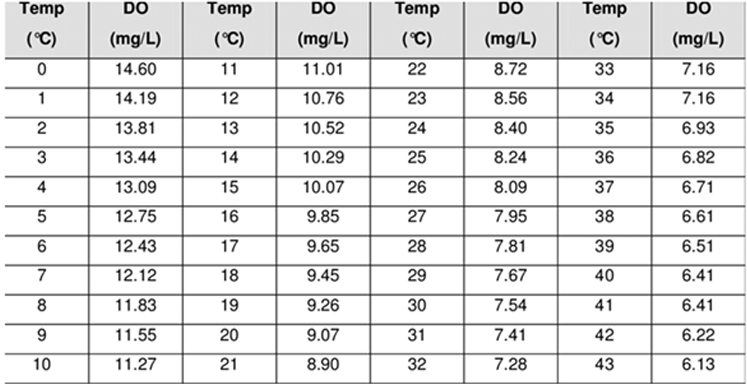
Moreover DO levels increase with increasing water pressure (depth in the water) and decrease with increasing salinity (Dodds 2002). Dissolved oxygen level also varies with the time of the day, season, altitude and rate of flow (Behar 1997). At higher altitudes, streams have less dissolved oxygen. Usally in healthy stream the DO concentrations fluctuate daily: during the day time, the DO levels increase because the photosynthesis predominates over the consumption of oxygen, while during the night the DO concentration decreases because the photosynthetic activities have stopped and respiration, reaeration and other oxygen consuming activities are active (Hauer and Hill).
Flocculant-disinfectant treatment with bleach is effective and acceptable
More than 1 billion people in developing countries lack access to safe water, and 2.2 million die annually of diarrhea. Unfortunately, communities where diarrhea is a leading cause of morbidity and mortality often lack the capacity and the resources to establish and sustain centrally purified water free from sewage.
Contamination of water during collection, transport, and storage at home presents a serious risk to health for millions of households in developing countries. Several studies have shown an increased risk of diarrhea because of inadequate water storage. Regardless of where or how the water is collected, storage vessels with wide openings such as pots or buckets are easily contaminated with feces, through the introduction of cups, dippers, or hands. Water might also be contaminated by flies, cockroaches, and rodents [13].
The Unusual Importance of Dissolved Oxygen Levels (DOL) in Drinking Water
Water is the most abundant resource on earth; however, water scarcity affects more than 40% of people worldwide. Access to safe drinking water is a basic human right and is a United Nations Sustainable Development Goal (SDG). Globally, waterborne diseases such as cholera are responsible for over two million deaths annually. Cholera is a major cause of ill-health in Africa countries as Uganda.
There is one parameter that has been consistently studied but has not been given the paramount importance it has in Biology: dissolved oxygen levels (DOL).
Oxygen is essential for maintenance of life and normal metabolic function in humans but is often overlooked in the management of diseases related to disturbances of metabolism [14]. Numerous disease processes are associated with cellular hypoxia, in particular diabetes mellitus, for which postulated mechanisms include impaired release of oxygen from hemoglobin, slowed hemoglobin oxygen saturation , defective mitochondrial oxidative phosphorylation and impaired insulin signaling [15-19]. Hyperglycemia also exacerbates hypoxia which worsens insulin resistance, induces pancreatic beta-cell dysfunction through oxidative stress, and beta-cell de-differentiation which decreases functional beta-cell mass, resulting in a vicious circle of hypoxia and hyperglycemia [20-23].
Until now, it was believed that the oxygen present inside the cells of our body came from the atmosphere. But with our discovery about the presence of molecules present inside each of our cells, capable of transforming the power of light into chemical energy, through the dissociation of water molecules, present intracellularly, as in plants, it turns out that the oxygen present in each and every one of our cells, comes from ingested water [24].
This indicates that the water with which we have contact (for drinking, personal hygiene, cooking, washing dishes, washing fruits, clothes, cleaning the house, etc.) must have the natural physical-chemical characteristics, so that the intracellular generation of oxygen, It happens as efficiently as it has been since the beginning of time, since the idea that the generation of oxygen leads to the beginning of life and evolution is congruent.
Thus, the generation of oxygen, harmonious with the metabolic requirements of oxygen and hydrogen of the cell, is not only the basis of life, but also of health. But, to date, no attention has been paid to the levels of dissolved oxygen (DOL) in the water supplied to the population, placing greater emphasis on contamination by heavy metals, organic compounds, fertilizers, and agrochemicals in general, thinking that the levels of dissolved oxygen are not of great importance.
So much so, that current potabilization and purification systems are based on removing as much as possible the most common contaminants, but in no region, country or population has there been an attempt to raise dissolved oxygen levels, especially when these are less than 6.5 mg/L.
There is an inverse correlation between the degree of contamination of the water and the levels of dissolved oxygen present in it. The greater the water pollution, the lower the levels of dissolved oxygen and vice versa.
And to date, in any water treatment plant, there is an attempt to reduce the degree of water contamination, but no technique or strategy is carried out to raise the levels of dissolved oxygen, perhaps thinking that by decreasing the degree of contamination of the water, the levels of dissolved oxygen would rise almost automatically. which does not happen in any water-treatment plant.
And the results are obvious, because in the case of the Ebola virus, it has always occurred in the same geographical area, characterized by high water pollution, and therefore, low, very low, or no levels of dissolved oxygen in drinking water. Not to mention that the Ebola virus is a virus that is typical of wild animals, not only bats, and manifests itself in sick animals, which ingested water with low levels of dissolved oxygen; and characteristically, in Ebola endemic areas, it is common for the inhabitants to eat wild animal meat.
So before we shock the population about a viral infection that to date has claimed some 200 lives, let's return to the problem that contaminated water, with low levels of dissolved oxygen, claims the lives of about 2.2 million people every year, not to mention those sick in whom, contaminated water, with low levels of dissolved oxygen, causes chronic diseases, such as diabetes mellitus [25].
It is likely that by remediating water pollution, as well as raising dissolved oxygen levels, in regions affected by the Ebola virus, and in the drinking water of cruise ships, in the case of the Hanta virus, the level of health will improve sufficiently to decrease the incidence and prevalence not only of this and other viruses described.
O2 , the Forgotten Nutrient
O2 is considered essential for the maintenance and growth of living things, like the essentiality of what are classically considered nutrients. Nevertheless, O2 wrongly is not customarily regarded as a nutrient, which reflects the non-probed route by which O2 enters the body, supposedly through the lungs or gills in vertebrates (through entirely theoretical mechanism), rather than via the mouth and gastrointestinal tract (also through entirely theoretical pathways). Commonly, a transient deficiency of O2 occurs at high altitudes and during deep-sea diving, to which distinct adaptations occur. Hypoxia is also described in lung diseases such as emphysema, but it is due to the accumulation of CO2 (hypercapnia), which interferes with the intracellular generation of O2 from the dissociation of the water molecules present inside the cells.
Without O2 , mitochondrial respiration and oxidative phosphorylation cannot take place. At a molecular level, cells seems to adapt to O2 deficiency by switching from oxidative metabolism to anaerobic glycolysis and there are changes in the expression of a multiplicity of genes, driven by hypoxia-sensitive transcription factors, particularly hypoxia-inducible factor-1, but it is likely that the generalized failure is due to the imbalance between H2 and O2 that is generated with the dissociation of intracellular water and the metabolic requirements of the H2 and O2 cells, rather than to the O2 deficiency alone, and even less so when it is intended to explain that this O2 comes from the air that surrounds us. Therefore, it is prudent that O2 should be fully included within the remit of nutritional science alongside the other essential macronutrients, since oxygen (and hydrogen) is used by cells in many ways, it is enough to remember that O2 and H2 are present in 99.99% of the molecules that make us up.
Conclusion
The usual disdain for the very important levels of dissolved oxygen in drinking water that is distributed or available to the population, must be addressed quickly and carefully, even more so since it is already known that eukaryotic and prokaryotic cells have molecules capable of transforming the power of light into chemical energy, through the dissociation of water molecules, also present inside each cell.
All cells and living beings in general do not take oxygen (or hydrogen) from the environment that surrounds them, whether it is air, water, or the subsoil. Rather, they generate it within themselves and are also used by the same cell that produces them.
Therefore, the other water pollutants can take a back seat and focus on raising the levels of dissolved oxygen in the drinking water that is distributed to the population, and in general to all types of water with which it has contact, both humans and animals.
Let's remember that during the recent COVID pandemic, it was believed that people living on the street were going to be the most affected. And the reality was that there was nowhere in the world where they were affected, not even to a minuscule degree. The explanation is that they do not have contact with water with low levels of dissolved oxygen, because they do not wash clothes, do not cook, do not wash dishes, do not wash houses, do not bathe, etc. The only water they have contact with is bottled water, and it's usually the least bad water.
The benefit to society in general will be substantially greater if we quickly and carefully address the increasingly low levels of dissolved oxygen in the different types of existing water, rather than trying to establish heroic measures against viruses, which are not as lethal as we believe, from sick animals because they have been in contact with water with low or very low levels of dissolved oxygen.
Acknowledgement
This work was supported by an unrestricted grant from HumanPhotosynthesis® Research Center. Aguascalientes 20000, México.
There is no conflict of interest to be reported in this work.
References
1. Fleming M. Ebola Survivors Experience Increased Mortality Risk in Year Following Recovery. In: ContagionLive. Cranbury: MJH Life Sciences; 9 September 2019 2. Malouono, M. (2018). Problem of rainwater in the peripheral districts of cities in subSaharan Africa (bibliographical search, 2014). Environmental and Water Sciences. Public Health and Territorial Intelligence Journal, 2(1), 77-85.
3. Komara, M. L., Camara, C. A. T., Bangoura, N. N. K., Bangoura, K., & Traore, S. (2023). Evaluation of the bacteriological pollution of the waters of the Lake of Sonfonia commune of Ratoma (Republic of Guinea) 2021. Journal of Agricultural Chemistry and Environment, 12(2), 142-151.
4. Chea, S. K., Kolawole, J., Campbell, G., Sumo, F., & Ngumbu, R. (2017). ANALYSIS OF SELECTED PHYSICAL AND CHEMICAL PARAMETERS IN DRINKING WATER SAMPLES COLLECTED FROM COTTON TREE COMMUNITY, ROBERTSFIELD HIGH WAY, LIBERIA. EUROPEAN JOURNAL OF PHARMACEUTICAL AND MEDICAL RESEARCH ISSN, 4(2), 268-273.
5. Lebbie, S. E., Wurie, A. W., & Conteh, D. (2025). Evaluation of Physico-Chemical Parameters of Drinking Water Quality in Magburaka Town, Tonkolili District, Sierra Leone. World, 10(4), 90-100.
6. Ngandote, A., Mudinga, D., Kayembe, J., Ngweme, G. N., Lusamba, S., Kamika, I., ... & Poté, J. (2025). Assessing drinking water quality in the city of Kenge, Democratic Republic of the Congo. Water Supply, 25(4), 716-726.
7. Bwire, G., Sack, D. A., Kagirita, A., Obala, T., Debes, A. K., Ram, M., ... & Orach, C. G. (2020). The quality of drinking and domestic water from the surface water sources (lakes, rivers, irrigation canals and ponds) and springs in cholera prone communities of Uganda: an analysis of vital physicochemical parameters. BMC public health, 20(1), 1128.
8. Water, sanitation and hygiene | UNICEF Liberia Retrieved June 2026
9. Report 2026 (https://gpmb.org/reports/report-2026) Retrieved June 2026
10. Rojek, A., Fieggen, J., Apiyo, P., Caluwaerts, S., Fowler, R. A., Kaleebu, P., ... & Horby, P. (2025). Ebola disease: bridging scientific discoveries and clinical application. The Lancet Infectious Diseases, 25(3), e165-e176.
11. NAVMED-P-5010-6-Water-Quality-Afloat-26-Jan-2022.pdf
12. OPNAVINST 3120.32D, Standard Organization and Regulations of the U.S. Navy
13. Richard, F., Gary, H., Lamberti. A., Editors. (2007). Methods in Stream Ecology. Published: 2007 Second Edition. Academic Press, English.
14. Tumwine, J. K. (2005). Clean drinking water for homes in Africa and other less developed countries. BMJ, 331(7515), 468-469.
15. Trayhurn, P. (2017). Oxygen–the forgotten nutrient. Journal of nutritional science, 6, e47.
16. Ditzel, J. (1979, October). Changes in red cell oxygen release capacity in diabetes mellitus. In Federation proceedings, 38, 2484-2488.
17. Reusch, J. E., Bridenstine, M., & Regensteiner, J. G. (2013). Type 2 diabetes mellitus and exercise impairment. Reviews in Endocrine and Metabolic Disorders, 14(1), 77-86.
18. Yu, L., Fink, B. D., Herlein, J. A., & Sivitz, W. I. (2013). Mitochondrial function in diabetes: novel methodology and new insight. Diabetes, 62(6), 1833-1842.
19. Regazzetti, C., Peraldi, P., Grémeaux, T., Najem-Lendom, R., Ben-Sahra, I., Cormont, M., ... & Giorgetti-Peraldi, S. (2009). Hypoxia decreases insulin signaling pathways in adipocytes. Diabetes, 58(1), 95-103.
20. Sada, K., Nishikawa, T., Kukidome, D., Yoshinaga, T., Kajihara, N., Sonoda, K., ... & Araki, E. (2016). Hyperglycemia induces cellular hypoxia through production of mitochondrial ROS followed by suppression of aquaporin-1. PloS one, 11(7), e0158619.
21. Lee, Y. S., Kim, J. W., Osborne, O., Oh, D. Y., Sasik, R., Schenk, S., ... & Olefsky, J. M. (2014). Increased adipocyte O2 consumption triggers HIF-1α, causing inflammation and insulin resistance in obesity. Cell, 157(6), 1339-1352.
22. Gerber, P. A., & Rutter, G. A. (2017). The role of oxidative stress and hypoxia in pancreatic beta-cell dysfunction in diabetes mellitus. Antioxidants & redox signaling, 26(10), 501-518.
23. Bensellam, M., Jonas, J. C., & Laybutt, D. R. (2018). Mechanisms of β-cell dedifferentiation in diabetes: recent findings and future research directions. Journal of Endocrinology, 236(2), R109-R143.
24. Herrera, A. S., & Arias Esparza, M. (2025, March). The unsuspected ability of the human cell to oxygenate itself. Applications in cell biology. Medical Research Archives,[online] 13 (3).
25. Khoo, J., Hagemeyer, C. E., Henstridge, D. C., Kumble, S., Wang, T. Y., Xu, R., ... & Teo, E. K. (2021). Effects of water stably-enriched with oxygen as a novel method of tissue oxygenation on mitochondrial function, and as adjuvant therapy for type 2 diabetes in a randomized placebo-controlled trial. Plos one, 16(7), e0254619.