

Review Article - (2026) Volume 4, Issue 1
Cost-Effectiveness of Inline, Offline, and Nested Stormwater Control Measures in an Ultra- Urban Watershed
2Department of Hydraulic and Water Resources Engineering, Debre Tabor University, Ethiopia
Received Date: Jan 01, 2026 / Accepted Date: Feb 06, 2026 / Published Date: Feb 10, 2026
Copyright: ©2026 Tefera Shibeshi, et al. This is an open-access article distributed under the terms of the Creative Commons Attribution License, which permits unrestricted use, distribution, and reproduction in any medium, provided the original author and source are credited.
Citation: Tefera. S., Temesgen. M. M. (2026). Cost-Effectiveness of Inline, Offline, and Nested Stormwater Control Measures in an Ultra- Urban Watershed. J Water Res, 4(1), 01-25.
Abstract
Urban watersheds characterized by extensive impervious surfaces and combined sewer systems face ongoing challenges related to excessive runoff, pollutant loading, and flooding. Despite the widespread implementation of green and gray stormwater control measures (SCMs), empirical guidance on the relative cost-effectiveness of different SCM configurations in space-constrained urban settings is limited. This study conducted a performance-based modeling assessment to compare inline, offline, and nested SCM strategies within a 471-acre ultra-urban sub-watershed draining into the tidal Delaware River in Philadelphia, USA. Utilizing the python script(pysewer) in conjunction with a scenario- based optimization framework, various SCM configurations were evaluated based on annual runoff reduction, annual zinc (Zn) load reduction, and estimated implementation cost. The results indicated that a strategically located inline bioretention system achieved the highest cost-effectiveness, providing approximately 180 lb yr−1 of zinc reduction at minimal cost, whereas offline systems demonstrated moderate performance at significantly higher costs. Nested SCM configurations exhibited the lowest cost-effectiveness owing to hydraulic redundancy and inefficient flow diversion, despite the higher total investment. These findings demonstrate that simpler, well-sized SCMs can outperform more complex treatment trains in ultra- urban environments and underscore the importance of performance-based design for stormwater planning under constrained conditions in ultra-urban environments.
Keywords
Stormwater Management; SWMM; Cost-Effectiveness; Green Infrastructure; Urban Watershed
Introduction
Urbanization significantly transforms watershed hydrology by increasing impervious surface coverage, thereby reducing infiltration capacity and accelerating surface runoff generation [1]. In urban areas serviced by combined sewer systems, these hydrologicalterations often lead to combined sewer overflows (CSOs), nuisance flooding, and degradation of the receiving water quality during rainfall events [2]. To mitigate these issues, municipalities are increasingly implementing a combination of green and gray stormwater control measures (SCMs), such as bioretention systems, detention facilities, and distributed green streets, to manage stormwater runoff [3]. Despite their widespread adoption, there remains uncertainty regarding the relative cost- effectiveness of different SCM configurations, particularly in ultra-urban environments, where land availability, hydraulic constraints, and constructability limitations restrict design flexibility [3]. While previous studies have demonstrated the hydrologic and water quality benefits of individual SCMs, fewer studies have systematically compared inline, offline, and nested SCM strategies under consistent watershed conditions using quantitative performance metrics.
The Delaware River watershed in Philadelphia exemplifies a quintessential ultra-urban system characterized by high levels of impervious surfaces, flat topography, tidal backwater influence, and a legacy of combined sewer networks [4]. These conditions offer a valuable testbed for assessing whether increased complexity in stormwater control measures (SCM), such as nested treatment trains, necessarily leads to enhanced performance compared to simpler configurations. The objectives of this study are to: (1) quantify and compare the cost-effectiveness of inline, offline, and nested SCM configurations using performance metrics derived from a Python script, and (2) identify the design conditions under which increased system complexity results in diminishing or negative returns in pollutant reduction per unit cost. By explicitly linking hydraulic performance, pollutant removal, and economic cost, this study aims to inform stormwater-planning decisions in space-constrained urban watersheds.
Study Area
Watershed Characteristics
The study area is a 471-acre sub-watershed located along the Delaware River waterfront in Philadelphia, Pennsylvania, forming part of the city’s “Delaware Direct” drainage area. The elevations within the watershed range from approximately 2.7 to 11.7 m above mean sea level, with an average surface slope of approximately 0.9%. Low-relief topography limits gravitational drainage and promotes surface ponding during moderate rainfall events.
Stormwater runoff is conveyed through a combined sewer network that frequently exceeds its capacity during storm events, resulting in CSOs that discharge directly into the tidal Delaware River [5]. Tidal influence further constrains drainage efficiency, particularly during coincidental rainfall and high tide conditions [5].
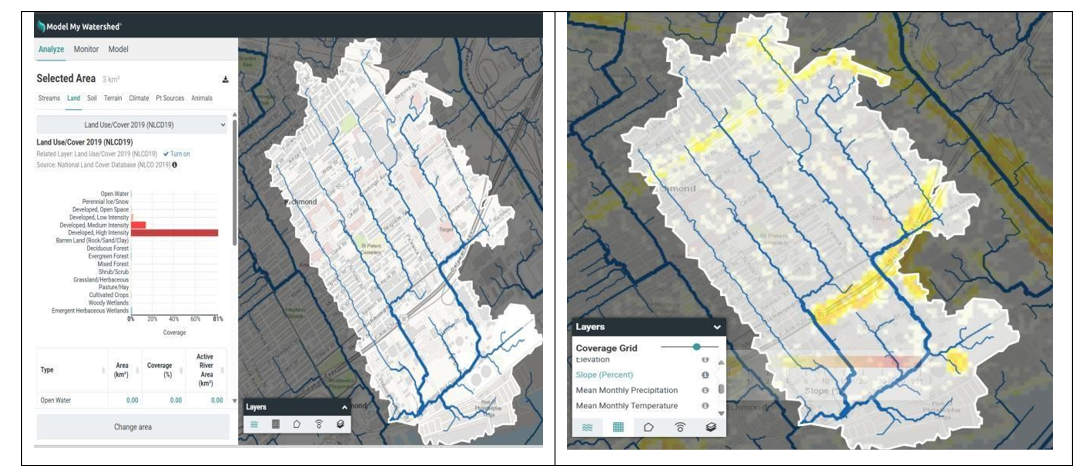
Figure 1: Land use and impervious cover distribution of the Delaware sub-watershed within the Philadelphia Delaware River Basin(data sources: NLCD 2021; Map My Watershed).
Land Use and Impervious Cover
According to the National Land Cover Database (NLCD 2021), over 90% of the watershed is categorized as developed land, with impervious surfaces accounting for approximately 72% of its total area. The area is predominantly characterized by high- and medium-intensity urban land uses, including dense residential blocks, commercial corridors and industrial parcels. The limited presence of vegetated spaces and compacted soils results in minimal infiltration capacity and a rapid runoff response to precipitation.
Hydrologic and Water-Quality Context
Runoff Dynamics
Hydrologic analysis has revealed that approximately 85–90% of the annual precipitation is directly transformed into surface runoff, aligning with the values reported for highly impervious urban catchments [6]. The simulated annual runoff depths ranged from 25 to 30 in., indicating minimal losses due to infiltration and evapotranspiration.
Pollutant Loading
Urban runoff within a watershed is responsible for transporting significant pollutant loads, notably total suspended solids and heavy metals. Zinc (Zn) has been identified as a representative pollutant owing to its prevalence in urban runoff and its strong correlation with vehicular traffic, galvanized infrastructure, and roofing materials [7]. Zinc concentrations are frequently elevated during first-flush events, contributing to the degradation of water quality in the tidal Delaware River. The estimated annual zinc loads ranged from approximately 130 to 230 lb yr-¹ across various modeled scenarios [8].
Methods
Identification and Classification of Stormwater Control Measures (SCM)
Five potential sites for stormwater control measures (SCMs) were identified based on criteria such as drainage area size, concentration of impervious surfaces, availability of right-of-way, and constraints related to constructability of the facilities. SCMs were categorized into three distinct configuration types:
• Inline SCMs intercept and treat runoff directly within the primary conveyance path.
• Offline SCMs, which divert a portion of flow from the main system for treatment; and
• Nested SCMs consist of sequential upstream and downstream treatment elements that form a treatment train.

Figure 2: Spatial distribution and locations of candidate stormwater control measures (SCM01– SCM05) within the study watershed.
|
SCM Code |
Drainage Area (acres) |
Type of SCM |
|
SCM01 |
~116 acres |
Bioretention Basin (inline) |
|
SCM02 |
~221 acres |
Detention Vault (offline) |
|
SCM04 |
~132 acres |
Green Streets (bioswales) (offline) |
|
SCM03 |
~127 acres |
Curb Extension Bioswale (nested - upstream) |
|
SCM05 |
~145 acres |
Infiltration Trench (nested - downstream) |
Table 1: Summary of stormwater control measures and associated drainage areas.
Hydrologic and Water-Quality Modeling Framework
The Python script, pysewer, was used to simulate both baseline and stormwater control measure (SCM) scenarios. Dynamic wave routing was employed to accurately represent the surcharge and backwater effects within the combined sewer system. Model simulations were conducted using representative rainfall time- series data derived from long-term precipitation records. Water quality processes were represented using the pysewer buildup and wash off formulation for zinc, with parameter values sourced from published urban runoff studies. Although site-specific calibration data were unavailable, this study emphasized relative performance comparisons across SCM configurations rather than absolute pollutant load predictions.
Performance Metrics and Cost Evaluation
The performance of stormwater control measures (SCM) was assessed using three primary metrics: annual runoff reduction (volume basis), annual zinc load reduction (lb yr-¹), and estimated implementation cost (USD). An optimization-based scenario framework was employed, wherein the SCM footprint area, diversion rate, and storage depth was varied to generate performance curves and identify the points of diminishing returns. Cost estimates were derived from unit costs reported in regional stormwater planning documents and engineering practices, which were applied consistently across SCM types to ensure comparability, as detailed in Table 2.
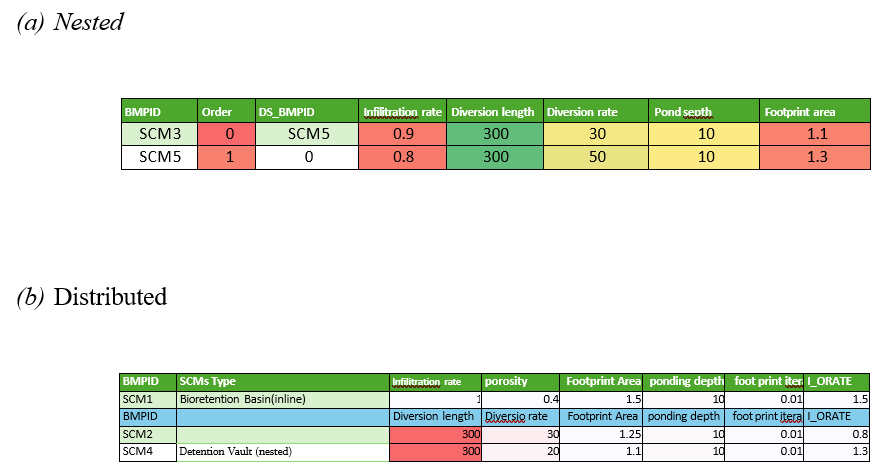
Table 2: Optimal design parameters for inline, offline, and nested stormwater-control measures
Results
Cost-Effectiveness of SCM Configurations
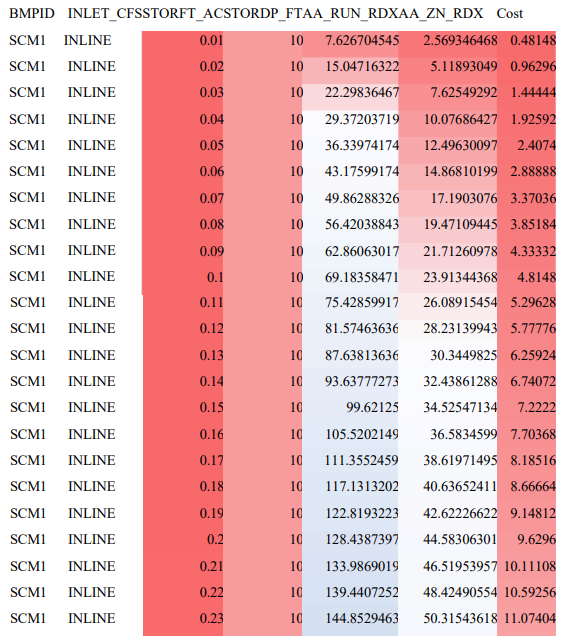
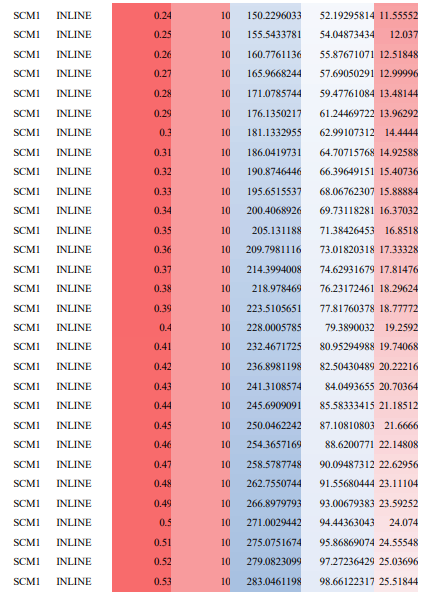
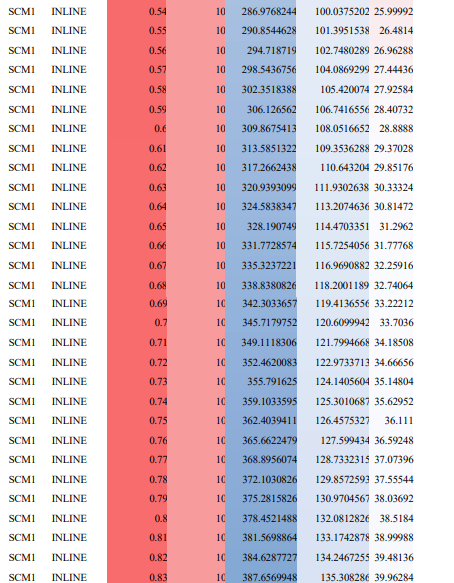
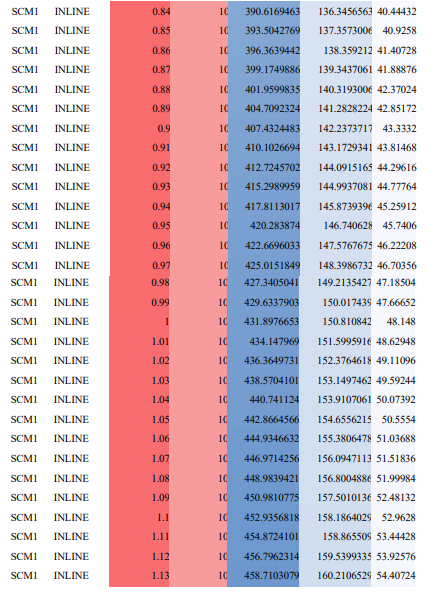
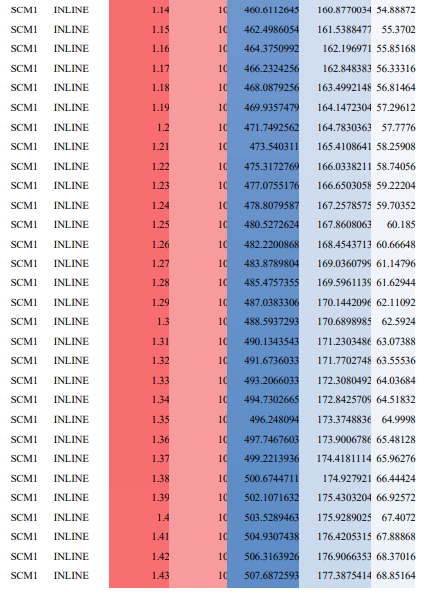
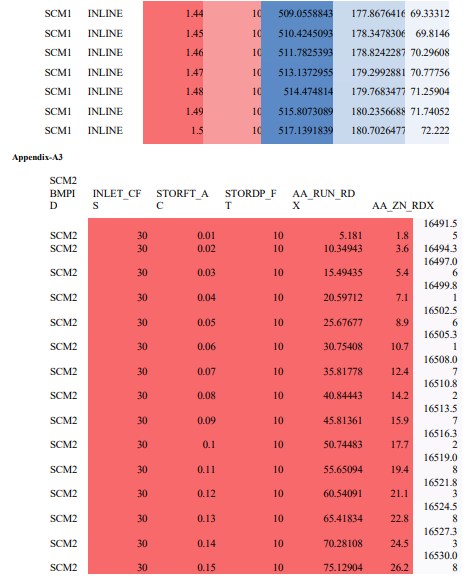
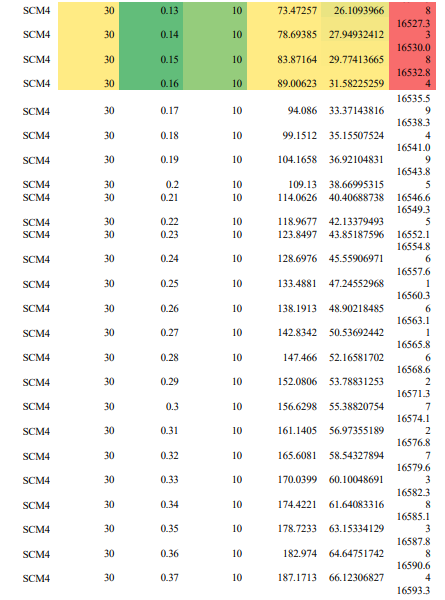
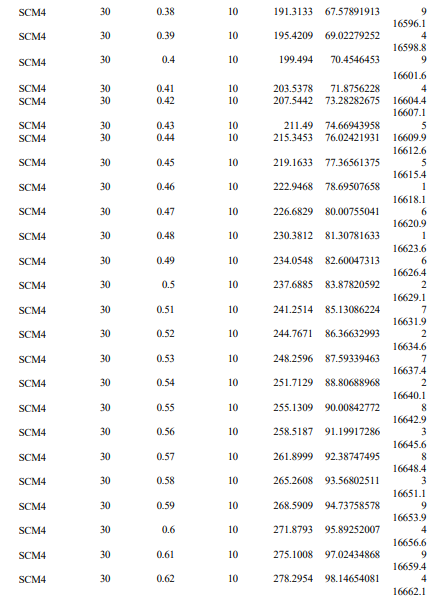
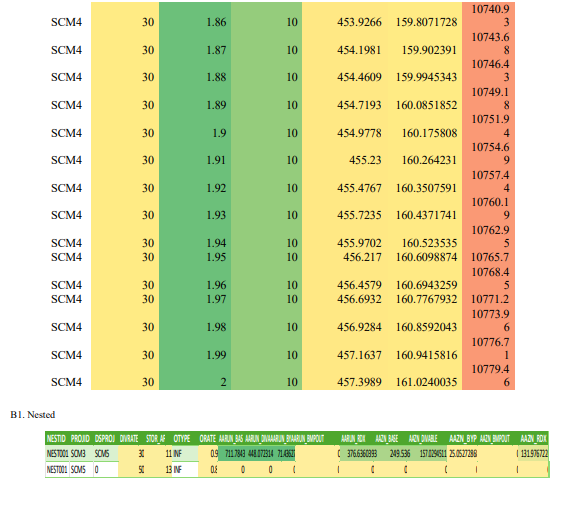
The inline bioretention system (SCM01) in Figure 3 exhibited the highest cost-effectiveness, achieving a zinc reduction of approximately 180 lb yr-¹ at a minimal expense. Notably, performance improvements were evident even with small footprint sizes, indicating a high pollutant removal efficiency per unit investment.

Figure 3: Cost versus zinc removal performance for the inline stormwater control measure (SCM01).
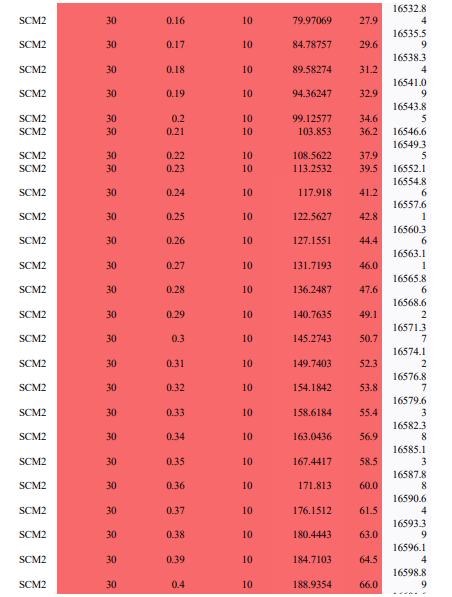
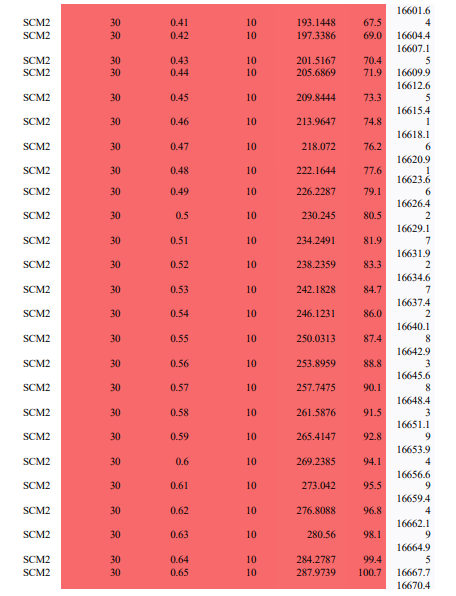
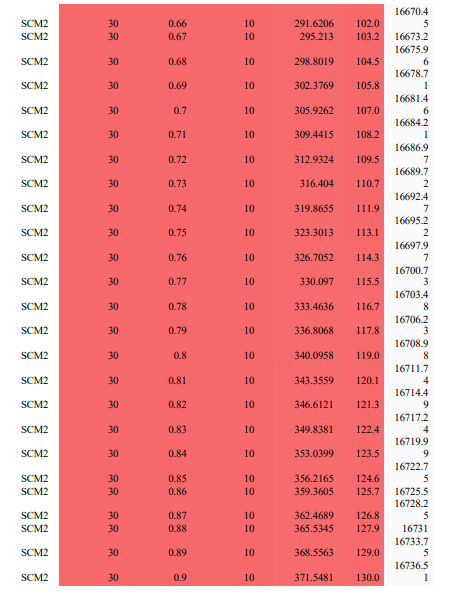
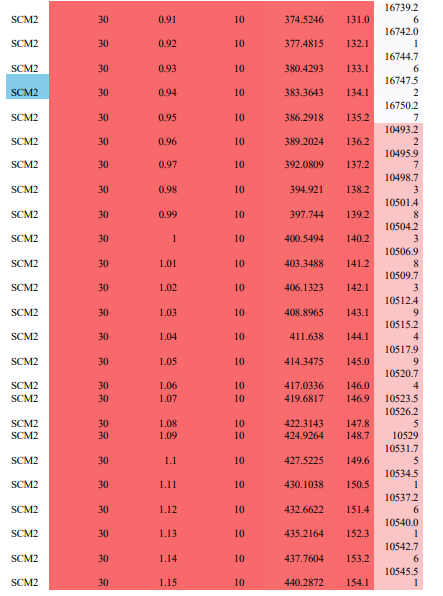
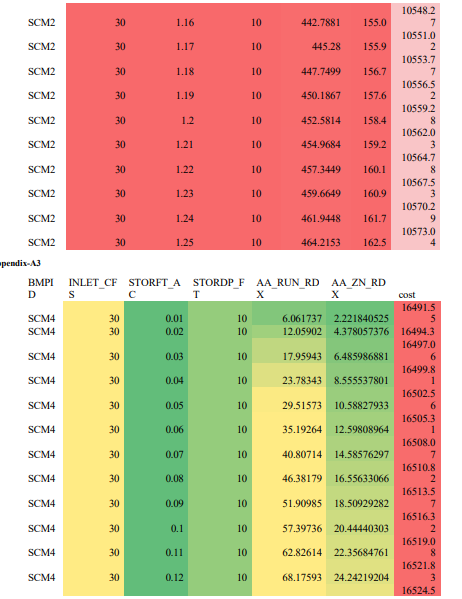
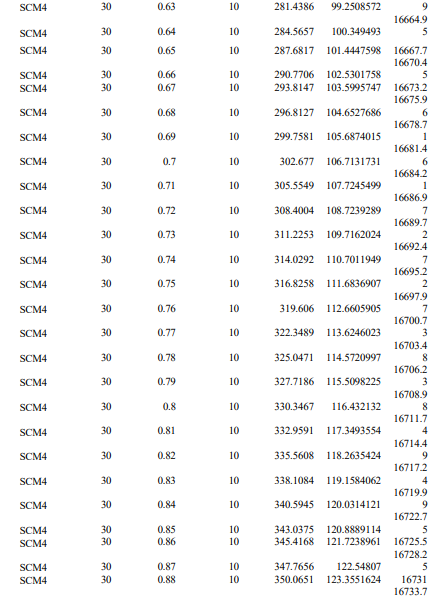
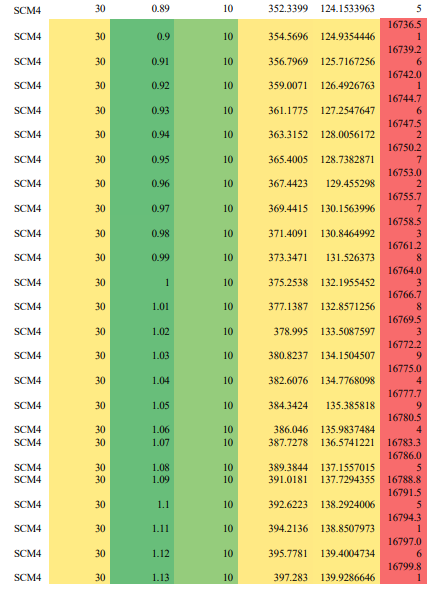
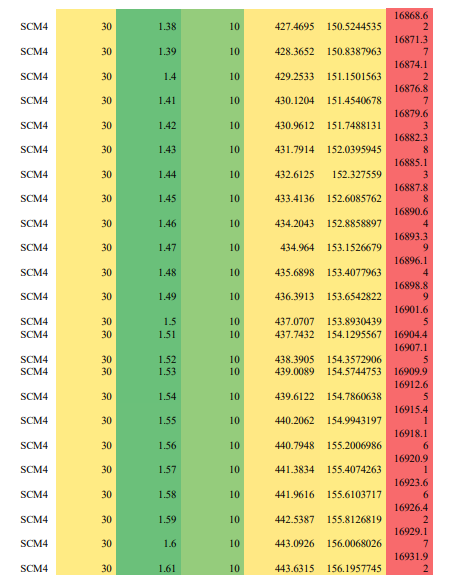
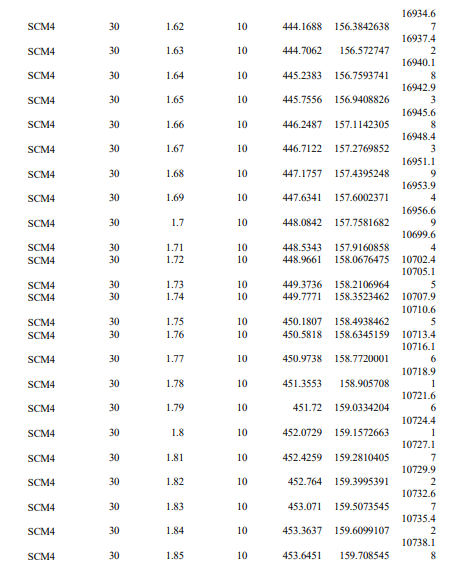
Offline stormwater control measures (SCM02 and SCM04 in Figure 4) achieved zinc reductions ranging from approximately 134 to 158 lb yr-¹, with estimated costs between $16,700 and $17,000, respectively. These systems demonstrated efficacy for larger drainage areas; however, they exhibited diminishing returns when the diversion rates exceeded the optimal levels.
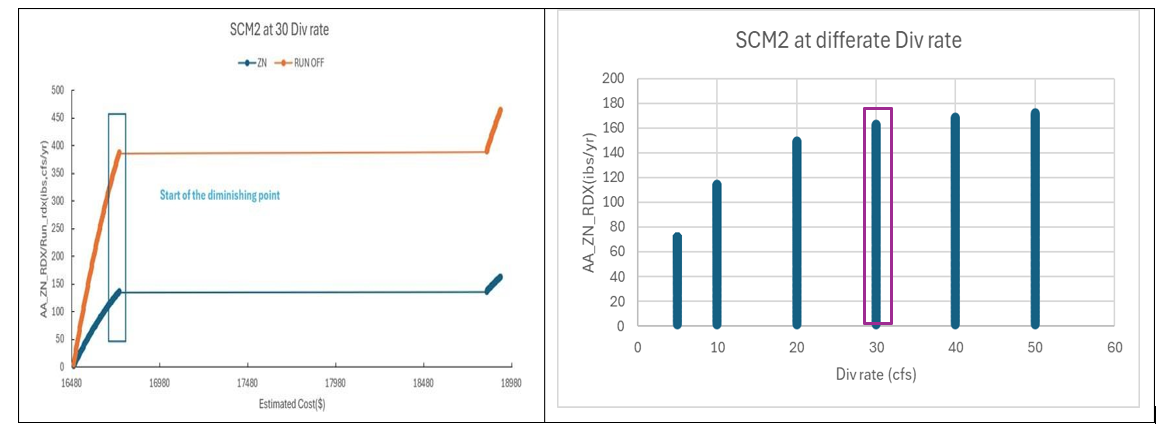
Figure 4: Cost versus zinc removal performance for offline stormwater control measures (SCM02 and SCM04).
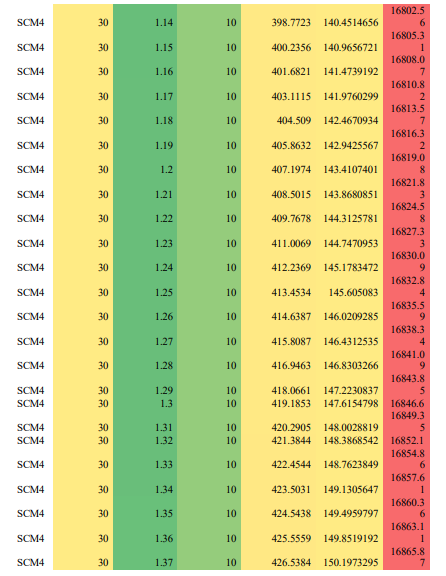
The nested SCM configurations (SCM03–SCM05 in Figure4) resulted in the highest total cost, approximately $43,756, while achieving a zinc reduction of only 132 lb yr-¹. The downstream component contributed minimally to additional treatment, indicating hydraulic redundancy and inefficient diversion in the treatment train.
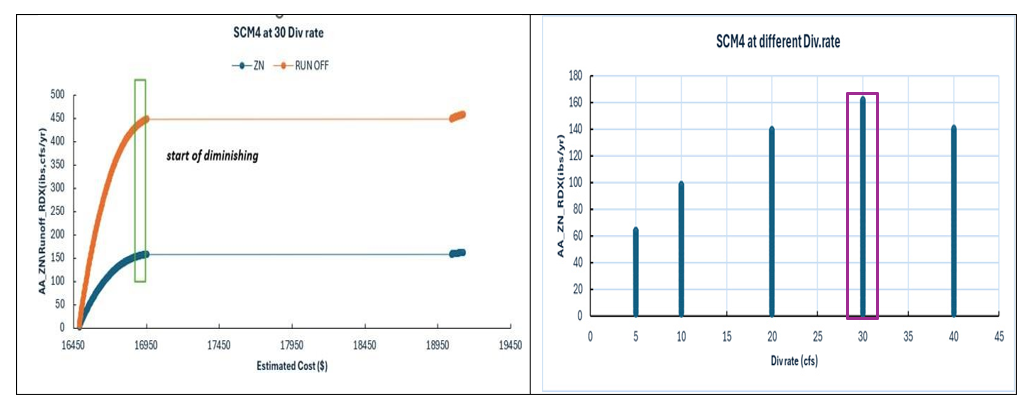
Figure 5: Comparison of cost-effectiveness among inline, offline, and nested stormwater control measure configurations
Comparison of Stormwater Control Measure Types
Figure 6 illustrates a comparative cost-effectiveness analysis of stormwater control measures SCM01–SCM05, depicting the annual reduction in zinc (Zn) load relative to the estimated implementation cost. The inline bioretention system (SCM01) was positioned in the low-cost, high-performance quadrant of the plot, achieving an approximate Zn reduction of 180 lb yr-¹ at an estimated cost of $72, thereby demonstrating the highest pollutant reduction per unit cost among all scenarios evaluated. The offline systems (SCM02 and SCM04) were situated in the mid-cost range (approximately $16,700–$17,000) and achieved moderate Zn reductions between 134 and 158 lb yr-¹, with SCM04 exhibiting slightly superior removal efficiency compared to SCM02 at a comparable cost. Conversely, the nested configuration (SCM03 + SCM05) was located in the high- cost, low-performance quadrant of the plot; despite a combined cost of approximately $43,756, it achieved only 132 lb yr-¹ of Zn reduction, with minimal incremental contribution from the downstream component. Overall, the distribution of points in Figure 6 suggests a systematic decline in cost-effectiveness from SCM01 to SCM05 as the total system cost and configuration complexity increase.

Figure 6:Comparative cost-effectiveness and ranking cost wise different all SCMs
Discussion
The findings suggest that increasing the complexity of stormwater control measure (SCM) configurations does not necessarily lead to proportional improvements in performance within ultra-urban settings. When strategically positioned within the conveyance network, inline SCMs demonstrate superior cost-effectiveness by directly intercepting runoff at points of high concentration, thereby minimizing diversion losses and reducing the need for redundant storage volumes. Their performance advantage is attributed to efficient hydraulic connectivity and sustained interaction with the first-flush pollutant loads. Conversely, nested SCM configurations
exhibit diminished marginal benefits, despite higher capital investment. The reduced effectiveness observed in these systems is likely due to overdesign, constrained effective inflow, and suboptimal hydraulic coordination between the upstream and downstream components. Such inefficiencies can limit treatment synergy and result in underutilized storage or bypassed flows, particularly in highly impervious and space-restricted urban environments.
These findings align with prior research, highlighting the necessity of meticulous hydraulic integration of treatment trains to prevent diminishing returns and performance redundancy. In densely developed watersheds, where spatial and infrastructural constraints significantly influence design decisions, simpler stormwater control measure (SCM) configurations may offer superior performance-to-cost ratios compared to more complex, multistage systems. From a planning and regulatory perspective, the results emphasize the importance of performance-based evaluation frameworks for stormwater management decision-making. Quantitative assessments of pollutant reduction relative to cost facilitate the transparent prioritization of SCM investments and support optimized compliance with water quality and combined sewer overflow (CSO) reduction objectives under constrained urban conditions.
Conclusions
This study conducted a performance-based comparative evaluation of inline, offline, and nested stormwater control measures (SCMs) within an ultra-urban watershed using EPA SWMM modeling. The findings indicate that strategically located inline bioretention systems achieve the highest cost-effectiveness for zinc load reduction by directly intercepting runoff and minimizing hydraulic loss. Although offline SCMs provide significant pollutant reduction, they incur substantially higher costs. Conversely, nested SCM configurations demonstrate reduced efficiency because of hydraulic redundancy, limited effective inflow, and suboptimal coordination among treatment components. These results collectively highlight that system complexity alone does not ensure enhanced performance; rather, strategic siting and performance-based design are critical determinants of SCM effectiveness in space-constrained urban environments. The modeling framework and insights presented in this study offer a transferable basis for optimizing stormwater investment and regulatory compliance in ultra-urban watersheds facing similar hydrologic and infrastructural constraints.
References
- Towsif Khan, S., Chapa, F., & Hack, J. (2020). Highly resolved rainfall-runoff simulation of retrofitted green stormwater infrastructure at the micro-watershed scale. Land, 9(9), 339.
- Tao, J., Li, Z., Peng, X., & Ying, G. (2017). Quantitative analysis of impact of green stormwater infrastructures on combined sewer overflow control and urban flooding control. Frontiers of Environmental Science & Engineering, 11(4), 11.
- Qiu, S., Yin, H., Deng, J., & Li, M. (2020). Cost-effectiveness analysis of green–gray stormwater control measures for non- point source pollution. International journal of environmental research and public health, 17(3), 998.
- Scarlett, R. D., McMillan, S. K., Bell, C. D., Clinton, S. M., Jefferson, A. J., & Rao, P. S. C. (2018). Influence of stormwater control measures on water quality at nested sites in a small suburban watershed. Urban Water Journal, 15(9), 868-879.
- Nilsen, V., Lier, J. A., Bjerkholt, J. T., & Lindholm, O. G. (2011). Analysing urban floods and combined sewer overflows in a changing climate. Journal of water and climate change, 2(4), 260-271.
- Yang, J. L., & Zhang, G. L. (2011). Water infiltration in urban soils and its effects on the quantity and quality of runoff. Journal of soils and sediments, 11(5), 751-761.
- Li, W., Shen, Z., Tian, T., Liu, R., & Qiu, J. (2012). Temporal variation of heavy metal pollution in urban stormwater runoff. Frontiers of Environmental Science & Engineering, 6(5), 692-700.
- Hathaway, J. M., Tucker, R. S., Spooner, J. M., & Hunt,W. F. (2012). A traditional analysis of the first flush effect for nutrients in stormwater runoff from two small urban catchments. Water, Air, & Soil Pollution, 223(9), 5903-5915.
Appendix
Appendix-A1