

COVID Research: Open Access(CROA)
ISSN: 2995-7826 | DOI: 10.33140/CROA


Review Article - (2024) Volume 2, Issue 1
Contours of Crisis: Ghana's Socio-Economic Odyssey Through COVID-19
Received Date: Dec 11, 2023 / Accepted Date: Feb 26, 2024 / Published Date: Mar 13, 2024
Copyright: ©©2024 Andrew Kweku Conduah. This is an open-access article distributed under the terms of the Creative Commons Attribution License, which permits unrestricted use, distribution, and reproduction in any medium, provided the original author and source are credited.
Citation: Conduah, A. K. (2024). Contours of Crisis: Ghana's Socio-Economic Odyssey Through COVID-19. COVID Res OA, 2(1), 01-14.
Abstract
Background: The COVID-19 pandemic has inflicted profound fear and disruption worldwide, with devastating impacts on health systems, economies, and societal norms. Despite concerted global efforts, the virus continues to exact a heavy toll, challenging conventional containment strategies and exacerbating socio-economic vulnerabilities. This study focuses on the socio-economic effects of the COVID-19 pandemic in Ghana, exploring its implications for society, the economy, and the tourism sector.
Objectives: This research aims to comprehensively analyze the socio-economic ramifications of the COVID-19 pandemic in Ghana, elucidating its multifaceted impacts on various sectors of the economy and societal structures. By examining the evolving dynamics of the pandemic, the study seeks to inform evidence-based strategies for mitigating its adverse effects and promoting resilience in the face of future crises.
Methodology: A mixed-methods approach is employed, incorporating quantitative analysis of economic indicators, qualitative assessments of societal changes, and case studies of the tourism sector. Data is sourced from official statistics, scholarly literature, and stakeholder interviews to provide a comprehensive understanding of the pandemic's impact on Ghana's socio- economic landscape.
Results: Preliminary findings reveal significant disruptions across key sectors, including healthcare, commerce, and tourism, as Ghana grapples with the socio-economic fallout of the pandemic. Economic contraction, job losses, and supply chain disruptions underscore the severity of the crisis, while shifts in consumer behavior and government interventions shape the evolving socio-economic landscape.
Discussion: The discussion highlights the interconnected nature of the socio-economic challenges posed by the COVID-19 pandemic in Ghana, emphasizing the need for targeted policy interventions and adaptive strategies to mitigate its adverse effects. Insights gleaned from the study contribute to ongoing discourse on crisis management and resilience-building, offering valuable lessons for navigating future challenges in a rapidly changing global environment.
Conclusion: As Ghana confronts the socio-economic fallout of the COVID-19 pandemic, proactive measures and collaborative efforts are imperative to foster resilience and promote sustainable recovery. By addressing the underlying structural vulnerabilities exposed by the crisis, policymakers can chart a course towards inclusive growth and societal well-being in the post-pandemic era.
Keywords
COVID-19, Socio-Economic Effects, Crisis Management, Tourism, Ghana.Practical Implications
In navigating the socio-economic effects of the COVID-19 pandemic in Ghana, a multifaceted approach is essential, spanning policy response, healthcare preparedness, business resilience, community engagement, and tourism revival. First and foremost, policymakers must leverage research insights to craft targeted interventions that address the most pressing needs of the population. This includes implementing fiscal stimulus measures, bolstering healthcare infrastructure, and supporting vulnerable groups to mitigate the pandemic's adverse impacts. Secondly, healthcare authorities must prioritize preparedness and response efforts, allocating resources strategically to testing, treatment, and vaccination programs. By investing in public health infrastructure and adopting evidence-based interventions, Ghana can strengthen its healthcare system and build resilience against future health crises.
Business leaders also play a crucial role in navigating the pandemic's challenges, adapting their operations and business models to changing socio-economic conditions. Strategies such as diversifying supply chains, embracing digital technologies, and prioritizing employee well-being can enhance business resilience and sustainability in the face of uncertainty.
Furthermore, community engagement emerges as a cornerstone of resilience-building efforts, with civil society organizations and local leaders mobilizing resources and fostering social cohesion. By promoting awareness, facilitating access to essential services, and supporting vulnerable populations, communities can withstand the pandemic's impacts and emerge stronger together.
Lastly, the revival of the tourism sector is paramount for Ghana's economic recovery. Collaborative initiatives between government, private sector stakeholders, and local communities are crucial for promoting sustainable tourism practices and economic revitalization. By embracing a holistic approach to crisis management and resilience-building, Ghana can emerge from the pandemic stronger and more resilient, laying the groundwork for a more prosperous future.
Introduction
In late December 2019, an enigmatic pneumonia outbreak in Wuhan, China, signaled the onset of an unprecedented global challenge. By early January 2020, 41 individuals had succumbed to a novel coronavirus (COVID-19), initiating a cascade of events that would redefine the course of history (Huang et al., 2020). This pandemic, synonymous with upheaval and uncertainty, is an ongoing testament to the resilience of human societies in the face of adversity [1,2].
As the COVID-19 pandemic continues its relentless march, leaving a trail of illness, loss, and disruption in its wake, the fabric of national health systems strains under the weight of unprecedented demand. Businesses across sectors shutter their doors, while millions find themselves confined to the confines of their homes. The most vulnerable among us bear the brunt of this crisis, exposing the gaping chasms in our social fabric [3,4].
Amidst the turmoil, policymakers confront a daunting array of choices, each bearing profound implications for the future trajectory of nations. How do we safeguard lives without sacrificing livelihoods? Where do we allocate finite resources in the face of overwhelming need? How do we shield the most vulnerable from the ravages of an invisible foe? These questions underscore the gravity of the decisions that lie ahead, as experts labor tirelessly to navigate the treacherous waters of this global crisis.
With no end in sight and medical interventions limited, nations worldwide have implemented a panoply of measures in a bid to stem the tide of contagion. Lockdowns, social distancing protocols, and the shuttering of non-essential businesses have become the new norm, disrupting every facet of daily life [5,6]. From international travel restrictions to the closure of beloved cultural landmarks, the reverberations of this crisis are felt far and wide, reshaping the contours of our interconnected world.
The impact on the tourism industry, in particular, has been profound, with cancellations and closures rippling across the hospitality value chain. From the storied Slave Castles to the lush expanse of the Ankasa Forest Reserve, Ghana's cultural treasures stand silent, their gates closed to the world. The repercussions are felt acutely, with lost revenue and unsold bed capacities painting a grim picture of those period [7].
In the crucible of crisis, this paper embarks on a journey of understanding, with four distinct goals in sight. First, it seeks to offer a comprehensive review of COVID-19's toll on global tourism, examining the disparate impacts and implications for development [8]. Secondly, it delves into the socio-economic effects of the pandemic on Ghana, exploring the profound transformations underway in society, economy, and tourism alike. In doing so, it illuminates key avenues for research and action, charting a course towards a more sustainable post- pandemic future [9].
As we grappled with the fallout of COVID-19, we are reminded of the looming specter of climate change, a crisis of unparalleled magnitude. In its wake lies a world forever altered, beckoning us to confront the challenges of our time with resolve and resilience [10].

Data Source: ECDC (2020).
Figure 1: Distribution of Covid-19 Cases Worldwide, as of 29 July 2020.

Data Source: ECDC (2020).
Figure 2: Distribution of Covid-19 Deaths, Worldwide, as of 29 July 2020.
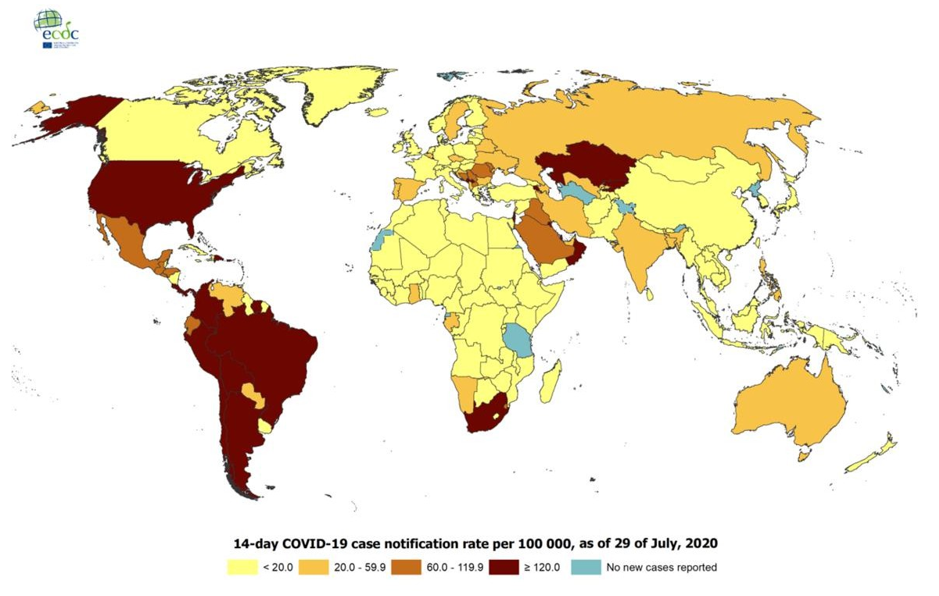
Figure 3: Geographic Depiction Showing The 14-Day Cumulative Count of Reported Covid-19 Cases Per 100,000 Individuals Globally, as of July 29, 2020.
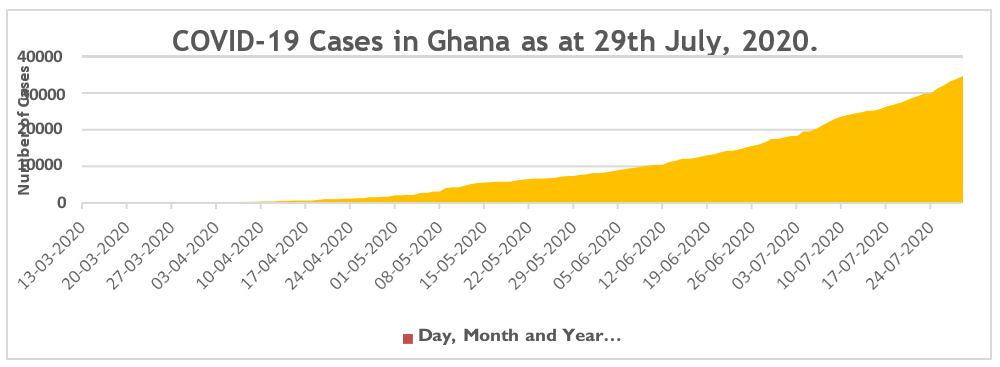
Figure 4
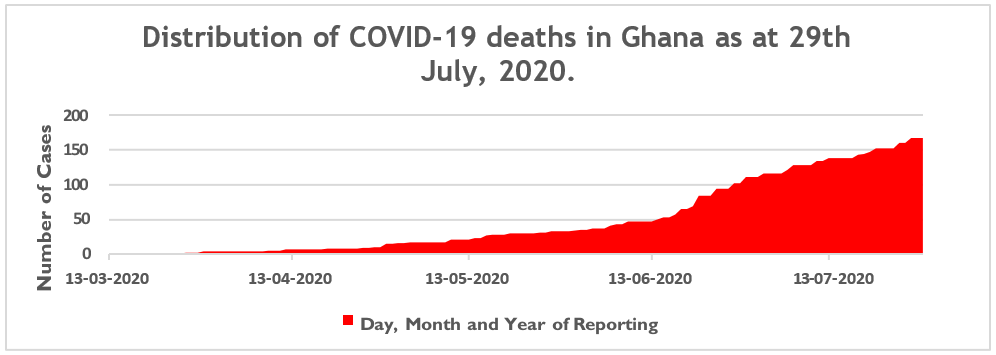
Figure 5: Distribution of Covid-19 Deaths in Ghana as At 29th July, 2020.
Covid-19 and Tourism It is noteworthy that the global tourist sector has weathered several crises in the past (refer to Figure 6). Among the significant disruptive events that happened between 2000 and 2015 were the terrorist attacks of September 11, 2001; the SARS outbreak in 2003; the global economic slowdown in 2008/2009; and the Middle East Respiratory Syndrome (MERS) outbreak in 2015.
Remarkably, none of these incidents resulted in a sustained slowdown in global tourism development [11,12]. The World Bank (2020a, 2020b) states that SARS (-0.4%) and the global economic crisis (-4.0%) are the only two noteworthy causes that can be held accountable for the declines in international arrivals shown in Figure 6.

Data sourced from the World Bank (2020a, 2020b).
Figure 6: Illustrates the Influence of Significant Crisis Events on Global Tourism.
The globe has had a number of significant epidemics in the last forty years, but none that have affected the international economy as much as the COVID-19 pandemic. Despite the tourism industry's history of bouncing back from shocks, recent data indicates that the COVID-19 issue will have an unparalleled impact and aftermath [13,14].
The urban era, with developing nations expected to house 80% of the urban population by 2030 (UNFP, 2007), rapid population growth and increased global mobility, industrialized food production within global value chains, excessive consumption of processed foods, biophysical influences including vegetation, soil types, livestock, military activities, and recreational facilities, and global transport networks acting as pathways for the spread of pathogens are some of the factors contributing to the growing threat of pandemics in the twenty-first century. Disease outbreaks brought on by human activity include avian influenza, Zika, Ebola, Marburg, SARS, and hantavirus [15,16].

Figure 2: Global Travel Restrictions Related to Covid-19 (As Of March 31, 2020).
Figure 2: Global Travel Restrictions Associated with COVID-19 (as of March 31), data courtesy of International SOS Security Services (20 Figure 2: Global travel restrictions associated with COVID-19 as of March 31, based on data from national travel advisory/restriction websites, IATA (2020), and International SOS Security Services (2020) [17,18].
Reviewing the Socio-Economic impact of the Covid-19 Pandemic on Ghana's Economy
The government response to the COVID-19 pandemic in Ghana drew lessons from experiences in Asian and European countries. While Italy, Spain, and the United States faced severe impacts due to delayed responses, Ghana has received commendation for its proactive measures, despite some criticism suggesting earlier action could have been taken. Government interventions included border closures, mandatory quarantine and testing for incoming travelers, partial lockdowns in identified hotspots, and gradual easing of restrictions. These measures potentially contributed to Ghana's relatively low mortality rate (Source: Ghana Health Service, 2020 [19].
COVID-19 has had a significant negative impact on the world economy, endangering 2.2 billion employment, or 68% of the world's workforce. The IMF's most recent World Economic Outlook (WEO), released in June 2020, predicted a 4.9 percent worldwide contraction in 2020—a significant reduction from earlier projections. It is predicted that Developed economies would contract by 8.0 percent, and Emerging Markets and Developing Economies will contract by 3.0 percent. The predicted decline for Sub-Saharan Africa is 3.2%, which is far less than earlier estimates (Source: IMF, 2020)
|
No |
Item |
2019 |
2020 Oct 2019 Proj |
April 2020 Proj |
June 2020 Proj |
2021 Oct 2019 Proj |
April 2020 Proj |
June 2020 Proj |
|
1 |
Global GDP Growth |
2.9 |
3.4 |
(3.0) |
(4.9) |
NA |
5.8 |
5.4 |
|
2 |
SSA GDP Growth |
3.1 |
3.6 |
(1.6) |
(3.2) |
NA |
4.1 |
3.4 |
|
3 |
ECOWAS GDP Growth |
3.6 |
3.8 |
(1.4) |
(2.9) |
NA |
3.9 |
3.8 |
Source: IMF World Economic Outlook (Various Issues)
Table 1: Overview of Global Output
The global economy has seen unprecedented negative shocks throughout the last century. Both the Great Depression of the 1930s and the more recent Global Financial Crisis of 2007– 2008 had a significant impact on the global economy. Numerous industries have seen job losses and revenue reductions as a result of the COVID-19 pandemic, including manufacturing, retail, street vendors, hotels, bars, restaurants, hair salons, barbershops, and operators of public transit [20].
The pandemic has resulted in dire consequences worldwide, including major job losses, stock market volatility and collapses, disruptions in global supply chains leading to shortages of essential goods and subsequent price increases, decreased foreign direct investments, reduced tourism and international travel revenue, unforeseen rises in health and pandemic containment expenditure affecting fiscal and debt sustainability, decreased remittances, and tightened global financing conditions despite monetary interventions to reduce interest rates [21].
The World Bank, the International Monetary Fund (IMF), and the Organization for Economic Co-operation and Development (OECD) have all released grim reports claiming that there is a global recession. The IMF amended its forecast from 3.4 percent to -4.9 percent, the World Bank downgraded its estimate of global growth in 2020 from 2.9 percent to -5.2 percent, and the OECD revised its estimate from 2.9 percent to between -6.0 percent and -7.6 percent. Updated growth projections are also included in these reports.
The COVID-19 pandemic is projected to have cost the world economy between US$5.8 trillion and US$8.8 trillion, or 6.4% to 9.7% of GDP, according to the Asian Development Bank (ADB). Furthermore, the ADB estimated that travel bans and lockdowns might result in a US$1.7 trillion to US$2.6 trillion decline in global trade. The aviation sector is predicted to lose almost US$314 billion as a result of border closures and revenue losses, which will have a substantial impact on the sector and raise unemployment rates worldwide.
The IMF predicts that Sub-Saharan Africa's GDP will decrease by 3.2 percent in 2020, down from 3.1 percent growth in 2019. Africa is not the only continent having difficulties. According to the World Bank's June 2020 World Economic Outlook report, the pandemic may cause between 26 million and 58 million people in Sub-Saharan Africa to live in extreme poverty, delaying efforts to reduce poverty by five years.
According to the 2020 Global Report on Food Crisis, there are an estimated 73 million acutely food insecure people in Africa; this figure is projected to increase as a result of the pandemic's effects on food security. Sub-Saharan Africa's travel and tourism industry, which supports over 19.7 million employment, has been badly impacted, resulting in a large loss of jobs. According to estimates from the African Union, the pandemic may cause the loss of 20 million jobs in Africa (Source: ADB, 2020).
Health Impact
The Imposition of Restrictions Act, 2020 (Act 1012), which requires the observance of social and physical distance rules, was approved by the Ghanaian Parliament. For a period of three weeks, there were restrictions on people's movement inside the two main cities in the nation: The Greater Accra Metropolitan Area (GAMA) and the Kumasi Metropolitan Area, as well as adjacent regions. Movements necessary for survival, such as getting food, water, and medication, as well as banking, were allowed at this time. Events that were open to the public, including conferences, workshops, memorial services, festivals, political protests, athletic events, and religious ceremonies, were canceled. In addition, official schools and national borders were sealed off to foreign visitors, with the exception of commercial shipping routes [22].
Countermeasures against the Pandemic (Medicine and Health-Related Measures)
To mitigate the impact of the pandemic on the health sector and related industries, Ghana has increased its reserves to support its overworked healthcare system and help people and businesses facing unanticipated financial hardships. In addition to providing extra allowances for frontline healthcare workers, income tax exemptions for all health sector workers, hiring over 1,000 contact tracers, providing free water and electricity to households, and GH¢600 million to support small and medium-sized businesses through the Coronavirus Alleviation Programme, the government distributed over 300,000 COVID-19 test kits. Furthermore, the Ministry of Health received GH¢328 million from the World Bank to facilitate the implementation of the COVID-19 Preparedness Plan (Source: Ministry of Health, Ghana). For a thorough overview, go to Table 14.
|
Source |
Funding |
Allocation (GH¢Payments (GH¢Balance (GH¢ million) million) million) |
||
|
GOG |
CAP Contingency Fund |
1,204 |
621 |
582 |
|
|
Allocation from the Budget to Support COVID-19 Measures |
100 |
23 |
77 |
|
|
Government Electricity Relief |
1,020 |
693 |
328 |
|
|
Allocation from Budget to support Fumigation and management of landfill sites |
122 |
122 |
0 |
|
|
Allocation from Budget for Procurement of logistics and fumigation towards reopening of school |
150 |
150 |
0 |
|
|
Sub-Total |
2,596 |
1,610 |
986 |
|
World Bank |
GARID CERC |
362 |
232 |
130 |
|
|
Fast track Covid-19 Facility |
195 |
96 |
99 |
|
|
Sub-Total |
557 |
328 |
229 |
|
|
Grand Total |
3,153 |
1,938 |
1,215 |
Source: Ministry of Finance, 2020.
Table 14: Status of Covid-19 Expenditures as at End-June 2020
The National Emergency Preparedness and Response Plan (EPRP) for COVID-19, valued at GH¢560 million was implemented by the Ghanaian government in order to strengthen the country's surveillance, diagnosis, and case management capabilities while also managing and containing the virus's spread. The EPRP's main goals were to improve stakeholder engagement and communication, increase institutional capacity for basic testing and preparedness, response, and treatment, guarantee timely case detection, containment, and treatment, and organize the purchase of medical supplies, equipment, and logistics [23].
The GH¢560 million National Emergency Preparedness and Response Plan (EPRP) for COVID-19 was introduced by the Ghanaian government to control and limit the virus's transmission and to strengthen the country's surveillance capabilities. diagnosis, and case management capacities. Enhancing stakeholder engagement and communication, boosting institutional capacity for basic testing and readiness, response, and treatment, ensuring prompt case detection, containment, and treatment, and coordinating the procurement of medical supplies, equipment, and logistics were the main objectives of the EPRP.
The healthcare sector witnessed a surge in staff numbers between March and June 2020, including 8,076 Nurse Assistants, 5,786 Diploma Nurses and Midwives, and 326 newly inducted House Officers. Moreover, 10,097 Graduate Nurses and Midwives were granted financial clearance, bringing total new recruitments in the health sector to 24,285.
Staff members from quarantine facilities and medical professionals made up Rapid Response Teams that were trained around the country to handle COVID-19 cases. Specialized training was provided to staff members in intensive care, anesthesia, and infectious diseases in public, private, and religious institutions. To accommodate migrant health posts and patient holding rooms, the government updated five facilities at formal points of entry and extended and renovated ten treatment centers [24].
A total of 1,950 beds may be added when the Church of Pentecost and the Catholic Church volunteered their spaces as isolation centers. In addition, medical facilities around the country received vital supplies like head coverings, medical scrubs, hospital gowns, and face masks. Field supervision trucks were stationed for regional monitoring, and closed cabin screening cubicles were installed at the Kotoka International Airport and forty additional entry sites. A widespread disinfecting exercise was carried out countrywide with a focus on market centers.
Health personnel received a comprehensive life insurance package and personal income tax waivers. Financial allowances and transportation support were provided to frontline workers during the lockdown. Strategic outreach initiatives, such as broadcast van outreach, mass media infomercials, IT-based communications, stakeholder engagement, press briefings, and public education campaigns through billboards, posters, TV documentaries, and community events, were part of a comprehensive communication plan spearheaded by the Ministry of Information.
Additionally, 90 individuals were trained in risk communication across all regions, and a National Information and Contact Centre (311 Call Centre) was established to manage COVID-19 inquiries. Enforcement of social distancing protocols was coordinated by a national Task Force, with support from security services.
These coordinated efforts underscored the government's commitment to effectively manage the COVID-19 pandemic while safeguarding public health and ensuring community resilience. (Source: Ministry of Health, Ghana, 2020).
Economic Repercussion of the Pandemic
The Ghanaian economy is still facing major obstacles as a result of the original harsh movement restrictions and the current progressive loosening. Numerous industries, including the hotel and hospitality sector, trade and industry, agriculture, health, transportation, manufacturing, real estate, banking, and education, have been severely damaged. There has been significant hardship for both people and businesses, characterized by large job losses and income reductions [25].
The COVID-19 Business Tracker Survey, which was carried out by the Ghana Statistical Service (GSS) in partnership with the World Bank and the United Nations Development Programme (UNDP), indicates that during the nation's partial shutdown in March 2020, some 42,000 workers were let off. In addition, over 770,000 workers, or 25.7% of Ghana's labor force, had their wages reduced, and about 700,000 workers had their working hours reduced (source: www.myjoyonline.com, accessed on August 4th, 2020). Notably, the Ministry of Employment and Labour Relations indicated that, among 32 Montessori, Day Care, and Primary schools in the private sector of education, 856 employment losses were documented between April and June 2020.
Global supply chain disruptions, lower demand, lower productivity, more recurring costs, and lower revenue turnover have all had an impact on Ghana's manufacturing subsector's operations. It is projected that these events will cause a notable reduction in the nation's total economic growth and revenue, in addition to an increase in spending. The epidemic has caused an economic shock that has been demonstrated by disruptions in external trade, especially with China, and a drop-in commodity prices, most notably oil, which has seen a price decrease of more than fifty percent. The world's financial markets have also tightened [26].
Despite strong gains versus other major currencies in the first quarter of 2020, pressure caused the Ghanaian cedi to weaken against the US dollar in April and May of that year. In June 2020, the cedi lost 2.4% of its value in relation to the US dollar and the euro. There was a noticeable increase in inflation, which increased by 2.8 percentage points to 10.6 percent in April, 11.3 percent in May, and 11.2 percent in June. An important measure of economic performance, the Bank of Ghana's Composite Index of Economic Activity (CIEA), shrank by 2.2 percent in March. As a result, the 6.8% real GDP growth estimate for 2020 has been significantly lowered down to 0.9 percent. The economy hasn't shrunk, as many other nations have, thanks to the stability offered by the government and the robustness of the buffers built by the Bank of Ghana (source: www.mofep.gov.gh, 2020).
In addition to undermining corporate and general business confidence, COVID-19 also poses risks to projected revenues, profitability, liquidity, and corporate growth. In 2020, losses of up to GH¢1.55 billion are projected by 19 of the 28 State-owned Enterprises (SOEs) (Mid-Year Review and Supplementary Estimate, 2020).
The tourism and hospitality sector were severely impacted by the decline in demand for travel and hotel reservations, as well as by interruptions in domestic travel and a number of different areas, including cruises, dining establishments, cafés, conventions, festivals, conferences, and meetings. As of May 31, 2020, 979 lodging establishments—or about 25% of all permitted establishments—had suspended operations, according to data gathered by the Ghana Tourism Authority. This has led to the loss of over 2,300 jobs. Furthermore, according to the Tour Operators Association, 11,558 travelers canceled their trips to Ghana, resulting in GH¢4.8 million in revenue losses thus far this year. The Creative Arts Industry has also suffered since it mostly employs unprotected, vulnerable people without social security.
In the agricultural sector, sudden changes in prices and labor shortages have arisen due to export bans, escalating international market prices, and increased freight costs (which surged by over 100 percent from $1.10/kg to $3.00/kg) (Mid-Year Review and Supplementary Estimate, 2020). Agricultural inputs and imported staples like rice, wheat, soya, poultry, and cooking oil have seen price hikes, while the prices of key agricultural export commodities have plummeted. For example, while the price of imported rice surged approximately 20 percent between March and April 2020, the export price of cashew dropped by 60 percent between January and April 2020. The non-traditional export sector suffered significantly due to lockdown measures and flight suspensions to and from foreign markets, resulting in substantial post-harvest losses. Additionally, limited provision of technical extension services to farmers during the lockdown, coupled with movement restrictions, led to drastic reductions in agricultural labor availability (Mid-Year Review and Supplementary Estimate, 2020).
Within the energy sector, the pandemic caused major disruptions to the oil and gas industry's exploration, appraisal, and production activities. As a result, operators' 2020 work programs were delayed. According to estimates from the National Petroleum Commission, the pandemic caused projects in the petroleum upstream subsector, worth a combined US$324 million, to stop. Notably, Aker Energy delayed the Pecan field's development, affected the supply of first oil and delay the government's anticipated revenue. The vital role that the oil and gas industry play in accelerating economic growth was in danger due to these delays (Mid-Year Review and Supplementary Estimate, 2020).
The transport sector has also experienced a decline in passengers, with commuter minibuses operating at reduced load capacities and inter-city buses witnessing a significant reduction in passengers between March and May. Revenue declines have been observed across various transport services, including Metro- Mass Transport and the Intercity STC Company. Additionally, the Driver and Vehicle Licensing Authority experienced a drastic decline in revenue, and the projected revenue from the PSC- Tema Shipyard and Drydock is expected to decline significantly. Companies within the sector are facing the prospect of mass layoffs and have sought support from financial institutions to meet payroll obligations (Mid-Year Review and Supplementary Estimate, 2020).
The 2020 Population and Housing Census was postponed indefinitely by the Ghana Statistical Service (GSS) in reaction to the epidemic, which affected the availability of crucial baseline data on the demographic, social, and economic features of the population.
The Bank of Ghana's Credit Conditions Survey, which was carried out in April 2020, brought attention to the difficulties facing the banking industry. The overall credit posture evidently tightened, which can be attributed to a number of factors including an unfavorable operating environment, possible difficulties repaying loans, growing operating costs related to health and safety regulations, and increased loan provisions made in case of difficulties repaying loans (www.bog.gov.gh/ Mid-Year Review and Supplementary Estimate, 2020).
Significant effects on Ghanaian businesses were found in the Business Tracker Survey, which was carried out by the Ghana Statistical Service (GSS) in association with the World Bank and United Nations Development Programmed (UNDP). Key findings include business closures, reduced wages, layoffs, increased use of digital solutions, limited government assistance, and substantial uncertainty in future sales and employment. The survey underscores the multifaceted challenges faced by businesses and highlights the need for policies to support firms in managing financial shocks, increase customer and business confidence, and facilitate the adaptation to the new business environment leveraging digital technologies (www.gss.gov.gh/ Mid-Year Review and Supplementary Estimate, 2020).
Economic and Social Measures to Support Livelihoods of Households
To help companies keep their workers and provide for their families from April to June 2020, the government instituted short- term discounts on water and power bills. For one million lifeline users, the government paid for all of their consumption, and for all other customers, its subsidized half of their consumption. The government unintentionally spent GH¢1.02 billion on this effort, which aimed to protect the livelihoods of 4,086,286 households and 686,522 companies (Mid-Year Review and Supplementary Estimate, 2020).
By the end of June 2020, a total of 2,250 individuals had been evacuated, with the government covering the full cost of flight and mandatory 14-day hotel quarantine services for 1,116 persons, predominantly students. Support was also extended to 1,134 individuals to partially cover the cost of mandatory quarantine. The remaining 962 individuals were scheduled for evacuation by the end of July 2020.
Support to Enterprises
The CAP Business Support Scheme (CAP BuSS) in Ghana represented a concerted effort by the government to provide essential financial support to micro, small, and medium-sized enterprises (MSMEs) in response to the economic challenges precipitated by the COVID-19 pandemic. With an allocated funding of GH¢600.0 million, the scheme operates in conjunction with the National Board for Small Scale Industries (NBSSI), in collaboration with various business and trade associations, as well as selected commercial and rural banks [28].
At its core, CAP BuSS seeks to alleviate the economic strain faced by MSMEs by offering soft loans characterized by a one- year moratorium and a two-year repayment period. These loan terms are designed to accommodate the unique circumstances and capacities of MSMEs, acknowledging their critical role in driving economic growth and employment generation in Ghana.
The objectives of the CAP BuSS initiative are multifaceted. Firstly, it aims to provide emergency relief funds to MSMEs and entrepreneurs grappling with the adverse impacts of the pandemic on their businesses. Through the provision of financial assistance, the scheme endeavors to mitigate immediate financial pressures and enable MSMEs to weather the economic downturn.
Furthermore, CAP BuSS endeavors to establish a comprehensive and financially sustainable emergency relief fund package tailored specifically to the needs of MSMEs. By fostering financial resilience and stability within the MSME sector, the scheme seeks to fortify the broader economic landscape of Ghana, ensuring the continued vitality of these enterprises amidst challenging circumstances.
In addition to financial assistance, CAP BuSS also extends technical support to MSMEs, equipping them with the necessary tools and resources to navigate the complexities of the current business environment. By providing guidance and expertise, the scheme empowers MSMEs to adapt to evolving market conditions, enhance operational efficiency, and capitalize on emerging opportunities for growth and innovation [29].
The application period for assistance under the CAP BuSS scheme spanned from May 20, 2020, to June 26, 2020, during which time a staggering total of 715,795 applications were received from across the country. Notably, the gender distribution of applicants revealed a predominance of female entrepreneurs, comprising 64.2% of the applicant pool, while male applicants accounted for 35.8%. The cumulative requested assistance amounted to GH¢7.6 billion, underscoring the profound financial strain experienced by MSMEs in Ghana during this period of economic upheaval.
Of particular significance is the substantial proportion of loan requests attributed to Micro Businesses, which accounted for GH¢5.2 billion, constituting 95% of the total loan requests. This statistic underscores the critical role played by microenterprises in driving economic activity and employment opportunities at the grassroots level, underscoring the imperative of targeted support measures to bolster their resilience and sustainability.
In conclusion, the CAP Business Support Scheme represents a vital lifeline for MSMEs in Ghana grappling with the socioeconomic fallout of the COVID-19 pandemic. By providing financial assistance, establishing sustainable relief mechanisms, and offering technical support, the scheme epitomizes the government's commitment to safeguarding the vibrancy and resilience of the MSME sector. Moving forward, sustained efforts to strengthen and expand initiatives like CAP BuSS will be essential in fostering inclusive economic growth, fostering entrepreneurship, and building a more resilient and prosperous future for Ghana's MSMEs (Source: www.nbssi.gov.gh).
Policy Responses by the Bank of Ghana (Bog) to the Covid-19 Pandemic.
• The Bank of Ghana, aiming to support businesses and the economy, implemented the following measures:
• Decreased the monetary policy rate by 150 basis points to 14.5 percent.
• Reduced the Primary Reserve Requirement from 10 percent to 8 percent to enhance liquidity in banks, particularly for critical sectors of the economy.
• Lowered the Capital Adequacy Requirement from 13 percent to 11.5 percent.
• Established a syndication facility of GH¢3.0 billion to bolster industries, particularly in the pharmaceutical, hospitality, service, and manufacturing sectors.
• Granted a six-month moratorium on principal repayments for selected businesses.
• Trimmed interest rates according to the Ghana Reference Rate (GRR) by 200 basis points (2 percent per annum).
• These initiatives by the BoG collectively facilitated the disbursement of approximately GH¢7 billion in support to borrowers between March and June 2020. (Source: www.bog. gov.gh Retrieved on August 1, 2020).
Tax Relief Measures for Households and Businesses.
These measures were implemented to assist citizens in alleviating any economic hardships resulting from the pandemic. They encompassed:
• Extending the due dates for filing Income Tax returns from four to six months after the end of the basis year.
• Remitting penalties on principal debts for taxpayers who settled their outstanding debts to the Ghana Revenue Authority (GRA) by 30th June 2020.
• Allowing the deduction of contributions and donations towards COVID-19 as allowable expenses for income tax purposes.
• Waiving Value Added Tax (VAT), National Health Insurance Levy (NHIL), and Ghana Educational Trust Fund (GET Fund) Levy on donations of equipment and goods for combating the COVID-19 Pandemic.
• Exempting income taxes on Third-Tier Pension withdrawals.
• Exempting income tax on personal emoluments of all health workers from April 2020 to September 2020.
• Exempting income tax on 50% additional allowances paid to staff of frontline health facilities from March 2020 to September 2020.
Education Sector Measures
The Ghanaian government demonstrated a primary focus on easing educational restrictions amidst the COVID-19 pandemic, commencing with the resumption of final year tertiary students' schooling on Monday, June 15, 2020. In a concerted effort to prioritize safety, the government distributed 600,000 face masks to tertiary institutions, ensuring that each student, as well as teaching and non-teaching staff, received three reusable face masks. Alongside this initiative, provisions included the distribution of 1,700 Veronica buckets, 200,000 liters of alcohol- based hand sanitizers, 3,400 liters of liquid soap, and 900 thermometer guns, all aimed at enhancing hygiene and safety measures within the educational environment [30].
Moreover, all 1,167 Senior High Schools (SHS) across the country underwent comprehensive fumigation and disinfection procedures. As part of this extensive safety protocol, the government distributed 2.4 million pieces of reusable face masks to students, teaching and non-teaching staff, invigilators, and school administrators, ensuring that each individual received three masks. In a bid to alleviate financial burdens on students, the government earmarked GH¢75.4 million to cover the full cost of this year's WASSCE examination fees for the 313,837 SHS-3 students.
These measures underscore the government's unwavering commitment to safeguarding the health and well-being of students, educators, and support staff within the educational sector. By prioritizing safety through the distribution of essential protective equipment and implementing stringent hygiene protocols, the government aims to facilitate a safe and conducive learning environment amidst the challenges posed by the pandemic [31].
Source: Mensah, Kwame. "Ghanaian Government Allocated GH¢75.4 Million for WASSCE Examination Fees." Daily Ghanaian Times, 20 June 2020, www.ghanaiantimes.com/article
Social Events Measures
With Ghana observing positive recovery trends, the government has begun to relax initial restrictions imposed on social gatherings, including funerals, religious activities, and non-contact sports. Attendance at such events is now limited to 25 percent capacity or a maximum of 100 attendees, whichever is lower. Strict adherence to mandatory social distancing protocols is required, and religious activities are capped at a maximum duration of two hours per service. Additional measures include the compulsory wearing of face masks by worshippers, registration of attendees' names and contact details by leaders, and the provision of hand washing facilities and sanitizers.
Consequently, private burials, public transport, domestic air transport, restaurants, and hotels have been authorized to operate, provided they adhere to the necessary hygiene protocols. Nevertheless, activities such as contact sporting events, nightclubs, cinemas, beaches, festivals, large funerals, political rallies, as well as major religious gatherings like crusades, pilgrimages, and conventions, continue to remain suspended. These measures aim to balance public health concerns with the gradual reopening of economic and social activities in Ghana (Garcia- Mandico et al., 2021).
Fiscal Impact of the Pandemic
The overall fiscal deficit stands at GH¢30.2 billion, equivalent to 7.8% of the revised GDP. Correspondingly, the primary balance is expected to shift from a surplus of GH¢2.811 billion (0.7% of revised GDP) to a deficit of GH¢5.6 billion (1.4% of GDP). Government revenues are projected to fall short of the 2020 Budget target by GH¢13.405 billion, constituting 3.5% of the revised GDP. This shortfall arises from decreases in Petroleum Receipts (GH¢5.105 billion), Non-Oil Tax revenue (GH¢4.269 billion), Non-Tax Revenues (Non-Oil) (GH¢3.941 billion), Other Revenues (GH¢73 million), and Grants (GH¢17 million). (Mid-Year Review and Supplementary Estimate, 2020).
Expenditures are anticipated to increase by GH¢11.788 billion (3.1% of revised GDP). This increase primarily reflects spending on the COVID-19 Preparedness & Response Plan, provision of Health Infrastructure (Agenda 111), Coronavirus Alleviation Programme, Capitalisation of National Development Bank, Security, Elections, and payment of outstanding claims. Government has secured new financing through various channels, including:
• Lowering the Ghana Stabilization Fund threshold from US$300 million to US$100 million and utilizing the excess of the cap amounting to GH¢1.204 billion to fund the CAP;
• Bank of Ghana Asset Purchase Programme as part of the COVID-19 Relief Programme - GH¢10.000 billion;
• World Bank Support for Covid-19 Preparedness & Response Plan of GH¢580 million;
• World Bank Development Policy Operations of GH¢2.028 billion;
• World Bank Preparedness Support of GH¢580 million;
• IMF Rapid Credit Facility (RCF) of GH¢5.853 billion; and
• African Development Bank (AfDB) support of GH¢406 million.
• These measures represent the government's response to the economic challenges posed by the COVID-19 pandemic. (Reference: Mid-Year Review and Supplementary Estimate, 2020)
Fiscal Responses to the Pandemic
Covid-19 National Trust Fund
The introduction of the COVID-19 National Trust Fund Act (CNTF), 2020 (Act 1013) by the Government in April 2020 marked a significant stride in addressing the pandemic. A 7-member Board of Trustees was constituted to supervise the operations of the Fund. As of June 30, 2020, the CNTF had effectively raised GH¢53,911,249.87 from various channels, including individuals, religious bodies, corporate entities, institutional staff, non-governmental organizations, groups, and associations.
An outstanding allocation of GH¢10,257,360.00 was designated for the COVID-19 Private Sector Fund, primarily geared towards acquiring Personal Protective Equipment (PPEs) and vital medical supplies for frontline workers. Additionally, the National Commission for Civic Education (NCCE) received GH¢2,500,000.00 to enhance public awareness campaigns concerning COVID-19. Furthermore, the Institute of Statistical, Social and Economic Research (ISSER) was awarded GH¢297,920.00 to conduct thorough studies on the pandemic's ramifications across 80 districts nationwide .
Recognizing the importance of addressing basic needs, the Fund facilitated the distribution of food provisions to elderly, vulnerable, and disadvantaged individuals through Help Age Ghana and several care facilities. Demonstrating a commitment to transparency and accountability, the Fund meticulously documented all donations received as of May 31, 2020, publishing this information in the Tuesday, June 27, 2020 edition of the Daily Graphic.
Covid-19 Private Sector Fund
The private sector demonstrated steadfast commitment by rallying essential support from businesses to assist the Government in establishing the Ghana COVID-19 Private Sector Fund. This collaborative endeavor aimed to provide crucial interventions to aid the Ghanaian populace during the pandemic. Additionally, various organizations such as the National Commission for Civic Education (NCCE), the Ghana Psychological Association (GPA), and the Ghana Medical Association (GMA) partnered with media and communication consultants to train 1,476 representatives from diverse institutions, including the Ghana Journalist Association (GJA), Ghana Health Service (GHS), Security Agencies, and the Institute of Human Resource and Management Practitioners (IHRMP). The training was designed to address the rising stigmatization experienced by COVID-19 patients and individuals who had recovered from the virus.
Before the pandemic, Ghana lacked designated infectious disease treatment centers. However, through the Fund's efforts, plans were initiated to construct four 100-bed facilities, each equipped with a 21-bed Intensive Care Unit, a level 2.5 laboratory, and staff quarters in Accra, Kumasi, Tamale, and Takoradi. The inauguration of the first facility occurred in July 2020, marking a significant milestone in the nation's response to the crisis.
Implications for Future Tourism
The onslaught of the pandemic has wreaked havoc across all sectors of society, particularly in aviation, shipping, and recreational facilities such as hotels, restaurants, beaches, and scenic destinations like Kakum National Park, Ankasa Forest Reserve, Nzulezu, and castles, among others. The devastating loss of revenue and jobs underscores the imperative for hotels with conferencing facilities to seriously explore digital platforms as alternatives to traditional conferencing facilities.
In the Government of Ghana's Mid-Year Budget Review 2020, it was emphasized that Intra-African exports comprised only 16.6 percent of total exports in 2017, a sharp contrast to 68.1 percent in Europe, 59.4 percent in Asia, 55.0 percent in America, and 7.0 percent in Oceania. Intra-African trade, defined as the average of intra-African exports and imports, averaged around 2 percent during the period 2015–2017, while comparative figures for America, Asia, Europe, and Oceania were significantly higher. Since 2008, Africa, along with Asia, is the only region experiencing an upward trend in intraregional trade. This development has reignited the sense of self-confidence, entrepreneurship, and nationalism, thereby reinforcing the long- awaited economic strategy of Import Substitution Industries.
Prior to the pandemic, Ghana relied heavily on imports for a plethora of goods, ranging from toothpicks and confectionery to construction items, buses, heavy-duty trucks, and military equipment. However, the closure of borders has presented new opportunities for local pharmaceutical companies to produce essential medications like hydroxychloroquine and azithromycin in the fight against the pandemic. Thobinco Pharmaceutical Company secured a significant World Bank contract worth $5 million in this regard.
Entrepreneurial opportunities abound for budding and existing Information Communication Technology (ICT) and engineering-related jobs, as automation becomes increasingly prevalent. Already in Ghana, doctors consult using platforms like Zoom, while universities conduct lectures, thesis defenses, and graduation ceremonies virtually.
However, the accelerated pace of automation may lead to the disappearance of routine jobs, exacerbating job and wage polarization, and widening income inequalities. This could result in permanently higher levels of unemployment and further polarization of labor markets. With most hotels closed or experiencing significantly reduced tourism numbers, industry revenue estimates for 2020 are expected to plummet. Ensuring the safety of guests and handling individual COVID-19 cases within accommodation establishments pose significant challenges.
Furthermore, countries are cautious about overwhelming their healthcare systems, thus social distancing measures are likely to remain in place until a vaccine is widely available. As a result, events involving large gatherings, including concerts, meetings, conferences, sports, and religious gatherings, are expected to be restricted for an extended period. The socio-economic impact is anticipated to be substantial, potentially amounting to hundreds of billions of Ghana Cedis, with ramifications for associated businesses such as caterers.
The unequal impact of this crisis is poised to exacerbate poverty in Ghana and other emerging economies to a degree unprecedented in recent history. It is imperative for stakeholders to adapt swiftly and proactively to mitigate the socio-economic fallout of the pandemic while charting a path towards sustainable recovery and resilience.
Practical Implications and Unique Contributions
The paper presents several practical implications and unique contributions to the existing literature:
1. Health Infrastructure Development: By highlighting the need for infectious disease centers in major cities and district hospitals in new regions, the paper underscores the importance of investing in robust health infrastructure to mitigate the impact of future pandemics. This emphasizes the practical necessity for governments and policymakers to prioritize healthcare development and preparedness.
2. Vulnerabilities in Informal Sectors: The paper sheds light on the vulnerabilities inherent in informal sector jobs, particularly during times of crisis. By emphasizing the lack of social protection for workers in these sectors, it underscores the need for targeted policies and interventions to support vulnerable populations and strengthen social safety nets.
3. Rethinking Tourism Sector: The paper prompts a critical reevaluation of the tourism sector, especially in terms of its alignment with sustainable development goals and its role in pandemic transmission. This underscores the practical implications for policymakers and industry stakeholders to prioritize sustainable tourism practices that minimize environmental impact and prioritize community resilience.
4. Nationalism and Border Controls: The paper raises questions about the potential resurgence of nationalism and tighter border controls in the aftermath of the pandemic. This highlights the practical implications for policymakers in navigating the delicate balance between public health imperatives and global interconnectedness, particularly in terms of trade, travel, and migration.
5. Psychological and Socio-Economic Effects: By examining the psychological and socio-economic effects of unemployment and isolation, the paper underscores the need for comprehensive support systems and social safety nets. This emphasizes the practical importance of holistic approaches to addressing the multifaceted impacts of crises on individuals and communities. 6. Renewal and Adaptation: Finally, the paper emphasizes the importance of learning from the global disaster and revitalizing socio-economic frameworks worldwide. It highlights the practical imperative for stakeholders to embrace innovation, adapt to the new normal, and prioritize sustainable development goals in shaping post-pandemic recovery efforts.
Overall, the paper's practical implications and unique contributions underscore the urgent need for comprehensive, coordinated, and forward-thinking responses to the complex challenges posed by pandemics and other global crises.
Conclusion
In conclusion, this paper has provided an overview of the ongoing crisis as of July 29, 2020, along with a brief examination of earlier pandemics in recent history. The seismic impact of the current pandemic has profoundly reshaped the socio-economic landscape of our country. It has underscored the urgent need to address chronic health challenges, including the establishment of infectious disease centers in Ghana's major cities and the development of district hospitals across new regions.
Furthermore, the pandemic has laid bare the vulnerabilities inherent in many informal sector jobs, where workers lack social protection and are particularly susceptible to economic shocks. This underscores the imperative for policymakers to prioritize the creation of sustainable and resilient employment opportunities, especially in sectors traditionally reliant on tourism and related industries.
The pandemic has prompted a critical reassessment of the tourism sector, particularly in terms of its alignment with the Sustainable Development Goals (SDGs). While tourism facilitates the movement of people and goods, it also poses risks as a potential vector for the spread of pathogens. Moreover, the current crisis has highlighted the role of food production patterns in precipitating pandemics, as evidenced by past outbreaks such as SARS, MERS, and COVID-19.
Looking ahead, it remains to be seen whether the pandemic will engender a resurgence of nationalism and tighter border controls, as exemplified by developments in countries like Italy. Additionally, the psychological and socio-economic effects of unemployment and isolation wrought by the pandemic underscore the urgent need for comprehensive support systems and social safety nets.
As the world grapples with the aftermath of this global disaster, there is a collective imperative to learn from the crisis and revitalize socio-economic frameworks worldwide. This includes leveraging innovations such as video conferencing to adapt to the new normal, as well as reevaluating global priorities in light of the SDGs. Ultimately, the challenge for stakeholders across the globe is to seize this moment as an opportunity for renewal and the advancement of sustainable tourism practices.
Acknowledgement
The author expresses their sincere gratitude to the Ghana Statistical Service (GSS), Ministry of Finance and Economic Planning (MOFEP), and Bank of Ghana (BoG) for their invaluable contributions and support.
Declaration
Funding
The research and publication of this article were undertaken without financial assistance from any funding agencies in the public, commercial, or not-for-profit sectors.
Competing Interest
None
Ethics Approval and Consent to Participate
Not applicable as the article represent a Document Analysis.
Consent for Publication
Not applicable. Data Availability Statement All data relevant to the study are included in the manuscript and additional supporting files.
Author contribution
The study was conceptualized by AKC who conducted the document analysis and drafted the manuscript.
References
1. Bank of Ghana. (2020). STATEMENT ON THE COVID-19 PANDEMIC.
2. Himaja, Ganta. (2020). COVID-19: Aker Energy postponesGhana project due to pandemic.
3. BN, J. (2020). Geographic Information Systems and COVID-19: The Johns Hopkins University Dashboard.
4. Ghebreyesus, T. A. (2020). COVID 19 strategy update - 14 April 2020.
5. Eurosurveillance Editorial Team. (2020). Updated rapid risk assessment from ECDC on the novel coronavirus disease 2019 (COVID-19) pandemic: increased transmission in the EU/EEA and the UK. Eurosurveillance, 25(10), 2003121.
6. Ludlow, P. (2020). European Council Notes-March and April: Dealing with Covid-19 by Video. European Council Studies, 2020(2-3), 7-80.
7. Blay, A. A., & Asekere, G. (2021). Policy responses to the COVID-19 crisis in ghana: Preliminary assessment. African Journal of Social Sciences Education, 1(1), 16-49.
8. Garcia-Mandicó, S., Reichert, A., & Strupat, C. (2021). The social value of health insurance: Results from Ghana. Journal of Public Economics, 194, 104314.
9. Gössling, S. (2002). Global environmental consequences of tourism. Global environmental change, 12(4), 283-302.
10.Hall, C. M. (2019). Biological invasion, biosecurity, tourism, and globalization.
11.Korankye, B. (2020). The Impact of Global Covid-19 Pandemic on Small and Medium Enterprises in Ghana. International Journal of Management, Accounting & Economics, 7(6).
12.Mensah, E. A., & Boakye, K. A. (2023). Conceptualizing post-COVID 19 tourism recovery: A three-step framework. Tourism Planning & Development, 20(1), 37-61.
13.https://www.mofep.gov.gh/fiscal-data
14.https://www.ghanahealthservice.org/covid19/
15.https://www.graphic.com.gh/news/general-news/govt-increases-leap-beneficiaries-stipend-in-wake-of-
16.Rahman, A., & Pingali, P. (2024). Social Welfare ‘Schemes’
17.-householdsand-jobs-in Ghana-begins/
18.Huang, C., Wang, Y., Li, X., Ren, L., Zhao, J., Hu, Y., ...& Cao, B. (2020). Clinical features of patients infected with 2019 novel coronavirus in Wuhan, China. The lancet, 395(10223), 497-506.
19.Gyeke-Dako, A., Oduro, A. D., Turkson, F. E., & Baffour,P. T. (2015). Employment Effects of Different Development Policy Instruments: The Case of Ghana. Rd4 project (retrieved from http://www. r4d-employment. com/papers/ publications/),
20.World Health Organization. (2020). Naming the coronavirus disease (COVID-19) and the virus that causes it. Brazilian Journal of Implantology and Health Sciences, 2(3).
21.Afenyo-Agbe, E., Afram, A., Hodor, R., Ofori-Davis, L., Sefa-Nyarko, C., Chen, W., & Plank, G. (2021). THE EXPERIENCES OF FEMALE-LED MICRO, SMALL AND MEDIUM ENTERPRISES IN GHANA.
22.Labonté, R., Mohindra, K., & Schrecker, T. (2011). The growing impact of globalization for health and public health practice. Annual review of public health, 32, 263-283.
23.Pongsiri, M. J., Roman, J., Ezenwa, V. O., Goldberg, T. L.,Koren, H. S., Newbold, S. C., ... & Salkeld, D. J. (2009). Biodiversity loss affects global disease ecology. Bioscience, 59(11), 945-954.
24.Sharma, A. K. (2020). Novel coronavirus disease (COVID-19). Resonance, 25(5), 647-668.
25.Alene, D. H., & Yadeta, W. (2020). Outbreak investigation steps in the case of 2019 novel coronavirus infection, a review. virus, 4, 10.
26.Banda, G., Mugwagwa, J., Mackintosh, M., & Mkwashi,A. (2022). The Localisation of Medical Manufacturing in Africa.
27.UNWTO, W. (2020). International tourist arrivals could fall by 20-30% in 2020.
28.World Health Organization. (2020). WHO Director- General’s opening remarks at the media briefing on COVID-19. (No Title).
29.Machalaba, C., Smith, K. M., Awada, L., Berry, K., Berthe, F., Bouley, T. A., ... & Karesh, W. B. (2017). One Health Economics to confront disease threats. Transactions of The Royal Society of Tropical Medicine and Hygiene, 111(6), 235-237.
30.Bank, W. (2020). Air transport, passengers carried.
31.World Bank. (2020). Global economic prospects, June 2020. The World Bank.