

Journal of Agriculture and Horticulture Research(JAHR)
ISSN: 2643-671X | DOI: 10.33140/JAHR
Impact Factor: 1.12

Research Article - (2025) Volume 8, Issue 2
Community Rehabilitation-Based and Inclusive Approaches in Climate Smart Agricultural Technology Promotion for Internally Displaced People in East Hararghe Zone, Ethiopia
2Oda Bultum University, P.O. Box: 225, Chiro, Ethiopia
3Yaballo Pastoral and Dryland Agriculture Research Center, O. O. Box: 85, Yaballo, Ethiopia
Received Date: Jul 24, 2025 / Accepted Date: Aug 28, 2025 / Published Date: Sep 12, 2025
Copyright: ©Ã?©2025 Ibsa Aliyi Usmane, et al. This is an open-access article distributed under the terms of the Creative Commons Attribution License, which permits unrestricted use, distribution, and reproduction in any medium, provided the original author and source are credited.
Citation: Usmane, I. A., Fayisa, A. E., Ahemed, K. K., Mohammaed, L. S. (2025). Community Rehabilitation-Based and Inclusive Approaches in Climate Smart Agricultural Technology Promotion for Internally Displaced People in East Hararghe Zone, Ethiopia. J Agri Horti Res, 8(2), 01-06
Abstract
Internally displaced people may face various hardships upon leaving their homes due to inaccessible facilities in the areas where they settle, and they must rely on humanitarian aid. This leads them to become food insecure, malnourished, and unstable in their livelihood strategies. On the basis of these notions, this research aimed to engage internally displaced people in demonstrations of agricultural technology production, thereby diversifying their income sources through alternative enterprises. Accordingly, Ifadin and Erer Ibada kebeles in Babile district were selected, and 75 households were purposively enrolled and temporarily provided with land by the district’s agriculture office. Researchers subsequently provided training on climate-smart agricultural practices in the field. The IDP households participated in different cropping modes; as a result, the double-cropping model benefited them in earning extra income and enough home consumption compared with intercropping and single cropping. In double, Haricot-bean was produced early, and the Melkam variety of sorghum yielded more and had a high demand on the market; as a result, they had the opportunity to use it in both the off-season and the active season in their home. All these performances and implementations received media coverage in lessons and experience sharing. Therefore, it is recommended that the government and other humanitarian agencies scale up these lessons to other areas and mainstream IDPs in research and development programs.
Keywords
IDPs, Climate Smart Agriculture, Inclusive, Eastern Hararghe
Introduction
The number of internally displaced persons (IDPs) is increasing worldwide. In the year 2018 alone, approximately 28 million new displacements were recorded arising from conflicts and disasters across 148 countries and territories. A number of countries in the Third World are affected by displacement associated with conflict and disaster [1]. Currently, the number of IDPs is two times greater than the number of refugees [2]. The UNHCR report shows that the number of displaced people at the end of 2020 was more than 82 million [3]. Internal displacement is becoming an increasingly significant phenomenon globally and nationally [4], and the Global Report on Internal Displacement shows that more than two-thirds (69.1%) of the new displacements associated with conflict have occurred in sub-Saharan Africa, which has experienced not only new and ongoing violence but also drought and floods [1].
According to the report, Ethiopia, the Democratic Republic of the Congo, Nigeria, Somalia, and the Central African Republic were the countries most affected by displacement related to natural disasters, conflict, and communal violence , and 16.5 million people were internally displaced in Sub-Saharan Africa because of conflict as of the end of 2018 [5]. Ethiopia ranked first among all countries in terms of the number of IDPs recorded in 2018 [1]. The number of IDPs in Ethiopia in 2018 was 3,191,000, a considerable portion of which was attributed to ethnic and border- based disputes [6]. According to, the main driver of internal displacement in Ethiopia is conflict-induced displacement, including intercommunal violence, regional political instability, ethnic tensions and localized conflicts [7]. also reported that the major drivers include environmental disasters, armed conflict, the expansion of development infrastructure, and large-scale forced resettlement [3]. Political violence is the prominent driver of internal displacement in the country.
Ethiopia registered the highest number of internally displaced persons (IDPs) globally, with 3.2 million IDPs as of 30 April 2019, surpassing countries such as Syria and the Democratic Republic of the Congo. Since most displaced people leave their residences with their bare hand, leaving every asset behind, they face tremendous challenges both in terms of surviving and adapting to a new environment. They are also forced to pursue new ways of livelihood different from what they were pursuing before displacement [8]. The Oromia Regional Administration placed 86,400 Oromo IDPs displaced from urban areas of the Somali region and Somaliland to 11 towns in central Oromia that are located around the city of Addis Ababa, and among resettlement areas, the Babile district was one in which some IDPs were selected in planning on the basis of their interest [9].
Statements of Problems
Territorial disputes were common between Ethiopia’s Oromia and Somali regions, which share a border that extends more than 1,400 km. This territorial contest often leads to disagreements and conflicts over resources such as wells and grazing land. Recently, however, the conflict between the Oromo and the Somali was politically engineered and resulted in the displacement of many Oromo living in the Somali region and on the border of the two regions [10]. Displaced persons are forced to flee their homes without warning and escape without having assets that help them save their lives [11,12]. Because IDPs are displaced and detached from their assets, livelihoods and networks, they may not easily earn a living [13]
As a result, most IDPs remain insecure and uncertain, fully need the support of the government, international humanitarian assistance, and the host community, which themselves are often vulnerable [9]. At the time of resettlement, the government promised them to fulfill their basic needs, but they would not obtain everything that had been promised. Although the government is providing them with humanitarian aid, such as food, water, shelter, health, education, and other necessary social services, this aid is not sufficient and is not obtained on a timely or regular basis. IDPs are unnecessarily reliant on unsustainable assistance and are vulnerable to social, economic, and health-related problems. Therefore, to improve the livelihood of IDPs in a sustainable way, this research activity was developed and conducted with the following objectives.
Objectives
• To engage internally displaced people in demonstrations of agricultural technology production as livelihood strategy options
• To diversify the source of income for IDPs through alternative enterprises, inclusive and rehabilitation approaches
Research Methods and Materials
This research activity was conducted in the Babile district, Ifadin and Erar Ibada kebeles.
Site selection: The sites were selected on the basis of the potential of land in the areas with agricultural production opportunities, government/local criteria that land would be available for these internally displaced people yet to resettle them with other land, the land that is not yet occupied by permanent residents, easily cultivated and would be ready for immediate production, easily accessible for monitoring and evaluation, protected from degradation, such as soil erosion and flooding, and protectable from wild predators, such as Rhinoceros.
Participant Selection and Cropping Models of Engagement:
The participants were selected purposively on the basis of their interest in agricultural production, their experience in the sector, the probability that the household would stay until harvesting the crop he/she would cultivate, the labor of the household, whether it was widows, whether it was elderly, or whether it was an orphan. After these criteria were fulfilled and included in the study, model cropping was provided for those that were double cropping-producing two or more crops within a single season on the same plot of land harvest one after the other, intercropping- producing many crops within a single season at the same time and single cropping-producing only one crop on the same land for many seasons. Accordingly, 35 participants for the double- cropping system, 25 for the single-cropping system and 10 for the intercropping system were involved in the study, and 5 households left the study for their own reasons.
Implementation Procedures of the Research Activities:
After the sites and farmers were selected on the basis of the criteria set by the District Agriculture Office and researchers, the following research activities were performed one after the others.
• Training: Training was given to Internally Displaced People, Development Agents, Districts’ experts, primary cooperatives, the Bisidimo Hospital Agriculture Officer, members of Unions and experts working in NGOs in the area. In training, different research topics, such as the agronomic practices of crops, postharvest technologies, such as mechanization, PICS storage techniques, marketing and home consumption, have been researched.
• Input Provision: Most of the time, people trust what they see rather than hear; for that reason, after training is given to the participants, the improved sorghum variety Melkam and improved Haricot-bean variety KTAB1, inorganic fertilizers NPS and UREA and measurement rope are provided for them before harvest, and mechanization technology sorghum thresher and storage technology PICS are given for postharvest loss minimization.
• Land Preparation and On-Farm Agronomic Practices: Land was prepared early before rain started in front of the tractor, and the spacing between rows and plants, border fencing to protect against rhinoceros, and ladders for bird attack protection were used, and the plots were categorized for easy digout and weeding and for easy harvesting. After the land was prepared in advance, the improved sorghum variety Melkam and improved Haricot bean variety KTAB1 were sown on the land with spacings of 75*20 for sorghum and 40*10 cm for Haricot-bean. Different inorganic fertilizers were applied to these crops; for sorghum, 100 NPS kg/ hectare and 50 kg/hectare of UREA and only 25 kg/hectare of UREA were applied to the Haricot-bean variety KTAB1.
• Data Collection and Analysis: The data collection methods included a date sheet and checklist for quantitative and group discussions of the qualitative data, which were analyzed via descriptive statistics such as the means and averages and were visualized via graphs and tables.
Results and Discussion
Engaging Internally Displaced People in Agricultural Production
For the engagement of Internally Displaced People in agricultural production, the training is depicted in Table 1 below; the lands were provided temporarily with necessary agricultural inputs for preharvest and reach in short periods of time, such as early matured, disease resistant, and palatable for home consumption and highly demanded on market sorghum and Haricot-bean varieties and postharvest technologies that are easily usable, such as sorghum thresher and storage materials (PICS). The land was then provided as the capacity that households could cultivate, accordingly, 0.5 hectares to 1.5 hectares of land; as a result, good yield performance at the farm, a reasonable price at the market and enjoyable consumption of the crops were recorded.
|
Participants |
Sex |
Training titles |
|
|
|
Female |
Male |
|
|
IDPs |
20 |
55 |
Agronomic practices |
|
DA |
- |
5 |
Postharvest handling |
|
Experts |
- |
6 |
Food utilization/home consumption |
|
Primary cooperatives |
9 |
12 |
Marketing |
|
Unions |
- |
6 |
Scaling up lessons and networking |
|
Kebeles Representatives |
2 |
2 |
|
Table 1: Training
Internally displaced people appreciated the technology and applied each model selected at the initial stage on the farm and earned a high yield from those improved crop varieties. The findings revealed that the two cropping practices yielded high yields because they were produced two times in a single season from the plot of land. First, the Haricot-bean variety KTAB1 was sown and harvested within 58 days from Apri 1 to May 28. Then, the land was cleared, the Sorghum variety Melkam was sown on 30 June, and the plants were harvested in the first week of September. In between, they sold the harvested Haricot-bean product and used it for home consumption; in turn, they purchased other grain crops, such as maize, wheat flour, rice and spaghettis with its spices. This helped them survive to obtain food crops and improved their food security at the household level. The following three graphs depict the yield performance and marketed amount of each crop in different cropping models, and these results agree with those of [[8-13].].

Figure 1: Double Cropping, Source: Own Computation, 2020

Figure 2: Intercropping Source: Own Computation, 2020
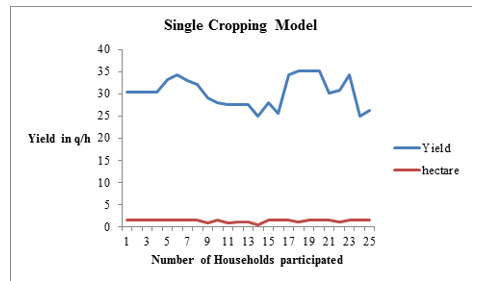
Figure 3: Single Cropping: Source Computation, 2020
Diversify the Source of Income for Internally Displaced People
Most of the time, Internally Displaced People are supposed to be supported by humanitarian agencies directly providing relief grain for food consumption in specified camps; however, sometimes they find it difficult to obtain food early and, as a result, fail into food insecurity and malnutrition. In parallel with humanitarians’ aid, for internally displaced people, searching for alternative enterprises that support them in earning extra income from different sources is a possible option. Thus, this research was intended to help internally displaced people in the Babile district through climate-smart agricultural technologies such as cropping models, markets and networking and the creation of linkages with different stakeholders. Accordingly, a number of agricultural technologies were provided to them, and they earned a large amount of income from those technologies, the results of which are in accordance with the findings of. Among the crops they produced, the Melkam variety performed well in yield, and they sold the surplus products to market at a good price with a low cost of transactions because linkages and networking created for IDPs with primary cooperatives and unions nearby means that they come home for the market. In those three cropping models, double cropping helped in earning extra income from sorghum and Haricot-bean in different time periods during both the off-season and the active season.

|
Models of Cropping |
Varieties |
Amount produced (quintal) |
Marketed (quintal) |
Home consumed (quintal) |
|
Double |
Melkam |
1051.3 |
950 |
101.3 |
|
|
KTAB1 |
440.7 |
400 |
40.7 |
|
Intercropping |
Melkam |
296 |
250 |
46 |
|
|
KTAB1 |
125.6 |
100 |
25.6 |
|
Single |
Melkam |
757.5 |
450 |
300.5 |
Table 2: Home Expenditures
In addition to double cropping, intercropping also helps them earn good income from crops produced at times where it is difficult to earn grain food and purchase school materials, clothes, and other home expenditures for children in the off-season. However, the single cropping producers suggested that they would round the first two cropping models in the future because they could not earn more than the first two cropping producers would. The amount of production marketed and used for home consumption from these crops is depicted in graphs 1, 2, 3 and 4.


Figure 4: Cropping Models: 2020
Ways of Communicating the Results
The implementation and performance of these climates of smart agricultural technology, knowledge and skill promotion were performed through different media, such as TV programs, FM radio, field days, workshops, published printing materials and exchange visits. Accordingly, many farmers, pastorals, and other development practitioners shared many lessons and experiences from many prepared events and pledged to involve these lessons in their programs.

Feedback of Internally Displaced Peoples
They suggested that support by such productive technology is very important and should be continued for other IDPs who have not obtained opportunities for enrollment in such productive research work.
Challenges Faced
Among the 75 selected households, five households left the study after being enrolled in the first phase of implementation, with practical field farming by their own issue, and one household left out the study after the crops were sown in the field. There is also a sense of dependence of the IDPs on other efforts of humanitarian aid and direct interventions of government and nongovernment organizations in support of all their problems.
Opportunities
There are many improved agricultural technologies that provide high yields, are cost effective and are demand driven on the market and in terms of the environmental context. Among those agricultural technologies, improved crop varieties, animal feeds, mechanization and improved postharvest storage, such as PICS, are rare. In addition to physical inputs, there are highly qualified professionals and committed leaders in community services with well-designed agricultural policies and strategies at the country level.
Conclusion and Policy Implications
Conclusion
Internially displaced people are mostly susceptible to different hardships, such as food insecurity, malnutrition, mental dissatisfaction, and instable income. To alleviate these hardships, the first activity of the government, nongovernment and other development bodies works is humanitarian aid, which may not be sustainable or provided early. If this humanitarian income is not enough to ensure the stable livelihood of IDPs, alternative income sources for searching for enterprises such as agriculture are found as options. Accordingly, on the basis of these findings, climate- smart agriculture technologies providing different cropping models were applied, among which double and intercropping models were found to be beneficial and helped IDPs ensure food security and alternative income sources in hard times. Moreover, different media coverage technologies were used to disseminate these lessons and experiences.
Policy Implications
• It is advisable to engage IDPs in country agriculture policy rather than focus mostly on direct aid.
• Improved agricultural technologies were found to be feasible sectors for IDPs; thus, further promotion of these lessons by government and humanitarian aid agencies is important.
• When these lessons and experiences are scaled up to other places such that IDPs are created through locally available agricultural technologies, the government and other stakeholders are good.
Conclusion and Policy Implications
Conclusion
Internially displaced people are mostly susceptible to different hardships, such as food insecurity, malnutrition, mental dissatisfaction, and instable income. To alleviate these hardships, the first activity of the government, nongovernment and other development bodies works is humanitarian aid, which may not be sustainable or provided early. If this humanitarian income is not enough to ensure the stable livelihood of IDPs, alternative income sources for searching for enterprises such as agriculture are found as options. Accordingly, on the basis of these findings, climate- smart agriculture technologies providing different cropping models were applied, among which double and intercropping models were found to be beneficial and helped IDPs ensure food security and alternative income sources in hard times. Moreover, different media coverage technologies were used to disseminate these lessons and experiences.
Policy Implications
• It is advisable to engage IDPs in country agriculture policy rather than focus mostly on direct aid.
• Improved agricultural technologies were found to be feasible sectors for IDPs; thus, further promotion of these lessons by government and humanitarian aid agencies is important.
• When these lessons and experiences are scaled up to other places such that IDPs are created through locally available agricultural technologies, the government and other stakeholders are good.
References
- Internal Displacement Monitoring Center. 2019. Global report on internal displacement.
- Wanninayake, S. (2019).A brief conceptual analysis on conflict induced internal displacement, return and resettlement. Sri Lanka Journal of Sociology, 1(1), 121-150.
- Regasa, D., & Lietaert, I. (2022). In search of the invisible people: revisiting the concept of “internally displaced persons” in light of an Ethiopian Case Study. Refugee Survey Quarterly, 41(2), 320-341.
- Masresha, B. (2020). Thriving to survive: resettlement of internally displaced persons in Sululta Town of Oromia Regional State, Ethiopia. Unpublished master’s thesis]. Addis Ababa University.
- Yigzaw, G. S., & Abitew, E. B. (2019). Causes and impacts of internal displacement in Ethiopia. African Journal of Social Work, 9(2), 32-41.
- International Organization for Migration. (2019a). Rapid response assessment Benishangul Gumuz/East and West Wellega: Round 1 (8–16 February 2019).
- Tesfaw, T. A. (2022). Internal displacement in ethiopia: a scoping review of its causes, trends and consequences. Journal of Internal Displacement, 12(1), 2-31.
- Assefa, M. (2019). Inter-ethnic violent conflict in the case of Oromia and Somali regional states. Institute for Peace and Security Studies, Addis Ababa University.
- United Nations Organization for the Coordination of Humanitarian Affairs. (2018). Ethiopia: Conflict displacement situation report no. 2.
- Easton-Calabria, E., Delina, A., & Gezahegn, G. (2020). IDPs in secondary cities: good practices and ongoing challenges from Ethiopia (Research in Brief 16). Refugee Studies Centre, University of Oxford.
- Dugo, H., & Eisen, J. (2018). The great displacements of 2017: Acts of genocide in Ethiopia. Africology: The Journal of Pan African Studies, 12(6), 48-74.
- Tola, T. (2019). State obligation for the protections of the rights of IDPs: In case of Oromo people displaced from Ethiopian Somali Region. Unpublished master’s thesis]. Addis Ababa University.
- Internal Displacement Monitoring Center. 2021. Global report on internal displacement.