

International Journal of Health Policy Planning(IJHPP)
ISSN: 2833-9320 | DOI: 10.33140/IJHPP
Impact Factor: 1.08


Review Article - (2025) Volume 4, Issue 2
Causes and Conditions of Violence Against Children: The Case of Rape
Received Date: Mar 20, 2025 / Accepted Date: Apr 23, 2025 / Published Date: May 28, 2025
Copyright: ©2025 BULGAMAA Rinzaan. This is an open-access article distributed under the terms of the Creative Commons Attribution License, which permits unrestricted use, distribution, and reproduction in any medium, provided the original author and source are credited.
Citation: Rinzaan, B. (2025). Causes and Conditions of Violence Against Children: The Case of Rape. Int J Health Policy Plann, 4(2), 01-08.
Abstract
The main goal of our research is to examine the rising incidence of rape and indecent assault against minors despite strengthened legal measures and prevention efforts. It aims to identify and analyze the key contributing factors—such as family instability, inappropriate relationships, household alcoholism, unsupervised internet use, and inadequate child supervision—that place children, particularly those aged 8–17, at heightened risk. The research seeks to assess the effectiveness of current prevention and protection strategies and highlight the need for improved implementation, professional capacity, and societal commitment to safeguarding children's rights. Ultimately, it strives to inform more effective, evidence-based interventions to reduce and prevent sexual violence against minors.
The number of rapes and indecent assaults on minors has increased annually, with an average of 320 cases registered per year, although a slight decrease is projected for 2024. Despite strengthened legal measures and the efforts of NGOs, the incidence of child rape has continued to rise by 14.2–22.8 percent each year, and many cases remain hidden behind statistics on births and abortions.
Key contributing factors include family instability, inappropriate relationships, household alcoholism, unsupervised internet use, and inadequate child supervision, with most victims aged 8–17 and the majority of perpetrators being adults with lower educational attainment. Effective prevention and response require not only robust laws but also coordinated implementation, professional capacity, and a societal commitment to upholding children's rights and protection.
Keywords
Child Sexual Abuse Prevention, Legal and Societal Response, Evidence-Based Intervention
Introduction
There are any intentional harm or mistreatment to a child under 18 years old is considered child abuse. Child abuse takes many forms, which often occur at the same time.
Physical abuse. Physical child abuse occurs when a child is purposely physically injured or put at risk of harm by another person.
Emotional abuse. Emotional child abuse means injuring a child's self-esteem or emotional well-being. It includes verbal and emotional assault such as continually belittling or berating a child as well as isolating, ignoring or rejecting a child.
Medical abuse. Medical child abuse occurs when someone gives false information about illness in a child that requires medical attention, putting the child at risk of injury and unnecessary medical care.
Neglect. Child neglect is failure to provide adequate food, clothing, shelter, clean living conditions, affection, supervision, education, or dental or medical care.
In many cases, child abuse is done by someone the child knows and trusts — often a parent or other relative. If you suspect child abuse, report the abuse to the proper authorities.
Sexual abuse. Child sexual abuse is any sexual activity with a child. This can involve sexual contact, such as intentional sexual touching, oral-genital contact or intercourse. This can also involve noncontact sexual abuse of a child, such as exposing a child to sexual activity or pornography; observing or filming a child in a sexual manner; sexual harassment of a child; or prostitution of a child, including sex trafficking.
The Preamble to the Constitution of Mongolia states that “the establishment and development of a humane, civil, democratic society in the country shall be the supreme goal,” and Article 1(2) of the law states that “democratic principles, justice, freedom, equality, ensuring national unity, and the rule of law shall be the fundamental principles of state activity.” Article 19(1) reinforces the basic norms that the State shall be responsible to its citizens for the creation of economic, social, legal, and other guarantees that ensure human rights and freedoms, for combating violations of human rights and freedoms, and for restoring violated rights.”
Since the adoption of its Democratic Constitution, Mongolia has been following the Criminal Code (1986, 2002), and the Criminal Code (2015) has become a law with a wide range of regulations in terms of concepts and objects of protection. Chapter Twelve of the Criminal Code. Crimes against human sexual freedom and inviolability (Articles 12.1-12.5), and the crime analyzed in this article is Article 12.1 of the Criminal Code. The crime of rape, as well as Article 12.2 of the law. The quantitative data on the registered, processed, and resolved crimes of sexual misconduct were analyzed, and some issues to be considered in the processing of this type of crime were identified and used to develop a preliminary questionnaire for a qualitative study.
Emotional and Sexual Violence
What is Emotional Violence?
Emotional violence (also referred to as mental or psychological abuse) can be carried out in many ways. Threatening, insulting, rejecting, ignoring, ridiculing or scaring a child are all forms of emotional violence. So too are neglecting children’s educational needs, subjecting them to solitary confinement, or denying emotional responsiveness.
Emotional violence also known as emotional abuse, psychological abuse, or mental abuse is a pattern of behavior in which one person deliberately tries to control, manipulate, or harm another person’s emotional well-being. The form of abuse can occur in any relationship, including between partners, family members, or caregivers and children.
Many children who experience physical violence also suffer from emotional violence, often perpetrated by the people closest to them. Parents and caregivers are some of the most frequently cited offenders.
While emotional violence may be difficult for both the victim and outsiders to detect, its scars can be just as severe as those left by physical violence. Children who experience recurrent episodes of psychological abuse often blame themselves, internalizing their abuser’s harmful words and actions. They may come to see themselves deficient in ways that follow them through adulthood, leading to depression, anxiety, post-traumatic stress, low self- esteem, isolation and insecure attachment. At least one study has revealed that the consequences of emotional violence may vary according to form: Children who are terrorized by their caregivers tend to face anxiety, trouble sleeping and other issues as adults, while those who are ignored or degraded may develop borderline personality disorders.
Again, none of these consequences is inevitable. Children who
receive the right support can begin to heal and go on to thrive.
-Emotional Violence Against Children:
-Includes neglecting educational needs, solitary confinement, or denying emotional responsiveness
-Often co-occurs with physical violence, especially by parents or caregivers
-Effects of Emotional Violence
-Short-Term Effects:
-Anxiety, fear, confusion
-Shame, guilt, hopelessness
-Difficulty concentrating, sleep problems
-Physical symptoms like headaches or stomachaches
-Withdrawal from friends and family
Long-Term Effects:
-Depression, anxiety, and post-traumatic stress disorder (PTSD)
-Low self-esteem and feelings of worthlessness
-Difficulty with trust and relationships
-Substance abuse, eating disorders, self-harm, or suicidal thoughts
-Chronic pain and other physical health problems
-Developmental delays, learning difficulties, behavioral problems, and changes in brain development
Why Emotional Violence Is Serious
Emotional violence can be as damaging as physical abuse, even though it often leaves no visible scars. Its effects can last for years, impacting mental, emotional, and physical health. Victims may blame themselves, feel powerless, or become isolated. In children, the consequences can follow them into adulthood, affecting their ability to form healthy relationships and regulate emotions.
The scars of emotional abuse are real and long-lasting. Physical violence is often seen as being more serious than emotional abuse, but this simply isn’t true. While the effects of emotional violence can be profound, recovery is possible with the right support. Therapy, supportive relationships, and safe environments are crucial for healing. If you or someone you know is experiencing emotional violence, seeking help from professionals or support organizations is strongly recommended.
Emotional violence is a serious form of abuse that involves repeated behaviors intended to harm another’s emotional health. Its impacts are deep and lasting, but with support, healing is possible.
What is Sexual Violence?
Often accompanied by physical or emotional violence, sexual violence ranges from direct physical contact to unwanted exposure to sexual language and images. It encompasses situations in which a child is forced to perform a sexual act, coerced to expose her or his body parts (in person or online), pressed to view the sexual activities of others, subjected to sexual advances by adults or peers, and many other acts of abuse. Rape is a severe form of sexual violence that may be inflicted by an individual or group as a punishment or weapon of war.
Children are more vulnerable than adults to sexual violence. Their limited perception of what constitutes abuse elevates their risk of victimization. And they may be unaware of perpetrators’ motives, thus more susceptible to manipulation and coercion.
Suffering sexual violence during childhood impedes all aspects of development. Physically, abuse can result in considerable injury, early pregnancy, and HIV or other sexually transmitted infections. Psychological consequences include depression, anxiety, panic disorders and a range of self-harming behaviors, like eating disorders and suicidal thoughts. Children may cope with their experiences by running away, skipping school, turning to drugs and alcohol, or engaging in risky sexual activity – behaviors that often isolate them, raising their exposure to more abuse.
In these ways and others, the social harm associated with sexual violence can be severe. Child victims may develop insecure or disorganized attachments, especially when violated by a person they depend on. They may grow up struggling to trust others and to maintain close relationships. Some enter adulthood without ever receiving the support they need to speak of their abuse. Because sexual violence can be shrouded in stigma and shame, silence remains the crushing burden of the survivor.
Sexual violence is any unwanted sexual act or behavior imposed on a person without their consent, often involving coercion, force, or manipulation. It includes a wide range of acts such as rape, sexual assault, child sexual abuse, incest, sexual harassment, sexual exploitation, unwanted sexual contact or touching, exposure to sexual language or images, and forced participation in sexual acts. Children are particularly vulnerable to sexual violence due to their limited understanding of abuse and susceptibility to manipulation. Sexual violence against children can involve forcing them to perform sexual acts, exposing their bodies, coercing them to witness sexual activities, or subjecting them to sexual advances by adults or peers.
The consequences of sexual violence are severe and multifaceted. Physically, victims may suffer injuries, early pregnancy, and sexually transmitted infections including HIV. Psychologically, victims often experience depression, anxiety, panic disorders, self- harming behaviors, and suicidal thoughts. Socially, survivors may develop insecure attachments, struggle with trust and relationships, and face stigma and shame that often lead to silence and isolation.
Sexual violence can be perpetrated by strangers, acquaintances, family members, or intimate partners. It occurs in various contexts including domestic settings, workplaces, schools, and during armed conflict, where it may be used systematically as a weapon of war.
Child Sexual Violence: Key Facts and Impacts
Child sexual violence encompasses any deliberate sexual act or exploitation perpetrated against a child, including contact (e.g., rape, assault) and non-contact acts (e.g., exposure to pornography, voyeurism). It affects millions globally, with 1 in 5 girls and 1 in 7 boys experiencing sexual violence during childhood.
Approximately 650 million women and girls globally have endured childhood sexual violence. Sub-Saharan Africa reports the highest rates (22% of girls), followed by Eastern and South- Eastern Asia. In armed conflicts, systemic sexual violence remains a grave violation of children’s rights.
Recent estimates suggest nearly 1 in 8 girls (over 370 million) experience abuse before age 18. Between 240 and 530 million men and boys are affected, with underreporting due to stigma. In conflict zones, boys face sexual slavery (e.g., Afghanistan’s Bacha Baazi system) and coercion to commit abuses.
Over 90% of offenders are known to victims—30% are relatives, 60% family friends, neighbors, or authority figures.
Males commit 88–94% of substantiated cases, though females account for 6–40% of abuses against boys.
Sexual violence is weaponized to terrorize populations, displace communities, and exploit children, often leading to stigmatization and trafficking.
Long-Term Consequences: Mental health: Survivors face elevated risks of PTSD, depression, substance abuse, and suicidal tendencies. Physical health: Chronic conditions (e.g., obesity, cancer) and reproductive health issues (e.g., unplanned pregnancies) are common. Social stigma as victims, especially in conflict areas, endure ostracization and barriers to reintegration.
Causes and Conditions of Violence Against Children Rape
Structural Inequalities and Poverty as poverty exacerbates vulnerabilities, with children in low-income households facing higher risks of exploitation, including sexual abuse. Economic stress may force families into high-risk environments or compel children into labor, increasing exposure to perpetrators.
Perpetrator Tactics and Risk Conditions as targeting vulnerable children: Perpetrators often seek out passive, isolated, or neglected children from broken homes, exploiting trust to groom victims.
Cultural and Social Norms:
-Normalization of violence as discipline or control, particularly in patriarchal societies, fosters acceptance of abusive behaviors.
-Gender inequities place girls at higher risk of rape, though boys (particularly in conflict zones) also face significant threats.
-Conflict and Armed Violence: In war-torn regions like Sudan, rape is weaponized to terrorize communities, with armed groups targeting children as young as 1 year old.
Family Dysfunction and Caregiver Factors:
-Domestic violence and parental substance abuse create unstable environments where children are more likely to be targeted.
-Single-parent households or large families may reduce parental oversight, leaving children unprotected.
-Intergenerational trauma: Parents with histories of abuse are more likely to perpetuate cycles of violence.
Environmental Factors:
-Residential settings as over 80% of abuse against children under 12 occurs in homes, often by known individuals.
-Institutional failures as weak legal frameworks and delayed justice enable impunity, aespecially in regions with political instability.
Consequences and Systemic Gaps:
-Health Impacts as survivors face lifelong physical and mental health challenges, including STIs, PTSD, and increased risk of substance abuse.
-Underreporting as fear of stigma, retaliation, or lack of access to services leads to significant underreporting, particularly for boys.
-Legal and Cultural Barriers as inadequate implementation of child protection laws and societal tolerance of violence perpetuate cycles of abuse
Analysis and Comparisons of Crime as Rape
Analysis about the Status of the Police Registering and Investigating this Type of Crime
Article 4.1 of the Law on Police Service (2017) states that the Police Service shall fight crime, … and carry out this function within the scope of its powers specified in Article 10.1 of the Law. The following quantitative data on the work carried out by the police within the scope of its powers specified in Article 10.1.4 of the Law on Police Service, respectively, to register and investigate crimes under the law; and Article 10.1.10 of the Law on Police Service, respectively, to maintain a unified statistical register of crimes, violations, and persons convicted of them, and to make inquiries, was analyzed. Article 12.1 of the Criminal Code registered by the police in 2020-2024. Rape crime, and Article 12.2 of the Law. Quantitative study of crimes of sexual misconduct.
This crime resulted in a miscarriage or pregnancy of a person under the age of sixteen; rape of a person under the age of sixteen related to the family - 81, Article 12.1 4. This crime was committed against a minor - 990, Article 12.2 2. This crime was committed against a person over the age of fourteen and under the age of eighteen - 16, Article 12.2 3. This crime was committed against a minor - 46 crimes.
From table ass below, it is noteworthy that the number of crimes of this type has increased steadily, 4. This crime was committed against a minor - 990, which is an increase of 1.8 percent compared to the 2020 figures for this type of crime. Article 12.1 of the Criminal Code registered in the last 5 years. Rape crime, as well as Article 12.2 of the law. Of the 1,601 crimes of sexual misconduct registered, an average of 320 crimes were registered and investigated over the past 5 years. In light of the above table, the current state of detection of this type of crime is as follows:
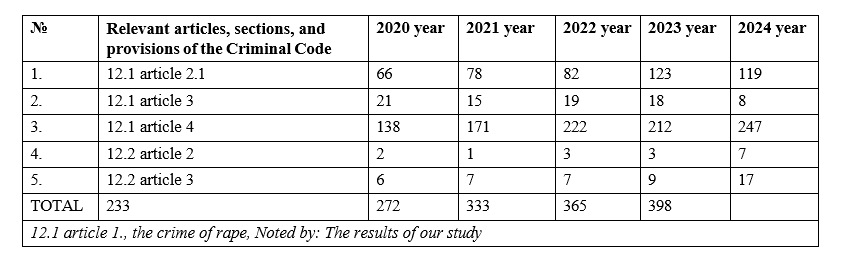
Table 1: Number of People Registered and Checked
Comparing the crime detection rate, the detection rate of the crime in 2020 was average and above average, while the detection rate of the crime in 2024 has decreased sharply, which is related to the decrease in the detection rate of the above crimes for each crime. In addition, it is necessary to determine the reasons for the decrease in the detection rate of this type of crime through the results of a comprehensive study.
The figures indicating the personal status of the victims of the above detected crimes are: 1553 women, 77 men, 110 children are 0-7 years old, 685 children are 8-13 years old, and 835 children are 14-17 years old. In terms of social status, the victims are 1320 secondary school students, 21 school dropouts, 60 students, and 229 others.
Considering the gender and age of the victim, according to the statistics released by the Health Development Center over the past 5 years, 98 minors and 11,878 minors were born, and 215 minors and 2,950 minors had abortions.
|
Age |
2020 year |
2021 year |
2022 year |
2023 year |
2024 year |
TOTAL |
|
Between 10-14 age |
11 |
18 |
22 |
24 |
23 |
98 |
|
Between 15-19 age |
2934 |
2553 |
2386 |
2074 |
1931 |
11878 |
|
Noted by: The results of our study |
||||||
Table 2: The Number of People Born (2020-2024)
|
Age |
2020 year |
2021 year |
2022 year |
2023 year |
2024 year |
TOTAL |
|
Between 10-14 age |
30 |
35 |
41 |
40 |
69 |
215 |
|
Between 15-19 age |
675 |
618 |
587 |
571 |
499 |
2950 |
|
Noted by: The results of our study |
||||||
Table 3: Number of People Who Have Had Abortions
The statistical data released by the Health Development Center should be studied in detail in relation to the age and social status of the victims of the above-mentioned crimes. For example, it is possible to compare the age and quantitative data of the victims of crimes registered in the last 5 years with the quantitative data released by the organization, conduct qualitative research, and draw conclusions from this to identify unregistered and undetected victims of crimes, prevent this type of crime, and take action.
In addition, 1597 disabled minors were victims of the above- mentioned crimes registered in 2022-2024, of which 19 were disabled, and by type of disability: 1/ intellectual disability-15, 2/ dual disability or speech and hearing disability-3, 3/ hearing disability-1 person. We are closely monitoring and studying the fact that, despite quantitative research on the age and health status of victims of this type of crime, preventive and intervention efforts are being organized in stages, there are many conclusions that are ineffective.
Resolution of this Type of Crime Referred to the Prosecutor's Office
In the last 5 years, the police agency has registered and investigated 1,601 such crimes, and referred 1,501 crimes to the prosecutor's office.
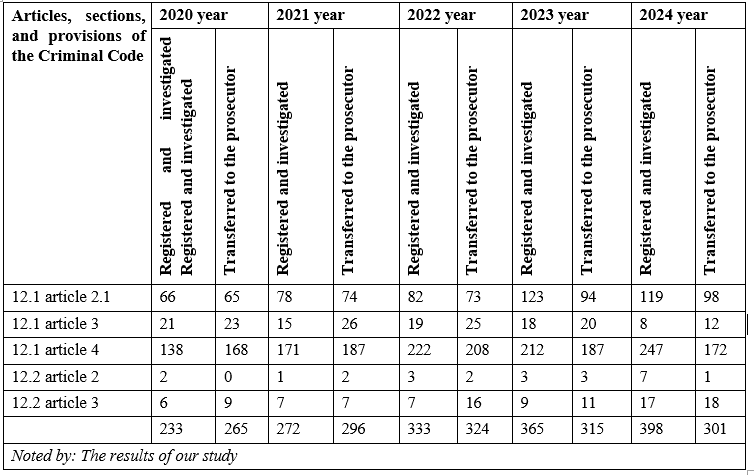
Table 4: Dismissal by the Prosecutor
The police transferred 1,501 such crimes to the prosecutor's office, and 1,413 of them were convicted. In terms of age, the defendants who committed the above-mentioned crimes were 134 under the age of 18, 294 between the ages of 19 and 25, 351 between the ages of 26 and 35, 265 between the ages of 36 and 45, 92 between the ages of 46 and 55, and 54 over the age of 56, with the majority of those aged 19 to 45.
In terms of education, 112 defendants had no education, 171 had primary education, 279 had incomplete secondary education, 531 had complete secondary education, and 97 had higher education, of which 91.8 percent had less than complete secondary education.
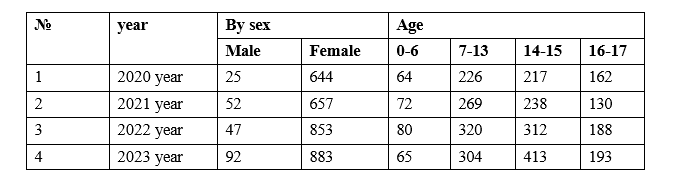
Table 5: Quantitative Survey of People who Underwent Examination Due to Being Victims of Sexual Violence (age, gender)
A total of 4,161 people has been examined by the forensic examination office on the grounds of being victims of sexual violence in the last 5 years. The above figures are only the figures for those who came to know that they were victims of this crime, and there is a need to examine in detail the discrepancy between the 1,601 registered by the police in the last 5 years and the 1,501 crimes of this type transferred by the police to the prosecutor's office, and the 1,413 crimes that were prosecuted.
Conviction for Crimes Against Human Sexual Freedom and Inviolability
Over the past 5 years, a total of 902 people has been convicted of crimes under Article 12.1 of the Criminal Code, which is the crime of rape, and Article 12.2 of the law, which is the crime of indecent sexual gratification.
|
year |
2020 year |
2021 year |
2022 year |
2023 year |
2024 year |
TOTAL |
185 |
|
number |
101 |
149 |
212 |
218 |
222 |
902 |
|
|
Noted by: The results of our study |
|||||||
Table 6: Number of People Convicted (2020-2024)
The prisoners serving prison sentences, a total of 26 were convicted of Article 12.1 of the Criminal Code. Rape, and Article 12.2 of the Code. Repeated sexual assault by a minor against a minor. Although the perpetrators of the above crimes were sentenced to prison, 360 prisoners have been released early since 2020.
It is worth noting that the number of prisoners released early in 2024 compared to the same period of the previous year decreased by 18 or 21 percent, as a result of the amendments and amendments made to the Criminal Code on December 7, 2023, which provided for the early release of prisoners who committed the crime specified in Article 12.1, Part 4, or rape against a minor, from prison sentences and did not impose supervision.
Status of release after conviction for crimes against a minor: According to the statistics released by the court enforcement agency, from 2013 to 2023, there were 3,813 persons who were sentenced to prison for crimes of special classes 10.1 (murder) and 12.1 (rape) of the Criminal Code and were released after serving their sentences.
|
Legal basis |
Convicted of rape /against a child over 14 years of age or an adult/ |
Convicted of rape /against a child under 14 years of age/ |
TOTAL |
|
Under the Amnesty Law |
28 |
0 |
34 |
|
By the Decree of the President of Mongolia |
0 |
1 |
6 |
|
Released after the expiration of the prison sentence |
232 |
61 |
463 |
|
Released early by a judge's order |
895 |
404 |
2968 |
|
Released due to illness |
5 |
17 |
97 |
|
By the Supreme Court's decision |
5 |
6 |
22 |
|
Subject to the Criminal Code Equalization |
58 |
45 |
220 |
|
Released after the sentence of restriction of travel was changed to a sentence of restriction of travel in accordance with the Amnesty Law of 2021 |
3 |
0 |
3 |
|
TOTAL |
1,226 |
534 |
3,813 |
|
Noted by: The results of our study |
|||
Table 7: Number of Prisoners Released Early (2020-2024)
According to the table above, the number of people convicted of rape of minors and released is 534. This accounts for 30.3% of all persons convicted of rape. The reason for the release of persons convicted of these serious crimes was the release of persons from prison before the end of their term by a judge's order in 77.8 percent of cases.
Conclusion
The number of rapes and indecent assaults on minors is increasing every year, with an average of 320 cases registered per year, or 0.8 cases per day, and the number of cases detected in 2024 is expected to decrease by 6-20 percent compared to previous years. Despite the efforts of non-governmental organizations working to prevent,suppress, and protect victims of this type of crime, and numerous studies conducted with international support, the capacity of the law to combat crimes against sexual freedom and inviolability has improved dramatically, but the number of rapes of minors has steadily increased by 14.2-22.8 percent each year.
Behind the statistics of 11,976 births and 3,165 abortions between 2020 and 2024, crimes against minors and young children “against human sexual freedom and inviolability” are hidden methods and forms. It can be concluded from the statistics of 4,161 people who have been examined by the Forensic Investigation Agency on the grounds of being victims of sexual violence in the last 5 years, 1,601 crimes registered with the police in the last 5 years, and 1,501 crimes transferred by the police to the prosecutor's office, of which 1,413 crimes were prosecuted.
The main reasons for the commission of this type of crime are family instability, inappropriate relationships, alcoholism in the household, uncontrolled use of the Internet, and weak supervision of children in risky situations. In 2024, 19 boys were victims of child rape, an increase of 11.5 percent compared to the same period of the previous year. It was determined that children aged 8-17 were the most affected by these crimes, while the Forensic Investigation Agency recorded 47 children undergoing examination for this type of crime.
The majority of the accused, 91.8 percent, are people with lower, incomplete secondary, and complete secondary education, which means that perpetrators of this type of crime are not aware of the punishment imposed for rape and sexual indecency, which is measured by their level of education. In terms of the age of the accused who committed rape and sexual indecency against minors and minors, the majority are between the ages of 26-35, and 93 percent of the crimes were committed in homes.
Organizing information, advocacy, and events to prevent this type of crime can have a severe psychological impact on victims, which can lead to suicidal tendencies. In addition, since excessive punishment can be life-threatening for victims, posting information that influences the mindset of perpetrators online is an effective way to prevent this type of crime, as proven by foreign experience. The essence of laws to combat sexual violence against children is not to prove crimes that have already been committed, but to prevent them. Their implementation is related to social and economic conditions, but it largely depends on the cooperation of state institutions, the attitude of officials to uphold the rule of law and protect human rights and freedoms, knowledge, and professional skills. Therefore, it is worth mentioning that the results of the fight against sexual violence depend not only on the content and nature of the adopted laws and administrative regulations, but also on the system for their implementation, the activities and mindset of citizens and officials [1-31].
References
- Gender-based domestic violence. Handbook, Ulaanbaatar 2016.
- Survey of domestic violence victims Davaasuren.D, Enkhjin.E, Nansalmaa.Sh GSNCT NEMA.
- https://safefuture.mn website. Survey conducted by the National Center for Child Protection
- Ministry of Health, Ministry of Health, World Health Organization, Gender-based violence and violence against children in Mongolia, Ulaanbaatar, 2007
- Analysis of the client records of the GSNCT, GSNCT NSC, Metropolitan Police Prevention Service, and women's shelters in Ulaanbaatar under the GNCT, Ulaanbaatar, 2007
- GSNCT, GSNCT NSC Service Center's victim and survivor statistics for the last 3 years, 2016.
- UNFPA, Domestic Violence, Juvenile Delinquency, Impact, and Future Trends, Ulaanbaatar, 2014.
- WHO, Services for Victims of Domestic and Sexual Violence, Ulaanbaatar, 2010 7. Bathishig. A, Myagmar. O, Nyamdorj.M, Child Protection Services, Ulaanbaatar, 2009.
- Ministry of Health, WHO, Trauma and Rehabilitation Clinic, Report on Violence and Health in the Republic of Mongolia, Ulaanbaatar, 2006
- Ts. Tselmeg. Criminology. Ulaanbaatar, 2015.
- Report of the National Human Rights Commission 2025
- S. Narangerel. Criminal Law”/general class/ UB., 1999.
- Ch. Nyamsuren. General theory of law and state. UB city, 2004
- Ch. Nyamsuren. Victimology of crime. UB city, 2015
- Ch. Nyamsuren. Some issues of the legal status of the victim of crime. Dissertation, UB city, 2013
- Bolen, R. M., & Scannapieco, M. (1999). Prevalence of child sexual abuse: A corrective metanalysis. Social Service Review, 73(3), 281-313.
- Finkelhor, D., Hotaling, G., Lewis, I. A., & Smith, C. (1990). Sexual abuse in a national survey of adult men and women: Prevalence, characteristics, and risk factors. Child abuse & neglect, 14(1), 19-28.
- Wilson, L. C., Waldron, J. C., & Scarpa, A. (2014). Disinhibition as a mechanism in sexual victimization: A prospective study. Journal of Aggression, Maltreatment & Trauma, 23(8), 869-880.
- Neumann, D. A., Houskamp, B. M., Pollock, V. E., & Briere,J. (1996). The long-term sequelae of childhood sexual abuse in women: A meta-analytic review. Child maltreatment, 1(1), 6-16.
- Paolucci, E. O., Genuis, M. L., & Violato, C. (2001).
- Paolucci, E. O., Genuis, M. L., & Violato, C. (2001). A meta- analysis of the published research on the effects of child sexual abuse. The Journal of psychology, 135(1), 17-36.
- Rind, B., Tromovitch, P., & Bauserman, R. (1998). A meta- analytic examination of assumed properties of child sexual abuse using college samples. Psychological bulletin, 124(1), 22.
- Shonkoff, J. P., Boyce, W. T., & McEwen, B. S. (2009). Neuroscience, molecular biology, and the childhood roots of health disparities: building a new framework for health promotion and disease prevention. Jama, 301(21), 2252-2259.
- Higgins, D. J., Mathews, B., Pacella, R., Scott, J. G., Finkelhor,D., Meinck, F., ... & Dunne, M. P. (2023). The prevalence and nature of multiâ?type child maltreatment in Australia. Medical Journal of Australia, 218, S19-S25.
- Mathews, B., et al. (2024). Child sexual abuse perpetration by adults and peers: Findings from the Australian Child Maltreatment Study. Journal of Interpersonal Violence.
- Salter, M., et al. (2021). Parental figures in child sexual abuse material: An Australian case study. Child Abuse & Neglect, 122, 105335.
- Teunissen, H. A., et al. (2022).Solicitation of child sexual abuse material via dating apps: An Australian survey. Journal of Sexual Aggression, 28(2), 123-137.
- El-Murr, A. (2017). Harmful sexual behaviours in children: Areview of the literature. Australian Institute of Family Studies.
- Fitz-Gibbon, K., et al. (2022). Adverse childhood experiences and harmful sexual behaviors: A systematic review. Trauma, Violence, & Abuse, 23(4), 1234-1249.
- Paton, K., & Bromfield, L. (2022).Understanding harmful sexual behaviours in children: A review of prevention frameworks. Child Abuse Review, 31(3), 145–160.
- Esposito, C., & Field, A. (2016). Risk factors for child sexual abuse: A meta-analytic review. Aggression and Violent Behavior, 31, 259-269.