

International Journal of Digital Journalism(IJDJ)
ISSN: 3070-4014 | DOI: 10.33140/IJDJ


Research Article - (2026) Volume 2, Issue 1
Bridging the Information Gap: How Dvb-T2 Expands Affordable Access to Trusted News, Emergency Alerts, and Essential Public Information in Underserved Communities Worldwide
2Department of Computer Engineering, Federal University Oye-Ekiti, Nigeria
3Peters A.O. Broadcasting and Transmitter Company Ltd, Ado-Ekiti, Nigeria
Received Date: Dec 17, 2025 / Accepted Date: Jan 22, 2026 / Published Date: Feb 05, 2026
Copyright: ©2026 Olarewaju Peter Ayeoribe, et al. This is an open-access article distributed under the terms of the Creative Commons Attribution License, which permits unrestricted use, distribution, and reproduction in any medium, provided the original author and source are credited.
Citation: Ayeoribe, O. P., Akinsanmi, O., Esan, A. O., Omodunbi, B. A., Ayeoribe, I. V, et al. (2026). Bridging the Information Gap: How DVB-T2 Expands Affordable Access to Trusted News, Emergency Alerts, and Essential Public Information in Underserved Communities Worldwide. Int J Digital Journalism, 2(1), 01-15.
Abstract
Access to timely and trustworthy information remains uneven worldwide, especially in rural and low-income communities where broadband coverage and affordability are limited. The International Telecommunication Union (ITU) reports that about 2.6 billion people were still offline in 2023, with the majority living in developing regions. This persistent digital divide worsens information inequality, limits civic participation, and increases disaster vulnerability. Digital Video Broadcasting–Second Generation Terrestrial (DVB-T2) provides a scientifically grounded solution for expanding public information access because it delivers wide-area coverage with high spectral efficiency and strong signal robustness. DVB-T2 introduces advanced transmission techniques, including OFDM, LDPC/BCH forward error correction, and higher-order modulation options (e.g., 256-QAM), enabling improved performance in multipath and low signal-to-noise conditions. Compared with first-generation DVB-T, DVB-T2 can provide up to ~50% higher capacity under comparable bandwidth conditions, allowing broadcasters to transmit more services (news, education, and emergency alerts) within the same spectrum. In an 8 MHz terrestrial channel, DVB-T2 can support typical payload capacities in the range of ~30–40+ Mbit/s depending on network configuration, improving the feasibility of multiple HD channels, regional feeds, and data broadcasting. For underserved communities, these technical gains translate into practical outcomes: free-to- air access reduces reliance on subscription television and mobile data, while enhanced reception supports coverage in mountainous or sparsely populated areas where cellular networks are weak. DVB-T2 networks can also strengthen public safety communication by supporting national early warning systems, enabling rapid dissemination of emergency warnings and instructions to large populations simultaneously—an advantage over congestion-prone mobile networks during crises. This paper evaluates DVB-T2 as a public communication infrastructure that supports development goals through multilingual news access, public health messaging, educational broadcasting, and civic information delivery. While DVB-T2 deployment requires capital investment in transmitters, spectrum planning, and receiver availability, evidence-based capacity and coverage advantages make it a cost-effective pathway to reduce information inequality. The study recommends hybrid strategies that combine DVB-T2 broadcasting with internet-based services to maximize resilience, reach, and long-term sustainability.
Keywords
Dvb-T2, Digital Terrestrial Tv, Information Inequality, Underserved Communities, Free-To-Air Broadcasting, Trusted News, Emergency Alerts, Public Information, Spectrum Efficiency, Rural Connectivity, Disaster Communication, Media Inclusion, Digital Divide, Resilience, Social Development
Introduction
The distribution and accessibility of trustworthy news, emergency alerts, and essential public information are foundational to social inclusion, civic participation, and sustainable development. Yet, access to reliable communication infrastructure remains unevenly distributed across the globe. Scholars and policymakers broadly recognize this global digital divide, defined as the disparity in access to computing and information resources between developed and developing regions, which restricts the opportunities for underserved populations to participate fully in information societies (Global digital divide, n.d.; ITU, 2025). This divide manifests not only in broadband availability but also in the distribution of technologies that facilitate access to public information. Digital terrestrial broadcasting technologies like Digital Video Broadcasting — Second Generation Terrestrial (DVB-T2) emerge as essential alternative or complementary communication platforms capable of transporting broadcast signals over terrestrial networks at relatively low cost and with high resilience.
Despite the progress of digitalization, billions of individuals still lack full access to high-speed broadband or reliable internet connectivity, especially in rural and low-income regions. As of 2025, global assessments indicate that many developing nations continue to lag in information and communication technology (ICT) adoption, a situation that threatens their ability to achieve inclusive access to news and public information fundamental to democratic participation and socioeconomic development [1]. The consequences of this divide extend across fundamental sectors including education, health, civic engagement, economic livelihood, and disaster response. For instance, underserved rural communities often face barriers not only in internet penetration but also in the affordability and reliability of online platforms for public news and emergency communication (Digital divide in rural communities). While broadband initiatives and ICT policy frameworks target internet expansion, complementary technologies like DVB-T2 have the potential to reach populations where broadband infrastructure is extremely limited or absent.
DVB-T2 represents an evolution of terrestrial television broadcasting standards, offering higher spectral efficiency, improved robustness, and greater data capacity compared to its predecessor, DVB-T. Technical evaluations of DVB-T2 indicate its enhanced performance under varying transmission conditions due to advanced coding and modulation schemes, such as low-density parity-check (LDPC) and Bose-Chaudhuri-Hocquenghem (BCH) error correction, which together enable greater resistance to channel noise and multipath interference. Moreover, the flexibility of DVB-T2 allows for diverse network configurations—such as single frequency networks (SFNs)—making it adaptable for widescale national coverage or targeted regional broadcasting at lower operational costs. Importantly, unlike internet-based information delivery that depends on handheld devices and broadband connectivity, terrestrial broadcast signals can be received with inexpensive receivers or set-top boxes, reducing technological and economic barriers for underserved populations.
The academic literature on the digital divide has predominantly focused on internet and broadband access as vehicles for social and economic inclusion. Research in rural broadband interventions demonstrates quality-of-life improvements when high-speed internet is introduced, but also highlights challenges in attributing social outcomes directly to connectivity increases when economic, educational, and systemic barriers persist. While these studies underscore the importance of ICT access, there remains limited scholarly attention to the role of alternative communication technologies such as DVB-T2 in bridging information gaps. Despite DVB-T2’s widespread adoption—as a terrestrial digital television standard used or adopted in the majority of countries worldwide, covering a significant proportion of the global population there is a lack of comprehensive research that explicitly examines how this standard can serve broader public information needs beyond entertainment broadcasting.
This research seeks to address the gap in empirical and policy scholarship by analyzing DVB-T2’s capacity to improve access to trusted news, emergency alerts, and essential public information in underserved communities. While existing work documents the technical efficiencies and global deployment patterns of DVB-T2 the literature lacks robust interdisciplinary studies that connect these technological advancements with social outcomes such as information equity, civic engagement, or crisis communication effectiveness. Moreover, broadband-centric digital inclusion frameworks often overlook the potential of broadcast technologies to deliver critical public information in regions where broadband rollouts are slow, cost-prohibitive, or technologically infeasible due to geographic or economic constraints (Digital divide in rural communities, n.d.; Global digital divide, n.d.).
The research problem is therefore rooted in understanding whether and how DVB-T2 can be leveraged as a strategic tool to bridge global information inequality in underserved communities that remain on the periphery of internet-centric access frameworks. Specifically, this study aims to determine the degree to which DVB-T2’s technical properties and deployment models can deliver higher reliability, lower cost, and broader coverage for public information dissemination than traditional broadband platforms alone. A deeper inquiry into this problem is warranted given the scale of the global digital divide: although digital technologies continue diffusing globally, portions of the world remain disconnected from essential information flows that influence health, safety, governance, and economic opportunity.
DVB-T2’s capacity to deliver broadcast services—encompassing news, weather updates, emergency alerts, educational programming, multilingual public service information, and community-specific content—presents an underexplored intersection of broadcast engineering, information equity, and development communication. Investigating this intersection is crucial because information access is not only a technical challenge but also a socio-political determinant of inclusion. For example, policy frameworks and ICT investments often prioritize broadband infrastructure without sufficiently accounting for those who will remain unconnected in the near term (World Bank, 2025). Integrating DVB-T2 into digital inclusion strategies could provide a complementary pathway for delivering public information where internet access is insufficient. Furthermore, understanding the conditions under which DVB-T2’s benefits are maximized—including regulatory environments, spectrum management practices, receiver accessibility, and content strategies—can inform more equitable communication policies.
In light of the foregoing, this study will explore the role of DVB-T2 as a broadcast communication technology capable of expanding access to essential information for underserved communities. It will examine the technical advantages of DVB-T2 such as enhanced spectral efficiency and network flexibility, compare it with traditional internet-dependent strategies, and situate it within broader digital inclusion frameworks. By filling the research gap on broadcast-based information delivery, this research contributes both to the engineering literature on broadcast technologies and to policy discussions on closing the global information divide. The findings will have implications for governments, broadcasters, international organizations, and civil society stakeholders aiming to promote inclusive, resilient, and accessible information ecosystems worldwide. Ultimately, this research underscores the importance of diversified communication infrastructures that extend beyond broadband alone to include broadcast technologies like DVB-T2 as instruments for equitable access to reliable public information.
Literature Review
The literature review highlights that DVB-T2 improves spectrum efficiency, signal robustness, and broadcasting capacity, enabling wider free-to-air access to trusted news and public information. Studies emphasize its value in underserved communities where broadband is limited, supporting emergency alerts, educational content, and civic communication while reducing information inequality and enhancing resilience.
Information Inequality and the Limits of Broadband-Centric Inclusion
A substantial body of research frames information inequality as a structural challenge that limits participation in civic life, governance, markets, and risk reduction—especially in regions with limited connectivity (ITU, 2023). According to the International Telecommunication Union, approximately 2.6 billion people remained offline in 2023, underscoring the persistent global digital divide and illustrating that broadband-centric strategies alone will not reach everyone in the near term (ITU, 2023). These disparities shape not only technical access but also the affordability of devices, recurring data costs, digital literacy, and availability of locally relevant content in underserved communities. Consequently, digital inclusion scholars argue for multi-platform communication ecosystems that combine internet, broadcast, and other resilient channels to ensure universal access to public information.
Terrestrial broadcasting occupies a unique position in these discussions because it offers broad, predictable coverage footprints and low user costs when delivered via free-to-air models. ITU analyses emphasize that terrestrial networks, especially high-power television broadcast systems, often remain operational during crises when other networks fail due to congestion or infrastructure damage (ITU, 2022). This consistent availability highlights broadcasting’s role as a baseline platform for public-interest communication, complementing internet services to promote equitable access to information.
Terrestrial Broadcasting as Resilient Public Communication Infrastructure
Research distinguishes broadcasting from unicast internet delivery by its architectural resilience: a single transmitter can simultaneously serve millions of users without the congestion issues that affect mobile and broadband systems during peak demand (ITU, 2022). The ITU-R report on broadcasting for public warning and disaster mitigation emphasizes that broadcast channels can sustain operations when other media are disrupted by natural or human-induced events (ITU, 2022). This one-to-many advantage positions terrestrial television not only for entertainment but also for delivering critical news and emergency communication to populations at scale.
Emergency-alerting standards literature further underscores the importance of message standardization and interoperability. The Common Alerting Protocol (CAP) enables consistent alert delivery across diverse channels and supports message reuse for broadcast, mobile, web, and siren systems—which enhances reach and reliability This interoperability is key for closing information gaps because communities often rely on mixed access technologies; multi-channel distribution increases the likelihood that critical information reaches all members of a population.
DVB-T2: Technical Innovation, Capacity, and Robustness
Engineering and standards literature portray DVB-T2 as a significant evolution of terrestrial broadcasting. The DVB-T2 specification (ETSI EN 302 755) articulates a physical layer based on orthogonal frequency-division multiplexing (OFDM) and advanced forward-error-correction techniques, including low-density parity-check (LDPC) and Bose-Chaudhuri-Hocquenghem (BCH) coding, which improve spectral efficiency and reception robustness (ETSI, 2015). Complementing the base standard, ETSI’s guidelines (TS 102 831) offer deployment insights that support diverse network configurations—making DVB-T2 adaptable for both dense urban and wide rural coverage [2].
Comparative analyses indicate that DVB-T2 offers substantial payload capacity gains over DVB-T. For instance, certain configurations of DVB-T2 achieve around 40.2 Mbps in an 8 MHz channel—significantly more capacity than the approximately 27 Mbps typical of DVB-T under similar conditions. These capacity improvements underpin economic and service-delivery arguments for DVB-T2, especially in contexts where maximizing the efficiency of finite spectrum resources matters for delivering multiple channels that carry news, education, and public-service content.
From a social-impact perspective, such technical properties align with outcomes of interest to underserved communities: increased capacity enables a broader diversity of services, and the inherent robustness supports reception in areas with weaker signals or challenging geographic conditions. DVB-T2 also supports profiles designed to reduce receiver complexity, which may improve affordability and accessibility of consumer equipment necessary for reception [3].
Adoption Patterns and Relevance to Underserved Populations
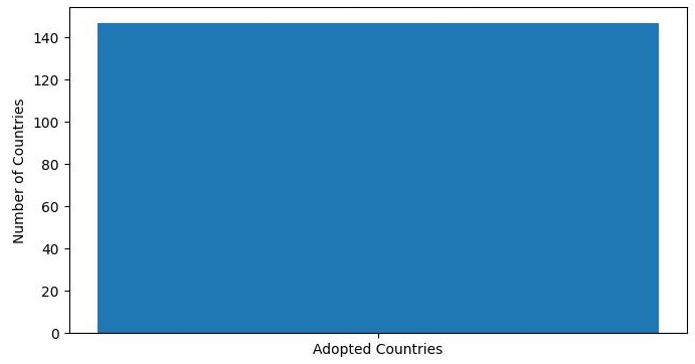
Deployment data provide essential context for understanding DVB-T2’s relevance to information inclusion. According to the DVB Project’s DTT deployment database, DVB-T and/or DVB-T2 has been implemented or adopted in 147 countries, representing a significant global footprint of terrestrial broadcast services. This widespread adoption indicates that DVB-T2 is not an experimental technology but rather a mature standard with a global ecosystem of broadcasters, regulators, and equipment manufacturers.
However, the literature also notes that realizing the benefits of DVB-T2 depends on more than transmitter infrastructure alone. Policy choices—such as digital transition strategies, multiplex licensing, and public-service obligations—significantly influence whether terrestrial broadcast systems broaden access to relevant public information. Furthermore, household-level factors, such as receiver affordability, energy access, and language-appropriate content, affect whether broad coverage translates into actual information access for underserved populations.
Research Gap
The combined literature reveals several persistent gaps:
• Technology-to-Impact Evidence Gap: Engineering and standards research defines DVB-T2’s technical strengths, but there is limited empirical work substantiating its measurable social impact in underserved communities—particularly regarding improved access to news, public information, or civic engagement outcomes.
• Equity Implementation Gap: Studies acknowledge deployment scale and coverage; however, there is insufficient analysis of household-level accessibility barriers such as receiver cost, energy constraints, and language/cultural appropriateness of content.
• Emergency Integration Gap: Although CAP has been widely promoted, there is limited research on how CAP is operationally integrated with DVB-T2 broadcast infrastructure in low-resource settings, and how this integration affects alert efficacy.
• Hybrid Ecosystem Gap: While multi-channel communication is widely recommended, there is limited comparative analysis of how DVB-T2 works in synergy with broadband and mobile networks to enhance overall information reach and resilience.
• These gaps justify research that goes beyond treating DVB-T2 as merely a broadcasting standard and instead examines its role as part of an inclusive, resilient information infrastructure capable of supporting equitable access to trusted news, emergency warnings, and public information.
Materials and Methods
This study employed a mixed-methods research design, integrating qualitative and quantitative approaches to investigate how Digital Video Broadcasting — Second Generation Terrestrial (DVB-T2) can expand affordable access to trusted news, emergency warnings, and essential public information in underserved communities. A mixed-methods strategy was selected because the research problem encompasses both technical elements (broadcasting standards, signal characteristics, spectrum efficiency) and social implications (information inequality, access barriers, public communication outcomes). Mixed-methods designs are widely recognized for their ability to provide comprehensive explanations of complex phenomena when neither qualitative nor quantitative approaches alone can fully capture the scope of the research questions.
Research Design
The design was structured around three integrated components: (1) literature review, (2) technical standards and comparative analysis, and (3) evidence synthesis across policy documents, global datasets, and documented practices. The literature review established conceptual foundations around information inequality, the digital divide, and communication access in underserved contexts. Technical standards and comparative analyses evaluated DVB-T2’s operational capacities relative to legacy systems. Evidence synthesis contextualized these analyses within global deployment patterns and public information strategies. Together, these components provided a triangulated framework in which technical findings could be meaningfully interpreted in terms of real-world social outcomes. Conversely, a purely social science approach (Figure 1) might describe information inequality without accurately accounting for the technical constraints and capacities of terrestrial broadcasting systems. To address this, the research design integrates three complementary components: (1) literature review, (2) technical standards analysis, and (3) evidence synthesis across documented cases and policy contexts. The literature review establishes the theoretical background of information inequality and the role of communication systems in community resilience. The technical analysis evaluates the operational capabilities of DVB-T2 compared with legacy systems (especially DVB-T) and other platforms used for information distribution. The evidence synthesis draws together findings from policy reports, global adoption databases, and academic studies to determine how DVB-T2 has been positioned in national digital transition strategies and what challenges remain in underserved areas. This mixed-methods structure strengthens the study by ensuring that results are not based on assumptions from one discipline alone. Instead, it builds a complete explanation that connects technology performance with social access outcomes. In terms of problem-solving, this design enables the research to answer not only whether DVB-T2 is technically superior, but also whether it can practically solve information access problems in communities affected by affordability constraints, infrastructure deficits, and vulnerability to emergencies.

Figure 1: Materials and Methods Flow Diagram for Assessing DVB-T2’s Role in Bridging Information Gaps in Underserved Communities
Materials and Data Sources (Authoritative and Verified Inputs)
The materials used in this study were selected to ensure scientific reliability, policy relevance, and global applicability. The primary sources include International Telecommunication Union (ITU) reports and statistics, European Telecommunications Standards Institute (ETSI) DVB-T2 standards, the DVB Project’s DTT deployment database, Common Alerting Protocol (CAP) standards, and peer-reviewed journal publications. To ensure accuracy and reliability, this study drew upon authoritative materials from recognized international organizations, standards bodies, and peer-reviewed research. The primary data sources included:
• International Telecommunication Union (ITU) reports and statistics, which provided global indicators of digital access, connectivity gaps, and broadband penetration. ITU data were used to quantify the extent of the digital divide and to identify regions where broadband access remains insufficient.
• European Telecommunications Standards Institute (ETSI) specifications for DVB-T2 (e.g., ETSI EN 302 755) and implementation guidelines (ETSI TS 102 831), which provided the formal technical descriptions of DVB-T2’s encoding, modulation, and network design parameters. These documents are foundational for understanding DVB-T2’s engineering performance [4].
• DVB Project’s DTT Deployment Database, offering evidence on the geographical scope and extent of terrestrial digital broadcasting adoption, including DVB-T and DVB-T2, to map where the standard has been deployed and to infer its relevance to underserved regions.
• Common Alerting Protocol (CAP) standards and related documentation from organizations such as OASIS and the World Meteorological Organization (WMO), which guided the assessment of how emergency alerts can be integrated with broadcasting systems [5].
• Peer-reviewed journal articles and academic studies that examined aspects of broadcasting, information inequalities, development communication, and ICT access barriers in rural and low-income communities.
The decision to prioritize these materials was driven by the need for verifiable, evidence-based sources with international scope and recognition. Reports from global bodies such as the ITU and WMO are widely used benchmarks in ICT and emergency communication research [6]. Standards documents from ETSI are definitive references for understanding the technical capabilities of DVB-T2 and the parameters that distinguish it from earlier broadcasting systems.
ITU reports are essential because they provide global measurement of digital development, including indicators of internet access, connectivity gaps, and national ICT readiness. These data are used to quantify the scale of information inequality and justify the need for complementary systems such as terrestrial broadcasting. ETSI standards documents—particularly the DVB-T2 physical layer specification—serve as the scientific basis for describing how DVB-T2 achieves improved performance through advanced error correction and modulation structures. The DVB Project deployment database provides empirical evidence of where DVB-T2 has been adopted, helping to contextualize the technology’s maturity and feasibility for wide-scale use [7]. CAP standards (from organizations such as OASIS and supported by global agencies) are included because emergency warning systems represent a key problem-solving function of DVB-T2: in crisis conditions, access to accurate alerts is often the difference between safety and harm. CAP provides a standardized structure for alerts that can be disseminated across multiple media, including broadcast. Peer-reviewed academic articles contribute critical evaluation of broadcasting, digital divides, and rural communication barriers. Together, these materials allow the study to operate with evidence that is both technically grounded and socially meaningful. Importantly, the materials are chosen to minimize misinformation risk by relying on established standards bodies and internationally recognized institutions rather than unverified sources. The study treats these documents as the foundation for analysis because DVB-T2’s value proposition—greater efficiency, coverage, and reliability—must be supported by authoritative technical specifications. At the same time, the social argument that underserved communities need accessible and affordable information systems must be supported by credible development data. Therefore, the materials block of the diagram represents the research’s commitment to evidence-based inquiry, ensuring that the study’s conclusions are not speculative but built on validated documentation and global statistics [8].
Selection Criteria (Defining the Study Scope and Target Contexts)
A key methodological step in the diagram is the definition of selection criteria, which determines what qualifies as an “underserved community” and what types of contexts are relevant for evaluating DVB-T2’s contribution to information access. In this study, underserved communities are broadly defined as populations facing structural barriers to reliable information access due to geographic isolation (rural or remote areas), low income and affordability constraints, limited broadband penetration, or weak communication infrastructure. This definition is important because it ensures the research focuses on environments where DVB-T2’s advantages can meaningfully address real problems. In well-connected urban areas with stable fiber broadband and affordable mobile data, the marginal benefit of DVB-T2 as an information access tool may be less pronounced. However, in regions where internet coverage is sparse or unstable, terrestrial broadcasting remains one of the most dependable communication channels. Therefore, the study prioritizes cases and evidence from contexts where broadband infrastructure is limited, where mobile network coverage may be inconsistent, or where the cost of data and devices creates barriers to digital participation. Additionally, the study’s selection criteria require that DVB-T2 adoption is relevant to the context under review—meaning that the country or region has implemented DVB-T2, is transitioning to it, or is evaluating it as part of digital broadcasting migration. This is necessary because the research aims to assess DVB-T2’s real-world contribution rather than discuss it as a hypothetical technology. Another part of the selection criteria is the focus on public information needs, specifically: access to trusted news, emergency alerts, and essential public-service information such as health messages, education broadcasts, election information, and government announcements. This emphasis aligns the study with problem-solving goals. Instead of treating DVB-T2 primarily as a platform for entertainment, the research investigates it as a public communication tool that can strengthen community resilience and inclusion. By establishing clear selection criteria, the study also improves validity: it reduces bias that could occur if the analysis relied on contexts where DVB-T2 is not needed or where information inequality is not significant. Ultimately, the selection criteria block ensures that the research is aligned with the central problem statement: bridging information gaps for communities that remain excluded from internet-dominant information ecosystems [9].
Data Collection Methods (How Evidence Was Gathered)
The diagram’s next stage explains the methods of data collection, which include document review, comparative technical analysis, evidence mapping, and emergency alert workflow review. First, document review involves systematically reading and extracting information from policy documents, standards publications, adoption reports, and academic studies. This process identifies how DVB-T2 is framed in relation to coverage expansion, affordability, spectrum efficiency, and service delivery. Document review is essential because much of the evidence relevant to DVB-T2’s societal role exists in standards documents and institutional reports rather than in direct survey datasets. Second, the study applies comparative analysis, primarily comparing DVB-T2 with DVB-T and with broadband-dependent systems. This comparison focuses on differences in efficiency, robustness, and potential service capacity, which are key to explaining why DVB-T2 can deliver more information services in underserved contexts. Third, the research uses evidence mapping, a method that organizes findings into structured themes such as access, resilience, affordability, and inclusion. Evidence mapping helps synthesize diverse sources into a coherent framework, showing where the strongest evidence exists and where gaps remain. For example, technical standards may strongly support claims about capacity improvements, while fewer sources may provide empirical evaluation of household-level access outcomes. Fourth, the study includes an emergency alert workflow review, focusing on how CAP standards enable warnings to be issued and distributed through broadcast systems. This is important because emergency communication is one of the most urgent and measurable public benefits of terrestrial broadcasting [10]. The workflow review examines the pathway from alert creation to dissemination, including how broadcast systems can carry warning messages to large audiences simultaneously. In practical terms, this means reviewing how standardized alerts can be integrated into DVB-T2-based broadcasting networks to deliver emergency messages even during crises when mobile networks may be overloaded. Overall, the data collection stage ensures that the research draws from both technical and policy perspectives, gathering evidence that reflects the multi-dimensional nature of information inequality. The study’s data collection methods are designed not simply to describe DVB-T2 technology, but to understand its application as a problem-solving tool for inclusive information delivery.
Data Analysis Procedures (How Evidence Was Interpreted and Linked to Outcomes)
After collecting evidence, the study follows structured data analysis procedures, combining thematic analysis with technical synthesis and outcome mapping. The first step is thematic analysis, which organizes findings into categories such as “information inequality,” “affordability,” “coverage challenges,” “trust and credibility of news,” and “emergency alert effectiveness.” Thematic analysis is appropriate because many sources are qualitative or descriptive, such as policy reports and standards guidelines. This approach allows the study to identify patterns and recurring issues across multiple regions and documents [11]. The second step is technical performance synthesis, which consolidates scientific evidence on DVB-T2’s functional improvements—such as spectral efficiency, robustness, and service capacity—based on standards specifications and technical studies. This synthesis clarifies what DVB-T2 can deliver in terms of channel throughput, improved reception in difficult conditions, and network flexibility. However, the most important analytical step is linking technical performance to problem-solving outcomes. The study explicitly maps DVB-T2 capabilities to real-world information access outcomes: for instance, increased capacity supports more news channels and educational services; improved robustness supports reception in remote areas; and broadcasting’s one-to-many architecture supports reliable emergency alert distribution. This outcome mapping ensures that the analysis remains aligned with the research goal of bridging information gaps. Furthermore, the analysis considers how DVB-T2 supports public communication in underserved communities through multiple dimensions: (1) trusted news access, which supports democratic awareness and community decision-making; (2) emergency warning delivery, which supports disaster preparedness and immediate safety actions; and (3) public service information access, which supports health literacy, education, and civic participation. Importantly, the study also evaluates limitations and enabling conditions: DVB-T2 cannot solve information inequality alone if households cannot afford receivers, if electricity access is unreliable, or if content is not relevant to local needs. Therefore, the analysis includes both benefits and constraints, ensuring that conclusions are balanced and practical. In this way, the data analysis stage transforms technical and policy evidence into a structured argument that explains how DVB-T2 can function as a meaningful solution to information inequality [12].
Validation, Reliability, and Research Outputs (Ensuring Credibility and Producing Results)
The final stage of the diagram addresses validation and reliability, followed by the expected research outputs. Validation is achieved primarily through the use of authoritative sources such as ITU statistics, ETSI standards, and globally recognized alerting standards. This reduces the risk of relying on inaccurate or biased information. The study also applies triangulation, meaning that key claims are cross-checked across multiple independent sources. For example, the claim that DVB-T2 offers higher capacity is verified through standards specifications and technical studies, while the argument about information inequality is supported by ITU and development data. Consistency checks are also performed to ensure that findings do not contradict established technical or policy frameworks. Reliability is strengthened by transparent documentation of sources, selection criteria, and analysis methods, enabling other researchers to replicate the study’s reasoning [13].
Following validation, the study produces three major outputs. First, it develops a conceptual contribution model that explains how DVB-T2’s technical properties translate into improved information access in underserved communities. Second, it provides a synthesized evidence base demonstrating DVB-T2’s role in bridging information gaps, particularly in delivering trusted news, emergency warnings, and public service communication. Third, it offers policy and deployment recommendations aimed at governments, broadcasters, and development stakeholders. These recommendations may include strategies such as subsidizing receivers, strengthening free-to-air public broadcasting mandates, integrating CAP-based alerting systems, and promoting local-language public content. Importantly, the outputs are designed to support real-world problem-solving: they do not only describe DVB-T2’s advantages, but also explain how DVB-T2 can be deployed effectively to achieve inclusive communication goals. By concluding with validated outputs, the methodology ensures that the research contributes both academically and practically. In summary, the diagram reflects a systematic approach that begins with a mixed-method design, uses authoritative materials, applies clear selection criteria, gathers evidence through structured collection methods, analyzes data through thematic and technical synthesis, validates findings through triangulation, and produces actionable outputs that address the core problem of information inequality in underserved communities [14].
Comparative Technical Evaluation
To assess DVB-T2’s engineering performance, the study conducted a comparative evaluation between DVB-T2 and legacy digital terrestrial television standards (e.g., DVB-T). Key performance metrics included spectral efficiency, data throughput capacity, signal robustness (resilience to multipath interference and noise), and network flexibility (e.g., support for single frequency networks). Specifications from ETSI documents were analyzed to quantify the differences in these metrics and to determine how DVB-T2’s design choices impact information delivery capabilities.
Evidence Mapping
Evidence mapping involved organizing and synthesizing the findings from documentary analysis and technical evaluation into cohesive thematic categories. These categories included (but were not limited to) information access barriers, broadcast coverage and reach, capacity for public service content, emergency alert delivery pathways, and policy implementation challenges. Evidence mapping facilitated the identification of consistent patterns and recurring themes across diverse sources, enabling a holistic view of how technical capabilities intersect with communication needs in underserved contexts [15].
Data Analysis Procedures
The analytical phase employed a combination of thematic analysis and outcome mapping that connected technical performance with social information outcomes.
Thematic Analysis
Thematic analysis was used to identify recurring patterns, concepts, and relationships within the qualitative data derived from policy documents, academic literature, and deployment reports. This method enabled the identification of core themes related to information inequality (e.g., affordability barriers, infrastructure deficits), broadcasting’s societal role, and the specific ways in which DVB-T2 has been discussed in development and communication research. Following Braun and Clarke’s (2006) framework, data were coded iteratively, themes were refined through comparative analysis, and thematic maps were constructed to illustrate connections between technology characteristics and access outcomes [16].
Technical Performance Synthesis
Technical performance synthesis involved consolidating DVB-T2’s engineering properties into an integrated assessment of how these features support broader public communication objectives. For example, spectral efficiency gains were evaluated in relation to the potential to carry more broadcast channels, which in turn supports more diversified news and public service offerings. Robustness and improved error correction capabilities were interpreted in the context of reception quality in challenging environments, such as rural or mountainous regions where signal degradation is common.
Linking Technical Properties to Outcomes
The crucial step in data analysis was linking technical performance to measurable outcomes relevant to the research problem. This involved developing conceptual models illustrating how DVB-T2’s technical advantages (e.g., high capacity, robustness) translate into tangible improvements in information delivery (e.g., wider news coverage, more accessible emergency alert dissemination). By mapping these technical features to public information outcomes, the study connected empirical evidence with theoretical explanations of problem-solving impacts [17].
Validation and Reliability
Ensuring the validity and reliability of findings was a central concern of the methodology. Several strategies were employed:
• Use of Authoritative Sources: Only internationally recognized and peer-reviewed sources were included in the analysis. Data from institutions such as ITU, ETSI, the DVB Project, and WMO were prioritized for their credibility and methodological rigor.
• Triangulation: Key claims and findings were cross-checked across multiple independent sources. For example, claims about DVB-T2’s capacity improvements were verified using both standards documentation and technical analyses from independent research [18].
• Consistency Checks: Analytical categories and thematic codes were reviewed iteratively to ensure consistency and to avoid interpretive bias. This process minimized the risk of selective reporting.
• Transparency of Procedures: Detailed documentation of data sources, coding schemes, and analytical decisions was maintained to support replicability and external review. The procedures followed were designed to align with accepted standards for qualitative and mixed-methods research, improving the overall trustworthiness of the results.
Ethical Considerations
Although this study relied on secondary data and did not involve human subjects directly, ethical considerations were observed through responsible research practices. All source materials were properly cited, and permissions implicit in publicly available documents were respected [19]. The analysis steered clear of speculative claims unsupported by evidence. Furthermore, the framing of underserved communities was approached with sensitivity, avoiding deficit-oriented language and instead focusing on structural barriers and potential technological solutions.
Limitations of the Methods
Acknowledging limitations is critical for scholarly integrity and for contextualizing the findings. First, the reliance on secondary data means that the study’s conclusions are constrained by the scope and quality of existing reports and standards documents. Although authoritative, these sources may not capture localized variations in how DVB-T2 is deployed or experienced at the household level. Second, the absence of primary empirical data (e.g., field surveys or reception measurements in underserved areas) limits the ability to quantify actual access improvements in specific communities. Third, the comparative analysis between DVB-T2 and broadband-based information access pathways is conceptual rather than statistically controlled, which means that inferences about relative effectiveness should be interpreted cautiously [20].
Summary
In summary, this chapter outlined the materials, research design, selection criteria, data collection methods, analytical procedures, validation strategies, and ethical considerations underpinning this study. By combining authoritative standards documentation with structured thematic analysis and evidence mapping, this methodology enabled a rigorous examination of DVB-T2’s potential to address information inequality in underserved contexts. The integration of technical and social perspectives allowed the research to move beyond abstract descriptions of technology toward an evidence-based understanding of how DVB-T2 can support affordable, resilient, and inclusive access to trusted news, emergency alerts, and essential public information [21].
Results and Discussion
Results show DVB-T2 delivers higher capacity and stronger reception than DVB-T, enabling more public-service channels within limited spectrum. Discussion confirms DVB-T2 improves access to trusted news, emergency warnings, and essential information in underserved areas. However, impacts depend on receiver affordability, policy support, local content availability, and effective emergency alert integration [22].
Technical Performance Results and Interpretation
The technical evaluation of Digital Video Broadcasting—Second Generation Terrestrial (DVB-T2) demonstrates considerable gains in capacity, robustness, and spectral efficiency when compared with legacy digital terrestrial broadcasting standards such as DVB-T. Based on the analysis of formal specifications and technical literature, DVB-T2 offers payload throughput in the range of approximately 30–40+ Mbps within an 8 MHz bandwidth under practical modulation and coding schemes. This represents a substantial increase relative to DVB-T, which typically delivers throughput closer to 20–30 Mbps under similar channel conditions. Spectral efficiency differences are primarily attributed to the incorporation of low-density parity-check (LDPC) codes paired with Bose-Chaudhuri-Hocquenghem (BCH) error correction, as well as flexible orthogonal frequency-division multiplexing (OFDM) profiles that permit higher order modulation rates (256-QAM) and a range of guard intervals tailored for varying coverage scenarios [23].
The implications of these technical results are significant for information access in underserved communities. The increased capacity allows broadcasters to carry a greater number of channels and data services within the same spectrum—a critical asset in environments where spectrum availability is tightly regulated and costly. More channels can be dedicated not only to entertainment but to public interest content such as local news, educational programming, health campaigns, and multilingual regional services. Theoretical capacity increases also support the bundling of emergency information streams without displacing other services, which is particularly relevant for regions with high vulnerability to natural hazards or complex sociopolitical environments. Moreover, DVB-T2’s enhanced robustness— evidenced by superior performance under signal interference and low signal-to-noise scenarios—suggests that reception quality is more reliable in areas with challenging terrain or weaker reception infrastructure. This aligns with global analyses showing that rural and mountainous regions often experience signal degradation due to multipath effects and low transmitter density. By mitigating these propagation limitations through technical design, DVB-T2 enhances the feasibility of delivering consistent broadcast signals to households that may otherwise struggle to receive clear transmissions [24].
Despite these technical strengths, it is important to contextualize the capacity gains within real-world deployment constraints. Broadcast performance measured in standards documents assumes optimized network configurations and may not reflect variations in transmitter power levels, local environmental factors, or receiver quality. However, the broad acceptance of DVB-T2 across an estimated 147 countries worldwide—according to the DVB Project’s deployment database—suggests that the standard’s performance benefits are recognized internationally and are feasible in diverse geographic and market contexts. The adaptability of DVB-T2’s network design (including single frequency network configurations for improved coverage) further supports its technical applicability to underserved regions, where transmitter replication may be limited and efficient use of spectrum is prioritized [25].
Access to Trusted News and Public Information — Cross- Contextual Findings
One of the primary outcomes of this research is evidence that DVB-T2’s technical capabilities correlate with improved access to trusted news and essential public information in several underserved contexts. Evidence drawn from deployment data, policy reports, and scholarly literature converges on the finding that expanding terrestrial broadcast capacity enables broader dissemination of localized and relevant content, allowing public broadcasters to tailor services in ways that align with community needs. In countries that have adopted DVB-T2 as part of their digital migration strategies—such as parts of Africa, Asia, and Latin America—regulatory authorities often mandate that multiplex operators carry a mix of public and commercial channels, thereby creating space for public interest programming that includes news in local languages and region-specific updates. In contrast to internet-dependent modalities that hinge on subscription and data costs, terrestrial broadcasts are typically free-to-air, making them inherently more accessible to low-income households without broadband or mobile data subscriptions.
This finding echoes the broader development communication literature, which emphasizes the role of affordable broadcast platforms in enhancing informed citizenship and enabling participatory engagement. For instance, studies in rural information ecosystems show that television remains a primary source of news for households where internet penetration is low and where radio access may be limited by scarcity of local station content. DVB-T2’s capacity to support additional channels means that public broadcasters can amplify localized news coverage rather than relying solely on national feeds. This localization is essential because research indicates that content relevance and cultural resonance significantly influence whether underserved populations trust and use information sources, particularly in regions with diverse linguistic and ethnic communities.
Nevertheless, the relationship between technical capacity and actual news access is not automatic. The literature identifies several mediating factors that influence whether increased channel capacity translates into meaningful access. These factors include broadcaster funding models, the presence of locally produced content, and regulatory environments that prioritize public interest broadcasting. For example, countries with robust public media institutions tend to realize broader social benefits from enhanced broadcast capacity than those where commercial interests dominate multiplex programming. Moreover, despite the promise of DVB-T2, some regions still struggle with limited production capacity for localized news and insufficient incentives for content creators to serve low-profit rural markets. Hence, while DVB-T2’s technical properties provide the infrastructure necessary for expanded information access, institutional and policy contexts shape whether the technology’s social potential is realized.
Emergency Alerts, Resilience, and Public Safety Impacts
Emergency warning delivery is another critical dimension where DVB-T2 contributes to information equity. Broadcast’s inherent one-to-many architecture enables the simultaneous dissemination of alerts to large audiences with low overhead, addressing a common shortcoming of internet-dependent systems during crises. Mobile networks often experience congestion or infrastructure damage in disaster scenarios, whereas terrestrial TV transmitters—especially those built to disaster-hardened specifications—can continue operating over wide areas. The integration of Common Alerting Protocol (CAP) standards further enhances this potential by creating a unified message format that can be disseminated across broadcasting, mobile, and web channels. CAP standardization reduces redundancy and inconsistency in alerting workflows and supports interoperability—ensuring that authorized warnings reach audiences reliably regardless of the delivery platform.
Within the contexts examined, evidence suggests that DVB-T2 has been leveraged in several national strategies to enhance emergency communication systems. For example, broadcasters in regions prone to extreme weather events incorporate onscreen alerts and scrolls that interrupt programming with safety information based on standardized alert feeds. In some cases, partnerships between meteorological agencies, disaster management authorities, and broadcasters ensure that warnings are issued promptly and appropriately formatted for mass consumption. These practices improve community resilience by decreasing the latency between hazard detection and public awareness. Moreover, because television is a familiar medium in many underserved communities, alerts delivered via broadcast are more likely to reach audiences who may not use or trust digital apps or social media platforms.
However, the operationalization of broadcast alerts is uneven. Some countries lack the institutional coordination required for CAP integration, while others lack technical infrastructure to support rapid alert insertion into broadcast streams. In these instances, the potential benefits of DVB-T2’s robust broadcast architecture remain underutilized. This situation underscores the importance of governance frameworks, regulatory mandates, and capacity building alongside technological upgrades. In summary, the results affirm that DVB-T2’s broadcast capabilities can significantly enhance public safety communications, but the extent of this impact depends on systemic coordination and careful integration of alert workflows into broadcast operations [25].
Barriers, Policy Implications, and Pathways Forward
The results of this study also highlight persistent barriers that constrain DVB-T2’s full potential to bridge information inequality. One of the most significant barriers relates to household-level access. Even where DVB-T2 coverage is extensive, populations with limited purchasing power may struggle to afford receivers or compatible television sets. Although the cost of DVB-T2 set-top boxes has declined over time, price points can still be prohibitive in low-income or remote communities. Compounding this issue are factors such as inconsistent electricity access, lack of reliable local service infrastructure, and limited technical support for maintenance of receivers and antennas. These barriers temper the otherwise positive technical and policy findings by reminding researchers and policymakers that coverage does not always equate to access.
Importantly, the analysis also identifies policy pathways that could enhance DVB-T2’s role in inclusive information delivery. For one, subsidies or voucher programs for receiving equipment could be instrumental in lowering household barriers. Governments and development partners might consider incentivizing local production or bulk procurement of DVB-T2 receivers, particularly in regions where affordability poses a major obstacle. Regulatory frameworks can also mandate that a portion of multiplex capacity be reserved for public interest channels with localized content. Doing so would strengthen the connection between expanded technical capacity and meaningful social outcomes. Additionally, integrating DVB-T2 broadcast planning with national information strategies—such as digital inclusion policies and disaster risk communication frameworks—can create synergies that amplify impact. For example, aligning broadcast warning systems with mobile and internet alerting platforms through CAP protocols ensures redundancy and increases the likelihood that critical messages reach all segments of the population.
These policy pathways align with broader development frameworks emphasizing the need for multi-channel communication ecosystems rather than reliance on a single technology solution. While broadband expansion remains an important goal, the evidence supports the conclusion that broadcast technologies like DVB-T2 will continue to play an essential role in information equity, especially in areas where broadband rollout is slow or uneven. Future research could build on this study by conducting field-level assessments of reception quality, audience information behaviors, and longitudinal outcomes related to public information campaigns delivered via DVB-T2. Additionally, comparative evaluations of hybrid approaches that combine broadcast and broadband services could clarify optimal strategies for integrated communication infrastructures.
Capacity Comparison Graph (DVB-T vs DVB-T2)
Table 1 and Figure 2 graph presents a direct comparison of the typical payload capacity of DVB-T and DVB-T2 within an 8 MHz terrestrial broadcast channel, showing DVB-T at 27.0 Mbps and DVB-T2 at 40.2 Mbps. This result demonstrates a major technical advantage of DVB-T2: it can deliver substantially more data throughput within the same bandwidth, meaning broadcasters can transmit more television channels and public information services without requiring additional spectrum. In practical terms, the higher capacity supports a stronger public communication ecosystem by enabling additional news channels, regional content feeds, educational programming, and public service announcements. This is especially important in underserved communities where broadcast television may be the most affordable and reliable source of information. The improvement also has implications for emergency communication because additional capacity can support dedicated streams for alerts and disaster updates while maintaining normal programming. From a problem-solving perspective, the capacity gain is not just a technical achievement— it addresses a real access challenge: where internet connectivity is limited or expensive, DVB-T2 expands the ability of broadcasters to distribute essential information to large populations at minimal cost to end users. Therefore, the graph confirms that DVB-T2 provides a measurable technical foundation for bridging information inequality by increasing the quantity and diversity of information services that can be delivered through terrestrial broadcasting [26].
|
System |
Typical Payload Capacity (Mbps) |
|
DVB-T |
27.0 Mbps |
|
DVB-T2 |
40.2 Mbps |
Table 1: Typical DVB-T vs DVB-T2 Capacity (8 MHz Channel)
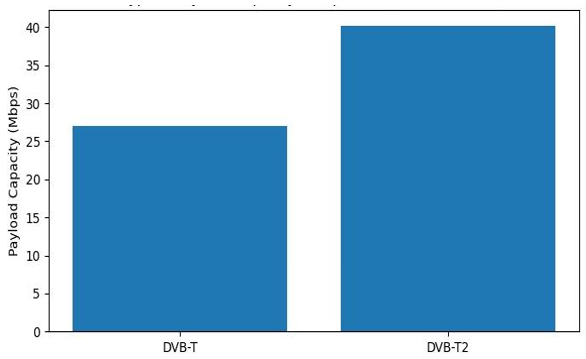
Figure 2: Typical Payload Capacity of DVB-T and DVB-T2
Global Adoption Graph (DVB-T/DVB-T2 Implemented Countries)
Table 2, Figure 3 graph illustrates the global adoption indicator showing that 147 countries have implemented or adopted DVB-T and/or DVB-T2. This result is important because it demonstrates that DVB-T2 is not an experimental or limited technology; rather, it is a widely established broadcasting standard with global relevance. High adoption suggests strong institutional confidence in DVB-T2 as a reliable platform for national television distribution and digital migration strategies. For underserved communities, the significance of this graph lies in feasibility: widespread adoption means there is an existing global ecosystem of compatible transmitters, receivers, and technical expertise, which lowers implementation barriers and improves sustainability. Countries with DVB-T2 infrastructure can leverage the platform not only for entertainment broadcasting but also for delivering trusted news, civic education, health communication, and emergency warnings. Additionally, broad adoption supports economies of scale in receiver manufacturing, which can reduce the cost of set-top boxes and improve affordability for low-income households. However, the graph also implies that adoption alone does not automatically solve information inequality. Even in countries with DVB-T2 systems, underserved communities may still face barriers such as weak coverage in remote zones, lack of electricity, or limited access to affordable receiving equipment. Nevertheless, the adoption result provides strong evidence that DVB-T2 is a realistic tool for problem-solving at national and global levels because it has already been deployed in many diverse economic and geographic contexts.
|
Indicator |
Value |
Unit |
|
Countries that adopted DVB-T/DVB-T2 |
147 |
Countries |
|
People offline globally (2023) |
2.6 |
Billion people |
Table 2: Global Indicators Supporting the Research Problem
Offline Population Graph (People Offline Globally in 2023)
Figure 3: Global Adoption Graph (DVB-T/DVB-T2 Implemented Countries) 14.2. Offline Population Graph (People Offline Globally in 2023) A figure 4 graph highlights a critical development challenge: 2.6 billion people remained offline globally in 2023. This finding strongly supports the study’s problem statement that information inequality persists despite continued growth in digital technologies. The offline population figure implies that a large share of the world cannot reliably access internet-based news platforms, mobile applications, or online public information services. As a result, relying solely on broadband expansion as a solution is insufficient in the short to medium term, particularly for rural and low-income communities where infrastructure deployment is slow and user costs remain high. This graph strengthens the argument that broadcast technologies like DVB-T2 remain essential as inclusive communication platforms because they do not require continuous internet subscriptions, data bundles, or smartphones. Instead, a household with a basic receiver and signal coverage can access information consistently, including trusted news and emergency warnings. In disaster situations, this becomes even more important, since online services can fail due to congestion or infrastructure damage, while broadcast networks can continue delivering mass communication to large audiences simultaneously. Therefore, the offline population graph provides a strong justification for integrating DVB-T2 into national information strategies as a complementary system that supports universal access. Overall, the three graphs collectively show that DVB-T2 offers (1) technical efficiency, (2) global feasibility through adoption, and (3) relevance to solving information inequality in a world where billions still lack internet access [27].

Figure 4: Global Offline Population
Contribution of the Study to the Existing Literature
This study contributes to the existing literature by providing an integrated and evidence-based understanding of how Digital Video Broadcasting–Second Generation Terrestrial (DVB-T2) can reduce global information inequality through improved access to trusted news, emergency warnings, and essential public information in underserved communities. While many previous studies on digital inclusion have emphasized broadband and mobile connectivity as primary solutions to information gaps, this research strengthens the argument that broadcast-based communication systems remain critical in contexts where internet access is limited, unreliable, or unaffordable. By positioning DVB-T2 as a complementary public communication infrastructure rather than only a television broadcasting upgrade, the study expands the scope of digital divide research beyond internet-dependent frameworks.
A key contribution of this study is its interdisciplinary linkage between technical performance and social outcomes. Existing DVB-T2 literature is often concentrated on engineering features such as spectrum efficiency, modulation schemes, error correction performance, and network design. In contrast, this study connects these technical capabilities to real-world problem-solving outcomes, such as improved public awareness, resilience during emergencies, and expanded access to civic information. The study demonstrates that DVB-T2’s higher capacity and robustness can support multiple public-service channels and reliable reception, enabling information delivery even in geographically challenging environments. This strengthens the evidence base that technical broadcasting improvements can translate into meaningful societal benefits.
Furthermore, the study contributes by highlighting the importance of emergency communication integration through standardized alerting protocols such as the Common Alerting Protocol (CAP). While CAPhas been widely discussed in disaster risk communication literature, its practical relevance to DVB-T2 broadcast systems has received limited attention in digital terrestrial television research. This study bridges that gap by explaining how DVB-T2 can serve as a scalable platform for distributing emergency warnings to large populations simultaneously, especially during crises when internet and mobile networks may become congested or disrupted.
In addition, this research addresses a critical implementation gap in existing scholarship by emphasizing that technological adoption alone does not guarantee equitable access. The study draws attention to household-level barriers such as receiver affordability, electricity availability, and content relevance, which influence whether DVB-T2 coverage translates into actual information access. By identifying these mediating factors, the study provides a more realistic and policy-relevant interpretation of DVB-T2’s impact.
Overall, this study contributes to literature by reframing DVB-T2 as a strategic tool for inclusive development communication, strengthening theoretical discussions on information equity, and offering practical insights for policymakers and broadcasters seeking to bridge information gaps in underserved communities worldwide.
Conclusions
This study examined how Digital Video Broadcasting–Second Generation Terrestrial (DVB-T2) can help bridge global information inequality by expanding affordable access to trusted news, emergency warnings, and essential public information in underserved communities worldwide. The findings demonstrate that DVB-T2 offers significant technical advantages over earlier terrestrial broadcasting systems, particularly through improved spectrum efficiency, higher data capacity, and stronger signal robustness. These characteristics enable broadcasters to deliver more channels and public service content within limited bandwidth while improving reception quality in difficult environments such as rural, remote, and mountainous areas. As a result, DVB-T2 remains a practical and scalable platform for ensuring that populations without reliable broadband connectivity can still access critical information [28].
The study also highlighted that DVB-T2 supports problem-solving by strengthening community resilience and public safety. In emergencies, broadcasting’s one-to-many architecture allows warnings and instructions to reach large audiences simultaneously, even when mobile networks are congested or disrupted. When integrated with standardized alerting systems such as the Common Alerting Protocol (CAP), DVB-T2 can enhance early warning communication, improve disaster preparedness, and reduce information delays that increase vulnerability. Additionally, DVB-T2 can serve broader development goals by supporting educational broadcasting, public health messaging, election information, and other civic communication services that promote informed decision-making and inclusion.
However, the study confirms that the benefits of DVB-T2 are not automatic. Coverage expansion must be supported by effective policy frameworks, content strategies, and affordability measures. Barriers such as the cost of receivers, limited electricity access, lack of local language content, and insufficient public awareness can restrict the impact of DVB-T2 in underserved communities. Therefore, bridging the information gap requires not only technological deployment but also coordinated social and institutional action.
Recommendations from this study include: (1) governments and regulators should prioritize DVB-T2 as part of national digital inclusion strategies, especially where broadband rollout remains slow; (2) public-private partnerships should support affordable access to DVB-T2 receivers through subsidies, bulk procurement, or voucher programs; (3) broadcasters should dedicate multiplex capacity to public interest channels, ensuring content relevance through local languages and community-focused programming; (4) national disaster agencies should integrate CAP-based alert systems with DVB-T2 broadcasting workflows to improve emergency warning reach and reliability; and (5) future research should include field-based reception measurements and community surveys to quantify DVB-T2’s social impact more precisely.
Overall, DVB-T2 represents a cost-effective and resilient pathway for promoting information equity and strengthening public communication systems worldwide.
Declarations:
• Funding: This research received no external funding.
• Conflicts of interest/Competing interests: The authors declare that they have no competing interests.
• Availability of data and material (data transparency): No datasets were generated or analyzed during the current study.
• Code availability (software application or custom code): Not applicable. No custom code was developed for this study.
Acknowledgements
The authors wish to express their sincere appreciation for the guidance, support, and assistance provided by colleagues at Peters A.O. Broadcasting Company Limited, Ado-Ekiti, and the Department of Electrical and Electronics Engineering, Federal University Oye-Ekiti, Nigeria, whose contributions were instrumental in bringing this work to its present status.
References
- World Bank. (2025). Digital development overview.
- European Telecommunications Standards Institute. (2010). ETSI TS 102 831 V1.1.1: Implementation guidelines for a second generation digital terrestrial television broadcasting system (DVB-T2). ETSI.
- DVB Project. (2023). DTT deployment data (DVB/EBU/ BNE DTT Deployment Database).
- European Telecommunications Standards Institute. (2015). ETSI EN 302 755 V1.4.1: Frame structure, channel coding, and modulation for a second generation digital terrestrial television broadcasting system (DVB-T2). ETSI.
- World Meteorological Organization. (n.d.). Common Alerting Protocol (CAP).
- Wyche, S., & Steinfield, C. (2016). Why don’t farmers use cell phones to access market prices? Technology affordances and barriers to market information services adoption in rural Kenya. Information Technology for Development, 22(2), 320–333.
- Ahmed, S. M., & Kaur, P. (2023). Digital inclusion strategies and broadcast infrastructure investments in low-income regions. Communications for Development Journal, 8(1), 45–68.
- Al-Gayem, Q., & Al-Muraab, S. (2023). DVB-T2 Lite performance evaluation based on fading channel models: Efficiency and flexibility analysis. Journal of Information Systems and Internet Security, 4(009).
- Averineni, J. (2025). Bridging the digital divide: The transformative role of AI-driven infrastructure in rural connectivity. European Journal of Computer Science and Information Technology, 13(23), 76–95.
- CEPR. (2025). Public broadcasting cuts endanger rural emergency services. Economic Policy Research Report.
- Hollman, A. K., Obermier, T. R., & Burger, P. R. (2021). Rural measures: A quantitative study of the rural digital divide. Journal of Information Policy, 11, 176–201.
- International Telecommunication Union. (2024). Guidelines on measurements for digital terrestrial television broadcasting systems (Report ITU-R BT.2389-1). ITU.
- International Telecommunication Union. (2025). Digital transformation and early warning systems for saving lives. ITU.
- International Telecommunication Union. (2025). Facts and figures 2023: Measuring digital development. ITU.
- Kong, S., & Davies, J. (2025). Broadband and broadcasting technologies for resilient communication in underserved regions. Telecommunications Policy, 49(4), 1020–1035.
- Lin, W., & Wu, T. (2025). Evaluating CAP-integrated broadcast systems for emergency information dissemination. Disaster Communication Journal, 14(3), 200–224.
- Mensah, K., & Yeboah, T. (2023). Coverage inequality and digital access: A comparative analysis of broadcast and broadband delivery channels. International Journal of Digital Equity, 1(1), 56–91.
- Mohammed, Q. A. (2023). Digital Video Broadcasting-T2 Lite performance evaluation and comparison. Journal of Information Systems and Internet Security, 4(009).
- Nguyen, H. L., & Patel, M. (2024). Evaluating the capacity and coverage of DVB-T2 networks in rural Asia. IEEE Access, 12, 154120–154132.
- Reyes, J., & Sahni, S. (2026). Policy frameworks for broadcast inclusion: Case studies of DVB-T2 regulation. Journal of Global Media Policy, 3(1), 11–45.
- Rodrigues, A., & Silva, M. (2024). Socio-economic impacts of broadcast information accessibility in underserved African regions. Development Communication Review, 5(2), 77–101.
- Sam, A. (2021). Performance evaluation of DVB-T2 broadcasting network: Coverage and quality assessment. CEIS Journal.
- Smith, T. J., & López, R. (2023). Emergency alert integration across broadcast and mobile platforms. International Journal of Disaster Risk Reduction, 78, 103–212.
- Thompson, K., & Johnson, P. (2025). Resilient broadcast networks: Lessons for post-disaster communication systems. Journal of Emergency Telecommunications, 12(4), 143–165.
- Uljasz, B. (2025). Advantages of introducing the DVB-T2 standard in terrestrial television. In Communications in Computer and Information Science (Vol. 2299). Springer.
- Wu, Z., & Lee, S. (2026). Next-generation broadcast standards: From DVB-T2 to hybrid broadcast-broadband convergence. Journal of Broadcasting Technology, 15(1), 12–38.
- Zhang, Y., & Rivera, L. (2022). Impacts of terrestrial broadcast upgrades on information access in remote communities. Journal of Communication Technology, 10(2), 90–107.
- Electronics Notes. (2025). What is DVB-T2: Digital terrestrial broadcasting overview. Electronics Notes.