

Advances in Bioengineering and Biomedical Science Research(ABBSR)
ISSN: 2640-4133 | DOI: 10.33140/ABBSR
Impact Factor: 1.7

Research Article - (2022) Volume 5, Issue 1
Auto-Cross Linked Hyaluronan Gel Enhances Effects of Hysteroscopic Adhesiolysis Treatment in Patients with Moderate to Severe Intrauterine Adhesions
Received Date: Jan 28, 2022 / Accepted Date: Jan 31, 2022 / Published Date: Feb 26, 2022
Copyright: ©Copyright: ©2022 Min Yong, et al. This is an open-access article distributed under the terms of the Creative Commons Attribution License, which permits unrestricted use, distribution, and reproduction in any medium, provided the original author and source are credited.
Citation: Yuhua Zeng, Wei Ran, Li Lan, Aiping Wen, Qingqing Xiong, Lingbin Si, Min Yong. (2022). Auto-Cross Linked Hyaluronan Gel Enhances Effects of Hysteroscopic Adhesiolysis Treatment in Patients with Moderate to Severe Intrauterine Adhesions. Adv Bioeng Biomed Sci Res 5(1): 23-28.
Abstract
Background: Moderate to severe intrauterine adhesions affect women’s reproductive and mental health. Hysteroscopic surgery alone cannot improve the prognosis of IUA patients. The present study was to analyse whether auto-cross linked hyaluronan gel facilitates the hysteroscopic adhesiolysis treatment effect and reproductive performance of patients with moderate to severe IUA.
Methods: Patients with moderate to severe IUA and fertility desire were included in this retrospective study. A total of 47 patients received standard hysteroscopic adhesiolysis alone served as control group. A total of 38 patients received cHA gel injection at the end of hysteroscopic adhesiolysis were were included in the treatment group. The IUA recurrence rate, endometrial thickness, AFS score, clinical pregnancy rate, and live birth rate were analysed.
Results: The endometrial thickness (6.33±1.160 vs. 5.72±1.16 mm, P=0.029), clinical pregnancy rate [51.7 (26/42) vs. 14.29% (5/35); P=0.000) and live birth rate (36.2 vs.13.2%; P=0.000) were significantly higher in the treatment group compared with the control group, and the American Fertility Society score (P=0.018) was lower in the treatment group compared with the control group.
Conclusion: The combination therapy of cHA gel plus hysteroscopic adhesiolysis in patients with moderate to severe IUA resulted in a better outcome in decreasing the severity of IUAs, and improving the quality of endometrium and enhancing the live birth rate compared with hysteroscopic adhesiolysis alone.
Trial Registration: Clinical trial register number ChiCTR2100051670. Date of Retrospectively registered on September 30, 2021.
Keywords
Asherman Syndrome, Auto-Cross-Linked Hyaluronan Gel, Hysteroscopic Adhesiolysis, Intrauterine Adhesion
Introduction
Intrauterine adhesions (IUAs), also known as Asherman syn-drome, manifests as fibrous strings or scars between uterine walls [1]. Adhesions can be partially or completely covered with the uterine cavity and or cervical canal. The formation of IUAs is attributed to endometrium trauma mainly caused by mechan¬ical operation of uterine cavity of miscarriage or induced abor¬tion [2]. IUAs are associated with an increased risk of abnormal menstruation, recurrent pregnancy loss, secondary infertility, placenta previa, placental adhesion and placenta implantation, which affect women’s reproductive health [3-6].
A clinically acknowledged effective method for treatment of IUAs is surgery. Hysteroscopic surgery can effectively remove the adhesive tissues and restore the morphology [7, 8]. How-ever, mechanical damages cause the procedure to contribute to re-adhesion. The recurrence rate may be up to 62.5% in severe adhesions after hysteroscopic adhesiolysis [9]. Undoubtedly, the prevention of IUA reoccurrence after surgical operation is a challenge for clinical therapeutics.
Postoperative estrogen therapy is often used for promoting en¬dometrial regeneration and repairing the injured surface[10]. In addition, the most commonly used strategy to prevent re-adhe¬sion is using physical barriers after hysteroscopic adhesiolysis. The intrauterine device (IUD) or Foley catheter balloon is often used for preventing the reformation of adhesion after the hys-teroscopic treatment. However, the recurrence rate was still as high as 30% in the group using IUDs for 1 week post-surgery [8]. This result may be attributed to the IUD limited self-repair-ing process and increased infection risk during the IUD insertion [10]. The superiority of Foley catheter compared with IUD for improving the pregnancy rate remains controversial [11, 12]. Highly biocompatible hyaluronic acid (HA) gel can act as a physical barrier to prevent postoperative re-adhesion. The safe-ty and efficacy of HA gel for the prevention of IUAs had been verified [13]. In a rabbit model of endometrial curettage, injec-tion of HA gel for prevention of postoperative adhesion could improve the natural fertility [14]. Auto-crosslinked HA gel ef-fectively inhibited IUA formation and improve the pregnancy rate in women who underwent curettage in the second trimester [15]. Clinical trials demonstrated that HA gel could prevent the occurrence of IUAs with a lower adhesion score, but not enough to prevent the re-occurrence of severe IUAs [13].
Therefore, we conducted a prospective randomized controlled trial study to evaluate the clinical effectiveness of the combina¬tion of hysteroscopic adhesiolysis and auto-crosslinked HA gel injection on moderate to severe IUAs.
Materials and Methods
Patients. The present prospective randomized controlled trial was conducted at The Affiliated Hospital of North Sichuan Med¬ical College, Sichuan, China. The study was approved by Ethics Committee of Affiliated Hospital of North Sichuan Medical College. Each patient signed informed consent. The study was conducted in accordance with the principles of the Declaration of Helsinki.
Patients with moderate to severe IUA were included between September 2017 and August 2018. The inclusion criteria in-cluded: i) diagnosed as moderate to severe IUA (score ≥5); i) provided written informed consent; iii) desiring fertility; iv) no previous history of hysteroscopic adhesiolysis; v) have sec-ond-look hysteroscopy; vi) no severe systemic diseases; and vii) no contraindications to estrogen or surgery. The exclusion crite-ria included: i) minimal adhesion (AFS score <5); ii) previous hysteroscopic adhesiolysis; and ii) presence of contraindications to estrogen or surgery. Patients underwent standard hysterosco-py were served as control group, whereas patients received stan-dard hysteroscopy followed with cross-linked hyaluronic acid (cHA) gel (MateRegen® gel; BioRegen Biomedical Ltd., Inc., Changzhou, China) were served as treatment group. The clinical application of Mate Regen® gel has been approved by the China NMPA.
Interventions
The control group underwent standard hysteroscopy, whereas the treatment group received cross-linked hyaluronic acid (cHA) gel (MateRegen® gel; BioRegen Biomedical Ltd., Inc., Chang-zhou, China) during hysteroscopy. The clinical application of Mate Regen® gel has been approved by the China NMPA.
Hysteroscopy Procedure
The surgery was performed by one experienced hysteroscopic surgeon using a 4.5-mm hysteroscope (Olympus Corporation) with saline solution perfusion under 100 mmHg pressure. The procedure was performed under general anesthesia and color doppler monitoring in a day surgery unit. The sequential inspec-tion of the endocervical canal, uterine cavity, tubal orifices and endometrium was performed first. The findings were recorded by a digital camera (Olympus Corporation). Subsequently, the adhesion score was assessed according to the criteria of the American Fertility Society (AFS). Adhesions were divided or removed by hysteroscopic scissors to achieve a normal uterine anatomy. Following the hysteroscopic adhesiolysis, cHA gel was injected into the uterine cavity of the treatment group.
Statistical Analysis
Statistical analyses were performed using SPSS 22.0 statistical software (IBM Corp.). The age, abortion times, adhesion score, operative time and estimated blood loss of the baseline charac¬teristics were expressed as mean ± standard and compared using an unpaired t-test. The adhesion range, adhesion type, amen¬orrhea, oligomenorrhea and mean D/C number of the baseline characteristics were compared using a χ2 test. The endometri¬um thickness, adhesion score and pregnancy rate in the clinical circumstances and outcome were compared using an unpaired t-test, Kruskal-Wallis and χ2 test, respectively.
Results
Basic information of patients. A total of 99 patients with mod¬erate to severe IUA were included in the present study. Among them, 5 women were lost to follow up and 9 women did not undergo a second-look hysteroscopy. Therefore, 85 patients were included in the data analysis; 47 cases were in the treatment group (accepted hysteroscopic adhesiolysis and cHA gel injection) and 38 in the control group (accepted hysteroscopic adhesiolysis) (Fig 1).
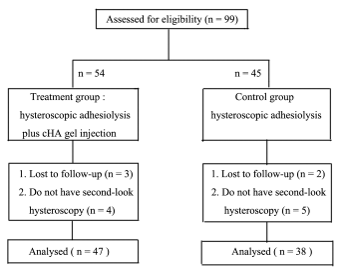
Figure 1: Flow chart showing the retrospective study process.
The baseline characteristics, including age and body mass index, did not differ between the two groups. More than half of patients experienced oligomenorrhea and nearly one third of patients experienced amenorrhea prior to surgery. The majority of patients had at least one D/C in the past. The operation time was 25-40 min and the estimated blood loss fluctuated between nearly 5-15 ml (Table I). No patient had uterine perforation. IUAs were separated successfully by hysteroscopic adhesiolysis. In addition, all patients received three cycles of hormonal replacement for endometrial repair
Table 1: Baseline patient characteristics
|
Characteristic |
Treatment group (n = 47) |
Control group (n = 38) |
P-value |
|
Age (y)* |
28.8 ± 4.6 |
31.4 ± 5.5 |
NS |
|
BMI (median, min–max) *** |
24 (19–30) |
25 (19–31) |
NS |
|
Abortion times |
2.7 ± 2.1 |
3.1 ± 1.7 |
NS |
|
Amenorrhea n (%) ** |
15 (31.9) |
13 (34.2) |
NS |
|
Oligomenorrhea n (%) ** |
28 (59.6) |
23 (60.5) |
NS |
|
Previous D/C, n (%) |
37 (78.7) |
31 (81.6) |
NS |
|
Mean D/C number (median, min–max) ** |
1 (0–3) |
1 (0–4) |
NS |
|
Adhesion score* |
8.3 ± 1.4 |
8.3 ± 1.5 |
NS |
|
Adhesion range** |
|
|
NS |
|
<1/3 |
4 |
2 |
|
|
1/3–1/2 |
19 |
15 |
|
|
1/2–2/3 |
15 |
14 |
|
|
>2/3 |
9 |
7 |
|
|
Adhesion type** |
|
|
NS |
|
Tight adhesion |
39 |
33 |
|
|
Mixed adhesion |
8 |
5 |
|
|
Operative time (min)* |
31.7 ± 5.4 |
34.2 ± 6.9 |
NS |
|
Estimated blood (mL)* |
10.9 ± 4.8 |
12.3 ± 6.2 |
NS |
|
BMI, body mass index; D/C, dilatation and curettage; NS, not significant Data are expressed as mean ± standard deviation or median (min–max) for continuous variables and number (percentage) for categorial variables. *unpaired t test; **Chi-square test, with P value set at 0.05; ***Kruskal–Wallis test |
|||
Clinical Prognostic Indicators in the Two Groups
The thickness of the endometrium was monitored by color doppler before surgery and 3 months after surgery. Before the treatment, the intrauterine morphology and opening of fallopian tubes disappeared in the patient with severe IUAs. Following the treatment, the uterine cavity morphology recovered as before, and fallopian tube openings were clearly visible (Fig. 2). A total of 7 patients in the treatment group developed re-adhesion, with 5 exhibiting mild and 2 moderate adhesion, the recurrence rate was 10.6% (5/47). In the control group the recurrence rate was 31.6% (12/38), with 8 mild and 4 moderate adhesion. No severe adhesions occurred in the two groups. Therefore, the sec¬ond uterine adhesion separation was conducted. The thickness of the endometrium increased in the two groups as compared to prior the second-look hysteroscopy (P<0.05). The endometrium thickness in the treatment group was higher compared with in the control group (6.33±1.16 vs. 5.72±1.16) (Table II).

Figure 2: The uterine cavity images of one patient with severe intrauterine adhesions A and B show the intrauterine morphology and opening of fallopian tubes disappeared before the therapy in treatment group. C and D show that, after the treatment, the uter¬ine cavity morphology and fallopian tube openings were clearly visible.
Table 2: Clinical circumstances and outcomes
|
|
Treatment group |
Control group |
P-value |
|
Endometrial thickness (mm)*** |
|||
|
Before surgery |
5.13 ± 0.20 |
5.05 ± 0.19 |
0.76 |
|
After surgery |
6.33 ± 1.16 |
5.72 ± 1.16 |
0.029 |
|
Adhesion score (median, min–max) ** |
|||
|
Before |
8 (6–12) |
8 (6–12) |
0.179 |
|
1 month |
2 (0–3) |
2 (0–2) |
0.328 |
|
3 months |
2 (0–2) |
2 (0–4) |
0.018 |
|
Recurrence rate (%) * |
0.029 |
||
|
Yes |
10.6 (5/47) |
31.6 (12/38) |
|
|
No |
89.4 (42/47) |
68.4 (26/38) |
|
|
Pregnancy rate (%) * |
0.004 |
||
|
Yes |
55.3 (26/47) |
23.7 (9/38) |
|
|
No |
44.7 (21/47) |
76.3 (29/38) |
|
|
Live birth rate (%) * |
36.2 (17/47) |
13.2 (5/38) |
0.024 |
|
Abortion (%) * |
34.6 (9/26) |
44.4(4/9) |
0.698 |
|
Means of pregnancy (%) * |
0.451 |
||
|
Natural conception |
61.5 (16/26) |
44.4 (4/9) |
|
|
Assisted conception |
38.5 (10/26) |
55.6 (5/9) |
|
|
*Chi-square test; **Kruskal–Wallis test; ***unpaired t-test |
|||
The median differences of AFS score between the treatment group and control group before and after 3 months treatment was 8 (6–12) and 2 (0–2), respectively (P=0.018). However, the AFS scores of the two groups were not comparable at 1month post-surgery.
Reproductive Prognosis in the Two Groups
The total of 35 patients were pregnant after the treatment. The pregnancy rate was 41.18% (35/85), the live birth rate was 25.88% (22/85) and the abortion rate was 37.14% (13/35). The pregnancy rate and live birth rate of the treatment group were higher compared with those of the control group (55.3 vs. 23.7%; 36.2 vs.13.2%). There was no difference in natural or re-productive methods of pregnancy in the two groups (Table II). In this study, pregnancy complications occurred in some patients. Four patients developed placental adhesion, one patient devel-oped placenta implantation and postpartum hemorrhage, and one patient developed placenta previa.
Therefore, hysteroscopic adhesiolysis combined with cHA gel for patients with moderate to severe IUA could obtain an im-proved outcome compared with treatment by hysteroscopic ad¬hesiolysis alone.
Discussion
IUAs increase the risk of menstrual irregularity, recurrent mis-carriage, infertility and pregnancy complications, which affect female reproductive and mental health. Hysteroscopic adhesi-olysis is the clinically acknowledged effective method for treat-ment of IUAs. However, the higher recurrence rate in moderate to severe IUAs limits the clinical treatment. The prevention of IUAs reoccurrence following surgical operation is challenging. The present retrospective study demonstrated that the combi-nation of hysteroscopic adhesiolysis and cHA gel could signifi-cantly ameliorate IUAs and further improve the pregnancy rate.
HA gel was served as a physical barrier agent to prevent adhe-sion formation. The safety and efficacy of HA gel for the pre-vention of IUAs has been verified [13]. Different from HA gel, auto-crosslinked HA gel possessed stronger durability for the auto-crosslinking process could slow down the natural degra-dation and maintain the hydrated structure. Can et al indicated that cHA gel can reduce the formation of IUAs in women who undergo curettage in the second trimester, and further improves the pregnancy rates [15]. In the present study, the effectiveness of cHA gel on the treatment of moderate to severe IUAs was detected. The data shows that followed by hysteroscopic adhe-siolysis, the application of cHA gel significantly reduces the se-verity of IUAs, and further improves the pregnant rate.
Combination therapy may be a new strategy for treatment of IUAs. Two menstrual cycles copper IUD placement followed by hysteroscopy can improve the implantation and pregnancy rates in women with repeated implantation failure [16]. Inserting an IUD following hysteroscopic adhesiolysis attempts to reduce the occurrence of IUAs. However, the recurrence rate was still as high as 30% in a clinical trial using IUDs for 1week post-surgery. This may be attributed to the increased infection risk caused by the insertion of the IUD. In addition, the endometrium does not recover even after the removal of IUDs [8]. Notably, IUD plus a new crosslinked hyaluronan (NCH) gel obtain improved endo¬metrial repair compared with using IUD alone [17]. In the pres¬ent study, hysteroscopic adhesiolysis alone or the combination of hysteroscopic adhesiolysis and cHA gel was beneficial for the treatment of patients with moderate to severe IUAs. However, the combination group presented with improved endometrial thickness.
Conclusion
In summary, hysteroscopic adhesiolysis combined with cHA gel could benefit the patients with moderate to severe IUAs via pro¬moting the endometrial recovery and improving the pregnancy rate. Therefore, cHA gel could be a potential candidate for com¬bination therapy of IUAs.
Acknowledgement
Not applicableFunding
The present study was supported by education Department of Sichuan Province (grant no. 18ZA0204); The Nanchong City-School Science and Technology Strategic Cooperation Project (19SXHZ0293); The Key Scientific Research Project of North Sichuan Medical College (CBY18-A-ZD21), the Scientific Research Project of Affiliated Hospital of North Sichuan Medical College (2020JC021).
Availability of Data and Materials
All data generated or analyzed during this study are included in this published article.Authors Contributions
YM and ZYH designed the study, wrote and revised the manu¬script. RW, LL, XQQ, WAP and SLB collected and analyzed the data. All authors read and approved the final manuscript.
Ethics Approval and Consent to Participate
All participants provided written informed consent and the study was approved by the Ethics Committee of Affiliated Hospital of North Sichuan Medical College. The study was conducted in accordance with the principles of the Declaration of Helsinki.
Consent for Publication
Not applicable.
Competing interests
The authors declare that they have no competing interests.
References
- Lin X, Zhang Y, Pan Y, Shilin He, Yongdong Dai, et al. (2018) Endometrial stem cell-derived granulocyte-colony stimulating factor attenuates endometrial fibrosis via sonic hedgehog transcriptional activator Gli2. Biology of reproduction 98: 480-490.
- Nappi C, Di Spiezio Sardo A, Greco E, Guida M, BettocchiS, et al. (2007) Prevention of adhesions in gynaecological endoscopy. Human reproduction update 13: 379-394.
- J Fan, Y Liu, J Yin, Li Q, Li Y, et al. (2016) Oxygen-Glu-cose-Deprivation/Reoxygenation-Induced Autophagic Cell Death Depends on JNK-Mediated Phosphorylation of Bcl-2. Cellular physiology and biochemistry : international journal of experimental cellular physiology, biochemistry, and pharmacology 38: 1063-1074.
- Yu D, Li Tc, Xia E, Huang X, Liu Y , et al. (2008) Factors affecting reproductive outcome of hysteroscopic adhesiolysis for Asherman’s syndrome. Fertility and sterility 89: 715-722.
- Chen L, Zhang H, Wang Q, Feng Xie, Shujun Gao, et al. (2017) Reproductive Outcomes in Patients With Intrauterine Adhesions Following Hysteroscopic Adhesiolysis: Experience From the Largest Women’s Hospital in China. Journal of minimally invasive gynecology 24: 299-304.
- Evans-Hoeker Ea and Young Sl (2014) Endometrial recep-tivity and intrauterine adhesive disease. Seminars in reproductive medicine 32: 392-401.
- Guo Ej, Chung Jpw, Poon Lcy and Li Tc (2019) Reproductive outcomes after surgical treatment of asherman syndrome: A systematic review. Best practice & research Clinical obstetrics & gynaecology 59: 98-114.
- Bosteels J, Weyers S, D’Hooghe Tm, Helen Torrance, Frank J Broekmans, et al. (2017) Anti-adhesion therapy following operative hysteroscopy for treatment of female sub-fertility. The Cochrane database of systematic reviews 11: CD011110.
- Yu D, Wong Ym, Cheong Y, Xia E and Li Tc (2008) Asherman syndrome-one century later. Fertility and sterility 89: 759-779.
- Salazar Ca, Isaacson K and Morris S (2017) A comprehensive review of Asherman’s syndrome: causes, symptoms and treatment options. Current opinion in obstetrics & gynecology 29: 249-256.
- Orhue Aa, Aziken Me and Igbefoh Jo (2003) A comparison of two adjunctive treatments for intrauterine adhesions following lysis. International journal of gynaecology and obstetrics: the official organ of the International Federation of Gynaecology and Obstetrics 82: 49-56.
- Lin Xn, Zhou F, Wei Ml, Yang Yang, Ying Li, et al. (2015) Randomized, controlled trial comparing the efficacy of intrauterine balloon and intrauterine contraceptive device in the prevention of adhesion reformation after hysteroscopic adhesiolysis. Fertility and sterility 104: 235-240.
- S Talukdar, AK Pradhan, P Bhoopathi, Xue Ning Shen, Laura A August, et al. (2018) Regulation of protective autophagy in anoikis-resistant glioma stem cells by SDCBP/ MDA-9/Syntenin. Autophagy 14: 1845-1846.
- Huberlant S, Fernandez H, Vieille P, Mohamed Khrouf, Daniela Ulrich, et al. (2015) Application of a hyaluronic acid gel after intrauterine surgery may improve spontaneous fertility: a randomized controlled trial in New Zealand White rabbits. PloS one 10: e0125610.
- Can S, Kirpinar G, Dural O, Burcin Balci Karamustafaoglu, Inci Sema Tas, et al. (2018) Efficacy of a New Crosslinked Hyaluronan Gel in the Prevention of Intrauterine Adhesions. JSLS : Journal of the Society of Laparoendoscopic Surgeons 2018: 22:
- Mao X, Zhang J, Chen Q, Kuang Y and Zhang S (2017) Short-term copper intrauterine device placement improves the implantation and pregnancy rates in women with repeated implantation failure. Fertil Steril 108: 55-61.
- Pabuçcu Eg, Kovanci E, Å?ahin Ö, ArslanoÄ?lu E, Yıldız Y, et al. (2019) New Crosslinked Hyaluronan Gel, Intrauterine Device, or Both for the Prevention of Intrauterine Adhesions. JSLS : Journal of the Society of Laparoendoscopic Surgeons 2019: 23: