

International Journal of Media and Networks(IJMN)
ISSN: 2995-3286 | DOI: 10.33140/IJMN
Impact Factor: 1.02



Research Article - (2024) Volume 2, Issue 10
Algorithmic Implementation of Visually Guided Interceptive Actions: Enhancing Motion Perception in Virtual and Augmented Reality Systems
Received Date: Sep 21, 2024 / Accepted Date: Oct 16, 2024 / Published Date: Oct 22, 2024
Copyright: ©Â©2024 Wangdo Kim, et al. This is an open-access article distributed under the terms of the Creative Commons Attribution License, which permits unrestricted use, distribution, and reproduction in any medium, provided the original author and source are credited.
Citation: Kim, W., Ortiz, E. (2024). Algorithmic Implementation of Visually Guided Interceptive Actions: Enhancing Motion Perception in Virtual and Augmented Reality Systems. Int J Med Net, 2(10), 01-17.
Abstract
This research introduces an innovative algorithmic framework designed to enhance motion perception and visually guided interceptive actions in virtual and augmented reality (VR/AR) environments. By applying harmonic ratios and stimulation invariants, the proposed algorithms enable real-time prediction of interception points and improve the responsiveness of VR/AR systems. This methodology translates complex theories of visual perception and motion into practical algorithmic solutions, providing dynamic prediction capabilities critical for applications such as online gaming, virtual simulations, and neurorehabilitation. Our findings underscore the potential of these algorithms to advance interactive systems, improving user experiences in immersive virtual environments through more precise and adaptive motion tracking and control. This approach is particularly relevant for enhancing the realism and efficiency of VR and AR applications in media, online gaming, and other collaborative digital environments.
Keywords
Algorithmic Implementation to Perception, Online Gaming, Harmonic Ratios, Stimulation Invariants, Motion Perception
Introduction
Research Background
The rapid evolution of virtual and augmented reality (VR and AR) technologies is reshaping how users interact with digital environments, driven by advances in computational algorithms and the accessibility of immersive hardware such as high- resolution VR headsets and mobile devices [1]. Historically, VR/AR systems have been employed in high-stakes training, such as in aviation and surgical simulations. However, their applications are now extending into broader domains, including entertainment, online gaming, social media interactions, and therapeutic environments like neurorehabilitation. [2]. Central to this technological expansion is the increasing ability of VR/ AR platforms to simulate intricate and dynamic interactions, making them relevant for diverse use cases such as collaborative virtual spaces, real-time multiplayer gaming, and interactive social media networks and therapeutic applications [3,4].
This manuscript builds upon the foundational work by Reed and Gibson, in the fields of motion perception and virtual environments by integrating advanced mathematical models, particularly those involving the "Theory of Screws," to enhance the realism and interactivity of VR/AR systems [5,6]. They proposed that both action and awareness can be scientifically studied and enhanced through virtual environments. Accord- ingly, this research aims to explore and improve both the physical actions (such as movements and responses) and the awareness (the perceptual and cognitive understanding) of individuals within virtual environments. However, a significant limitation has been the lack of explicit mathematical foundations in theories of motion perception, particularly those proposed by Gibson [6]. Traditional models of motion perception have often lacked a strong mathematical foundation, which has limited the depth of their applications in virtual spaces. By applying the Theory of Screws—a sophisticated mathematical framework used to describe the dynamics of motion—we introduce a novel approach to modeling visual interception behaviors in virtual environments. These models enable more precise simulations of movement and interactions, which are crucial for improving user engagement in VR applications, such as multiplayer gaming, media-rich environments, and virtual col-laborative platforms [7].
The integration of advanced motion algorithms into VR/AR systems offers new pathways for improving both user interaction and system performance. These algorithms are particularly relevant for scenarios that require precise coordination and motion control, such as real-time multiplayer gaming and interactive simulations in digital media. Our approach leverages harmonic ratios and stimulation invariants to provide more responsive and realistic environments, thus enhancing both the user experience and the functional design of virtual sys-tems. This study seeks to bridge the gap between theoretical constructs in motion perception and their practical application in media-rich virtual environments, making significant contributions to the fields of VR/AR in gaming, social media, and collaborative digital networks [8].
Research Motivations: Invariants and their Applications in Motion Perception and VR
The first kind of invariant can be demonstrated by showing that whenever a body is moving, there is a unique axis at every instant, designated the instantaneous screw axis (ISA), about which the body twists with a spe-cific pitch h. Note that every point on the body has a velocity vector tangential to the helix that passes through it (see Figure 1a). The pattern of these velocity vectors is described as a helicoidal vector field. The ISA is often referred to as the motion screw [9]. It can, thus, be argued that the body in Figure 1b twists at the instant about its motion screw. To describe this field, we may imagine that all helices of the same pitch as those of the ISA are drawn concentrically with the ISA. Theoretically, there must be a helix at every radius from zero to infinity, and there must be an infinite number of helices at each radius, each displaced from its neighbor at an infinitesimal distance in the axial direction [9]. The motion of objects produces a helicoidal vector field V1, V2, …, V5, which manifests perspective changes in a part of the optic array (Figure 1b).

Figure 1: (a) Illustration of the helicoidal velocity field: A twist of pitch h = t / w about an instantaneous screw axis provides a complete description of the velocity of a rigid body. Every point of the body has its velocity vector tangential to the helix that passes through it. This velocity vector pattern is a helicoidal velocity field. (b) The helicoidal field of linear velocity for any point on a rigid body results from general motion. At any moment, the net velocity Vi (i = 1, …, 5) consists of two parts: (1) translational velocityparallel to the screw axis; and (2) tangential velocity representing the rotational body motion about the screw axis.
The second kind of invariant, the motion perspective, may be derived from the movement of an object through the use of the moving reference frame. The motion perspective denotes the optical flow pattern in the visual field resulting from the observer’s own movement, in fact, the observers’ own locomotion, and its direction [6]. While working on visually guided airplane landings, Gibson identified a perceptual invariant that could be observed in animals. An animal moving within its environment will create an optic flow with what Gibson termed a “perspective transformation of perspective flow structure”. This structure can be conveniently de-scribed in a vector field V1, V2, …, V5, (see Figure 2) [5]. The point toward which the animal is heading is the source of all optical motion vectors, and the point away from which the animal is heading is the sink for those vectors. This condition results in a pure translation parallel to the animal’s heading, with the pitch being infinite (Figure 3). The screw theory has numerous points of connection with certain geometrical researchers on the linear complex by Plücker and Klein [7].

Figure 2: Gibson’s representation of the optic flow at moving points of observation: The center of the flow pattern during the animal’s forward movement is the field’s axis. Each vector Vi (i = 1, …, 5) represents the optical motion of the corresponding environmental element. All vectors radiate outward from a focus of ex-pansion in relation to the animal’s virtual heading.
In the analytical treatment by Descartes of the geometry of space, the point is the fundamental element of space. In contrast to Plücker and Klein, it is the line that serves as a space element. If only one condition is imposed, the lines that fulfill it are said to form the field lines [10]. Consequently, the field lines in the optic array flow are the tangents to a series of helices, with each helix being on a cylinder of radius r and an axis of the field lines (see Figure 1a). The axis of the field is conditioned as the ISA.

(a) (b)
Figure 3: Based on a baseball analogy: (a) Trajectories of a catcher (agent) A attempting to intercept the ball (pop up at point B to the infield). There is a point P where the agent catches the ball (B—the interception with the target) via a straight line. This observation suggests a unique interception strategy: Run so that the bearing angle β remains constant [11]. (b) The first step is to construct harmonic poles C and D so that their ratio is given by the ratio of the agent’s speed λ1 to the speed of the target λ2. Next, dropping the new triangle’s internal and external angle bisectors gives the harmonic poles C and D.
A ‘complex of lines’ was discovered independently by Gibson and Jessop: Jessop defined it as the assemblage of lines that satisfy one condition while Gibson defined it as the optic flow, whose axis is the line of the displacement of the observer [10]. The linear complex of lines represents an essential ensemble of lines in the visual perception of space. It is an axisymmetric group of lines comprising only a very few of the ∞4 of lines that are available in space. Such a shift from particle to field descriptions is clearly reflected in Gibson’s constructs, such as the optical flow field and its invariant [12]. Moreover, field descriptions afford prominence to abstract relations as the fundamental basis of causality [13].
When an observer travels on a straight path, a radial optic flow pattern is produced, with a focus on the expansion (FOE) in the current direction of locomotion or heading. Warren manipulated the optic flow by displacing the FOE from the walking direction, and measured the virtual heading error between the FOE and the goal [14]. In this case, the FOE of optic flow on the target and the central axis of the line complex are coincident. These virtual headings must be in harmony with the given kinematic constraints, and we shall assume that they are reversible, i.e., that the given constraints do not prevent actors from changing an arbitrary δRi into -δRi. If all the lines of a complex are subjected to a screw motion of a virtual velocity about the central axis, the complex itself remains unaltered. The optic flow of the ambient array is rarely perceived as motion; rather, it is experienced as kinesthesis or ego locomotion. The movement of the self when passing from one position to another, that is, indefinitely adjacent, is indistinguishable from the translation about an appropriately chosen line by which the same displacement could be effectuated. The line about which the actor is translating at any instant is referred to as the instantaneous translational axis.
Therefore, the complex lines are tangent to a series of helices, each on a cylinder of radius r and an axis of the complex because the velocities of particles in the surfaces of the environment are covariant to the axis of the complex as the non-holonomic constraint. Therefore, animals encounter two distinct geometrical perspective transformations: (1) as a change in coordinates from one perspective system to another, with (x, y, z) and (x’, y´, z´) being the coordinates of the same point in the two systems (and a moving point of observation ‘A’ with the fixed environment as illustrated in Figure 2); and (2) as a perspective transformation of points within one coordinate system, with (x, y, z) and (x´, y´, z´) being the coordinates of the original point and the transformed point, respectively, in the single system (and a stationary point of observation at a fixed location ‘A’ in an environment as illustrated in Figure 1). The process of maintaining different stationary links (shown as ISA in Figure 1b) of a kinematic chain is referred to as inversion. Since the algebra is the same in both cases, it makes no difference whether we define a perspective invariant as invariant over perspective transformations or as described in the second invariant. In either case, continuous perspective transformations can be employed as stimuli for perceiving rigid motion in the environment [15].
Research Gaps and the Contributions of the Proposed Methods
By simulating realistic interaction dynamics and providing controlled adaptable settings for patients, VR and AR can significantly advance therapeutic outcomes. The visual interception tasks modeled in our study not only demonstrate the potential of virtual environments in medical interventions but also provide a pathway for broader applications in neuropsychology [16].
Moreover, our research delves into the application of these mathematical models in the diagnosis and treatment of conditions such as Parkinson’s disease within augmented environments. By simulating realistic interaction dynamics and providing controlled, adaptable settings for patients, VR and AR can significantly advance therapeutic outcomes. The visual interception tasks modeled in our study not only demonstrate the potential of virtual environments in medical interventions, but also provide a pathway for broader applications in neuropsychology.
The convergence of these historically disparate strands—Gibson’s perceptual theories and the mathematical modeling of dynamic systems—illustrates the multidisciplinary nature of contemporary VR and AR applications. Our findings underscore the importance of a robust algorithmic foundation that can adapt to the complexities of human motion and perception, thereby enhancing the capability of virtual systems to serve diverse scientific and practical needs. In conclusion, the convergence of these historically disparate strands—Gibson’s perceptual theories and the mathematical modeling of dynamic systems— illustrates the multidisciplinary nature of contemporary VR and AR applications. Our findings underscore the importance of a robust algorithmic foundation that can adapt to the complexities of human motion and perception, thereby enhancing the capability of virtual systems to serve diverse scientific and practical needs.
Preliminary
Theory of Screws
The Theory of Screws, initially proposed by Sir Robert Stawell Ball in 1876, provides a comprehensive mathematical framework for analyzing the motion and forces in rigid body dynamics [17–19]. This theory unifies the concepts of rotation and translation into a single theoretical model, which is critical for understanding the kinematics and dynamics of mechanical systems. It describes the instantaneous motion of a rigid body using screw coordinates, representing a combination of angular and linear velocity components, thereby offering a detailed and precise description of motion and interaction in various applications.
In the context of visual perception and optic flow, screw theory can be applied to analyze the generation of helicoidal fields in the visual field. When an observer moves through a scene and intercepts a moving target, the visual perception of the environment can be described as a helicoidal field, where objects appear to move in a spiral or helical pattern relative to the observer’s motion. This helicoidal field is generated by the combination of translational motion (movement of the observer) and rotational motion (movement of objects in the scene).
By applying screw theory to the generation of helicoidal fields in the visual field, one can mathematically describe how the translational and rotational components of motion interact to create the spiral pattern of optic flow. This framework allows for a systematic analysis of the complex motion patterns in the visual field during interception tasks, providing a deeper understanding of how the brain processes and interprets visual information to guide interception movements.
Optic Flow
Optic flow refers to the pattern of apparent motion of objects, surfaces, and edges in a visual scene caused by the relative motion between an observer and the scene. First studied by James J. Gibson, optic flow is crucial for understanding how organisms perceive motion and navigate through their environment. It provides vital information about speed, direction of movement, relative distance of objects, and environmental structure, which is essential for tasks such as navigation, collision avoidance,
and interception. In VR and AR, simulating realistic optic flow patterns enhances the user’s sense of immersion and interaction within the virtual environment [20]. Accurate representation of optic flow helps in creating a believable virtual world where users can move and interact naturally, thus improving the overall experience and effectiveness of VR applications, particularly in training and rehabilitation scenarios.
Ecological Approach to Visual Perception
The ecological approach to visual perception, also pioneered by Gibson, emphasizes the role of the environment in shaping perception. This approach focuses on the direct pickup of information from the environment, termed “affordances”, which are the actionable properties directly perceivable by an organism. According to this perspective, perception is not a passive process of receiving sensory inputs but an active process of exploring the environment to obtain necessary information for action.
This approach has profound implications for the design of VR and AR systems. It suggests that these systems should provide users with rich, meaningful information that supports their actions and interactions within the virtual environment [21,22]. By incorporating affordances into the design, VR and AR applications can become more intuitive and effective, allowing users to engage with the virtual world in a way that mirrors real- life interactions.
Integration of Theories
Incorporating screw theory into the study of optic flow and the ecological approach provides a robust framework for understanding the underlying mechanisms of visual perception and motion processing. By applying screw theory to the generation of helicoidal fields in the visual field, researchers can mathematically describe how the translational and rotational components of motion interact to create the spiral pattern of optic flow. This integration allows for a systematic analysis of complex motion patterns, providing insights into how the brain processes and interprets visual information to guide interception movements.
Additionally, by considering the concept of affordances in conjunction with the analysis of the cross ratio, individuals can optimize their interception strategies and enhance their ability to intercept moving objects effectively. The cross ratio an invariant in projective geometry, remains constant under projective transformations. For two screws with infinite pitch (pure translations) that are parallel to the four rays of a harmonic pencil, achieving a cross ratio of -1 indicates a harmonic relationship that signifies equilibrium.
This interdisciplinary approach combines principles from mathematics, physics, and psychology to enhance our understanding of how organisms perceive and interact with moving objects in their environment. By leveraging the geometric properties of screw theory and projective invariance, we gain valuable insights into the dynamics and stability of mechanical and virtual systems, offering a comprehensive framework for analyzing and improving VR and AR applications.
Materials and Methods
Mathematical Solutions to Terrestrial Interception Based on the Geometrical Constraints
First, researchers have exhibited that human interception behavior is best accounted for by the constant bearing angle (CBA), which refers to the angle between the direction of the heading and the agent’s line of sight [23–25]. According to this model, an agent adopts a straight path to the target to keep the angle β constant, as illustrated in Figure 3a.
It has been claimed that the agent does not need to adjust explicitly or compute the bearing angle β to null the change in β, but simply steering a straight path will result in a successful interception at a constant angle β [26]. To understand these fundamental abilities, Fajen and Warren proposed a mathematical model of β, the behavioral dynamics of locomotion, i.e., the time evolution of behavior as an agent interacts with the environment [27]. This model is consistent with the view that the decision-making process, as an integral part of goal-directed behavior, is influenced by functional constraints at the scale of the environment–performer relationship. Thus, decision- making behavior emerges from the individual’s interactions with environmental constraints over time toward specific goals [28]. We argue here that a simple perception of the approaching constant rate of change and bearing of the target informs the catcher whether they are moving at the right speed and in the right direction for the interception [11].
At this point, it is proper to recall the Chapman problem to determine β: A ballplayer (point A) is running at the right speed in the right direction to make the catch (or point B) [11]. In which direction should he set off to catch the ball? We have tried to show here that a ballplayer solves trigonometric equations to catch a ball.
The first step of the solution is to construct a pair of harmonic poles C and D such that their ratio is given by the ratio of the player’s speed λ1 to the ball’s speed λ2, as shown in Figure 3b [29]. Note that the agent has two control variables: direction and running speed. Adopting a different running speed would result in a different angle β. This is shown by computing a solution in the harmonic ratio in interceptive walking.
The first step of the solution is to construct harmonic poles C and D so that their length ratio is the ratio of the player’s speed to the ball’s speed (Figure 3):

where g ≡ λ2/λ1 is the ratio of the speed of the target to the speed of the agent. Starting at points A and B, the next step is to construct point P as follows: Draw a circle of radius PA around A and draw a circle of radius PB around B so that the intersection P of these two circles forms the correct ratio with or without any scaling, as needed. Next, dropping the internal and external angle bisectors, a line segment dividing the angle APB into two equal parts gives the harmonic conjugates C and D. If the velocities λ1 and λ2 had opposite signs, then the point would have to divide the angle APB externally into the given ratio so that they are centered in the system. The coordinates of C and D are treated as a column vector of homogeneous coordinates by augmenting one and are given by

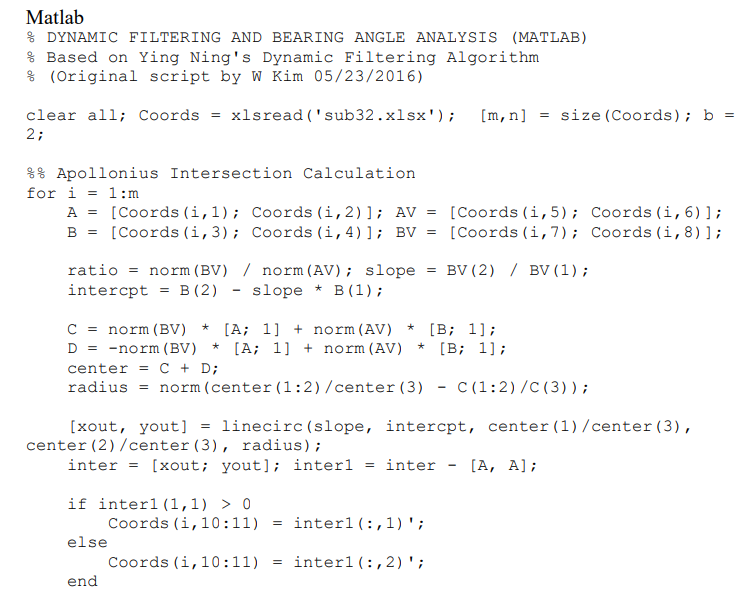
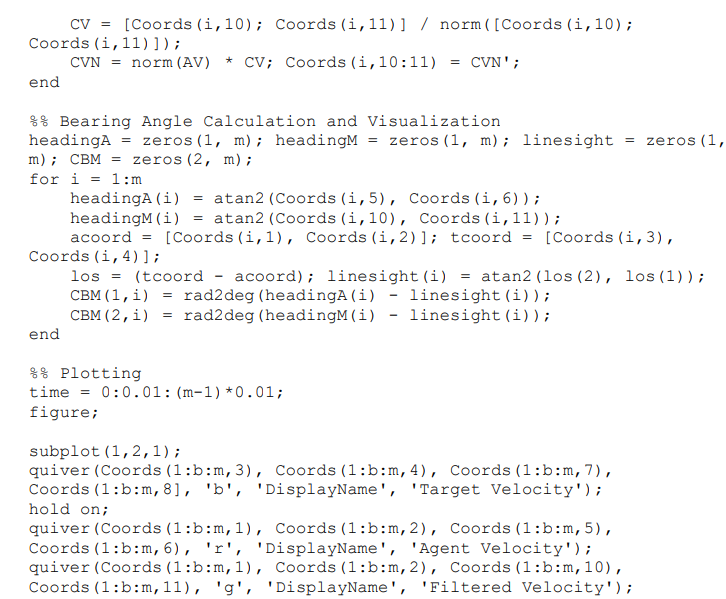
At the point P, the ray from B (target) intersects a circle with a diameter CD (Figure 3). A straight line drawn to this point will intersect it. For example, the Matlab function ‘linecirc’ (MathWorks, Boston MA, USA) can be used to find the intersection point of a circle defined by its center and radius in x–y coordinates and a line defined by its slope and y-intercept (Appendix A).
This raises a new question: How could an effective bearing angle somehow be determined by a locomoting agent [30]? Obviously, no agent ever solves synthetic trigonometric equations based on the geometries of the constraint to intercept a target [31]. Wilson calls this “physics avoidance”, which allows us to avoid having to know the constraint they refer to. To determine the equilibrium condition of a system, what we need to know is not the internal macroscopic mechanism of the system, but merely how the internal mechanism constrains the moving components of the system [32,33].
Coordinating the direction and speed of self-motion when intercepting a target moving on a parabolic tra-jectory while projected in parallel on the ground plane involves at least three separable yet closely related problems: How do we see the target in motion? How do we perceive a stable environment? And how do we perceive self-motion? In addition, the kinetic experience in motion stability and movement involves space perception problems [34]. Gibson’s 1954 article on visual motion is remarkable in several aspects because the three questions above define much of the motion perception field as practiced today. This approach has a crucial component of the animal–environment link and typically uses large-field animation sequences that portray changes in the optic array with locomotion [35].
Gibson argued that the visual perception of space might be better understood in the context of its biological function of guiding action, with locomotion as a paradigmatic example [36]. Thus, the question can be refined: What kind of concept is “space”? A rarely discussed answer is that space is an ecological concept [37]. Re-latedly, Reed made an extension of the indissociable perception–action coupling as advanced by Gibson, by conceiving two modes of activity: exploratory and performatory. Without this distinction, action scientists will forever be separated by the objective–subjective divide [5]. Reed takes the exploration of an actual interceptive action over the infinitesimal neighborhood as an exploratory activity. This exploration must show that the interception path has a stationary value.
Canonical Base of the Reference Frame for the Interception System
The ecological approach demonstrates how human (and other animal) perceptions and actions are continuous with interactions between animate and inanimate physical systems [38,39]. However, because interactions between inanimate targets and animate agents are continuous, there is no need to identify the CBA as a sep-arate category that can be incorporated into the larger theory. In the following section, we present a case of the more general methods of degrees-of-freedom (DOF) coordination, by which agents’ interception paths can be determined such that the chosen action implies two paths as the canonical base of the system.
The goal-directed actions emerge spontaneously from the nonlinear interaction of the system elements under the influence of specific agents, tasks, and environmental constraints. Here, we discuss how an animal property, degeneracy (i.e., many coordinative structures to achieve one function), can help us understand how agents functionally adapt perception and action to interacting constraints during interceptive activities [40]. As such, Bernstein’s degrees-of-freedom (DOF) problem can be addressed through dynamics [41].
This fundamental problem was posed independently by both Nicolai Bernstein and James J. Gibson. It replaces mind–matter dualism with animal–environment duality (isomorphism)—a better-posed scientific problem because commensurability is assured [42]. Shaw proposed some features of organized control that we found promising. The core idea may be a “coordinative structure” or synergy, a complex system that acts as a unit. A coordinative structure would be a system with many degrees of freedom organized by a system of constraints that allows the whole complex to be controlled with one degree of freedom [43]. We illustrate that if a target-agent chain is limited by a constraint (Figure 6) such that its position can be expressed by a single coordinate, then the target-agent chain is said to have one degree of freedom. Thus, its possible movements are only those that could be accomplished by heading about the instantaneous translational axis [7].
The general discussion of the quadratic system is a subject of interest for both geometrical and ecological approaches [44] since the locus of the intersection P forms a circle with a diameter CD (Figure 3a). We begin by introducing

which is the homogeneous relation of the circle between two coordinates of CP and DP of the paths. These constitute a quadratic one-DOF system. Let CP and DP denote any rays other than AP and BP and chosen from the enclosing two-DOF system from which the rays of the quadratic one-DOF system are selected by the condition U = 0.
Then, adopting the fertile method of investigation introduced by Joachismthal [7] [45], we substitute λU = 0 for CP and DP the respective values

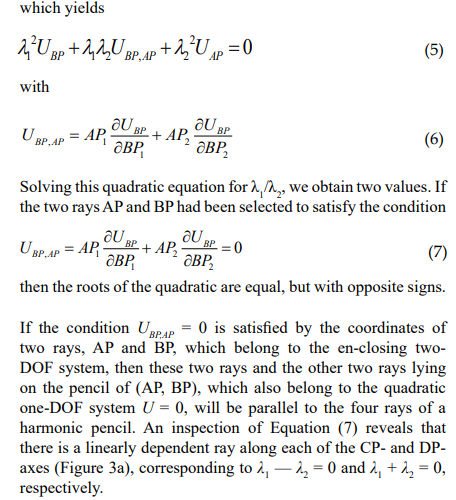
Because CP and DP are centrally located in the system and have other unique properties, Ball called them the principal screws (rays) of the system. It is evident that the principal rays exploring the infinitesimal neigh-borhood must have the same value (to the first order), which means that the virtual displacements are reversible and symmetric, i.e., the given constraints of the rays CP and DP do not prevent us from changing an arbitrary δAP into –δAP [7,46].
Harmonic Cross Ratio Model with Constant Ratios and Proportions
Just as the length of a line segment is the key to metric geometry, there is a fundamental concept of projective geometry in which all the distinctive properties of projective figures can be expressed [47]. Shape constancy depends on perspective, and the visual system operates on the projective principle of perspective. For James Gibson, the equality of cross ratios implies shape constancy [48]. Followers of James Gibson have proposed that the cross ratio, a projective invariant for four collinear points, underlies the perception of objects in motion [49]. According to the seminal discovery of projective geometry, if we have four points A, C, B, and D on a straight line and project them onto A´, B´, C´, and D´ on another line, then there is a specific property of the four points, called the cross ratio, which retains its value under the projection. The cross ratio is neither a length nor the atio of two lengths but the ratio of two such ratios. For instance, for two ratios, AC/BC and AD/BD, the cross ratio is given by

where the sign of a length is taken appropriately after fixing a specific orientation of the line. If a straight line CD is divided internally at B and externally at A in the same ratio {A,B;C,D} , then the segment CD is said to be harmonically divided at A and B, and each of the points A and B is called the harmonic conjugate of the other, with respect to the pair C and D. The harmonic division symmetry is a remarkable property. Namely, if C and D divide AB harmonically, then A and B also divide CD harmonically, reinforcing each other.
The problem of intercepting a target that moves in the horizontal plane is conceived as the cross ratio of four coplanar (i.e., lying in a common plane) and concurrent straight lines PA, PB, PC, and PD, namely, the four points of intersection cross ratio of these lines with another straight line lying in the same plane (Figure 4). For an arbitrary point P and a harmonic range [23], the lines PA, PB, PC, PD are said to form a harmonic pencil, a linear line space where paths are centrally placed at the point P. Line space denotes a set where linear com-binations also locate lines in the set [50].
Equivalent to Equation (8) is the definition

where the cross ratio depends only on the angles subtended by the connecting segments A, B, C, and D at P. Since these angles are the same for any four points A´, B´, C´, and D´ into which A, B, C, and D can be pro-jected from P, it follows that the cross ratio remains invariant by projection. The problem of intercepting a target moving parallel to the ground plane is ubiquitous in animal locomotion. It involves at least three separable phenomenal motions, called transformations. The first (translation along the line of sight) is called expansion or contraction; the second is translation to the right or left; and the third is rotation about a vertical axis (indicated by arrows in Figure 4) [15]. The coordination of the self-motion direction and speed when intercepting a target moving parallel to the ground plane can be modeled as a plane pencil of screws, a typical line space (Figure 4).
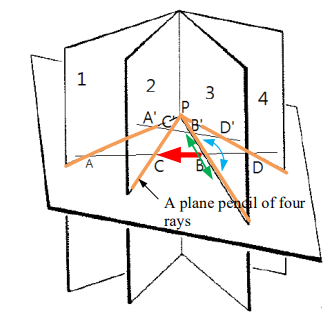
Figure 4: Cross ratio of coaxial planes for the problem of intercepting a target that moves in a horizontal plane. Patterns of optic flow by translation along the line of sight are called expansion or contraction; second, the translation right or left; and the rotation around a vertical axis. Three are indicated: translation along the line of sight (BC represented by the red arrow), translation right or left (BB´ represented by the green arrow on plane 3), and rotation around a vertical axis represented by the blue arrow [15].
Cross Ratios at Infinity
Cross ratios at infinity provide a pivotal framework for understanding perspective and motion in dynamic environments. Drawing on the behavior of a dragonfly that uses a fixed visual reference to intercept prey, we explore how cross ratios can define and enhance our understanding of motion perception in more complex settings [14]. For instance, maintaining a consistent trajectory in human navigation requires compensation for body motion, typically through visible landmarks or internal sensory feedback [26].
The concept of a motion perspective offers a sophisticated means of describing the optic array from a moving viewpoint. This perspective is crucial when analyzing objects aligned along a common visual path, where the cross ratio—the projective invariant—becomes essential. It allows us to distinguish between different per-spectives by maintaining consistent geometric relations despite changes in the observer’s position.
When we come to a figure consisting of collinear tetrads, {A,B;C,D}, we have for the first time a metric characteristic, the cross ratio of the points, which is a projective invariant enabling us to discriminate in per-spective, as shown in Figure 4. However, the motion perspective has been analyzed for an optic array at an unoccupied observation point, marked as the perception of two rays, CP and DP.
One critical method for capturing accurate motion perspectives involves utilizing the vanishing limit, an advanced technique in which all parallel lines within the optic array converge. This approach not only aids in navigation and orientation but also ensures that the perceived environment remains stable and consistent, regardless of the observer’s motion [6]. For example, eye movements or head movements do not alter this basic pattern but merely superimpose a certain amount of flow around the equator or a vanishing limit.
Therefore, cross ratios involving elements at infinity should be considered. By perceiving geometric figures as capable of continuous variation, we can make them less sharp in the following ways. This phenomenon is illustrated in Figure 5, where the theoretical intersection disappears if line l becomes parallel to line AB, challenging our perception of space and motion. Cross ratios involving elements at infinity are particularly valuable in scenarios where geometric elements extend beyond the visible landscape, such as in urban planning or astronomy simulations. By understanding how these ratios function, particularly in how they cause distant objects to interact perceptually, designers can create more realistic and engaging virtual environments.
In practical terms, as one line intersects another and gradually adjusts to become parallel, the intersection point recedes toward infinity, illustrating the continuous nature of space and perception [29]. Figure 5 also shows how the cross ratio adjusts as elements reach infinity, altering our perception of distance and orientation. This has profound implications for VR systems, where understanding and manipulating these ratios can significantly enhance the user’s experience by providing a more stable and coherent visual field.
We have mentioned that the point pairs (A, B) and (C, D) are harmonic if {A,B;C,D} = -1. This means that there exists an invariant representation in which the four points have parameters {1, -1; 0, ∞} in Figure 5. Let the symbol ∞ mark the infinity point on a straight line l. If A, B, and C are three ordinary points on l, we can assign a value to their ratio in the following way: Choose a point D on l; then {A,B;C,D} should be the limit approached by as D recedes to infinity along l. If {A,B;C,∞} = -1 , then C is the midpoint of the segment AB (Figure 5). The midpoint and the infinity point in the direction of a segment divide the segment harmonically [10].

Figure 5: Cross ratio with elements at infinity, where one pole reaches infinity. The interceptor uses two sources of information: optical flow generated by taking the path AD∞ and optical flow generated by taking the route C P. The perception with covariationis different from either of the two information sources without covariation [52].
To refer to the flow pattern that informs about a stable environment, take the point at infinity as a point of the cross ratio reference. The arrangement shown in Figure 6, where elements such as CP and the line l form the principal axes of a system, illustrates how dynamic adjustments based on cross ratios can facilitate complex interactions within a controlled environment. These configurations allow for precise control over the movement and interaction of objects in virtual spaces, optimizing both the aesthetic and functional aspects of the environment.
In essence, the role of cross ratios at infinity is not merely theoretical, but of substantial practical application in enhancing how we interact with and perceive VR and AR. By exploiting these projective invariants, we can create more immersive and navigable environments that closely mimic the real world or offer new ways of experiencing space that are not possible in physical settings. The interception paths are synthesized by a four-bar link connected by a slider–pin joint model. The dynamical link (equations of constraint) selectively reduces the number of independently controlled DOFs, allowing a rich set of trajectories[53]. The configuration allows link l to move only parallel to the agent’s line of sight, since it is equal to the line l defined in Figure 5. The configuration shows a trapezoid AA´B´B, where AB is parallel to A´B´. If C and C´ are the midpoints of AB and A´B,´, respectively, the lines AA,´ CC,´ and BB´ are all coincident at P. It is necessary to displace the agent along with the desired path CC´ without disturbing the path AB approach mapping (Figure 6). Displacements around the two rays of the principal screws achieve this. Perception with covariation is different from either source of information without covariation [52].
As noted already, CP and the line l are called the principal screws (rays). Inspection of equation (5) reveals that there is a linearly dependent screw along each of the x- and y-axes (Figure 6), corresponding, respectively, to

Equation (10) shows that the corresponding velocity of the agent, along with CC´ is equal to the target. In contrast, the velocity of the agent along AB is equal and opposite to the target. Then, let the axis of the optic flow used by the agent’s line of sight be considered as the central line for the flow pattern during the agent’s approach to the target object. The flow pattern is now referred to as two rays, CP and AB, of origin P, i.e., the principal screws (rays) of the system, and the four-bar linkages meet at a common point P, the interception point.
Denoting the velocity components parallel and perpendicular to the line of the sight l as VA/l and VA/n , re-spectively, we have the bearing angle β of the pattern given by the ratio of the two components:

Thus, for the flow pattern, β takes the same value, called the chief parameter of the flow pattern (Figure 6). A motor action normally produces both CP and AB. Together, they have a different meaning than the simple motion of CP and AB, and the particular invariant β, the unity between them, specifies a particular external configuration of the intercept space [52].

Figure 6: Virtual heading chains in a four-bar linkage system. This diagram displays the configuration of virtual heading chains featuring links and a slider pin joint model, with CP and line l centrally positioned at point P. The arrangement demonstrates how dynamic motion and heading are controlled within a virtual en-vironment. The diagram highlights the paths of rays CP and AB, representing the principal screws of the system, and shows how they meet at a common interception point, P. The paths are designed to illustrate how adjustments are made to the agent’s trajectory to maintain a constant bearing angle β, which is crucial for precise object interception in simulated environments. This setup exemplifies the practical application of cross ratios at infinity, showing how geometric and kinematic constraints are managed to ensure stable and accurate navigational outcomes in virtual reality systems.
Results
Perception and Action Coupling in Virtual Environments
Our study validates the intricate coupling of perception and action as outlined by Gibson’s theory, within virtual environments. D’Alembert’s principle, addressing virtual displacements within a system, played a crucial role in our analysis. This principle states that although the displacement is potential and theoretical, it effectively contributes to maintaining the equilibrium of the interception system where both pursuer and fugitive remain stationary relative to each other at any specific instant. Consequently, at such instants, the actual motion of the agent is disregarded, aligning with theoretical considerations (see Figure 7a below). This foundational understanding guided our experimental validations [46].
We utilized previously published datasets to validate our model, which simulates the perception dynamics within a four-ray pencil during interception tasks. The experimental setup demonstrated that perception in virtual environments is inherently tied to possible actions. Experiments were conducted in the Virtual Envi- ronment Navigation Lab (VENLab) at Brown University, where participants navigated a 12 m × 12 m area within an immersive virtual environment designed by WorldViz, Santa Barbara CA, USA. This environment was crafted to elicit nuanced postural responses and directional headings [26]. Adjustments were made to the head-mounted display (HMD) to accommodate the interocular distances of the participants, ensuring accurate data capture of the x and z positions as the participants interacted with the virtual targets, designated as room posts.

Figure 7: (a) For the interception and virtual trajectory at a position S1(t) and time t1. The virtual displacement is designated as δS. The initial and final positions for both trajectories are at t1 and t2, respectively. Lagrange’s ingenious idea was to introduce a unique symbol δ for the process of variations to emphasize its virtual character [46]. The analogy to d recalls that both symbols refer to infinitesimal changes. However, dS refers to an actual change whereas δS refers to a virtual change. In problems involving the variation in definite paths, both types of change should be considered simultaneously, as the distinction between them is vital. (b) The trajectory of Figure 8a is extended until 0.2 s. The behavioral dynamics dictate that the actual displacements approach the virtual displacements during the time interval dt.
Action Shaping Perception
The actions taken by participants continuously shaped their perceptual experience within the virtual environment. As they moved, the feedback provided by the environment refined their perception of affordances. Walking paths and trajectories for two agents were meticulously recorded (see Figures 8 and 9). A quiver plot was employed to display the velocity vectors at various points, illustrating both the actual path taken by the agents and the theoretical path predicted by the model using principal screws (MathWorks, MA USA).
From the initial conditions, unique bearing angles β were essential for intercepting targets directly. Alternative angles resulted in spiral paths, suggesting a dynamic interaction between the agents and their environment. This interaction was cyclic and rapid, indicative of exploratory behavior that adjusts until the optimal path is identified based on visual perception maintaining a constant bearing angle β.
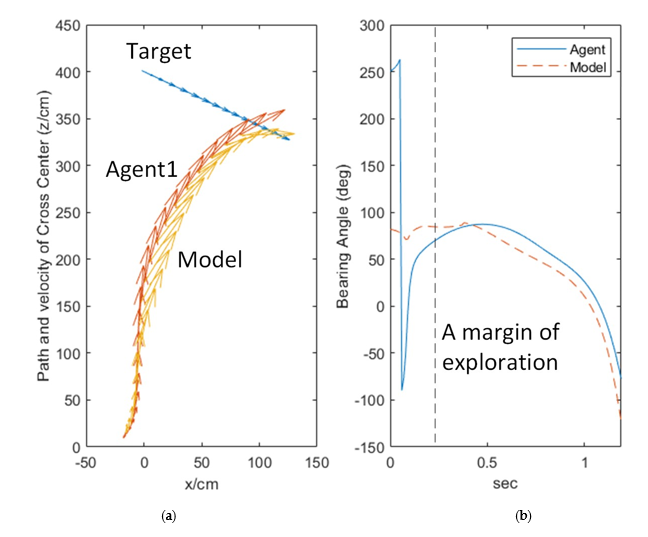
Figure 8: (a) Agent 1’s walking paths and model trajectories. (b) The affordance of interception is quantified by the invariant unity of β, reflecting the effectiveness of the interception path as aligned with theoretical predictions.
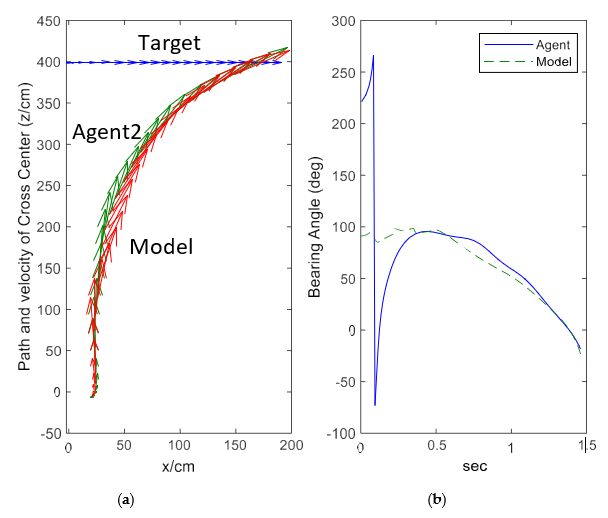
Figure 9: Details for Agent 2’s results, similar to those of Agent 1, underscoring consistent findings across different study participant
The paths and bearing angles closely matched the model predictions except for minor deviations during the initial stages of motion exploration. These deviations highlight the agents’ adjustments to perceive and align with the principal rays of the field, steering through complex paths towards optimal interception routes. This supports the idea that action shapes perception, as the continuous interaction with the environment allows the agents to refine their perceptual strategies.
This experimental setup confirmed that while agents do not always follow straight paths, their movements adjust based on the structured affordances (i.e., action possibilities or actionable properties offered by the environment to an animal, Gibson 1979) provided by the virtual environment. These affordances, defined by the coordinating screws of the system, dictate possible behaviors that emerge from the interactions within the system [6]. As theorized by Michael T. Turvey, behaviors manifest when the system’s structures allow, high-lighting the interdependence of system design and agent interaction [54].
According to D’Alembert’s principle, the criterion for the equilibrium of an arbitrary system of forces is that the total virtual work of all forces vanishes. This criterion involves virtual, not actual, displacement and is thus equally applicable to VR or AR. Since virtual displacement involves a possible (exploratory) movement, but is purely a mathematical experiment, it can be implemented algorithmically in VR environments.
Kinematical Possibilities of Interception: Virtual vs. Actual Directional Heading
The concept of affordance is concerned with potential behavior, rather than actual realization, such as fol-lowing a straight path. As noted by Lanczos, possible displacements within this context are designated as “virtual displacements” (see Figure 7a) [46]. These are intentional displacements that occur within the limits of kinematics and are employed in theoretical models to probe dynamical systems.
Our theoretical framework posits that an interceptor must maintain a consistent pattern within the optic array while transforming this array relative to the substrate, as described by Gibson [55]. For example, consider the following scenario of connecting two hypothetical paths, CP and DP, with any possible trajectory. This chosen path, represented as an arbitrary continuous curve, generally does not align with the interceptor’s actual motion path. Over time, through iterative adjustments, the model path may converge towards the actual motion path, as depicted in Figure 7b.
The distinction between virtual and actual displacements highlights the core concept of affordance, where virtual displacements represent small, theoretical shifts in position termed “variations” of the position. These variations affect the bearing angle, β, according to the function described in Equation (11). Consequently, while we control the variation in position, the resultant change in the function β must be derived independently. In practice, we attempt to align tentative variations in the path, such as ray AP, with the actual displacements that occur over time dt. This alignment process, inspired by Gibson’s notion of an organism’s perceptual system resonating to invariants, involves reinforcing perceptual data to enhance system accuracy [6]. However, the initial application of these variations—applied instantaneously—assumes infinite velocity, which contrasts with the finite velocity of actual movements [46].
These exploratory adjustments facilitate the perceiver’s navigation from disequilibrium toward equilibrium, from a state of perceptual blur to clarity. Gibson characterizes this as a “self- tuning system” that actively seeks informational resonance, enhancing clarity and thus the value of the perceptual experience [52]. This process is crucial for the differentiation of invariant aspects of the environment from those that vary, thus ensuring accurate interaction within virtual settings.
This discussion integrates theoretical constructs with practical implications, elucidating how virtual envi-ronments can be meticulously designed to enhance the accuracy and realism of user interactions by leveraging the dynamics of virtual and actual displacements.
Discussion
The present study demonstrates that kinematic invariants, such as the screw theory, play a crucial role in understanding movement within virtual environments. At each instant of an agent’s movement, a unique axis can be identified, suggesting that the motion is characterized by a continuous twist around a screw. This concept aligns not only with the kinematic variables described by Nikolai Bernstein, but also with ecological dynamics, which emphasizes the interaction between an agent and its environment through perception and action [28,46,56].
In our study, we compared our findings with those of Fajen and Warren (2004) and Ceyte et al. (2021), fo-cusing on the locomotor paths observed under different target eccentricity conditions. Both studies showed that participants systematically steered ahead of the moving target, providing complementary evidence for an interception strategy based on nulling changes in the bearing angle of a target. Our results were consistent with these previous studies, reinforcing the broader applicability of this strategy under various experimental con-ditions [26,57].
The superior performance of our algorithms was demonstrated through a direct comparison with the conven-tional methods used by Fajen and Warren and Casanova al. [26,57]. Our approach showed improved accuracy in predicting interception points and real-time perception–action capabilities, which are crucial for applications in neurorehabilitation and VR. This superiority was validated by quantitative improvements in interception paths and steering actions, highlighting the effectiveness of our algorithms over traditional strategies based on nulling changes in target-heading angle [57].
Bernstein defined coordination as mastering the many degrees of freedom of a particular movement by re-ducing the number of variables to control. His idea of reducing the degrees of freedom in movement to master complex actions has been extended in our model to include the interaction dynamics of virtual entities. Our approach models the interception of a moving target along a ground plane as the interaction of four rays within that plane, introducing a non-equilibrium state that challenges traditional physicalist perspectives. This model suggests that all elements, whether they are part of a mechanical system or a living ecosystem, possess equal reality and concreteness.
In our research, we have explored how theoretical constructs manifest in practical scenarios, particularly through understanding dynamic movements in virtual environments. By examining the movements of a baseball fielder to intercept a fly ball, we can gain insight into how environmental affordances shape and direct human actions. This observation shifts our perspective from a simple analysis of particle dynamics to a broader examination of field dynamics [13]. Such insights are invaluable in designing virtual environments that focus on facilitating action rather than merely passive perception. Moreover, our findings suggest that replacing one type of optic flow with another of appropriate speed does not alter the interception dynamics as long as the path involves only a single degree of freedom. This underpins the flexible yet controlled design of interactive virtual simulations, which is essential for immersive experiences [58].
The principle of d’Alembert, integrated with screw theory, enriches our understanding of virtual displacement, offering a valuable educational tool for students exploring the theory of affordances. This principle helps clarify how virtual environments can be designed to enhance the experiential reality by aligning with functional rather than merely visual aspects [51].
Our study leverages the mathematical constructs of harmonic ratios and stimulation invariants to simulate and predict visually controlled interceptions with unprecedented precision. These mathematical tools are crucial for developing algorithms that not only enhance the realism of virtual environments, but also ensure their functional utility in applications such as sports training, military simulations, and medical rehabilitation. The ecological approach further allows these environments to be more adaptable and sensitive to the perceptual and motor capabilities of individual users, promoting an effective learning and interaction system that is grounded in the ecological dynamics of the real world. This study proposes the implementation of mathematical models with algorithms to enhance the analysis of visual perception and motor action. However, it does not suggest that perception and action are inherently algorithmic in nature.
To clarify, we distinguish between
Algorithmic Implementation and Algorithmic Nature: Algorithmic Implementation: This involves the practical use of algorithms to simulate, predict, and analyze phenomena. In this context, mathematical models and algorithms serve as tools to help us understand and process data related to visual perception and motor action.
Algorithmic Nature: This implies that perception and action themselves are driven by algorithmic processes, which can be an oversimplification. Perception and action are often emergent properties of complex biological systems that involve both deterministic and stochastic elements.
Conclusions
This study presents a novel algorithmic framework for enhancing motion perception and visually guided interceptive actions in virtual and augmented reality (VR/AR) environments. By applying the mathematical constructs of harmonic ratios and stimulation invariants, our algorithms significantly improve the accuracy and responsiveness of VR/AR systems, offering practical solutions for real-time motion prediction. These advancements are particularly beneficial for interactive digital platforms such as multiplayer gaming, immersive media applications, and collaborative virtual environments, where real- time action and precision are essential.
Our research demonstrates that integrating advanced mathematical models, such as the Theory of Screws, into VR/ AR systems enhances the realism and effectiveness of user interactions. This interdisciplinary approach bridges theoretical constructs in motion dynamics with practical applications in virtual environments, creating opportunities for the development of more immersive and functionally robust systems. The ability to simulate complex motion patterns and improve interception tasks has direct implications for the fields of social media, online gaming, and collaborative digital spaces, where interactive and dynamic user experiences are paramount.
Furthermore, this work underscores the potential for these algorithmic innovations to be applied in other emerging digital platforms, including interactive media systems and virtual training environments. As VR/AR technologies continue to evolve, the integration of advanced computational models will play a critical role in shaping the future of digital interaction and user engagement in multimedia communications, gaming, and beyond.
Funding
This research was funded by PROCIENCIA under contract N° PE501080681-2022-PROCIENCIA Proyectos Especiales: Proyectos de Investigadores Visitan. In addition, the authors acknowledge the support from The MIT-Peru UTEC Seed Fund, awarding the project titled “Development of Proper Tunnel Syndrome Placement Device to Avoid Impingement” and the UTEC Fondo Semilla 2022-2, awarding “Aprendizaje Perceptivo de los Movimientos de las Piernas y Pateo de Infantes con Espina Bífida utilizando un Sistema de Entrenamiento de Realidad Virtual”. W.K. was funded by Diseño e implementación de una cabina inmersiva portátil que incorpora realidad extendida XR (RV 360 + realidad aumentada) y sensores hápticos, para el entrenamiento de personal en SSOMA, de empresas del sectorminero e industrial peruano, PROYECTOS DE INNOVACIÓN EMPRESARIAL. In addition, D.A. was partly funded by Fundação para a Ciência e Tecnologia, grant number UIDB/00447/2020 attributed to CIPER–Centro Interdisciplinar para o Estudo da Performance Humana (unit 447). M.Y.C. acknowledges the support from the National Research Foundation of Korea (Grant No. 2022R1A2C1012532).
Data Availability Statement
Data are contained within the article.
Acknowledgements
We thank Brett R. Fajen of the Rensselaer Polytechnic Institute and William H. Warren of Brown University for making their data available (Grant No. NSF 9720327).
Conflicts of Interest
The authors declare no conflicts of interest.
Appendix A
Matlab script: Implementation of t harmonic cross ratio model for interceptive paths.
References
- Cui, J., & Wang, J. (2018, December). High performance cad conversion processing and high performance display technology for VR virtual application. In IOP conference series: materials science and engineering (Vol. 452, No. 4, p. 042134). IOP Publishing.
- Hasan, S., Miller, A., Higginbotham, D., Saleh, E. S., & McCarty, S. (2023). Virtual and augmented reality in spine surgery: an era of immersive healthcare. Cureus, 15(8).
- Anifowose, H., Yan, W., & Dixit, M. (2022). BIM LOD+ Virtual Reality--Using Game Engine for Visualization in Architectural & Construction Education. arXiv preprint arXiv:2201.09954.
- Bohil, C. J., Alicea, B., & Biocca, F. A. (2011). Virtual reality in neuroscience research and therapy. Nature reviews neuroscience, 12(12), 752-762.
- Reed, E. S. (1996). Encountering the world: Toward an ecological psychology. Oxford University Press.
- Gibson, J. J. (1979). The ecological approach to visual perception. Ecological visual theory.
- Ball, R. S. (1998). A Treatise on the Theory of Screws. Cambridge university press.
- Preechayasomboon, P., Israr, A., & Samad, M. (2020, April). Chasm: A screw based expressive compact haptic actuator. In Proceedings of the 2020 CHI Conference on Human Factors in Computing Systems (pp. 1-13).
- Phillips, J. (1984). Introducing Screw Theory. Cambridge University Press.
- Jessop, C. M. (2001). Treatise on the line complex (Vol. 223). American Mathematical Society.
- Gibson, J. J., & Crooks, L. E. (1938). A theoretical field- analysis of automobile-driving. The American journal of psychology, 51(3), 453-471.
- Flach, J. M., & Holden, J. G. (1998). The reality of experience: Gibson's way. Presence, 7(1), 90-95.
- Warren, W. H., Kay, B. A., Zosh, W. D., Duchon, A. P., & Sahuc, S. (2001). Optic flow is used to control human walking. Nature neuroscience, 4(2), 213-216.
- Gibson, J. J., & Gibson, E. J. (1957). Continuous perspective transformations and the perception of rigid motion. Journal of Experimental Psychology, 54(2), 129.
- Garrett, B., Taverner, T., Gromala, D., Tao, G., Cordingley, E., & Sun, C. (2018). Virtual reality clinical research: promises and challenges. JMIR serious games, 6(4), e10839.
- Davidson, J. K., Hunt, K. H., & Pennock, G. R. (2004). Robots and screw theory: applications of kinematics and statics to robotics. J. Mech. Des., 126(4), 763-764.
- Hunt, K.H. Kinematic Geometry of Mechanism; Clarendon Press: Oxford, UK, 1990.
- Wong, Y., Kim, W., & Ying, N. (2005). Passive motion characteristics of the talocrural and the subtalar joint by dual Euler angles. Journal of biomechanics, 38(12), 2480-2485.
- Cao, Z., & Kopper, R. (2023, November). Real-Time Viewport-Aware Optical Flow Estimation in 360-degree Videos for Visually-Induced Motion Sickness Mitigation. In Proceedings of the 25th Symposium on Virtual and Augmented Reality (pp. 210-218).
- Raja, V., & Calvo, P. (2017). Augmented reality: Anecological blend. Cognitive Systems Research, 42, 58-72.
- Rolla, G., Vasconcelos, G., & Figueiredo, N. M. (2022). Virtual reality, embodiment, and allusion: An ecological- enactive approach. Philosophy & Technology, 35(4), 95.
- Lenoir, M., Musch, E., Janssens, M., Thiery, E., & Uyttenhove, J. (1999). Intercepting moving objects during self-motion. Journal of Motor Behavior, 31(1), 55-67.
- Lenoir, M., Savelsbergh, G. J., Musch, E., Thiery, E., Uyttenhove, J., & Janssens, M. (1999). Intercepting moving objects during self-motion: Effects of environmental changes. Research Quarterly for Exercise and Sport, 70(4), 349-360.
- Diaz, G.J.; Phillips, F.; Fajen, B.R. Intercepting moving targets: A little foresight helps a lot. Exp. Brain Res. 2009, 195, 345–360.
- Fajen, B. R., & Warren, W. H. (2004). Visual guidance of intercepting a moving target on foot. Perception, 33(6), 689-715.
- Fajen, B. R., & Warren, W. H. (2007). Behavioral dynamics of intercepting a moving target. Experimental Brain Research, 180(2), 303-319.
- Araújo, D., Davids, K., & Hristovski, R. (2006). The ecological dynamics of decision making in sport. Psychology of sport and exercise, 7(6), 653-676.
- Chapman, S. (1968). Catching a baseball. American Journal of Physics, 36(10), 868-870.
- Courant, R., & Robbins, H. (1996). What is Mathematics?: an elementary approach to ideas and methods. Oxford University Press, USA.
- Zhao, H., & Warren, W. H. (2017). Intercepting a moving target: On-line or model-based control?. Journal of Vision, 17(5), 12-12.
- Stepp, N., & Turvey, M. T. (2010). On strong anticipation.Cognitive systems research, 11(2), 148-164.
- Wilson, M. (2017). Physics avoidance: and other essays in conceptual strategy. Oxford University Press.
- Lange, M. (2019). The principle of virtual work, counterfactuals, and the avoidance of physics. European Journal for Philosophy of Science, 9(3), 33.
- Gibson, J. J. (1950). The perception of the visual world.
- Blake, R. (1994). Gibson's inspired but latent prelude to visual motion perception.
- Warren Jr, W. H. (1998). Visually controlled locomotion: 40 years later. Ecological Psychology, 10(3-4), 177-219.
- Turvey, M. T., Shaw, R. E., Reed, E. S., & Mace, W. M. (1981). Ecological laws of perceiving and acting: In reply to Fodor and Pylyshyn (1981). Cognition, 9(3), 237-304.
- Kelso, J. A. S. (1995). Dynamic patterns: The self- organization of brain and behavior. MIT Press.
- Kim, W., Araujo, D., Kohles, S. S., Kim, S. G., & Alvarez Sanchez, H. H. (2021). Affordance-based surgical design methods considering biomechanical artifacts. Ecological Psychology, 33(1), 57-71.
- Seifert, L., Komar, J., Araújo, D., & Davids, K. (2016). Neurobiological degeneracy: A key property for functional adaptations of perception and action to constraints. Neuroscience & Biobehavioral Reviews, 69, 159-165.
- Thelen, E. (1995). Motor development: A new synthesis.American psychologist, 50(2), 79.
- Shaw, R. E., & Turvey, M. T. (1999). Ecological foundations of cognition. II: Degrees of freedom and conserved quantities in animal-environment systems. Journal of Consciousness Studies, 6(11-12), 111-124.
- Shaw, R. E., Kinsella-Shaw, J. M., & Mace, W. M. (2019). Affordance types and affordance tokens: Are Gibson’s affordances trustworthy?. Ecological Psychology, 31(1), 49-75.
- Henrici, O. (1890). The Theory of Screws1. Nature, 42(1075), 127-132.
- Atchison, W.F.; Semple, J.G.; Kneebone, G.T. (1953). Algebraic Projective Geometry. Am. Math. Mon., 60, 343.
- Lanczos, C. (2012). The variational principles of mechanics. Courier Corporation.
- Courant, R., & Robbins, H. (1996). What is Mathematics?: an elementary approach to ideas and methods. Oxford University Press, USA.
- Emmer, M. (Ed.). (2005). The visual mind II. MIT press.
- Simpson, W. A. (1984). The cross-ratio and the perception of motion and structure. ACM SIGGRAPH Computer Graphics, 18(1), 26-26.
- Griffis, M., & Rico, J. M. (2003). The nut in screw theory.Journal of Robotic Systems, 20(8), 437-476.
- Rheingold, H. (1991). Virtual reality: exploring the brave new technologies. Simon & Schuster Adult Publishing Group.
- Olberg, R. M., Worthington, A. H., & Venator, K. R. (2000). Prey pursuit and interception in dragonflies. Journal of Comparative Physiology A, 186, 155-162.
- Gibson, J. J. (1966). The senses considered as perceptual systems.
- Kelso, J. A., & Tuller, B. (1984). Converging evidence in support of common dynamical principles for speech and movement coordination. American Journal of Physiology- Regulatory, Integrative and Comparative Physiology, 246(6), R928-R935. .
- Turvey, M. T. (1992). Ecological foundations of cognition: Invariants of perception and action.
- Gibson, J. J. (1958). Visually controlled locomotion and visual orientation in animals. British journal of psychology, 49(3), 182-194.
- Bernstein, N. A. (1967). The co-ordination and regulation of movements.
- Casanova, R., Ceyte, G., & Bootsma, R. J. (2022). Visual guidance of locomotor interception is based on nulling changes in target bearing (not egocentric target direction nor target-heading angle). Human Movement Science, 82, 102929.