


Research Article - (2025) Volume 10, Issue 4
A Study to Assess the Effectiveness of Structured Teaching Program (STP) on Knowledge Regarding Polycystic Ovarian Syndrome (PCOS) Among Adolescent Girls at Govt Girls Higher Secondary School Ranibagh Anantnag, Kashmir
Received Date: Nov 05, 2025 / Accepted Date: Dec 05, 2025 / Published Date: Dec 12, 2025
Copyright: ©©2025 Mir Uzma Ashraf. This is an open-access article distributed under the terms of the Creative Commons Attribution License, which permits unrestricted use, distribution, and reproduction in any medium, provided the original author and source are credited.
Citation: Ashraf, M. U. (2025). A Study to Assess the Effectiveness of Structured Teaching Program (STP) on Knowledge Regarding Polycystic Ovarian Syndrome (PCOS) Among Adolescent Girls at Govt Girls Higher Secondary School Ranibagh Anantnag, Kashmir. J Nur Healthcare, 10(4), 01-10.
Abstract
Polycystic Ovary Syndrome (PCOS) is a prevalent endocrine disorder among adolescent girls, often leading to long-term health complications if not identified and managed early. It is a hormonal disorder common among women of reproductive age. It affects the ovaries and can cause various symptoms, including; Irregular periods, Excess androgen, Polycystic ovaries, weight gain, Insulin resistance and Fertility issues.
This study aimed to evaluate the effectiveness of a structured teaching program (STP) in improving knowledge regarding PCOS among adolescent girls.
Materials and Methods: Ludwig Von Bertalanffy’s General System Theory’s conceptual framework was used which includes input, process and output. Research approach for the study was quantitative research approach. A pre-experimental one-group pre-test post- test design was employed at Government Girls Higher Secondary School, Rani-Bagh Anantnag, Kashmir. A total of 50 adolescent girls were selected using Purposive sampling technique. A self-structured questionnaire was used to assess their knowledge before and after the implementation of the STP. The teaching program included comprehensive sessions on the causes, symptoms, diagnosis, prevention, and management of PCOS.
Results: The pre-test knowledge scores revealed limited awareness about PCOS among participants, with a mean score of 13.12 ±5.065. After the intervention, the post-test scores showed a significant improvement, with a mean score of 22.22 ± 2.950. A paired t-test demonstrated a statistically significant difference (p ≤ 0.05) in the knowledge scores before and after the STP, indicating the effectiveness of the intervention.
Conclusion: The findings suggested that a structured teaching program is an effective strategy to enhance awareness and understanding of PCOS among adolescent girls. Such educational initiatives should be integrated into school health programs to promote early recognition and management of PCOS.
Keywords
Assessment, Effectiveness, Structured Teaching Programme, Knowledge, Polycystic Ovarian Syndrome, Adolescent girls and Health Education
Background of the Study
Adolescence is the most pivotal period of life, yet one of the most vulnerable time for physical ailments. Adolescents (13-19 years) form a large section of population (22.5 percent), that is about 225 million. According to recent statistics more than 50% of the world’s population are below the age of 25 and one fifth are adolescents (WHO). In India one third of the population are between the ages of 10- 24. Today we are living in a period of modernization and the effect of modernization and technological advancement reflects in everyday life. Our lifestyle has also changed a lot. Food intake is becoming more concentrated on sugar, fast food, and soft drinks and less on healthy, traditional fare. This unhealthy food habits and lack of exercise leads to many diseases in adolescents like Polycystic Ovarian Disease (PCOD) [1].
The term Polycystic Ovarian Disease was first described by Irving Stein and Michael Leventhal as a triad of Amenorrhoea, Obesity and Hirsutism in 1935, hence also known as Stein-Leventhal syndrome or Hyper Androgenic Anovulation. Polycystic ovary syndrome, or polycystic ovarian syndrome, is the most common endocrine disorders in women of reproductive age. The syndrome is named after cysts which form on the ovaries of some people with this condition, though this is not a universal symptom, and not the underlying cause of the disorder. Now a-days, it is also referred to as the Syndrome O, i.e. over nourishment, overproduction of insulin, ovarian confusion and ovulatory disruption [2]. People with PCOS may experience irregular menstrual periods, heavy periods, excess hair, acne, pelvic pain, difficulty in getting pregnant, and patches of thick, darker, velvety skin. The primary characteristics of this syndrome include; hyperandrogenism, anovulation, insulin resistance, and the neuroendocrine disruption [3]. Polycystic ovary syndrome (PCOS) is the most common endocrinopathy affecting women of childbearing age. Its complex pathophysiology includes genetic and environmental factors that contribute to insulin resistance in patients with this disease. The diagnosis of PCOS is primarily clinical, based on the presence of at least two of the three Rotterdam criteria: oligo-anovulation, hyperandrogenism, and polycystic ovaries on ultrasonography. PCOS is often associated with hirsutism, acne, anovulatory menstruation, dysglycemia, dyslipidemia, obesity, and increased risk of cardiovascular disease and hormone-sensitive malignancies (e.g., at least a two-fold increased risk of endometrial cancer). Lifestyle modification, including caloric restriction and increased physical activity, is the foundation of therapy. Subsequent management decisions depend on the patient's desire for pregnancy. In patients who do not want to become pregnant, oral contraceptives are first-line therapy for menstrual irregularities and dermatologic complications such as hirsutism and acne. Antiandrogens such as spironolactone are often added to oral contraceptives as second-line agents. In patients who want to become pregnant, first-line therapy is letrozole for ovulation induction. Metformin added to lifestyle management is first-line therapy for patients with metabolic complications such as insulin resistance. Patients with PCOS are at increased risk of depression and obstructive sleep apnea, and screening is recommended [4].
Obesity is a major risk factor for PCOS, and as such realistic and achievable weight loss can be sufficient to restore regular ovulation and improve fertility in obese women with this disorder. Insulin resistance is a pathogenic characteristic feature of PCOS, particularly among obese subjects. The molecular mechanisms of insulin resistance involve defects in the insulin-receptor signalling pathway in both adipocytes and in skeletal muscle. Insulin resistance causes compensatory hyperinsulinemia and might contribute to hyperandrogenism and gonadotropin aberrations through several mechanisms [5].
Polycystic Ovary disease requires "control" rather than "cure," and the focus of treatment changes with the age of the women seeking treatment. Management and treatment approaches are directed also to address specific symptoms such as acne, excess hair growth, menstrual problems and infertility. To prevent long- term complications, the treatment can be individualized. The drugs that are commonly used include steroid hormones, anti-androgens or Insulin sensitizing agents. Home treatment measures can help to manage the symptoms of polycystic ovary syndrome (PCOS) and live a healthy life. These inclue weight loss or weight control, Exercise, eat a balanced diet and quit smoking.
Need for the Study
Adolescent health plays an important role in a nation’s health condition. In India 35% of adolescents are suffering from polycystic ovarian disease (PCOD). It is mainly due to the life style changes. There are two main reasons for the increase of polycystic ovarian disease (PCOD) diagnosis in Indian women, the adoption of unhealthy eating habits and a sedentary lifestyle. Whereas older generations of Indian women eat traditional, lower calorie foods with less sugar. Many young girls now a days eat a steady diet of junk food. Within the past two decades, India began relying on Westernized diets and lifestyle. It is predicted that they may see up to a six-fold increase in obesity prevalence in the next ten years especially for India who already has the highest rates of diabetes in the world (WHO 2009). The proper awareness helps them in prevention and early identification of polycystic ovarian disease (PCOD), thereby reducing its complications like diabetes, hypertension and cardiovascular diseases.
Polycystic ovarian disease (PCOD) has drawn a lot of attention in the recent years being the leading cause of infertility among women. The incidence of PCOD is more among adults suffering from physical and psychological morbidity. Assessing adolescents regarding Polycystic ovarian disease (PCOD) is desirable to understand this upcoming health issue and formulate effective programme to enhance the quality of life of the people. Improving awareness among adult girls regarding prevention and early detection of Polycystic ovarian disease (PCOD) can go a long way in taming the disease. From all the above studies the researcher found that the adolescent girls have to obtain adequate knowledge regarding PCOD. Since PCOD is the most common endocrinologic disorders during adolescence, there is always a need to investigate all new and relevant data. Early recognition and prompt treatment of PCOD in adolescents is important to prevent long term complications. There for as a nurse, the researcher has a pivotal role in creating awareness among the adolescent girls about the modification of lifestyle and prevention of future complications of PCOD.
Hence the researcher felt that structured teaching Programme will be a better teaching strategy to impart knowledge for adolescent girls regarding PCOD [6]. J. Roohi conducted a descriptive study in the year 2019 in Padgampora village of District Pulwama, J&K by Purposive Sampling technique & Sample size was 40 reproductive females. between age group of 15-45 Years were included in study. An informed consent was obtained from the subjects. The study concluded that awareness to the general community especially younger females regarding the PCOS, Early diagnosis and its prevention will reduce the long-term health complications associated with the PCOS [7].
Review of Literature
Shilpa. R, Mathew, S. Janet. M, (2024), conducted a pre- experimental among 60 adolescent girls from Mangalore college. Non probability purposive sampling technique was used and sample comprised of 60 adolescent girls aged 16-19 years to assess the effectiveness of structured teaching programme on knowledge regarding PCOS among adolescent girls studying in selected college at Mangalore. The data was collected by using structured knowledge questionnaires. The result indicated that adolescents had an average pre-test knowledge of 39.56%, with a significant improvement after administering STP, as evidenced by a post-test knowledge score of 81.61% [8].
A. S. Hareesh, D. Divya, Prathima P. (2023) conducted a Quasi experimental study to assess the effectiveness of Structured Teaching Program on Knowledge regarding Polycystic Ovarian Disease among 70 College girls at Sree Vidyanikethan Engineering College, Rangampet, Tirupati, Andhra Pradesh. The results showed that the pre-test mean score was 1.80 with SD of 0.403 and in post-test the mean score was 2.53 with SD of 0.503 the calculated ‘t’ value is 13.850 which was statically significant at 0.01 level [9].
Jakhar R, Sen E, Dutt R (2022), conducted a descriptive study among 428 females were recruited from 3 colleges in district Gurgaon, Haryana, India, based on convenience sampling. The respondents filled a Self-completion questionnaire containing sociodemographic details, menstrual cycle Details, and questions related to PCOS. The mean SD age of respondents was 19.9 years (range ¼ 18–24 Years). Only 78 females (18.22%) had heard about PCOS. Being knowledgeable was Significantly associated with mother’s education (p ¼ 0.001), length of menstrual cycle (p ¼ 0.022), and family history of PCOS (p < 0.001) [10].
Hala A, Khaled A, Iman Al K, Weam D, Loulwa C (2022), conducted a cross-sectional study on 421 women aged between 18 and 51 years from all governorates in Lebanon. Participants signed informed consent prior to their participation, and they were selected through convenient sampling. Among 421 participants, 75% were aware of PCOS. Around 50% knew about PCOS’s various signs and symptoms, whereas only a minority knew about its complications. Furthermore, most participants were aware of the importance of lifestyle modifications in alleviating PCOS symptoms [11].
Soniya John (2021), conducted a quasi-experimental one group pre-test post design was adopted to assess the effectiveness of structured teaching programme on knowledge regarding polycystic ovarian syndrome among adolescent girls, Bangalore. A sample of 60 adolescent girls was selected from NRI higher secondary school, Bangalore by purposive sampling technique. Collected data was analysed by using descriptive and inferential statistics. More than half 54 (90.0%) were having inadequate knowledge and 6 (10%) were having moderate knowledge regarding PCOS before STP [12].
Methodology
Research Approach: Quantitative research approach was used in the study.
Research Design: A pre-experimental one group, pre-test, post-test research test design was used to study the effectiveness of STP on knowledge regarding PCOS among adolescent girls.
Variables Under Study: Three types of variables identified in the study were as independent, dependent and demographic variables.
1. Independent Variables: In this present study the independent variable was Structured Teaching Programme.
2. Dependent Variables:In this study the dependent variable was knowledge scoring regarding PCOS.
3. Demographic Variables: In this study the various demographic variables were age, religion, type of residence, type of family, occupation of father and mother, family income and source of information.
Research Setting: The study was conducted in a selected government institute, Govt. Girls Hr. Secondary School Ranibagh Anantnag, where target population was selected.
Study Population: All adolescent girls of 12th standard at Govt. Girls Hr. Secondary School Ranibagh Anantnag.
Sample: In the present study the sample consists 50 adolescent girls who fulfil the inclusion criteria.
Sampling technique: In this study non probability Purposive sampling technique was used.
Analysis and Interpretation of Data
Section A: Demographic variables were coded to assess the background of subjects
Section B: In the self -structured questionnaire, each correct response was given a score of 1, and each incorrect response was given a score of 0 and numerical responses were added.
Total score = 30
Interpretation of level of knowledge:
Table 1:
|
Range |
Level of knowledge |
|
01-09 |
Inadequate |
|
10 – 18 |
Moderate |
|
>18 |
Adequate |
Presentation of Data
The data obtained was entered in a master sheet for tabulation and statistical processing. The analysis of data is organized and presented under the following sections:
Table 2: Frequency and percentage distribution of study sample according to age in years N:50
|
AGE IN YEARS |
F |
Percent |
|
16 Years |
4 |
8.0% |
|
17 Years |
25 |
50.0% |
|
18 Years |
19 |
38.0% |
|
19 Years |
2 |
4.0% |
|
Total |
50 |
100.0% |
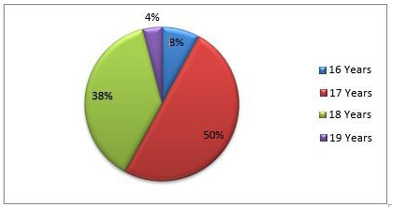
Figure No: 1
Table no 2 and fig no 1: Reveals that 4 (8%) subjects were in the age of 16 years, 25 (50%) subjects were in the age of 17 years, 19(38%) subjects were in the age of 18 years, 2 (4%) subjects were in the age of 19 years.
Table 3: Frequency and percentage distribution of study sample according to religion.
N=50
|
RELIGION |
F |
Percent |
|
Muslim |
50 |
100.0% |
|
Non-Muslim |
0 |
0% |
|
Total |
50 |
100.0% |
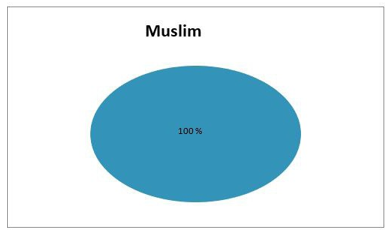
Table no 3 Figure 2: Reveals that 50 (100%) subjects were from the Muslim community.
Table 4: Frequency and percentage distribution of study sample according to living status
N:50
|
LIVING STATUS |
F |
Percent |
|
Rural |
24 |
48.0% |
|
Urban |
26 |
52.0% |
|
Total |
50 |
100.0% |

Table no 4 and figure no 3: Reveals that 24(48%) subjects were from the rural community and 26 (52%) subjects were from the urban community.
Table 5: Frequency and percentage distribution of study sample according to occupational status of parents.
|
OCCUPATIONAL STATUS |
F |
Percent |
|
|
|
|
|
Govt. job |
13 |
26.0% |
|
Private job |
9 |
18.0% |
|
Labour |
19 |
38.0% |
|
Businessman |
6 |
12.0% |
|
Other |
3 |
6.0% |
|
Total |
50 |
100.0% |
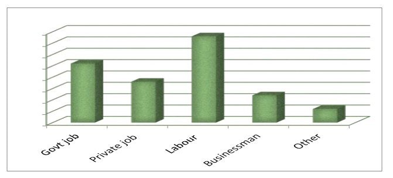
Table no 5 and figure no 4: Reveals that, fathers of 13 subjects (26%) had fathers working in government jobs, 9 subjects (18%) had fathers employed in private jobs,19 subjects (38%) had fathers who were labour.6 subjects (12%) had fathers who were businessman and 3 subjects (6%) had fathers with other occupational status.
Table 6: Frequency and percentage distribution of study samples according to the type of family
N:50
|
TYPE OF FAMILY |
F |
Percent |
|
Nuclear |
31 |
62.0% |
|
Joint |
11 |
22.0% |
|
Extended |
0 |
0.0% |
|
Single parent |
8 |
16.0% |
|
Total |
50 |
100.0% |
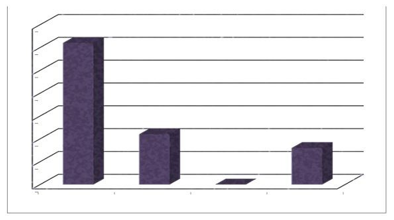
Table no 6 and figure no 5: Reveals that 31(62%) of the study subjects belonged to a nuclear type of family, 11(22%) of the study subjects belonged to a joint family, and 8(16%) of the study subjects belonged to a single parent family.
Table 7: Frequency and percentage distribution of study sample according to the monthly income
N:50
|
MONTHLY INCOME OF |
F |
Percent |
|
Less than 20000 |
38 |
76.0% |
|
20000-40000 |
8 |
16.0% |
|
50000-80000 |
4 |
8.0% |
|
More than 80000 |
0 |
0.0% |
|
Total |
50 |
100.0% |
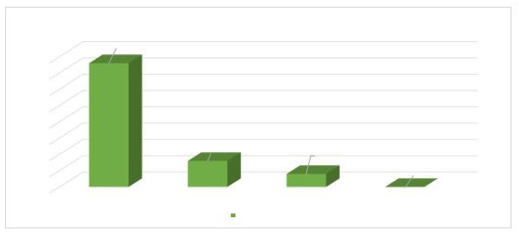
Table no 7 and figure no 6: Reveals that 38(76%) study subjects were having a familial monthly income of<20,000, 8(16%) study subjects were having a family income between 20,000 – 40,000,4(8%) study subjects were having an income between 50,000 –80,000
Table 8: Frequency and percentage distribution of study sample according to age of menarche
N:50
|
AGE OF MENARCHE |
F |
Percentage |
|
13-14yrs |
39 |
78.0% |
|
15-16yrs |
10 |
20.0% |
|
11-12yrs |
1 |
2.0% |
|
Total |
50 |
100.0% |
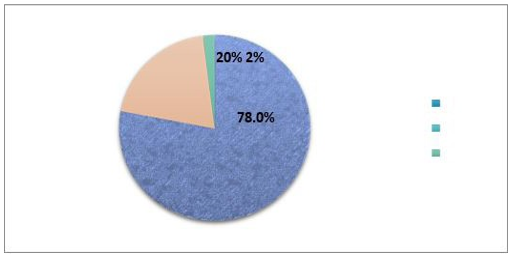
Table no 8 and fig no 7: Reveals that 39 (78%) of the study subjects were having the age of menarche as 13 – 14 years, 10(20%) of the study subjects were having the age of menarche as 15 – 16 years, and 1(2%) of the study subjects were having the age of menarche as 11-12 years.
Table 9 Frequency and distribution of study sample according to duration of menses:
N:50
|
DURATION OF MENSES |
F |
Percent |
|
1-3 days |
6 |
12.0% |
|
3-5 days |
22 |
44.0% |
|
5-7 days |
22 |
44.0% |
|
More than 7 days |
0 |
0.0% |
|
Total |
50 |
100.0% |
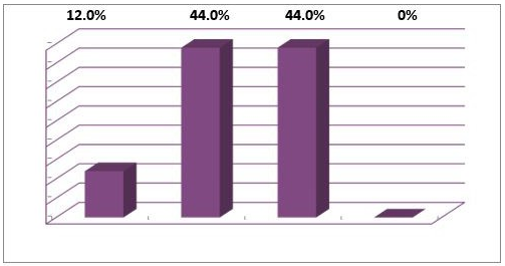
Table no 9 and fig no 8: Reveals that 6(12%) study subjects were having 1-3 days’ duration of menses, 22(44%) study subjects were having 3-5 days’ duration of menses, 22(44%) study subjects were having 5-7 days’ duration of menses.
Table 10: Frequency and percentage distribution of study sample according to previous knowledge on PCOS
N:50
|
PREVIOUS KNOWLEDGE ON PCOS |
F |
Percent |
|
Yes |
15 |
30.0% |
|
No |
35 |
70.0% |
|
Total |
50 |
100.0% |
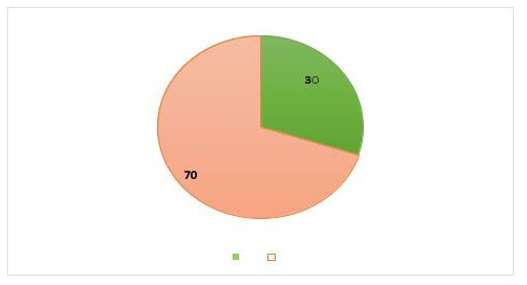
Table no 10 and figure no 9: Reveals that regardless of the source of information ,15(30%) study subjects were having previous knowledge on PCOS and 35(70%) study subjects were having no previous knowledge on PCOS
Table 11: Frequency and percentage distribution of study sample according to the source of information
N:50
|
SOURCE OF INFORMATION |
F |
Percent |
|
Friends |
36 |
72.0% |
|
Teachers |
6 |
12.0% |
|
Family |
2 |
4.0% |
|
Mass media |
6 |
12.0% |
|
Total |
50 |
100.0% |
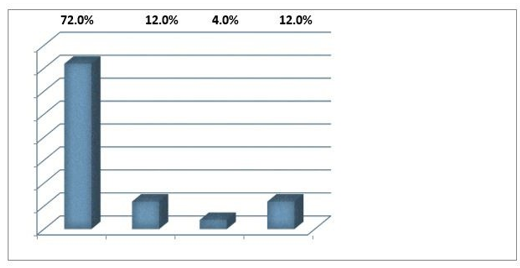
Table no 11 and figure no 10: Reveals that 36(72%) study subjects were having the source of information as friends, 6(12%) study subjects were having the source of information as teachers, 2(4%) study subjects were having the source of information as family and 6(12%) study subjects were having the source of information as mass media.
Table 12: comparison between pre-test knowledge score and post-test knowledge score regarding PCOS among adolescent girls of Govt. Girls Higher Secondary School Ranibagh Anantnag
|
Range |
Level of knowledge |
Pre – knowledge (n=50) |
Post – knowledge (n=50) |
||
|
F |
Percentage |
F |
Percentage |
||
|
1-9 |
Inadequate |
14 |
28% |
0 |
0% |
|
10-18 |
Moderate |
29 |
58% |
5 |
10% |
|
>18 |
Adequate |
7 |
14% |
45 |
90% |
|
TOTAL |
50 |
100% |
50 |
100% |
|
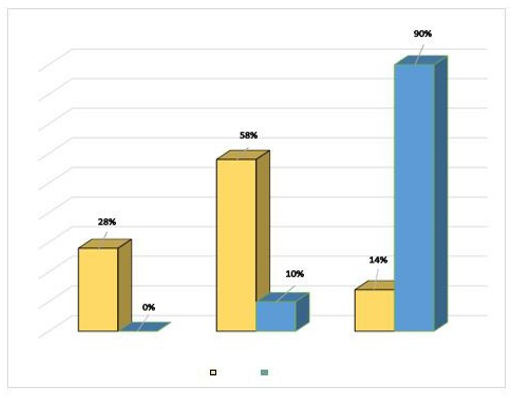
Table no 12 and figure no 11: Reveals that 28% of the participants had inadequate knowledge regarding PCOS, 58% of the participants had moderate knowledge and 14% had adequate knowledge regarding PCOS in the pre-test.
While as 10% of the participants had moderate knowledge regarding PCOS and 90% of the participants had adequate knowledge regarding PCOS in the post test after the implementation of STP.
Table 13 :Comparison of mean pre-test knowledge scores of adolescent girls with mean post-test knowledge scores regarding PCOS among adolescent girls at Govt. Girls Higher Secondary School Ranibagh
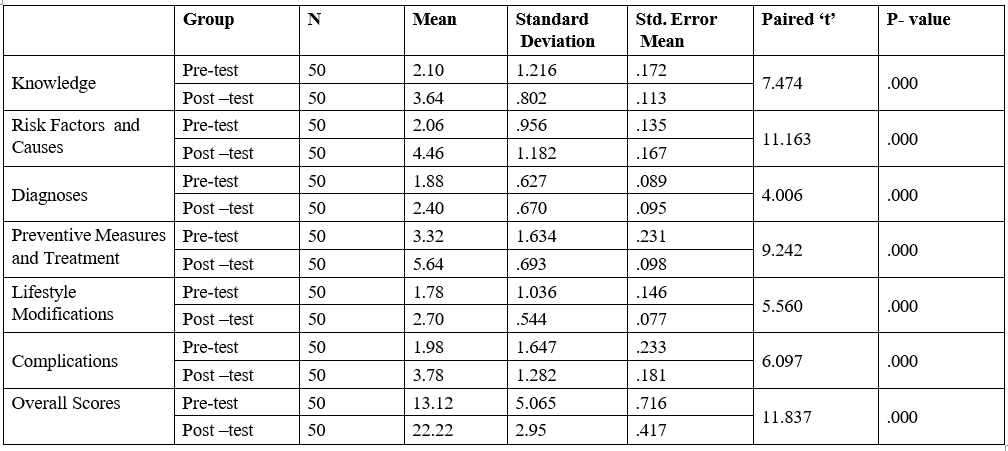
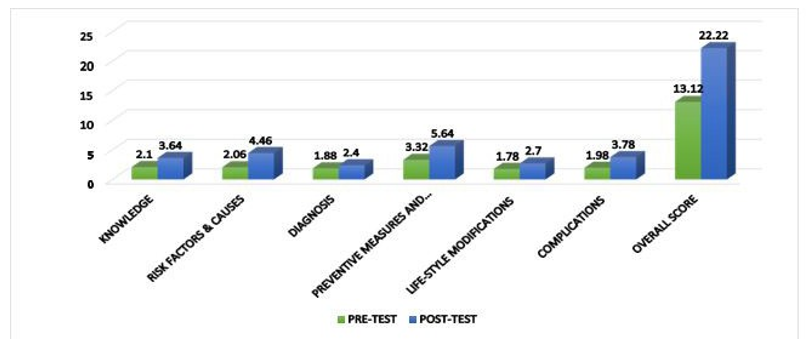
Table no 13 and figure no 12: Reveals the difference between mean, standard deviation and standard error mean in the pre-test and the post-test knowledge scores.
It clearly reveals that the post-test mean was higher than the pre-test mean, in all the groups of knowledge and in the overall scores (13.12 to 22.22) as well, suggesting that an improvement or increase in scores after the implementation of STP.
It also reveals that the mean +Std. Deviation of the post-test knowledge scores of the study subjects i.e. 22.22 +2.95 was greater than mean + Std. Deviation of pre-test knowledge scores i.e. 13.12 +5.065 at P value = 0.00. Hence confirmed that STP was effective in increasing the knowledge regarding PCOS and thus research hypothesis H0 is rejected which states that there is no significant increase in the knowledge scores of adolescent girls after the implementation of STP and H1 hypothesis is accepted which states that there is significant increase in the knowledge scores of study subjects regarding PCOS after the implementation of STP.
Discussion
This chapter dealt with summary of the study findings, conclusions implications, recommendations & limitations for the future research in the field of nursing.
The present study was pre-experimental one group pre-test post- test design in nature and was conducted to assess the effectiveness Structured Teaching program on knowledge regarding PCOS among adolescent girls of 12th at Govt. Girls Hr. Sec School Ranibagh Anantnag Kashmir.
The samples were selected using purposive random sampling technique. The samples comprised of 50 adolescent girls studying in Govt. girls higher secondary school Ranibagh Anantnag Kashmir and data was collected using self-structured questionnaire. A review of related literature enabled the investigator in selecting appropriate conceptual framework, methodology of the study and plan for statistical analysis. A quantitative approach and pre – experimental one group pre-test post-test design was considered to be most appropriate to fulfil the objectives of the study. A structured questionnaire was prepared to assess the effectiveness of STP on knowledge regarding PCOS among adolescent girls which was validated by experts in the field of Obstetric Gynaecology Nursing, and other medical professionals. The study was conducted at Govt. Girls Higher Secondary School Ranibagh Anantnag Kashmir; purposive random sampling technique was employed to fulfil the structured questionnaire among 50 adolescent girls belonging to 12th standard. Data collection schedule was from 16 to 22 December 2024.
Data analysis was done using descriptive and inferential statistics. The demographic characteristics of the sample were described using frequency and percentage and were depicted with the help of graphs and figures. Mean, standard deviation, score and paired ‘t’ test was calculated to compare the pre-test and post-test knowledge among adolescent girls.
This chapter discussed the findings of the study titled ‘‘A study to assess the effectiveness of structured teaching program (STP) on knowledge regarding PCOS Among Adolescent Girls in Govt. Girls Higher Secondary School, Ranibagh, Anantnag’’. The discussion was organized based on the study objectives and compares the findings with existing literature.
Objective 1: To assess the pre-test knowledge score regarding PCOS among the adolescent girls of 12th standard in selected Govt. Girls Hr. Sec. School Rani Bagh.
The results revealed that the pre-test knowledge scores among the 50 participants were predominantly moderate, with 58 % scoring in the "moderate" range (10-18), 28% scoring in the “inadequate” range (1-9) and 14% scoring "adequate” range (>18), indicating a moderate baseline knowledge level among participants. These findings highlight a knowledge gap among adolescent girls regarding polycystic ovary syndrome, possibly due to insufficient exposure to health education or lack of access to reliable information sources. This aligns with studies suggesting that adolescents in rural or semi-urban areas often have limited knowledge about polycystic ovary syndrome and its prevention due to socioeconomic and educational constraints.
Objective 2: To assess the post-test knowledge score regarding PCOS among adolescent girls of 12th standard in selected Govt. Girls Hr. Sec. School Rani Bagh.
After the implementation of the Structured Teaching Programme (STP), significant improvement was observed in the post-test scores. About 90% of participants scored in the "adequate" range (>18 marks), and 10% scored "moderate" range (10-18). No participants scored in the "inadequate" knowledge range. The mean post-test score was 22.22 (±2.95), demonstrating the effectiveness of the STP.
This substantial improvement underscores the importance of Structured Teaching Programme in enhancing knowledge about PCOS among adolescent girls. The effectiveness of STPs in addressing specific health issues has been widely documented, supporting the utility of similar programs in school settings.
Objective 3: To compare pre-test and post-test knowledge scores regarding PCOS among adolescent girls of 12th standard in selected Govt. Girls Hr. Sec. School Rani Bagh.
The comparison of pre-test and post-test scores showed a statistically significant improvement in knowledge, as evidenced by a paired t-test value of 11.837 and a P-value of 0.000. The findings indicate that the Structured Teaching Programme was highly effective in bridging the knowledge gap.
Before the intervention, the majority of participants had limited knowledge, with only 14% achieving "adequate" scores. Post- intervention, this percentage increased to 90%, demonstrating a remarkable enhancement in understanding. These results are consistent with similar studies emphasizing the role of structured teaching in improving awareness and promoting health literacy among adolescents.
Discussion of Demographic Variables
1. Age in Years: Most participants (88%) were aged 17-18 years. This age group is particularly vulnerable to reproductive and endocrine disorders and can greatly benefit from timely educational interventions.
2. Religion: All participants were Muslim, reflecting the demographic composition of the study area.
3. Educational Status: All participants were from the 12th grade, indicating a homogenous educational background that may have contributed to consistent results.
4. Occupational Status of Parents: A significant proportion (38%) of parents were categorized as "labour," possibly indicating unemployment and poor to average financial support. This socioeconomic factor may influence access to health education resources.
5. Living Status: Participants about (52%) resided in urban areas and (48%) resided in rural areas, suggesting a better access to educational facilities compared to their rural counterparts.
6. Type of Family: Most of the participants (62%) belonged to nuclear families, which may affect dietary habits and access to nutritional guidance.
7. Monthly Income of Family: A majority (76%) reported a monthly income of less than â?¹20,000, highlighting financial constraints that could limit access to nutrient-rich foods.
8. Age of Menarche: The majority (78%) reported menarche at 13–14 years, reflecting typical developmental milestones.
9. Duration of Menses: The majority (88%) experienced menses lasting between 3–7 days (44% between 3-5 and 5-7 days each) with only 12% reporting durations of 1-3 days.
10. Previous Knowledge on PCOS: Only 30% of participants had prior knowledge, emphasizing the need for educational programs.
11. Source of Information: Friends (72%) were the primary and predominant source of information, followed equally by mass media (12%) and teachers (12%). This underscores the importance of leveraging these channels in health education initiatives.
Conclusions Drawn from the Study
The present study was carried out to evaluate the effectiveness of a Structured Teaching Programme (STP) on knowledge regarding PCOS among adolescent girls. The study concluded that the implementation of the STP led to a significant increase in knowledge among the participants. This was evidenced by the difference in pre-test and post-test scores: the mean pre-test score was 13.12 (±5.065), while the mean post-test score increased to 22.22 (±2.95), indicating a substantial improvement.
Summary
The study aimed to assess the effectiveness of a Structured Teaching Programme on PCOS among adolescent girls. A pre- experimental one-group pre-test-post-test design was employed using a quantitative research approach. purposive random sampling was used to select 50 participants. The findings are summarized as follows:
In the pre-test, 14% had adequate knowledge ,58% had moderate knowledge, and 28% had inadequate knowledge. After the implementation of STP, 90% scored in the adequate range, 10% in the moderate range, and none in the inadequate range. These results showed that the teaching Programme significantly improved the participant’s knowledge about PCOS.
Overall Impact
The paired t-test value of 11.837 and p-value of 0.000 indicate a statistically significant improvement in knowledge following the STP. The findings confirmed the effectiveness of structured educational interventions in addressing knowledge gaps
Implications
Based on the findings, the following implications were drawn:
1. Nursing Practice: The study underscores the importance of community health nurses in delivering educational interventions to address common health issues like PCOS.
2. Nursing Education: Incorporating health education projects into nursing curricula will prepare future nurses to design and implement effective teaching programs.
3. Nursing Research: Further research is needed to assess the long-term effects of such interventions on health behaviors and outcomes.
4. Public Health Policy: Policymakers should integrate mandatory health education into school curricula, with a focus on nutrition, life style and prevention of PCOS.
Recommendations
1. Conduct similar studies on larger samples to enhance the generalizability of findings.
2. Use qualitative approaches to explore adolescent girl’s experiences with PCOS and its management.
3. Assess the effectiveness of other complementary health education strategies, such as using social media or digital platforms.
4. Advocate for collaboration between schools, families, and healthcare providers to improve adolescents' nutritional knowledge and practices.
5. Evaluate the long-term retention of knowledge and its impact on reducing PCOS prevalence in similar populations.
Limitations
• The study's small sample size limited the generalizability of the findings.
• It focused solely on the knowledge domain, excluding other potential factors like behavior or practice changes.
• The scope of the study was restricted to a specific intervention, not addressing other aspects of PCOS management
References
- Stein, I. F., & Leventhal, M. L. (1935). Amenorrhea associated with bilateral polycystic ovaries. American journal of obstetrics and gynecology, 29(2), 181-191.
- Teede, H. J., Misso, M. L., Costello, M. F., Dokras, A., Laven, J., Moran, L., ... & Norman, R. J. (2018). Recommendations from the international evidence-based guideline for the assessment and management of polycystic ovary syndrome. Human reproduction, 33(9), 1602-1618.
- Azziz, R., Carmina, E., Chen, Z., Dunaif, A., Laven, J. S., Legro, R. S., ... & Yildiz, B. O. (2016). Polycystic ovary syndrome. Nature reviews Disease primers, 2(1), 1-18.
- Sanchez-Garrido, M. A., & Tena-Sempere, M. (2020). Metabolic dysfunction in polycystic ovary syndrome: Pathogenic role of androgen excess and potential therapeutic strategies. Molecular metabolism, 35, 100937.
- T. Kambale, K.D. Sawaimul, S Prakash, b iqbal, I Mushtaq Ann Afr Med 2023 Jan-Mar 2022(1) 112- 116
- Vathana P., Loga P., L Yousef, A. Abraham, Egyptian Journal of Health Care, September, 2024 EJHC Vol.15 No.3\ Effectiveness of PTP on Knowledge regarding PCOS among adolescent Girls.
- Jan, R. Prevalence of polycystic ovary syndrome among reproductive females in Padgampora village of Pulwama, J&K, India. Infertility, 2, 5.
- Shilpa R, & Mathew S & Miranda, Janet. (2024). Effectiveness of structured teaching programme on knowledge regarding polycystic ovarian syndrome (PCOS) among adolescent girls studying in selected college at Mangalore. World Journal of Biology Pharmacy and Health Sciences. 19. 225-233.
- Hareesh, A. S., Divya, D., & Prathima, P. (2023). A Study to Assess the Effectiveness of Structured Teaching Program on Knowledge regarding Polycystic Ovarian Disease among College girls at Sree Vidyanikethan Engineering College, A. Rangampet, Tirupati, Andhra Pradesh. International Journal of Nursing Education and Research, 11(2).
- Jakhar, R., Sen, E. D., & Dutt, R. (2022). Awareness of polycystic ovarian syndrome among college going females in Gurgaon: a cross-sectional study. Annals of the NationalAcademy of Medical Sciences (India), 58(03), 149-156.
- Hala A , Khaled A , Iman Al K , Weam D , Loulwa C conducted across sectional study in Lebanon in the year 2022 DOI:10.21203/rs.3.rs-395164/v1.
- John. S. (2021). Assessing the effectiveness of structured teaching program on knowledge regarding polycystic ovarian syndrome among adolescent girls in Bangalore. Journal of Adolescent Health Education, 32(3), 75-80.