

International Journal of Women's Health Care(IJWHC)
ISSN: 2573-9506 | DOI: 10.33140/IJWHC
Impact Factor: 1.011

Review Article - (2019) Volume 4, Issue 2
A Prevention Project to Increase Influenza Vaccination in The Community Through Health Literacy
Received Date: Jun 08, 2019 / Accepted Date: Jun 17, 2019 / Published Date: Jun 22, 2019
Copyright: ©Patience R Akhimien. This is an open-access article distributed under the terms of the Creative Commons Attribution License, which permits unrestricted use, distribution, and reproduction in any medium, provided the original author and source are credited.
Abstract
Influenza is a vaccine preventable viral disease of the respiratory tract that could become complicated with respiratory failure resulting in disability and death according to CDC (2013b). Even though influenza can possibly be prevented by vaccination, the death rate is still high worldwide due to misconceptions, biases, misbelieve and ignorance against the flu vaccine. Influenza could also cause gastrointestinal symptoms like diarrhea and vomiting leading to dehydration that could become fatal if not treated promptly and adequately.
Introduction to the Problem
Influenza is a vaccine preventable viral disease of the respiratory tract that could become complicated with respiratory failure resulting in disability and death according to CDC (2013b). Even though influenza can possibly be prevented by vaccination, the death rate is still high worldwide due to misconceptions, biases, misbelieve and ignorance against the flu vaccine. Influenza could also cause gastrointestinal symptoms like diarrhea and vomiting leading to dehydration that could become fatal if not treated promptly and adequately. In the United States, influenza is seasonal and it is usually from October to April, sometimes it spreads all year round with seasonal peaks. According to Center for Disease Control and Prevention (CDC) flu activity report (https://www.cdc.gov/flu/about/ season/flu-season-2016-2017.htm), influenza starts in October and could stretch to May with December to March as peak months and could be around for the entire year.
The 2017-2018 influenza seasons was said to be one of the deadliest season in recent time and community’s recorded high morbidity and mortality from the disease especially in the West Coast like California. According to Mukherjee 2018, California emergency rooms were overwhelmingly crowded with patients who went there for influenza related treatment. The severity of influenza and the ignorance of many who declined acceptance of the flu shot needs attention of healthcare team to enlighten communities of the importance of vaccination against influenza.
This evidence-based project (EBP) is modeled after the six key concepts of the health belief model (HBM) to influence a change in the community’s health behavior and assist the people in making a decision that will enhance their acceptance of flu vaccines. Seeing the statistics of influenza morbidity and mortality around the country, it is important that programs that promote influenza vaccination uptake be encouraged. According to Lu et al. (2013), it is cheaper to invest in vaccination programs than to control an outbreak of the disease. The focus of the EBP is on health and vaccine literacy to improve knowledge of the disease and accept its prevention through vaccination. It is evident that when targets are set to increase vaccination rate, effective strategies are formulated to generate the desired outcome. According to Nowalk, Lin, Raymund, Bailor and Zimmerman 2013, influenza vaccination rate remains low despite the 90% target of Healthy People 2020. This Doctor of Nursing project is designed to improve health literacy associated with influenza and the flu vaccination in the community. One strategy is to introduce several educational materials in clear and concise written and languages for easy understanding. The other is the use of information technology to improve communication between stakeholders and the community to enhance the safety and disease prevention awareness of the flu shot. Videos of influenza symptoms, treatment, complications and benefits of flu vaccines were delivered through health channels, emails, clinic sites and social media views. Influenza posters and provider teaching were included in propagating this influenza awareness program. The focus of the teaching is to reduce and eliminate flu vaccine misconceptions, misbelieves, ignorance and prejudice that are hindering the people of Riverside from accepting vaccination. Pre and post evaluation of the project were compared and findings showed how health literacy improved the perception of the people and acceptance of the flu vaccine.
Background and Significance of Problem to Health Care/Nursing
Influenza is a viral disease that presents in different strains of A, B, C and D of which influenza A (H1N1 and H3N2) subtypes are most virulent and capable of resulting in a pandemic. Influenza B is not classified into subtypes like A, instead it is considered a lineage of B/Yamagata or B/Victoria lineage. Influenza type C causes minor illness while D is only found in animals. The two most popular ones known to cause severe illness in humans are the influenza A and influenza B. Influenza virus can also cross from birds to humans triggering a pandemic outbreak. Influenza can be prevented with the flu vaccine according to Grohskopf et al. (2018) The goal of Healthy People 2020 is to increase influenza vaccination to 90%, while some states are developing strategies to meet this target others are still very far from meeting the goal. Various reasons are responsible for the spread and severity of influenza and this include low vaccination rate. Healthcare workers bias has played a major role in increasing the community vaccine hesitancy. According to Martin-Saborido et al 2016, healthcare workers refusal of influenza vaccination has increased the spread of the disease because they fall sick and pass the disease to co-workers, family and patients who continue the spread in the community.
There have been several reports of disability and death resulting from influenza related illness in the County. Following the 2015 influenza related morbidity and mortality report of Riverside County public health department by a team called SHAPE (Strategic Health Alliance Pursuing Equity) Riverside County (http://www.shaperivco. org/index. The CDC report of February 16, 2018, Para (26), estimated 56,000 influenza deaths annually with 35.6 million illnesses and 710,000 hospitalizations in the United States. Influenza related illnesses place significant economic and health burden on both the community and the nation in general. The economic implication of influenza include staff calling off sick resulting in employers spending more money to hire temporary staff to fill the positions until they are well enough to return to work. Center for Disease Control and Prevention with its Advisory Committee on Immunization Practices 2013(b) recommended routine annual influenza vaccination for all persons aged from six months and above who do not have contraindications for prevention of influenza disease. The World Health Organization (2018), reiterated that the flu vaccine remains the best preventive method for influenza for over 60 years (http:// www.who.int/mediacentre/factsheets/fs211/en/).
In California, the 2017-2018 influenza seasons is one of the worst in the nation as many casualties were recorded by California public health department and the CDC. According to statistics from the California department of public health (2018), https://www.cdph. ca.gov/Programs/CID/DCDC/CDPH%20Document%20Library/ Immunization/Week2017-1807_FINALReport.pdf“California is one of the states that are known to experience influenza catastrophe with death rate from influenza-associated fatalities in 2017-2018 increasing by region.” The number/percentage include: Bay Area 40/19.8, Central 28/13.9, Northern 24/11.9, Lower Southern 68/33.7 and Upper Southern 42/20.8. These numbers were reported in week seven of the 2017-2018 influenza seasons and it demonstrated the severity of influenza disease in the state especially in lower southern region where the County of Riverside is located. This region is also known as the inland empire of southern California. Riverside County is one of the counties in lower southern California that recorded high rate of influenza morbidity and mortality in any influenza season. The County’s fire department held a press conference on January 04th 2018 ( https://www.riversideca.gov/press/influenza-widespread) and reported a continuous surge of the influenza disease that has been requiring weekly ambulance transportation to the emergency room to increase services from the usual 2,604 to 3,415 resulting in prolonged wait times at the emergency room. Influenza affects both the health and the economy as the County health and fire departments are paying staff to work extra hours and days to make up for the increased influenza census. Due to the additional work, pressure put on the staff is causing them to fall sick and call off from work. Influenza is a disease that could go from mild to deadly within a short period of time. According to Fuhrmann 2010, influenza has been known to generate a pandemic disease killing over a million people worldwide.
Healthcare staff especially nurses are constantly exposed to influenza at workplace, the disease could become severe to the extent of being admitted to the intensive care unit where they may be predisposed to sepsis. The California Department of Public Health, February (2018) reported that over 200 individuals admitted with the flu to intensive care unit caught some types of sepsis leading to prolonged hospitalization, disability and death. The cost accrued from missed work, emergency room visit and hospitalization could be devastating to the families, employers and communities. Cost from these illnesses can be saved if vaccinated. The CDC influenza report showed influenza related illnesses of between 9.2 million and 60.8 million with high number of casualties since 2010 and also reported vaccine prevented disease of 5.1 million influenza illnesses (https:// www.cdc.gov/flu/about/disease/2015-16.htm). Despite the available statistics of the consequences of influenza several individuals are still refusing vaccination according to Benjamin and Bahr, (2016). Nurses are at the forefront of patient care and most trusted workforce in the nation, (American Association of Colleges of Nursing, 2013). Therefore, they should periodically be informed of health literacy on influenza through programs that promote prevention of influenza. Such programs will help minimize and eliminate vaccination biases, myths, ignorance and beliefs among healthcare staff in particular and in the community in general.
Needs Assessment
Every year, all health agencies from the WHO, CDC, State and local agencies (as demonstrated in citations previously) emphasized the need for flu vaccination to prevent influenza. This is to avoid the catastrophe of influenza related illnesses and their complications including epidemics and pandemic. According to Mackenzie 2018, everyone should endeavor to get vaccinated against influenza; the flu shot is a dead vaccine and is incapable of making anyone sick as it is believed by some individuals.
This DNP project is using a busy urgent care center located at the center of Beaumont city in Riverside County of California. The health center location attracts the community to it because of easy accessibility, staff capability and fast care.
This center is liked by the community as they pay frequent visits and acknowledge their satisfaction at almost every visit. Standby languages translators are on site as a quarter of the patient population do not speak English. The clinic operates at a fast pace with high patient turnover rate and it’s a walk-in facility that do not require prior appointments. The clinic has authorization to give the flu vaccine, send patients for radiological tests such as X-Rays, CT and MRI scans as well as specialty referrals. Therefore, accurate diagnoses and proper referrals are not delayed. These are some of the main reasons the community liked the services they receive at this center and make frequent visits.
The clinic is opened seven days a week, sees approximately 2,000 patients in a month and has the resources to ensure mass vaccination if the patients should accept the flu shots. The clinic accepts everyone that walks in irrespective of insurance coverage as they also welcome no insurance patient with considerable discount. The goal of this site is to see the community improve their health through healthy activities and to seek care as soon as they notice any deviation from normal. Hence, in their logo of their mission and vision they inscribed working with the community to reduce morbidity and mortality through disease prevention and early detection of life-threatening conditions. They work in collaboration with the paramedics, firefighters and the hospitals in the community to enhance early detection of diseases and prompt treatment to avoid deterioration of health condition. Because of the satisfaction rate and the trust the community has for this center, the EBP using the model of behavioral change such as the HBM was capable in increasing influenza vaccination among the residents and decrease hesitancy as the implementation was successful. Their computer system is user friendly and their use of information technology to reach members of the community gave an added advantage to nursing students during the community health fair and outreach. Therefore, this center is community focused, patient centered and information dissemination organization.
Purpose
The purpose of this Doctor of Nursing Evidence-Based Project is to create an awareness of influenza disease, and increase the rate of influenza vaccination among the residents of Riverside County of California. Severity and spread of influenza infection have always been traced to low vaccination rates among the people especially in this community. According to Poland 2010, vaccination has proven to reduce the incidence of influenza in the communities and there necessary to keep people safe. The strategy designed to achieve these aims is through health literacy. Squiers et al. (2012) developed health literacy framework using four models to demonstrate how individual’s health literacy level determines his /her health outcome. Various studies have demonstrated how knowledge of disease increases prevention and management of such conditions. Therefore, this EBP is projected to change behaviors and assists in decreasing risky health habits such as influenza vaccination denial.
Concepts and Definitions Used in Project
Health Literacy (HL) – Helping to understand health and make appropriate decision
Health Belief Model (HBM) – The system used for the project to give clarity and understanding
Influenza and Vaccination – Immunization against the disease call influenza
Theoretical Framework – The structure that gave support to the project
Hesitancy: Refusing to accept the flu shot
EBP: Evidence-Based Project
DNP: Doctor of Nursing Project
Bias: An unfair behavior against a course
P-Patient/Problem: Patient not having adequate knowledge of influenza prevention
I-Intervention: Methods used in educating patients to accept flu vaccination
C-Comparison: Comparing association between pre and post intervention acceptance and denial of the flu vaccine
O-Outcome: Results of post implementation of acceptance rate
Relationship of Project to Advanced Nursing Practice
The evidence-based DNP project have the possibility to influence practice by justifying how health literacy increased influenza vaccination rate and reduce cases of influenza infection in the community of interest. The Nurse Practitioners as advanced practice nurses (APRN) have the potential to introduce change and improve practice through consistent review of evidence and supporting literatures in line with AACN DNP essentials and recommendations of IOM. According to Card 2013, the institute of medicine (IOM) recommended for nurses be given the opportunity to practice to their full potential. EBP such as this project of change is an example to show how advanced practice nurses are capable of introducing a change in practice to improve population health in the communities in consonance with essential 1, 2, 3 and 7. The project goes a long way to prepare APRN students who will be learning from it to develop stronger health promotion and disease prevention projects to help improve outcome in the community through the use of information technology, interprofessional collaboration and use of leadership quality to influence preventive health policies in agreement with essential 4, 5, 6 and 8.
Discussion of How Identified Practice Setting Supports the Project
The practice setting for the EBP project is a busy urgent care clinic that sees close to 2,000 patients monthly. Participation in the project was voluntary and open to age 18 years and 60. No restriction to gender, race, religion, immigration status, health condition or nationality. Age and a history of previous vaccination were the exclusion for participation. A total of 100 individuals who had never received flu vaccination agreed to participate in the EBP change project. The 100 of participants and 90 individuals (90%) completed the pre-intervention project survey collected by the project team. This number showed the willingness of participants and project team collaboration. The setting is equipped with advanced information technology system that enables easy accessibility to participants and stakeholders. The organization’s management agreed to cover 90% of the project cost thereby minimizing the stress of financial implication.
Project Alignment with Practice Site Mission and Goals
The practice site is dedicated to opening seven days a week to every individual who walks in for preventive and health promotion services. This project’s mission is to accelerate the rate at which residents of Riverside County receive seasonal influenza vaccine which will result in minimizing the transmission of influenza disease and improve community outcomes. The goals are (1): To improve health literacy on influenza, (2): To minimize and eliminate beliefs, myths and behaviors that denied the residents of Riverside County the opportunity of receiving the flu vaccine and (3): Maximize influenza vaccination and reduce incidence of influenza among the residents of Riverside County.
Identify Key Stakeholders
The key Stakeholders include the manager of the human resources who disburses fund; the clinic manager who directs the affairs of clinic, the director of employment who interviews and makes sure the providers and staff in the project team are acquainted with the project plan, the nursing, medical staff, the patients and community residents. The project team executors include; the providers, medical assistants, nurses and the office clerk. Health care personnel from the providers to the office clerks who check in patients, management, community leaders will work in harmony in improving health literacy on influenza in Riverside.
Benefit of Project to Practice Clinical Area
At the dissemination of this project, the goal is to ensure health centers in Riverside County adopt the project plan of health literacy on influenza to increase the flu vaccination rate. The project developer is to collaborate with medical centers in the community to increase vaccination rate. The project site will gain more popularity in preventive care at the end of this project. This project’s educational material clarity will improve patient’s acceptance of flu vaccine and existing health centers will be attracted to develop health literacy policy that will be easily understood by readers to increase the rate of influenza immunization in Riverside. With the implementation of this project, the clinic staff will have the opportunity of improving their teaching skills and become proficient in preventive care.
The organization will benefit from this project has increased patient visits and reimbursement because the health prevention style attracts the community to patronize this center more than any other health center in the community. The easy access to the community is an additional benefit as they can walk in without prior appointment at their convenient time to receive the vaccine. Many people work Monday to Friday and do not have the opportunity of going to their primary care provider even if they accept the vaccine. Because this clinic opens seven days a week, these individuals have the advantage of getting vaccinated. The clinic stands to receive more reimbursement as they will increase their vaccination rate through this project. This project is of benefit to both the community and the clinic as residents of the community will have the opportunity to receive vaccination at their closest center, the staff will receive learning opportunity and while the clinic get more recognition and reimbursement for the projected massive vaccination. Since flu shots prevent influenza, there will be less return non-billable visits from patients suffering influenza disease.
Theoretical Foundation or Framework for the Project
|
Health Belief Model Application |
||
|
Concept |
Health Literacy |
Vaccine Acceptance |
|
Perceived susceptibility |
Through health education patients accept they are exposed to influenza during its season |
Patient believe the myths and rumors about vaccines are not true |
|
Perceived Severity |
With provider education patients now verbalize that if they don’t receive the influenza vaccine they may fall sick and probably be admitted to the hospital with a threat to life and missing work |
Patient acknowledged the flu shot as the best preventive measure to avoid being sick of the flu Patient verbalized he/she had held false belief against the flu shot for a long time |
|
Perceived Benefits |
Patients accepts teaching materials, asked questions while watching vaccination demonstration on the television and reading the influenza posters on the walls |
Patients accepts to take the flu shots during the season |
|
Perceived Barrier |
Patients expressed their personal barriers such as working Monday to Friday, not having health insurance |
Language barrier Unavailability of vaccines when patients are ready to receive the vaccines Unavailable due to time at work No enough money to buy the vaccine |
|
Cues to Action |
Receive a telephone reminder to get the flu shot at the end of October Receive reminder at clinic visit |
Patients requesting for the best month to take the vaccine Mark their Calendars to remember the month |
|
Self-Efficacy |
Patient being able to understand that the flu shot is the best prevention of the flu Patient received all the information they wanted to understand how the vaccine works |
Receive vaccination by end of October just before the flu begins |
Description and Explanation of the Theoretical or Conceptual Framework/Model That Supports the Project
After a review of conceptual frameworks using PICO questions for a systematic search, other relevant frameworks came up leading to a change from health literacy and Imogene King’s theoretical frameworks to the health belief model (HBM). Health belief model was first developed in 1950s by social psychologists Hochbaum, Rosenstock and Kegels according to the account of Fathi, Barati, Zandiyeh and Bashirian (2017). HBM is among the most used models in projects and studies that are expected to change risky behaviors aimed at prevention of harmful practices. A large proportion of the populations including nurses exhibit some kinds of biases and ignorance against influenza vaccination. Vaccine hesitancy and refusal has been traced to certain behaviors including psychological and demographic variances according to Schmid, Rauber, Betsch, Lidolt and Denker (2017). Application of HBM assists in encouraging patients to perceive how susceptible they are to influenza; Perceive the severity of the situation caused by their refusal to protect themselves with flu shot as recommended by CDC and WHO, perceive the benefits of not falling sick and missing work during the influenza season if they receive the vaccine, perceiving barriers that could prevent them from getting vaccinated and seeking help to remove those barriers, cues to self-action by enquiring when and where to receive the vaccine and marking their Calendars for flu shot times to remind themselves even if they do not receive reminders from their providers.
Literature Review
Using PICO questions, a systematic Cochrane search was done using the keywords like health literacy, vaccination and influenza. Peer reviewed articles numbering 66 showed up during the search. One of the reviewed article’s abstract was appropriate for this project and a similar project on health literacy on influenza vaccination was also critically reviewed. One of the results from the abstract was appropriate for inclusion and was adopted to be used as a base for the project. In the EBSCOHOST 12 peer reviewed articles appeared, 2 peer reviewed article selected because there were some similarity to this project’s focus. Cochrane database articles were 1, 560 recovered from search and because of the large number of articles they were excluded. Other database searched were PubMed, MEDLINE, DOAJ. CINHAL and ProQuest keywords used as search engine were flu shot refusal, antibiotics misuse, vaccine availability, barriers to flu vaccination, health literacy on flu shots and flu vaccination efficacy. Duplicated articles were excluded to avoid repetition. The search produced 105 articles in all after the removal of duplicates. Abstract of the articles were reviewed of which 16 articles were selected for critiquing after which six were considered for inclusion. To get past and present flu activities updated expert report, the CDC, WHO, DHHS, States and Local public health department websites were searched for statistics to support the project. National Guideline Clearinghouse guidelines was searched to use as project guideline using the keyword health literacy or flu shot, 61 guidelines showed up. After review of the guidelines, 4 were relevant but 2 most suitable were selected for inclusion.
To achieve familiarity with articles related to this project, important websites such as the doctorofnursingpractice.org was searched using keywords as flu vaccination, flu awareness and influenza prevention. Six related project articles were recovered and one by Mann, 2016 was selected for inclusion. 86 articles were searched, 10 reviewed and three selected for inclusion from other academic sites such as (AAFP) Association of American Family Physicians and (AANP) Association of American Nurse Practitioners. Five articles were also recovered from anonymous sites for citation because of their significance to the project.
Appraisal of Relevant Evidence
After critiquing nine pree reviewed articles selected from different databases as listed above and one CDC expert review, two articles were chosen for appraisal. Mann’s 2016 college influenza vaccination project and Fathi, Barati, Zandiyeh and Bashirian 2017 operating room infectious disease prevention project. These 2 were critically evaluated using human evaluation to identify the overall satisfaction of the use of evidence in both studies. From the appraisal, unnecessary steps that could cause delays were noted. Both studies proved relevance to this project’s success.
Review and Critique of Relevant Theory-Based Literature
Fathi, Barati, Zandiyeh and Bashirian (2017), successfully used HBM to change risky behaviors of operating room staff to prevent them from blood and body fluid infections. This article was selected for inclusion because of the preventive focus. Even though Fathi and group’s project was on blood and body fluid disease transmission, it has similarity with this influenza awareness project as both were carried out using HBM to influence behaviors that prevent diseases.
Hoffman et al (2015) concluded that individuals who are knowledgeable are less likely to request antibiotics for influenza-like symptoms. However from literature review, some sources concluded that level of education does not influence health literacy instead, nature and nurture influence people’s health literacy more than their education. The latter is right to some extent as some doctors and nurses demonstrate certain level of biases and ignorance against the flu vaccine.
Mann (2016) The project’s outcome demonstrated the effectiveness of health literacy in changing risky health behaviors as influenza vaccination campaign attracted an overwhelming vaccine uptake in a campus setting. In her college vaccination project, Mann utilized the college website and social media as tools to attract her target group. It is important to use tools that will attract the project subjects. Since my project subjects are mixed from adults to elderly and from working class to homeless, oral and written questionnaires proved to be more effective. However, both projects showed similarity and interest, therefore, Mann’s article is relevant to this project.
Yang (2012), project though centered on college students, but the article was chosen for inclusion because the method used is part of the method being used in my project. Her project is similar to mine except that it was carried out in a college environment. There was a significant difference between the pre and post implementation evaluation result. The post implementation of influenza vaccination health literacy strategy resulted in significant acceptance of the flu vaccines.
CDC (2018, February 16, Para 26) flu activity panel report for 2017-2018 season estimated death figure to reach 56,000 and advised those who have not been vaccinated to go get the vaccine to avoid further illness as the season is not over yet. Although, the panel advised to increase vaccination but, people should be made aware that the flu vaccine is not 100% effective. They should stay at home when they have symptoms, cover their mouth when they cough and increase fluid intake to prevent spread and aid healing.
Lam, Dawson and Fowler (2015), study discussed parental refusal of their children from receiving the flu vaccine. They emphasized the importance of communication in educating parents towards understanding the flu. The similarity with the influenza project is the emphasis on communication. However, this group did not emphasize that the parents also need vaccination.
Marzieh Meraji; HooshangRafat-Panah; SanazalsadatMahmoodian; AtiehDaeyan (2016): This study emphasized improving the health literacy on influenza to students to influence behavior change. The study met inclusion criteria as they proved association between health literacy and flu vaccine uptake among students. However, there project is restricted to college students and not the general population Lee, Stucky, Lee, Rosier and Bender (2010) REALM: Rapid Estimate of Adult Literacy in Medicine; SAHL- S/E: (Short assessment of health literacy in Spanish/English) this group used Rapid assessment to evaluate the level of understanding of the patients in languages that the patients understand to deliver health literacy. This study is selected because of its similarity to this influenza project where clarity and concise education is the tool to increase influenza vaccination awareness. Although, the study did not include vaccination but, it is relevant due to its health literacy similarity with this project.
Dowse, Lecoko and Ehlers (2010): Similarity of project attracted inclusion. This group of scholars focused their study on effective communication and succeeding in proving that the clarity of communication attracts attention and enhances understanding.
Berkman, Sheridan, Donahue, Halpern and Crotty (2011) brought to awareness the extent of health literacy in the society. They proved that cognitive skills and language barrier play a major factor for low health literacy on influenza in the United States. This peer reviewed study met selection criteria because it discussed the effect of low health literacy on vaccine refusal. However, some researchers have argued that some very educated individuals have also demonstrated low health literacy as regards vaccination.
Project Description
This project is targeting to increase awareness of influenza prevention and treatment in Riverside County. This project is developed to correct misconceptions and myths about the flu vaccine with the goal to increase vaccination rate. The setting is a busy urgent care health center in a city in Riverside County. The target group is residents of Riverside County, project subjects are 100 individuals from age 18 years and 60 years. Methods include: Provider face to face teachings and interviews; use of visual aids such as television health channel, vaccination posters, brochures and after-visit summary. Also included is use of information technology to spread the importance of the flu vaccine through emails, social media and facility website. Evaluation method was through questionnaires, telephone, email, verbal intervention.
Methods for Achieving Purpose
This DNP capstone project is developed using an evidence-based practice project which involves using educational materials to implement health literacy on influenza awareness for the residents of Riverside County. It also includes analyzing the community influenza vaccination status before and after implementation of plan to show if the project impacted their acceptance. Various educational methods are in the plan considering the population of interest and putting into consideration their level of education and assimilation.
First is the display of health channel in the waiting area as the patients are sitting and patiently waiting to be called into examination room. This channel will be showing information on the importance of receiving the flu vaccine; how to recognize symptoms, what to do when symptoms occur, the virus spreads, myths and beliefs people may have, treatment and complications. Four minutes of this information with one minute between advert. Second on the list is the display of poster boards in examination rooms with information being translated in both English and Spanish using fourth grade level of writing? Thirdly, provider teaching using poster boards, small group discussion and brief assessment of understanding. The entire implementation process is based on the health belief model.
Project Budget and Justification
After discussion with project site managers, we arrived at the following cost: Project Resource
|
Papers |
100 x 2 |
$200.00 |
|
Shared sponsor |
|
Gas Mileage |
0.52 |
$480 |
|
Self-sponsor |
|
Health channel subscription |
$20/Month |
$160 |
|
Office sponsored |
|
Printer toner |
$59 |
$354 |
|
Co-sponsored |
|
Posters and brochures in translated Languages Miscellaneous expenses |
$5 |
$100
$600 |
|
Co-sponsored
Self |
Total Budget $ 1,894.00
Other Resources that Support the Project
Additional poster board, handouts and minor gifts for participants and provision of snacks and drinks during small group discussion sections will be needed. Staff and provider donation of time to implement project, evaluate understanding of what was taught and gathering of data for analysis.
Describe Project Implementation
Change is required to bridge gaps in practice to enhance quality of care, reduce healthcare spending and produce healthier generation. Health literacy to improve influenza vaccination awareness in one of the Riverside cities was introduced using the Health Belief Models (HBM) to increase the awareness of the severity of influenza and the efficacy of flu vaccines.
Method: Health education using various methods to eliminate beliefs and biases existing in the community. The theoretical framework applied in the implementation was the Health Belief model. The model consists of six steps and these are: Perceived susceptibility, here, individuals see the danger in their behaviors such as refusal of the flu vaccine. Next is perceived severity and this sensitized them of harm to themselves if the practice continues. Thirdly, perceived benefits of changing harmful practices, this step gave understanding of how change in vaccine hesitancy could prevent them from being sick. The fourth step is perceived possible barriers they may encounter while trying to change the behavior and how to overcome such obstacles. Fifth is having them develop cues to action and helping them with readiness to change such harmful practices. Lastly is Self-Efficacy, here the individuals believe in themselves that they can successfully carry out practices that will change their harmful behaviors and enhance their health through acceptance of the flu vaccine.
Implementation of this project involves carrying out a designed plan that involves using educational materials to improve health literacy of individuals in the community. According to Mann, (2016), health literacy eliminates barriers to influenza vaccination. The intervention is put into practice in a clinic in the community using videos, posters and data from CDC. Biases were eliminated through teaching of individuals, small groups at the clinic and during community programs with brochures and posters of influenza and the vaccine efficacy. Data was presented to them to support the fact that influenza could be deadly especially in individuals with chronic respiratory and immune depressant diseases. Participants were educated on possible normal feelings of soreness, redness, tenderness, or even develop a mild fever or body aches during the two days post influenza vaccination as these symptoms are just the immune response and not the flu illness itself. Clinic staff and providers were involved in teaching the patients with posters and influenza information sheets. The computer information technology system with visible meaning use icons enable providers identify patients who needs to receive the vaccine and this enables the staff to place a reminder call to the patient. Vaccination centers where added to after visit information and centers that offer free vaccination were also made known to those without insurance to eliminate fear of cost.
Staff and providers assisted in collecting formative data during teaching sessions and this helped in improving teaching strategies. Summative evaluation was impressive as over 80% of the participants who accepted have received their flu vaccines from their primary care providers, pharmacy stores and County health centers. This early vaccination showed the success of the teaching aid used in executing the project.
Teamwork with Information Technology
Awareness of the ability to change certain practices was made easier through the use of information technology according to Baskin (2018). Teamwork involves interprofessional collaboration and partnership which leaders rely on to successfully change practice. The use of health fusion and EPIC computer software promoted communication between providers and patients in the community and this enhanced the change project implementation. To increase influenza vaccination, effective health literacy campaign was implemented to change the community mindset in order to minimize their biases against influenza vaccination. The success of this project was made possible due to the planning and coordination from stakeholders with the aid of telephone, emails and text messages. When professionals from healthcare industries unite to facilitate influenza vaccination in the community, effective communication is required to spread health literacy on influenza (Wynn and Moore, 2012.) Information technology made it easier to propagate the project message as information is easily disseminated through telephone, emails and text messages.
Project Results and Evaluation Discussion
The project was implemented on 61% females and 39% males with an average age of 37.3 who had never been vaccinated. The 100 participants selected were educated on benefits of flu vaccination and health literacy. Evaluation of this project was through simplified questionnaires administered through verbal interaction with patients, mailing, telephone calls and small group discussions. According to Casalino et al 2018, direct staff to patient administration of questionnaires increased data collected. Demographic items were categorized using nominal measurement and Data analyzed and tested with Pearson c2 test for demographics and patient understanding of teaching materials and chi square test due to the association between the variables (Harmful, does not help or ignorance, no insurance and cost) that result in vaccine acceptance and refusal. The average age of the patients was 37.3 years. Age and preexisting disease condition were significant in vaccine uptake. Category by age was four groups of 25 persons in a group. The group of age 45 to 60 had more acceptance compared to those in group 18 to 25 and 25 to 35. 100% 0f individuals with chronic disease accepted vaccination while 80% of persons in age group 25 to 35 accepted to be vaccinated. Simple questions asked were accept and refuse.
A simple questionnaire using descriptive statistics were used to profile the demographic characteristics of the pre- and post-intervention groups to evaluate the project strategies. Descriptive statistics were used to profile the demographic characteristics of all participants and the pre- and post-intervention of influenza immunization education understanding were cross-tabulated and tested with a Pearson c2 test and compared. Educational strategies tested include (1) provider education; (2) use of information technology through health channels, social media, email and clinic site, (3) posters, brochures and after visit summary (AVS) information. To determine the success of the project, pre and post-intervention evaluation of understanding of education received was tested with influenza vaccine acceptance and uptake were compared. The data were entered in Microsoft Excel to perform final analyses using 2010 excel analysis and a regression tool. This analysis tool is chosen because it’s cheaper and easy to maneuver figures as data were inputted. Once a spreadsheet is created, it can be used in any environment to track logistics and can be adjusted as required for future operations (Williams, 2015). Overall, acceptance rate was 85% and this demonstrated that health literacy of influenza vaccination through the use of community awareness strategy can significantly increase flu vaccination rate and reduce hesitancy rate.
Data Analysis: Key Findings
To find the relationship between the non-use of vaccination and characteristics associated with patients who have not gotten vaccinated, chi-square tests were performed between vaccination use and patient’ traits. These traits were ideas that vaccines were harmful, no help or ignorance, disbelief, and costly. There is an association between the subjects who never get vaccinated and the disbelief in vaccination. There is also an association between the subjects who have never been vaccinated and the uncertainty about the helpfulness of vaccination.
Table one demonstrated an association between vaccination and the patient’s belief.
|
Table 1: Chi-Square Tests Results |
||
|
|
Patient’s Belief (Y/N) |
P-value |
|
Never Vaccinated/ Vaccinated |
Harmful/Bias |
0.07186 |
|
No help/Ignorance |
<0.01* |
|
|
Disbelief |
<0.01* |
|
|
Costly |
0.4237 |
|
Then the association between the health factors of the patients and their vaccination history was calculated with a chi-square test. The factors were patient’s health, insurance and acceptance. Patients who did not believe in vaccination or thought they were harmful were less likely to be vaccinated.
Null Hypothesis: There is no association between vaccination and the patient’s healthy.
Alternative Hypothesis: There is an association between vaccination and the patient’s healthy
|
Table 2: Chi-Square Tests Results |
||
|
Table 2 |
Patients’ Health (Y/N) |
P-value |
|
Never Vaccinated |
Healthy |
0.2301 |
|
Insurance |
<0.01* |
|
|
Acceptance |
<0.01* |
|
There was a relationship between whether a patient will accept or decline vaccination and if they had health insurance and acceptance or belief in vaccination. Patients who were insured or accepted the idea of vaccination were more likely to get vaccinated as demonstrated in table 2.
Significance of Results to Practice Setting, Advanced Nursing Practice, Health Care
Results from this project demonstrated that collaboration among healthcare team through advanced practice nurse leadership quality results in improved outcome of population health. Collaborative effort with multidisciplinary team that includes the social workers, pharmacists and home health nursing staff is recommended to maximize vaccination. Through an enhanced effort, social work can become a valuable partner in transdisciplinary collaborations to improve global health (Browne et al. 2017). Clinical prevention of influenza can be achieved through health literacy and continuous health education of the population by the multidisciplinary team. Patients that are on home health care will receive their vaccines at home through nurse visit. Social workers who visit should include flu vaccination in safety education.
The project outcome also showed that use of electronic health record (EHR) improves communication between providers and patients and helps to identify gaps in care. Immunization is an important aspect of meaning use (MU) which is easy to drop down and check if a patient has been vaccinated or not. The adoption of the electronic health record (EHR) may provide new opportunities for developing methods to increase the use of preventive services according to Patel et al. (2017) Periodic staff training and including influenza vaccination education in the yearly competencies will prepare staff better for continuity.
Strengths and Limitations of Project
The strength of this community vaccination uptake campaign project was based on the foundation of evidence-based literature that reinforced the need for individuals who have never taken influenza vaccines in the past to become vaccinated against the influenza virus. Since influenza is easily transmitted in the community and capable of causing illness and economic hardship, it is pertinent that patients are educated on the severity of influenza and the necessity of accepting the flu vaccine to enhance a healthy community. Patients turn out for early vaccination was a major strength because it shows that the implementation strategy was successful and the methods could be included and refined in subsequent DNP projects by students. The willingness demonstrated by the participants regarding the influenza vaccination acceptance will determine the need for generalization this new knowledge. Since this educational project sought to protect inpatients, promote advance nursing practice and promote positive patient outcomes, health professions could benefit from the information provided in this project.
Limitation encountered and envisaged includes organization’s funding restriction as staff was not willing to extend their shift without pay. To fully sustain the implementation of this project, adequate staffing is required but the organization is unwilling to provide this. Results cannot be generalized as number of participants was too few to be generalized. Further similar project is recommended to capture larger participants from various cities in the County.
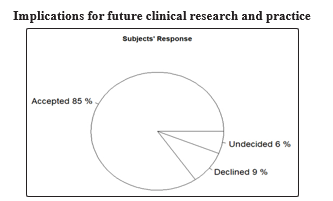
Future studies will for on the strength of this project which involves the use of evidence-based literatures in the education of the community to improve their awareness of influenza and the vaccine prevention capability. It is also important to look into the limitations that may have been responsible for the 9% declination and 6% undecided in accepting vaccination. The project demonstrated how awareness programs could improve health literacy and increase flu shot acceptance from 0 to 85%. Therefore, practice settings should focus on patient education rather than medication.
Conclusion
Influenza is a viral disease that comes in seasons throughout the world. The disease could be mild but could also be deadly. It could become pandemic where it is capable of killing millions of people worldwide. The best recommended prevention is the influenza vaccine which is best to be taken before the onset of the season. Even though influenza is vaccine preventable, many do not accept it because of bias, misbelieves and ignorance. This project used educational materials to improve health literacy on influenza vaccination in the community. This EBP demonstrated that patient understanding of influenza is imported to their acceptance of the fluvaccine. The project is based on the theoretical framework of HBM with the intent to change patient’s behavior of refusing the flu shot. The goal to increase influenza vaccination rate in the community was achieved as 85% of the participants who had never accepted the flu shot received the vaccine while 6% has not decided whether or not to receive the vaccine. The project proved correlation between poor health literacy and flu vaccine denial.
References
- American Association of Colleges of Nursing (2013) Media relations: Nursing fact sheet. http://www.aacn.nche.edu/media-relations/factsheets/nursing-fact-sheet
- Benjamin SO, Bahr KO (2016) Barriers Associated with Seasonal Influenza Vaccination among College Students. Influenza Res Treat 2016: 5.
- Berkman N, Sheridan S, Donahue K, Halpern D, CrottyK (2011) Low Health Literacy and Health Outcomes: An Updated Systematic Review. Annals Internal Medicine 155: 97-107.
- Browne T, Keefe RH, Ruth BJ, Cox H, Maramaldi P, et al. (2017) Advancing Social Work Education for Health Impact. American Journal of Public Health 107: S229.
- California Department of Public health (2018) Influenza and Other Respiratory Viruses Weekly Report.
- California Department of Public Health ( 2018) Medical Board of California: Physician Alert.
- Chard R (2013) The Personal and Professional Impact of the Future of Nursing Report. AORN Journal 98: 273-280.
- CDC (2018) Estimated Influenza Illnesses, Medical Visits, Hospitalizations, and Deaths Averted by Vaccination in the United States. https://www.cdc.gov/flu/about/disease/2015-16. htm
- Center for Disease Control and Prevention (2018) Frequently Asked Flu Questions 2016-2017 Influenza Season. Flu Activity (When did flu activity begin and when will it peak?). https:// www.cdc.gov/flu/about/season/flu-season-2016-2017.htm
- Centers for Disease Control and Prevention U.S (2013) Advisory Committee on Immunization Practices (ACIP) handbook for developing evidence-based commendations http://www.cdc. gov/vaccines/acip/recs/GRADE/downloads/handbook.pdf
- Dowse R, Lecoko L, Ehlers MS (2010) Applicability of the REALM health literacy test to an English second-language South African population. Pharmacy World & Science: PWS, 32: 464-471.
- Fathi Y, Barati M, Zandiyeh M, Bashirian S (2017) Prediction of Preventive Behaviors of the Needle stick Injuries during Surgery among Operating Room Personnel: Application of the Health Belief Model. International Journal of Occupational & Environment Medicine 8: 232-240.
- Fuhrmann C (2010) The effects of weather and climate on the seasonality of influenza: What we know and what we need to know. Geography Compass 718-730.
- Grohskopf LA, Sokolow LZ, Broder KR (2017) Prevention and Control of Seasonal Influenza with Vaccines: Recommendations of the Advisory Committee on Immunization Practices - United States Influenza Season. MMWR Recomm Rep 66: 1-20.
- Healthy People 2020 (2013) Healthy People 2020 Summary of Objectives https://www.healthypeople.gov/2020/About-Healthy-People
- Hoffmann K, van Bijnen EM, George A, Kutalek R, Jirovsky E, et al. (2015) Associations between the prevalence of influenza vaccination and patient’s knowledge about antibiotics: a cross-sectional study in the framework of APRES-project in Austria. BMC Public Health 15981.
- Jonas WB, Crawford C, Hilton L, Elfenbaum P (2017) Scientific Evaluation and Review of Claims in Health Care (Search): A Streamlined, Systematic, Phased Approach for Determining ‘What Works’ in Healthcare. Journal of Alternative & Complementary Medicine 23: 18-25.
- Lee SD, Stucky BD, Lee JY, Rozier RG, Bender DE (2010) Short Assessment of Health Literacy-Spanish and English: a comparable test of health literacy for Spanish and English speakers. Health Services Research 45: 1105-1120.
- Lu PJ, Gonzalez-Feliciano A, Ding H, Bryan L N, Yankey D, Monsell Euler GL (2013) Influenza A (H1N1) 2009 monovalent and seasonal influenza vaccination among adults 25 to 64 years of age with high-risk conditions-United States, 2010. American Journal of Infection Control 4: 702-709.
- MacKenzie D (2018) Winter Flu Everything You Need to Know 237: 28-32.
- Marzieh Meraji, HooshangRafat-Panah, Sanazalsadat Mahmoodian, Atieh Daeyan In, SavÄd-I SalÄmat (2016) Assessment of university student health literacy toward Influenza. Directory of Open Access Journal 1: 191-197.
- Mukherjee S (2018) The 2018 Flu Season Is Already a Deadly One. Here’s What You Can Still Do About It. Fortune.Com 1.
- Nowalk MP, Lin CJ, Raymund M, Bailor J, Zimmerman R K (2013) Impact of hospital policies on health care workers’influenza vaccination rates. American Journal of Infection Control 41: 697-701.
- Patel M S, Volpp K G, Small D S, Wynne C, Zhu J, et al. (2017) Using Active Choice within the Electronic Health Record to Increase Influenza Vaccination Rates. Journal of General Internal Medicine 32: 790-795.
- Riverside County Fire Department (2018) Influenza Widespread. Updated Information on Influenza Surge. https://www. riversideca.gov/press/influenza-widespread
- Shape Riverside County (2015) Data: Health/Immunization and Infectious Diseases. http://www.shaperivco.org/index. indicators&controller=index&action=dashboard&alias=alldata
- Schmid P, Rauber D, Betsch C, Lidolt G, Denker M (2017) Barriers of Influenza Vaccination Intention and Behavior - A Systematic Review of Influenza Vaccine Hesitancy, 2005 - 2016. Plos One 12: 0170550.
- Squiers L, Peinado S, Berkman N, Boudewyns V, McCormark L (2012) The Health Literacy Skills Framework 3: 30-54.
- Williams D (2015) A Comparison of BCS3 and Microsoft Excel for Tracking Logistics. Army Sustainment 47: 39.
- World Health Organization (2018) Media center. Fact Sheet-Influenza (Seasonal) https://www.who.int/news-room/fact-sheets/detail/influenza-(seasonal)
- Yang ZJ (2012) Too scared or too capable? Why do college students stay away from the H1N1vaccine? Risk Analysis 32: 1703-1716.