

Journal of Educational & Psychological Research(JEPR)
ISSN: 2690-0726 | DOI: 10.33140/JEPR
Impact Factor: 1.4

Research Article - (2026) Volume 8, Issue 3
A Case Study of A-Level Learners' Mindsets in an International Education Institution in China

Received Date: Aug 10, 2026 / Accepted Date: Sep 21, 2026 / Published Date: Sep 25, 2026
Copyright: ©2026 Hongjia Shang. This is an open-access article distributed under the terms of the Creative Commons Attribution License, which permits unrestricted use, distribution, and reproduction in any medium, provided the original author and source are credited.
Citation: Shang, H. (2026). A Case Study of A-Level Learners' Mindsets in an International Education Institution in China. J Edu Psyc Res, 8(3), 01-15.
Abstract
This case study examines the learning mindsets of A-level students at an international school in China through a long- term follow-up study and multilevel thematic comparison. Multiple methods, including questionnaires, interviews, informal observations, and document analysis, were used to produce detailed and comprehensive descriptions. The research focuses on three areas: the characteristics of students' learning mindsets in this environment, the factors influencing these mindsets, and teachers’ responses. The findings show that most students here have mixed learning mindsets and identify the factors that influence these mindsets. The study recommends that teachers receive training and offers mindset intervention strategies for this setting. The follow-up study improves understanding of the relationship between learning mindsets and other factors such as effort, learning strategies, and help-seeking behavior.
Keywords
Learning Mindset, Growth Mindset, Fixed Mindset, Driving Factors, Teacher Training, and Mindset InterventionIntroduction
Dweck’s mindset theory identifies two main mindsets —‘fixed’ (believing intelligence and abilities are innate and unchangeable, which leads to avoiding challenges) and ‘growth’ (believing intelligence and abilities can develop through effort, promoting complex problem-solving)—that significantly influence academic success [1-3]. Although this theory has been widely supported in Western education, its application in China remains mostly limited to public schools [4-7]. Chinese international schools, which offer cross-cultural curricula (e.g., A-level) and serve students transitioning from the national education system, represent a unique context that has not been thoroughly explored by previous research.
Contextual Differences:
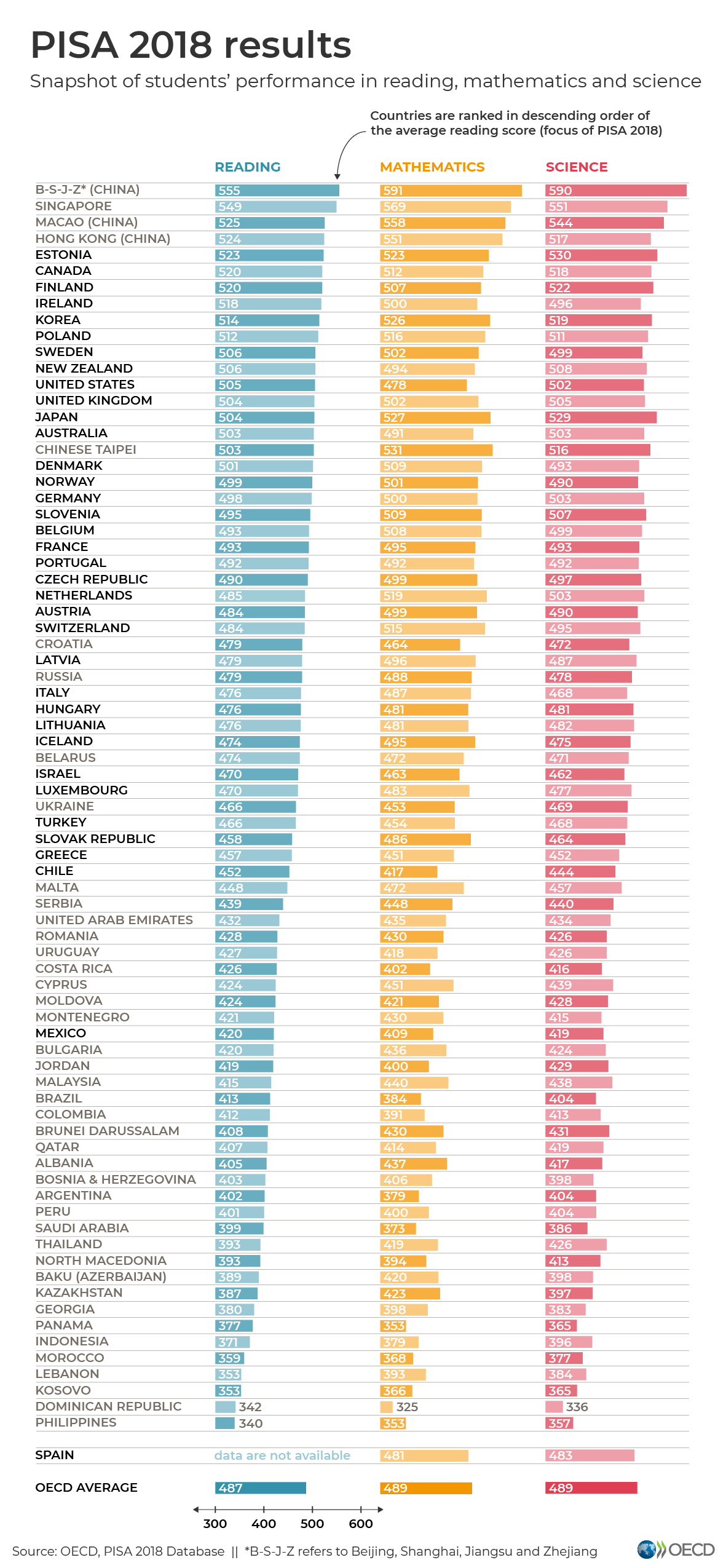
Chinese vs. Western Mindsets Western studies connect low socioeconomic status (SES) to fixed mindsets and poor academic performance [8]. In contrast, OECD data show Chinese students—even from disadvantaged backgrounds—demonstrate strong motivation to learn and resilience, fueled by China’s high-stakes testing system (e.g., Gaokao) and cultural values of diligence [9,10]. Sun et al. also note that Chinese students see intelligence as “innate fluid ability” (vs. Western “acquired crystallized ability”) but believe diligence helps close ability gaps, creating a unique mindset [11].
Research Gaps
Previous research shows that growth mindsets improve academic performance, but few studies examine what influences mindset for A-level students in China [12,13]. Limeri et al. identified factors for undergraduates, but their sample differs from 15–18-year-old A-level students transitioning from China’s national curriculum [14]. Furthermore, A-level’s flexible course options and modular retakes contrast sharply with the Gaokao’s “one-shot” pressure, which may affect students’ mindsets.
Research Questions
As stated above, the research questions are as follows:
i. What are the learners’ mindsets while they are learning in this setting?
ii. What key factors drive these learners’ current learning mindsets?
iii. Are the teachers well-prepared for these learners in this setting?
Literature Review
Conceptualization of the Mindset Theory
Dweck’s mindset theory evolved from observations of individual differences, building on Gottlieb’s (1991, cited in Bateson & Logan) “gene-environment interaction” and Sternberg’s “purposeful engagement” (effort, persistence) as driving factors of outcomes [2,15,16].Core distinctions include:
• Growth mindset: Belief in the ability to improve, combined with self-awareness, deliberate effort, and seeking help [12].
• Fixed mindset: Belief in innate ability, combined with unclear self-perception, fear of judgment, and avoidance of challenges [12].
Critiques question the effectiveness of growth mindset, but Yeager & Dweck clarify that mindsets only work in specific contexts (e.g., effective teacher feedback, culturally aligned curricula)—which is essential in East Asia’s competitive settings [17,18].
Chinese vs. Western Students’ Mindsets
• Cultural differences: Chinese students in high-stakes systems (e.g., Gaokao) associate formative assessment with growth mindsets, unlike their Western peers [19].
• Intelligence definitions: Chinese students associate intelligence with innate ability but emphasize diligence, balancing “fixed ability beliefs” with “growth-oriented behavior” [11].
• Socioeconomic status (SES) effects: Unlike Western low-SES students, Chinese low-SES students stay highly motivated, because they see education as key to social mobility [8,9].
Key Drivers of Learning Mindsets
Drawing on Limeri et al. and subsequent research, key drivers include [14]:
• Academic performance: Low achievement encourages fixed mindsets; high achievement promotes growth mindsets [20,21].
• Peer interaction: Motivated peers promote growth mindsets, while negative peer cultures hinder them [2,22].
• Cognitive processes: Growth mindsets are linked to feedback-seeking and self-regulation, while fixed mindsets are associated with feedback avoidance [23,24].
• Societal cues and stereotypes: Gender, ethnicity, and SES shape mindsets; higher SES links to more positive attitudes [21,25,26].
• Family factors: Process-oriented parental feedback (e.g., “you tried hard”) encourages growth mindsets, while person-oriented feedback (e.g., “you’re smart”) supports fixed mindsets [27,28].
• School environment: Supportive climates and formative assessment promote growth mindsets; restrictive systems hinder low achievers [19,29].
• Teachers’ Role in Shaping Mindsets: Teachers influence mindsets via:
(i) Feedback: Constructive feedback (focused on effort and strategy) promotes growth mindsets; ability labeling (e.g., “you’re bad at math”) encourages fixed mindsets [30,31].
(ii) Agency: Teachers with high agency (proactive, student-centered) foster resilience and self-regulation; teachers with a fixed mindset develop implicit biases [32-34].
(iii) Professional knowledge: Not receiving mindset theory training results in misinterpreting student behavior [35,36].
Practical Significance of Mindset Interventions
Effective interventions require context sensitivity [37]:
• Cultural alignment: Interventions targeting “emotion mindsets” (vs. intelligence) are more effective for Chinese students [6].
• Long-term engagement: Short-term interventions do not change mindsets; online tutoring proves more effective than lectures or reading [5,38].
• Synergistic factors: Combining mindset training with supportive environments and utility value improves outcomes [39,40].
Methodology
Positionality
The researcher is a mathematics teacher at the study school with 11 years of experience teaching China’s national curriculum and 3 years of A-level instruction. As an ‘insider researcher’, I maintained rapport with students and colleagues but reduced subjectivity through prior approval from the headmaster and participants, bracketing preconceptions during data collection and analysis, and ensuring confidentiality [41,42].
Paradigm
I adopted ‘interpretivism’ because learning mindsets are subjective constructs shaped by social interaction [43-45]. This paradigm aligns with my focus on context-specific dynamics (such as cross-cultural curriculum and student transitions) and the use of mixed methods (quantitative: gender-based analysis; qualitative: interviews).
Methods
An ‘exploratory case study’ was used to examine mindset traits and drivers beyond descriptive analysis [46]. Mixed methods (questionnaires, interviews, bservations, document analysis) ensured triangulation, which enhanced credibility [47-49].
Data Collection
Data were collected from March to May 2023 (see Appendix 1 for schedule):
• Questionnaires: 45 distributed, 44 valid (13 closed, 3 open questions). Focus areas:
- Mindsets (Q1–5): Identify fixed and growth traits.
- Drivers (Q6–17): Family (Q6–8), learning environment (Q9–10), peers (Q11), academic performance (Q12–13), teacher feedback (Q14–17).
• Interviews:
- Students: 9 (4 boys, 5 girls) across 3 grades (fresh/middle/old) and three ability levels (low/medium/high); semi-structured format to explore mindset drivers.
- Teachers/Teaching Assistants (TAs): four teachers (two male, two female) and two TAs to evaluate teacher readiness; TAs provided cross-validation [50].
• Informal observations: 2.5 months (March-May 2023) of naturalistic behavior tracking (e.g., class participation, study habits) to validate questionnaire/interview data.
• Documents: Academic records (exam scores, college applications), and follow-ups over 6–24 months to connect mindsets with outcomes.
Data Analysis
• Quantitative: Descriptive statistics (mindset distribution, driver importance) and Chi-square tests (gender differences).
• Qualitative: Thematic analysis to code interview and observation data; iterative comparison with questionnaire data to refine themes [51].
Ethical Considerations
• Informed consent: Obtained from participants (or guardians for minors); confidentiality and anonymity assured.
• Power balance: TAs distributed or collected questionnaires; interviewers emphasized roles as “researchers” (not teachers) [52].
• Benefit over harm: Students received growth mindset training offers; schedules avoided exam periods [53].
• Language accessibility: Bilingual (English/Chinese) questionnaires; “teacher agency” rephrased as “teacher behavior” for clarity.
Data Storage
Paper copies (questionnaires, field notes) were digitized, and audio recordings were transcribed and translated. All data were pseudonymized: paper copies are locked, and electronic files are password protected (Appendix 2) [54].
Results
This chapter will present and analyze the data based on the research questions, which serve as the three themes of this study. The data are shown with high credibility through detailed descriptions and comparative analysis across multiple levels.
(i) What Are the Learners' Learning Mindsets during Their Learning Journey in This Setting?
The overall picture of the learners’ learning mindsets is summarized here. In this study, 45 questionnaires were collected, but one was discarded as invalid, leaving 44 valid responses. The first five items aimed to identify students’ learning mindsets. According to the data (see Figure 1), most students in this setting display growth mindsets: 72.7% believe abilities develop through effort, 81.8% seek peer help or persist when solving complex problems (rather than waiting for teacher explanations), and 90.9% remain positive after experiencing failure.

Figure 1: Learning Mindsets Distribution
However, when academic expectations were not met despite effort, 58.7% of students adjusted their strategies, 28.3% increased their effort, and 13% gave up. Strategy adjustment aligns with Paunesku et al.’s formula: Growth = Effort + Strategy + Help from others [12]. Notably, nearly 60% of students responded passively to challenges—avoiding them or only engaging superficially—instead of trying to overcome them. This behavior is linked to the high-stakes testing system, where some students focus more on exam-oriented knowledge (e.g., Student C, March 20, 2023).
Gender differentiation in learning mindsets. Out of 44 questionnaires, nine either lacked gender information or had altered responses, leaving 35 (14 boys, 21 girls) for gender analysis. The decision not to label or modify genders may reflect “teenagers’ social construction of genders versus biological genders”, although this is beyond the research scope. Another possibility is that students’ fear of social judgment influenced their responses [55].
A contingency table (see Figure 2) was created with coded scores (0 = negative, 5 = neutral, 10 = positive) for the first five items. A Chi-square test (see Figure 3) yielded a p-value of 0.07, indicating no significant gender difference at the 5% level but significance at 10%.
Figure 2: The Gender Contingency

Figure 3: Chi-Squared Test
Ratio analysis of coded scores (see Figure 4) showed: (a) the boys-to-girls ratio in ability cognition (65.7%) closely matches the baseline ratio (66.7%); (b) boys exhibited higher rates in challenge-seeking (81.5%) and adaptive effort (82.1%), indicatinggreater learning adventurousness; (c) boys had a significantly higher ratio in independent problem-solving (111.1%), while girls preferred peer help. Thus, although boys and girls have similar mindsets, they differ in their learning approaches.

Figure 4: Gender Ratio Analysis

Figure 5: Driving Factors Analysis
Comparative Analysis. Although most students showed positive attitudes toward their learning mindsets, the teachers and teaching assistants had more negative evaluations. In interviews, the four teachers and two teaching assistants believed that more than half of the students in my setting held fixed learning mindsets, while fewer than half embraced growth mindsets. Teachers stated that most students lack initiative in learning, passively completing tasks assigned by the teachers; some students avoid the tasks, and only a few can learn actively under any circumstances and sustain growth.
In student interviews, some students (such as Students C and E, March 2023) explained the learning mindset issues that teachers addressed. These students claimed that the current learning pressure was lower than that of the original domestic courses, so they did not need to invest too much energy initially but started engaging in learning just before exams. Informal observations and academic performance records supported what the students said. At the beginning of the semester, most students were more relaxed about their learning. But by midterm, they began to study hard, and some students managed to achieve relatively good scores through this approach (such as Students A, B, C, E, G). These students could be categorized as holding a mixed mindset. However, a few students lacked clear self-awareness. They used the same strategies toward learning but found it was too late to start studying hard and became easily anxious about their performance, ultimately resulting in unsatisfactory grades (such as Students D and H). These students held strong fixed mindsets. A small number of students maintained good study habits throughout the semester. They worked very hard and stuck to their study plans, even during periods of high stress (such as Students F and I). Therefore, these students held strong growth mindsets. Overall, most students here have a mixed mindset, with fixed and growth mindset holders being in the minority.
(ii) What Key Factors Drive These Learners' Current Learning Mindsets?
The questionnaire examined potential driving factors: family, previous learning experiences, environment, peer sociality, academic performance, and teacher behaviors. Results showed that the learning environment had the greatest influence (95.5%), followed by academic performance (90.9%), family factors and teacher feedback (both 84.1%), previous experiences (75%), and peer sociality (63.6%). Interviews later revealed additional factors such as learning goals and interests, which the questionnaire did not include. Each factor is discussed in terms of its level of influence, along with supporting findings and factors like family, past learning experiences, environment, peer sociality, academic performance, and teacher behaviors.
Learning environment. The learning environment constantly shapes students’ mindsets, ranking highest in student self-reports [29]. Interviews and observations support this: Student B (March 24, 2023): “I like the current environment—help is available from classmates and teachers. In my public school, the atmosphere was depressing; loneliness prevailed without friends.”
Student E (March 29, 2023): “I hated stressful environments in junior high — they made me depressed. The relaxed international school atmosphere suits me.”
Some students, such as G and I, reported adapting to any environment. Student I (April 3, 2023) valued the discipline in public schools but appreciated the current environment’s support for cognitive growth.
Teachers and Teaching Assistants (TAs) offered diverse perspectives.
TA1 (April 28, 2023): The environment here provides more attention than public schools, fostering positive mindsets.
Teacher 2 (April 12, 2023): Quiet environments support Business/ Economics learning; unguided peer discussions may reinforce misconceptions. Teachers 1, 3 (April 12, 24, 2023): Stress can encourage progress, but some students find it difficult.
Teacher 4 (April 28, 2023) / TA 2 (April 29, 2023): Disciplined students succeed regardless of the environment.
Academic performance. Academic performance significantly influences mindsets, with early results shaping core beliefs [24,25,56]. A-level students associate grades with ability.
Student D (March 27, 2023): “My average grades make me feel intellectually mediocre; change seems impossible.”
Student E (March 29, 2023): “My grades stagnate, so I see abilities as fixed.”
Teachers and TAs agree with this statement; for example, Teacher 2 (April 12, 2023) believes grades directly reflect students’ ability, especially in new subjects like Economics.
Student F (March 28, 2023): “High school entrance exam failure convinced me I’m academically inferior—it still haunts me.”
TA1 (April 28, 2023)/TA2 (April 29, 2023): Good grades boost motivation, while failure can be demoralizing.
Meanwhile, some teachers (1, 3, 4) argued that poor performance can promote growth mindsets through reflection, and some students also agree with this idea. For example: Student C (March 20, 2023): “A bad test drives me to work harder; others’ success motivates me.” Student I (April 3, 2023): “I analyze failures and strive to improve; peers’ success fuels my effort.”
However, students with a fixed mindset like Student D (March 27, 2023) remain vulnerable: “I ignore rankings, but failure still hurts.”
Family factors. The findings indicated a weaker family influence, likely due to their age (15–18 years) and established mental habits. Adolescent rebellion may also diminish perceived family impact [57]. Student D (March 27, 2023): “Family influence pales compared to grades; it mainly relieves stress, but I don’t share much with my parents.”
Family factors and academic performance influence how mindsets develop. Early academic success builds a foundation, while supportive, guided parenting helps prevent fixed mindsets [27]: Student I (April 3, 2023): “My mom studied with me when my math scores were low in primary school. Her encouragement improved my grades, and now I feel capable.”
On the other hand, uninvolved or controlling families encourage fixed mindsets.
Student C (March 20, 2023): “My parents left me with others as a child. I didn’t care about their opinions and never pushed myself—results seemed unchangeable.”
Student H (April 7, 2023): “Family issues made me lose interest in learning. When I tried to catch up, it was too late.”
Student B (March 21, 2023): “Strict parents scolded me for bad grades. If my mom forced me to study, I’d rebel and stop learning.”
Teacher factors. Teacher agency significantly affects mindset development [58]. Questionnaire data (Q14) showed students saw teacher feedback as equally influential as family factors. Analyzing open-ended questions (Q15–17; Appendix 3) identified six areas where teachers make an impact.
(a) Responsibility: Correcting assignments promptly and resolving issues patiently fosters positive mindsets; inattention or impatience harms them.
(b) Strategies: Providing strategic feedback, ensuring equal treatment, and offering knowledge guidance were viewed
positively; however, criticism without guidance was regarded as negative.
(c) Encouragement: Genuine support was helpful; empty praise or belittling did more harm than good.
(d) Classroom atmosphere: Lively and organized environments were positive, while tense or critical atmospheres were negative.
(e) Communication: Friendly, supportive interactions were positive, but misunderstandings caused negative effects.
(f) Administrative ability: Clear instructions and high competence were seen as positive; strict teaching or ignorance was regarded as negative.
All students interviewed except Student C agreed on these points. Teachers 1–3 believed A-level students’ deep habits limited their influence, while Teacher 4 and TAs emphasized feedback’s role in shaping mindsets through encouragement and guidance.
Past learning experiences. Past learning experiences continuously shape mindsets [29]. Half of the interviewed teachers and TAs (1, 2, TA2) noted a feedback loop: strict previous environments led to slacking in relaxed settings. In contrast, others (3, 4, TA1) saw past passivity as a factor in studying abroad. Questionnaire data (Q9) showed 45.5% viewed past experiences negatively, compared to 29.5% who viewed them positively. Exceptions like Students F and I credited challenging experiences, such as the Math Olympiad, with fostering growth mindsets.
Peer sociality. Teenagers are susceptible to peer influence, but student perceptions varied [22]. Questionnaire data showed peer sociality as the least influential factor, with half the students considering it insignificant. Interviews revealed four students viewed peers as positive, while five saw no impact. Teachers and TAs (except Teacher 2) emphasized peer influence: motivated friends boosted learning, while negative peers hindered it.
Learning goals and interests. These emerged from interviews, as they were not addressed in the questionnaire. Fixed-mindset students (e.g., C, E, G) either lacked goals, changed them arbitrarily (e.g., D, H), or feared ambition (e.g., A, B). Growth-mindset students (e.g., F, I) relentlessly pursued goals. Faculty saw goals as ineffective for most, with only a few committed students following through.
Learning interest relates to academic performance in two ways: (1) Interest motivates effort and success (e.g., A, C, D, G, H)—supported by Teacher 2 and TAs. (2) Success increases interest (e.g., B)—supported by Teacher 1. Growth-mindset students (e.g., F, I) study required subjects diligently regardless of interest, as highlighted by Teacher 4.
Other factors. Most teachers and students identified addiction to games, short videos, and recreational activities (e.g., celebrity chasing) as negative influences on learning mindsets (Teacher 2; TAs 1, 2; Students E, H). Some teachers (Teacher 1) linked high-tech convenience to learning laziness. Teachers and students also noted that utilitarianism fosters passive attitudes, as students study unrelated subjects for career goals (Teacher 3; Student C).
Positive regulators included visual conversation (Student D), non-academic talents (Student G), sports, and genetic advantages (Student I). Excessive adult expectations (Student F) were seen as negative, raising academic anxiety.
(iii) Are the Teachers well Prepared for These Learners in This Setting?
Lack of understanding about students. Analysis shows teachers have more negative views of students’ mindsets than students have of themselves. Teachers often see intelligence as changeable, while students focus on fixed intelligence [6]. Teachers tend to overemphasize family influence and underestimate their role in changing mindsets, probably because they have limited knowledge of mindset theory and intervention strategies.
Lacking comprehensive strategies. While teachers adapted methods for different mindsets (e.g., Teacher 4’s feedback nuance), they did not have systematic strategies. For example, Teacher 3 encouraged students with psychological issues, scolded lazy students, and abandoned students who lack motivation.
TAs reported student complaints about ineffective teaching methods.
The differentiation of teacher identities. Positive teachers embraced professional growth (e.g., Teachers 1, 2, 4), while negative-minded teachers (e.g., Teacher 3) exhibited low initiative.
The significance of professional training. Inexperienced teachers (Teachers 1, 2) lacked clear development directions, while experienced teachers (Teacher 4) had more defined goals. TAs proposed an ideal teacher development model:
(a) Strong academic skills,
(b) Positive attitude,
(c) Willingness to share and learn
(d) Collaboration with TAs,
(e) Proactive problem solving.
Follow-up Study
Six-to-24-month follow-ups and 2.5 months of observations revealed (Table 1):
(i) Higher ability correlates with positive mindsets, but early negative experiences (e.g., Student H) had lasting impacts.
(ii) Growth mindsets generally promote positive outcomes, but not always (e.g., Student C), as they require effort, strategies, and support.
(iii) Positive attitudes, effort, and support helped exceed expectations (e.g., Student E).
(iv) Fixed mindsets that used passive strategies led to unsatisfactory outcomes (e.g., Students D, H). (v) Mixed mindsets with limited effort led to conditional offers (e.g., Student A), which need ongoing effort for unconditional acceptance.
|
Students |
Age Groups |
Learning Ability |
Learning Mindsets |
Hard Working Level |
Learning Strategy |
Help-seeking Frequency |
University Admission Status |
QS Rankings of Universities (2023-2025) |
|
A |
fresh |
low |
mixed-fixed |
low |
passive |
medium |
University of Sydney (conditional offer) |
High* |
|
|
|
|
|
|
|
|
|
|
|
B |
fresh |
middle |
mixed-fixed |
medium |
passive |
medium |
The University of Nottingham |
Middle-high |
|
C |
fresh |
high |
mixed-growth |
medium |
active |
medium |
The University of Melbourne |
High* |
|
D |
middle |
low |
strong fixed |
medium |
passive |
many |
Massey University (unconditional offer) |
Middle |
|
E |
middle |
middle |
mixed-growth |
medium |
active |
seldom |
University College London |
Top |
|
F |
middle |
high |
strong growth |
high |
active |
seldom |
University College London |
Top |
|
G |
old |
low |
mixed-fixed |
medium |
passive |
medium |
University of Sydney |
High* |
|
H |
old |
middle |
mixed-fixed |
low |
passive |
many |
a Community College in United States |
Low |
|
I |
old |
high |
strong growth |
high |
active |
seldom |
University of Hong Kong |
Top |
|
Note: ‘High*’ indicates universities in Australia with top QS World University rankings (year 2023–2025). Although these universities are highly ranked, their admission requirements are lower than those in other regions, such as the UK or Hong Kong. Typically, students' first choice is to attend universities in the UK or Hong Kong. |
||||||||
Table 1: Follow-up Investigation
Discussion
This research uses a case study approach and multiple methods to explore the learning mindsets of A-level students at a Chinese international educational institution. By gathering both quantitative and qualitative data, it identifies the general traits and gender differences in these students' learning mindsets, as well as the factors that influence them at this stage of learning. The study also assesses whether teachers are sufficiently prepared to support students with these learning mindsets. Through observing students' learning behaviors and tracking university admission outcomes, the research reveals the relationship between learning mindsets and academic results, along with the combined effects of other variables. Due to the complex findings from extensive data analysis, this chapter will summarize and emphasize the main topic analysis and its practical applications.
Learning Mindsets and Behaviors
This study shows that students’ self-reported learning mindsets lean more toward growth, while teachers believe most students have fixed mindsets. After cross-verifying with informal observations and academic performance records, the overall learning mindsets of students in our school are mixed: a few have strong fixed mindsets, and a few display robust growth mindsets. This addresses the first research question: What are the learners’ learning mindsets during their educational journey in this setting? Specifically, under university pressure, most students exert minimal effort to acquire the necessary knowledge, ignoring non-essential challenges. While boys and girls show no significant difference in mindset awareness, they differ in approach — boys prefer independent problem-solving and competition, whereas girls favor collaborative learning and peer emotional support. Most students tend to avoid challenges, though boys demonstrate more courage than girls.
The Driving Factors of Learning Mindsets
Questionnaire data reveal the main factors influencing learning mindsets among Chinese A-level students, ranked by importance: learning environment, academic performance, family and teacher factors, past learning experiences, and peer sociality. This addresses the second research question: What are the key factors shaping these learners’ current learning mindsets? Since A-level students spend most of their time at school, the learning environment becomes very influential. Academic performance directly reflects subject-specific skills and greatly shapes mindsets—confirmed by teachers, especially for new subjects. Family factors impact early mindsets, but their influence diminishes during adolescence as mindsets become more stable [28]. Teacher factors affe ct fixed-mindset students more than growth-mindset students. Negative learning experiences in high-stakes systems, like high school entrance exams in China, have lasting effects. Peer sociality is less influential here than in other cultural contexts, which conflicts with teachers’ perceptions [14]. Learning interests influence fixed-mindset students, while learning goals motivate growth-mindset students—findings from interview data, as these factors weren’t measured in the questionnaire. Additional factors, including electronic distractions, utilitarian culture, psychological cues (such as genetics and adult expectations), and positive lifestyles (like sports), may also have a significant impact on shaping students’ mindsets.
The Different Cognition of Learning Mindsets between Students and Teachers
For the third question, ‘Are teachers well-prepared for these learners?’ The answer is no. Teachers and students have different views on what motivates mindset. Teachers often lack a deep understanding of mindset and effective intervention strategies for students with a fixed mindset, mainly because of limited knowledge of mindset theory. Some teachers show negative mindsets and weak professional identities, which hinder proactive problem-solving. Previous research and TAs' feedback suggest that long¬term mindset intervention can improve academic performance, but educators need to: (a) consider synergistic factors and gender differences, such as competitive tasks for boys and study groups for girls; (b) provide emotional support, especially for fixed-mindset students; (c) engage in long-term, patient intervention; (d) train teachers in mindset theory, promote collaborative teaching, and foster positive attitudes; (e) work with parents to improve intervention outcomes [59].
The Synergistic Effects of Learning Mindsets and Other Factors
In this context, a strong learning ability often relates to positive mindsets, driven by high performance and positive experiences. However, ability alone does not guarantee a growth mindset, as family upbringing and other factors influence it. Positive mindsets enhance learning outcomes even for medium-performance students by encouraging effort, proactive strategies, and help-seeking. Importantly, a positive mindset is essential—simply engaging in behaviors like help-seeking cannot change outcomes without that mindset.
Implications
This case study explores student mindsets and educator responses within a specific cultural context. Neither students nor teachers had previously engaged in in-depth mindset reflection, and systematic growth mindset interventions were missing. Future research could: (a) create intervention frameworks tailored to contexts (e.g., high-stakes testing environments) with collaboration between schools and families; (b) explore mindsets across different stages, cultural backgrounds, educational backgrounds, and educator perspectives
Conclusion
This study found that A-level learners in this Chinese international education context generally demonstrated mixed rather than clearly fixed or growth mindsets. Their learning mindsets were shaped by multiple factors, particularly academic performance and the learning environment, alongside family experiences, teacher influence, previous educational experiences, peer relationships, and personal goals. The findings also suggest that mindset alone does not determine students’ academic development; effort, learning strategies, and support interact with mindset in shaping learning experiences and outcomes. Teachers’ perceptions and preparedness also emerged as important considerations for supporting students with diverse learning mindsets. Overall, the study highlights the importance of understanding learning mindset as a dynamic and context-dependent process. Supporting students therefore requires not only attention to their beliefs about learning, but also supportive learning environments, appropriate teaching practices, and sustained opportunities to develop effective learning strategies [60-78].
Acknowledgement
The author would like to thank Dr Tina Barnes-Powell for her guidance and supervision during the original research. The author also gratefully acknowledges Associate Professor Jun Yan for her valuable comments and encouragement regarding the development of the follow-up research.
References
- Dweck, C. S. (2000). Self-theories: Their role in motivation, personality, and development. Psychology Press.
- Dweck, C. S. (2006). Mindset: The new psychology of success (Updated ed.). Ballantine Books.
- Dweck, C. (2010). Mindset.
- Bedford, S. (2017). Growth mindset and motivation: A study into secondary school science learning. Research papers in education, 32(4), 424-443.
- Campbell, A. L., Direito, I., & Mokhithi, M. (2021). Developing growth mindsets in engineering students: a systematic literature review of interventions. European Journal of Engineering Education, 46(4), 503-527.
- Huang, Z., Wei, X., Lu, R., & Shi, J. (2022). Whether and how can a growth mindset intervention help students in a non-western culture? Evidence from a field experiment in China. Educational Psychology, 42(7), 913-929.
- Zhao, H., Xiong, J., Zhang, Z., & Qi, C. (2021). Growth mindset and college students’ learning engagement during the COVID-19 pandemic: A serial mediation model. Frontiers in Psychology, 12, 621094.
- Claro, S., Paunesku, D., & Dweck, C. S. (2016). Growth mindset tempers the effects of poverty on academic achievement. Proceedings of the National Academy of Sciences, 113(31), 8664-8668.
- OECD. (2020). Benchmarking the Performance of China's Education System, PISA. OECD Publishing.
- OECD. (2018). PISA 2018 results.
- Sun, X., Nancekivell, S., Gelman, S. A., & Shah, P. (2021). Growth mindset and academic outcomes: A comparison of US and Chinese students. npj Science of Learning, 6(1), 21.
- Yeager, D. S., & Dweck, C. S. (2012). Mindsets that promote resilience: When students believe that personal characteristics can be developed. Educational psychologist, 47(4), 302-314.
- Howell, A. J. (2016). Implicit theories of personal and social attributes: Fundamental mindsets for a science of wellbeing. International Journal of Wellbeing, 6(3), 113-130.
- Limeri, L. B., Carter, N. T., Choe, J., Harper, H. G., Martin,H. R., Benton, A., & Dolan, E. L. (2020). Growing a growth mindset: Characterizing how and why undergraduate students’mindsets change. International Journal of STEM Education, 7(1), 35.
- Bateson, P., & Logan, C. (2007). Gilbert Gottlieb (1929–2006). Developmental Psychobiology, 49(4), 446-449.
- Sternberg, R. J., & Grigorenko, E. (Eds.). (1997). Intelligence, Heredity, and Environment. Cambridge University Press.
- Li, Y., & Bates, T. C. (2019). You can’t change your basic ability, but you work at things, and that’s how we get hard things done: Testing the role of growth mindset on response to setbacks, educational attainment, and cognitive ability. Journal of Experimental Psychology: General, 148(9), 1640-1655.
- Yeager, D. S., & Dweck, C. S. (2020). What can be learned from growth mindset controversies?. American psychologist, 75(9), 1269-1284.
- Yan, Z., King, R. B., & Haw, J. Y. (2021). Formative assessment, growth mindset, and achievement: Examining their relations in the East and the West. Assessment in Education: Principles, Policy & Practice, 28(5-6), 676-702.
- Kalender, Z. Y., Marshman, E., Schunn, C. D., Nokes-Malach,T. J., & Singh, C. (2022). Framework for unpacking students’ mindsets in physics by gender. Physical Review Physics Education Research, 18(1), 010116.
- Bosch, N. (2021). Identifying supportive student factors for mindset interventions: A two-model machine learning approach. Computers & education, 167, 104190.
- Sarkar, T. (2023). ‘Intelligence is not just good grades’: re-examining the mindset revolution in Indian classrooms. Compare: A Journal of Comparative and International Education, 53(5), 783-801.
- Xu, J. (2022). Incremental intelligence matters: How L2 writing mindsets impact feedback orientation and self-regulated learning writing strategies. Assessing Writing, 51, 100593.
- Cook, D. A., Castillo, R. M., Gas, B., & Artino Jr, A. R. (2017). Measuring achievement goal motivation, mindsets and cognitive load: Validation of three instruments’ scores. Medical education, 51(10), 1061-1074.
- Padilla, A. M., Chen, X., Song, D., Swanson, E., & Peterson,M. (2022). Mindset, stereotype threat and the academic achievement gap between Chinese and Latinx English Learners (ELs). International journal of educational research, 112, 101916.
- Destin, M., Hanselman, P., Buontempo, J., Tipton, E., & Yeager,D. S. (2019). Do student mindsets differ by socioeconomic status and explain disparities in academic achievement in the United States?. AERA open, 5(3), 2332858419857706.
- Boncquet, M., Lavrijsen, J., Vansteenkiste, M., Verschueren, K., & Soenens, B. (2022). “You are so smart!”: The role of giftedness, parental feedback, and parents’ mindsets in predicting students’ mindsets. Gifted Child Quarterly, 66(3), 220-237.
- Sheffler, P., & Cheung, C. S. (2024). Effects of mothers’ mindset and perceived child competence on their learning involvement. The Journal of Experimental Education, 92(1), 101-119.
- Thomas, K. J., Moreira de Cunha, J., Americo de Souza, D., & Santo, J. (2019). Fairness, trust, and school climate as foundational to growth mindset: A study among Brazilian children and adolescents. Educational Psychology, 39(4), 510-529.
- Truax, M. L. (2018). The impact of teacher language and growth mindset feedback on writing motivation. Literacy Research and Instruction, 57(2), 135-157.
- Yu, J., Kreijkes, P., & Salmela-Aro, K. (2022). Students’ growth mindset: Relation to teacher beliefs, teaching practices, and school climate. Learning and Instruction, 80, 101616.
- Dixon, M. (2016). Teacher beliefs in ‘testing’times: A lesson from Singapore. Teaching Education, 27(3), 327-339.
- Priestley, M., Biesta, G. J. J., & Robinson, S. (2014). Teacher agency: what is it and why does it matter? In R. Kneyber & J. Evers (Eds.), Flip the System: Changing Education from the Bottom Up (pp. 1–15). Routledge.
- Stephens, J. M., Rubie-Davies, C., & Peterson, E. R. (2022). Do preservice teacher education candidates’ implicit biases of ethnic differences and mindset toward academic ability change over time?. Learning and instruction, 78, 101480.
- Scherr, R. E., Plisch, M., Gray, K. E., Potvin, G., & Hodapp,T. (2017). Fixed and growth mindsets in physics graduate admissions. Physical Review Physics Education Research, 13(2), 020133.
- Patrick, S. K., & Joshi, E. (2019). Set in Stone” or “Willing to Grow”? Teacher sensemaking during a growth mindset initiative. Teaching and Teacher Education, 83(1), 156-167.
- Broda, M., Yun, J., Schneider, B., Yeager, D. S., Walton, G. M., & Diemer, M. (2018). Reducing inequality in academic success for incoming college students: A randomized trial of growth mindset and belonging interventions. Journal of Research on Educational Effectiveness, 11(3), 317-338.
- Miller, H. B., & Srougi, M. C. (2021). Growth mindset interventions improve academic performance but not mindset in biochemistry. Biochemistry and Molecular Biology Education, 49(5), 748-757.
- Qin, X., Wormington, S., Guzman-Alvarez, A., & Wang, M.T. (2021). Why does a growth mindset intervention impact achievement differently across secondary schools? Unpacking the causal mediation mechanism from a national multisite randomized experiment. Journal of research on educational effectiveness, 14(3), 617-644.
- Wang, Y., Rocabado, G. A., Lewis, J. E., & Lewis, S. E. (2021). Prompts to promote success: Evaluating utility value and growth mindset interventions on general chemistry students’ attitude and academic performance. Journal of Chemical Education, 98(5), 1476-1488.
- Costley, C., Elliott, G. C., & Gibbs, P. (2010). Doing work based research: Approaches to enquiry for insider-researchers. Sage Publications.
- Alderson, P., & Morrow, V. (2020). The ethics of research with children and young people: A practical handbook. SAGE Publications Limited.
- Tikly, L. (2015). What works, for whom, and in what circumstances? Towards a critical realist understandingof learning in international and comparative education. International journal of educational development, 40, 237-249.
- Vygotsky, L. S. (1978). Mind in society: The development of higher psychological processes. Harvard University Press.
- Mercer, N., & Howe, C. (2012). Explaining the dialogic processes of teaching and learning: The value and potential of sociocultural theory. Learning, culture and social interaction, 1(1), 12-21.
- Cohen, L., Manion, L., & Morrison, K. (2018). Research methods in education (8th ed.). Taylor & Francis.
- Yin, R. K. (2003). Case study research design and methods (3rd ed.). SAGE Publications.
- Hempel-Jorgensen, A., Cremin, T., Harris, D., & Chamberlain,L. (2018). Pedagogy for reading for pleasure in low socioeconomic primary schools: beyond ‘pedagogy of poverty’?. Literacy, 52(2), 86-94.
- Guba, E. G. (1981). Criteria for assessing the trustworthiness of naturalistic inquiries. Ectj, 29(2), 75-91.
- Roulston, K. (2010). Considering quality in qualitative interviewing. Qualitative research, 10(2), 199-228.
- Braun, V., & Clarke, V. (2006). Using thematic analysis in psychology. Qualitative research in psychology, 3(2), 77-101.
- The Open University. (2023). Unit 8.2.1: Respect and integrity. In E822 Masters multidisciplinary dissertation: education, childhood and youth.
- Stutchbury, K., & Fox, A. (2009). Ethics in educational research: introducing a methodological tool for effective ethical analysis. Cambridge journal of education, 39(4), 489-504.
- The Open University. (2023). Unit 8.4.3: Setting and positionality. In E822 Masters multidisciplinary dissertation: education, childhood and youth.
- Zhao, H. (2011). Gender construction and negotiation in the Chinese EFL classroom. Cambridge Scholars Publishing.
- Lam, W. C., King, R. B., Yeung, S. S. S., & Zhoc, C. H.(2023). Mind-sets in early childhood: The relations among growth mindset, engagement and well-being among first grade students. Early education and development, 34(6), 1325-1340.
- Velez, G., Hahn, M., Recchia, H., & Wainryb, C. (2020). Rethinking responses to youth rebellion: Recent growth and development of restorative practices in schools. Current opinion in psychology, 35, 36-40.
- Sachs, J. (2005). Teacher education and the development of professional identity: Learning to be a teacher. In Connecting policy and practice (pp. 5-21). Routledge.
- Donohoe, C., Topping, K., & Hannah, E. (2012). The impact of an online intervention (Brainology) on the mindset and resiliency of secondary school pupils: A preliminary mixed methods study. Educational Psychology, 32(5), 641-655.
- Shang. (2023). TMA01—Shang (E822). Assignment for E822: Masters multidisciplinary dissertation: education, childhood and youth. The Open University. Unpublished.
- Shang. (2023). TMA02—Shang (E822). Assignment for E822: Masters multidisciplinary dissertation: education, childhoodand youth. The Open University. Unpublished.
- Boylan, F., Barblett, L., & Knaus, M. (2018). Early childhood teachers’ perspectives of growth mindset: Developing agency in children. Australasian Journal of Early Childhood, 43(3), 16-24.
- Cook, D. A., Gas, B. L., Farley, D. R., Lineberry, M., Naik,N. D., Lara, F. J. C., & Artino Jr, A. R. (2019). Influencing mindsets and motivation in procedural skills learning: two randomized studies. Journal of surgical education, 76(3), 652-663.
- Malespina, A., Schunn, C. D., & Singh, C. (2022). Whose ability and growth matter? Gender, mindset and performance in physics. International Journal of STEM Education, 9(1), 28.
- Prokhorov, A. O., & Kartasheva, M. I. (2022). Self-System and Semantic Structures in Mental Regulation of Student’s Psychological States. ARPHA Proceedings, 5, 1365-1383.
- Scherer, R., & Campos, D. G. (2022). Measuring those who have their minds set: An item-level meta-analysis of the implicit theories of intelligence scale in education. Educational Research Review, 37, 100479.
- Scott, D., & Morrison, M. (2006). Key Ideas in Educational Research. Continuum.
- Sheehy, K., Budiyanto, Kaye, H., & Rofiah, K. (2019). Indonesian teachers’ epistemological beliefs and inclusive education. Journal of Intellectual Disabilities, 23(1), 39-56.
- Shoshani, A. (2021). Growth mindset in the maths classroom: A key to teachers’ well-being and effectiveness. Teachers and Teaching, 27(8), 730-752.
- Simpson, P. L. P. (2013). On virtues and vice. In The Eudemian Ethics of Aristotle: Translated with explanatory comments (pp. 189–194). Transaction Publishers.
- Song, Y., Barger, M. M., & Bub, K. L. (2022, January). The association between parents’ growth mindset and children’s persistence and academic skills. In Frontiers in Education (Vol. 6, p. 791652). Frontiers Media SA.
- Tomic, W. (1993). Behaviorism and cognitivism in education.Psychology, 30(3/4), 38–46.
- Wasylkiw, L., Hanson, S., Lynch, L. M., Vaillancourt, E., & Wilson, C. (2020). Predicting undergraduate student outcomes: Competing or complementary roles of self-esteem, self-compassion, self-efficacy, and mindsets?. Canadian Journal of Higher Education, 50(2), 1-14.
- Wenger, E. (1998). Communities of Practice: Learning, Meaning, and Identity. Routledge.
- Yeh, Y. C., Ting, Y. S., & Chiang, J. L. (2023). Influences of growth mindset, fixed mindset, grit, and self-determination on self-efficacy in game-based creativity learning. Educational Technology & Society, 26(1), 62-78.
- Zarrinabadi, N., Rezazadeh, M., Karimi, M., & Lou, N. M. (2022). Why do growth mindsets make you feel better about learning and your selves? The mediating role of adaptability. Innovation in Language Learning and Teaching, 16(3), 249-264.
- Zeeb, H., Ostertag, J., & Renkl, A. (2020). Towards a growth mindset culture in the classroom: Implementationof a lesson-integrated mindset training. Education Research International, 2020(1), 8067619.
- Zeeb, H., Ibach, A., Voss, T., & Renkl, A. (2023). Howdoes teachers' noticing of students' fixed mindsets relate to teachers’ knowledge, beliefs, and experience? An exploratory study. Teaching and teacher education, 130, 104170.
Supplementary Materials
Appendix 1: Data Collection Schedule

Appendix 2: Data Analysis
https://www.kdocs.cn/l/conion3Dyi6w
Appendix 3: Data Collecting Methods Design
(1) Questionnaire


(2) Semi-structured Interview Questions Design

(3) Informal Observation Field Notes Form Design
|
Grade |
Ability level |
Subject |
Gender |
Date |
Students' language and behaviours relative to learning mindsets |
|
Fresh |
Low |
A |
|
|
|
|
|
Middle |
B |
|
|
|
|
|
High |
C |
|
|
|
|
Middle |
Low |
D |
|
|
|
|
|
Middle |
E |
|
|
|
|
|
High |
F |
|
|
|
|
Old |
Low |
G |
|
|
|
|
|
Middle |
H |
|
|
|
|
|
High |
I |
|
|
|