

Current Research in Environmental Science and Ecology Letters(CRESEL)
ISSN: 2997-3694 | DOI: 10.33140/CRESEL


Review Article - (2025) Volume 2, Issue 1
A 20-Year Review of Microcystin Extraction and Purification from Microcystis Aeruginosa
Received Date: May 01, 2025 / Accepted Date: May 27, 2025 / Published Date: Jun 03, 2025
Copyright: ©Â©2025 Afonso Silva Pinto. This is an open-access article distributed under the terms of the Creative Commons Attribution License, which permits unrestricted use, distribution, and reproduction in any medium, provided the original author and source are credited.
Citation: Pinto, A. S. (2025). A 20-Year Review of Microcystin Extraction and Purification from Microcystis Aeruginosa. Curr Res Env Sci Eco Letters, 2(1), 01-15.
Abstract
Cyanobacterial toxins, particularly microcystins produced by Microcystis aeruginosa, have garnered growing attention due to their ecological impact, public health risks, and their emerging potential. Efficient extraction and purification of these compounds are critical for both analytical and scalable applications. This review synthesized developments from 2005 to 2025, focusing on advances in cyanobacterial cultivation, toxin extraction and purification workflows, and methodological shifts toward environmental sustainability. This review critically examines key strategies such as high-performance liquid chromatography (HPLC), solid-phase extraction (SPE), and emerging green solvent systems are critically examined for their recovery efficiency, cost, and field applicability. Special attention is given to maintaining structural integrity of bioactive moieties like Adda and to reducing environmental footprint. The review also discusses persistent challenges, such as matrix interference and interlaboratory variability, and identifies the ‘extraction gap’- the discrepancy between laboratory-optimized protocols and variable field performance. By consolidating current knowledge, this article outlines pressing methodological needs and proposes directions for improving standardization, detection accuracy, and practical deployment in environmental and biomedical contexts.
Keywords
Microcystin, Microcystis Aeruginosa, Cyanotoxins, Solid-Phase Extraction (Spe), Liquid Chromatography–Mass Spectrometry (Lc-Ms/Ms), Biosensors, Purification Techniques, Green Extraction, Environmental Monitoring, Toxin Quantification
|
Abbreviation |
Full Form |
|
MC |
Microcystin |
|
MC-LR |
Microcystin-LR |
|
MC-RR |
Microcystin-RR |
|
MC-YR |
Microcystin-YR |
|
M. aeruginosa |
Microcystis aeruginosa |
|
SPE |
Solid-Phase Extraction |
|
HLB |
Hydrophilic–Lipophilic Balanced (sorbent) |
|
MIP |
Molecularly Imprinted Polymer |
|
MSPE |
Magnetic Solid-Phase Extraction |
|
LLE |
Liquid–Liquid Extraction |
|
DES |
Deep Eutectic Solvent |
|
SWE |
Subcritical Water Extraction |
|
GPC |
Gel Permeation Chromatography |
|
HPLC |
High-Performance Liquid Chromatography |
|
LC-MS/MS |
Liquid Chromatography–Tandem Mass Spectrometry |
|
HRMS |
High-Resolution Mass Spectrometry |
|
UHPLC |
Ultra-High-Performance Liquid Chromatography |
|
CRMs |
Certified Reference Materials |
|
PP1 |
Protein Phosphatase 1 |
|
PPIA |
Protein Phosphatase Inhibition Assay |
|
MUP |
4-Methylumbelliferyl Phosphate |
|
OPA |
Ortho-Phthalaldehyde |
|
BSA |
Bovine Serum Albumin |
|
MMPB |
2-Methyl-3-methoxy-4-phenylbutyric acid |
|
NSA |
Non-Specific Adsorption |
|
HABs |
Harmful Algal Blooms |
Introduction
Cyanobacteria, or blue-green algae, are widespread photosynthetic microorganisms inhabiting diverse aquatic habitats. Among them, Microcystis aeruginosa stands out due to its prolific production of microcystins-cyclic heptapeptides that pose substantial threats to public health and aquatic ecosystems [1]. These toxins are a major concern during harmful algal blooms (HABs), contaminating drinking water sources and affecting aquatic organisms [2]. The structural diversity of microcystins-comprising over 100 identified variants-underpins their broad toxicological and biochemical relevance [1,3]. Due to their ability to toxicity, microcystins have attracted interest as biochemical tools. They strongly inhibit protein phosphatases PP1 and PP2A, offering valuable insight into processes such as signal transduction, apoptosis, and tumor progression [4]. Over the past two decades, the scientific perspective on microcystins has evolved, from viewing them solely as hazards to exploring their biotechnological potential. Microcystins are increasingly studied as chemical models in the development of treatments for neurodegenerative diseases such as Alzheimer’s and Parkinson’s, due to their ability to modulate tau phosphorylation and related pathways [4]. The broader scientific discourse has also expanded to include environmental drivers such as climate change. Rising temperatures and eutrophication have been shown to intensify cyanobacterial bloom frequency and toxin production in freshwater and brackish environments [5]. Consequently, understanding the physiological and ecological factors that influence toxin synthesis, including the biosynthetic pathway of microcystin-LR, has become a critical research priority.
In parallel, efficient extraction and purification methods have grown increasingly important for analytical and therapeutic applications. Traditional protocols rely on organic solvents such as methanol and butanol to isolate microcystins from cyanobacterial biomass, often followed by purification via high- performance liquid chromatography (HPLC) [1].
These methods have evolved to increasingly prioritize environmental sustainability and operational efficiency. Innovations such as solid-phase extraction (SPE), automated workflows, and high-resolution mass spectrometry (LC-MS/ MS) have greatly improved analytical throughput and precision. In addition, green chemistry principles have been progressively applied to reduce solvent use and environmental impact, with newer methods incorporating deep eutectic solvents and sub- critical water extraction. These approaches ware especially relevant for large-scale or field-adapted toxin monitoring.
Microcystins are also of growing interest for biomedical research. Their selective inhibition of PP1 and PP2A is being harnessed in cancer and neurodegeneration models, though their systemic toxicity limits clinical application [4]. Nonetheless, the diversity of toxin-producing cyanobacteria-supported by resources like the LEGE-CC and BACA culture collections-offers promising avenues for discovering novel variants with specific bioactivities [6,7].
Ecologically, microcystins may function as allelopathic agents, conferring competitive advantages and influencing species adaptation in aquatic environments [1]. This highlights the importance of understanding their role not just as toxins or tools, but as functional metabolites shaped by evolution. Given these complex roles, recent efforts have focused on developing extraction and purification methods that balance effectiveness, scalability, and environmental safety. Figure 1 outlines the typical analytical workflow, from field sampling to toxin isolation, incorporating both classical solvents and greener technologies.
This review aims to provide a critical synthesis of the past 20 years of research (2005–2025) on the extraction, purification, and storage of microcystins from M. aeruginosa, with particular focus on scalability, solvent selection, and analytical robustness. The following sections cover the biological basis of toxin production (Section 2), extraction methods (Section 3), purification strategies (Section 4), stability and storage issues (Section 5), practical applications (Section 6), and ongoing research needs (Section 7).
Biological and Chemical Background Relevant to Microcystin Extraction
Microcystis aeruginosa: Morphology and Growth Characteristics
Microcystis aeruginosa is a common cyanobacterium found in eutrophic freshwater systems, where it forms colonies embedded in a mucilaginous matrix. This matrix confers buoyancy and protection against environmental stressors. Colonies are typically spherical or irregular, and individual cells range from 2 to 7 µm in diameter. Microcystins are not stored in specialized organelles but are dispersed throughout the cytoplasm and intracellular vesicles [8].
The organism thrives in environments with high nutrient loads, elevated temperatures, and water column stratification. These conditions facilitate bloom formation, which is the primary biomass source for microcystin extraction. Blooms of M. aeruginosa are the main contributors to microcystin presence in aquatic environments [9]. The structural and physiological features of the colonies, including the mucilaginous sheath, affect solvent penetration and must be considered when selecting mechanical or chemical disruption strategies for extraction.
Microcystin Biosynthesis and Chemical Features
Microcystins are synthesized by a nonribosomal peptide synthetase–polyketide synthase (NRPS-PKS) complex encoded by the mcy gene cluster. All variants share a common cyclic heptapeptide backbone and include the hydrophobic β-amino acid Adda, which is essential for their biological activity [10].
Structural diversity results from amino acid substitutions in the variable positions of the peptide ring, altering solubility, polarity, and stability. These differences influence extraction efficiency: more hydrophilic congeners may require different solvents or purification sorbents than hydrophobic ones. The presence of the Adda moiety necessitates the use of extraction methods that preserve hydrophobic interactions while minimizing oxidative degradation [11].
Stability, Toxicity, and Environmental Persistence
Microcystins are chemically stable under neutral environmental conditions but may degrade via microbial activity or photolysis, particularly under UV exposure [12]. Their mechanism of action involves potent inhibition of protein phosphatases PP1 and PP2A, leading to hepatotoxic effects [13].
The environmental persistence of microcystins-along with their ability to bioaccumulate in aquatic organisms-demands careful sample handling. Storage and extraction protocols must mitigate exposure to light, heat, and oxidative conditions to ensure accurate toxin recovery and quantification.
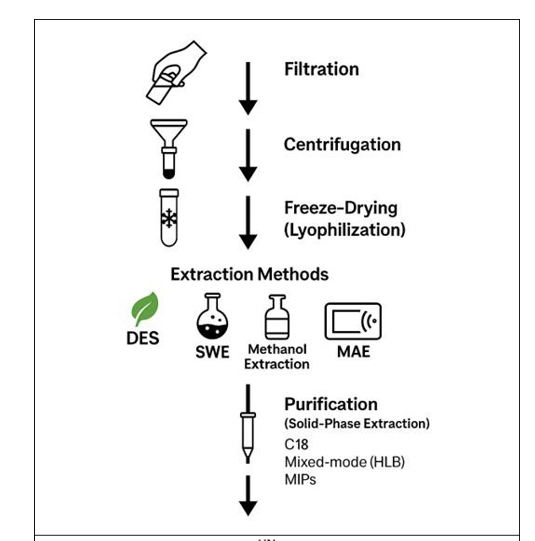
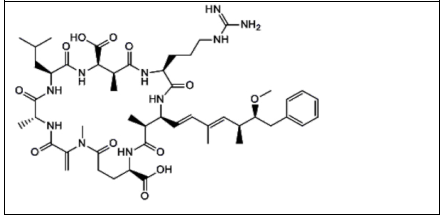
Figure 1: Overview of the Analytical Workflow for Microcystin Extraction and Purification
Preservation of the Adda Moiety During Extraction
The Adda moiety (3-amino-9-methoxy-2,6,8-trimethyl-10- phenyldeca-4,6-dienoic acid) is central to the toxicological potency and biochemical activity of microcystins [14]. Its conjugated diene system and aromatic ring govern both binding affinity to protein phosphatases and the molecule’s hydrophobic profile [15].
The preservation of the Adda moiety is not only vital for ensuring toxicological accuracy but also for maintaining the efficacy of microcystins in biotechnological and pharmacological applications.
Damage to Adda-through oxidation, hydrolysis, or UV-induced isomerization-reduces microcystin activity and can lead to underestimation of toxin levels in bioassays and chemical analyses [16,17]. Specifically, degradation of the Adda side chain dramatically reduces binding affinity to PP1 and PP2A, compromising the accuracy of phosphatase inhibition assays and masking environmental risk.
Figure 2 illustrates the structural importance of Adda and the molecular consequences of its degradation, highlighting how chemical modifications impact toxin bioactivity. Thus, extraction methods should avoid harsh conditions-such as extreme pH, prolonged heating, or UV exposure-that degrade Adda. Solvent selection and storage strategies should be designed to preserve the integrity of the Adda moiety, ensuring both toxicological relevance and analytical accuracy.

Figure 2: Importance of Adda Integrity in Microcystin Extraction and Analysis
Extraction Methods: From Classical Solvents to Green Technologies
The field of microcystin analysis has undergone major advancements over the past two decades, driven by the dual imperatives of analytical precision and environmental sustainability. This section presents a reformulated synthesis of extraction methods for microcystins, structured into four key categories: conventional solvent-based extraction, assisted physical–chemical techniques, emerging green solvents, and comparative performance.
Conventional Solvent-Based Extraction
From 2005 to 2025, numerous studies have focused on extracting and purifying microcystins from bloom material and laboratory cultures. Laboratory-based extraction tends to be more consistent, whereas bloom-derived samples are more complex due to extracellular polymeric substances (EPS) and secondary metabolites [18]. Biomass enrichment methods such as centrifugation followed by GF/C filtration have been shown to improve recovery and purity from bloom samples [19]. A pivotal advancement in 2005 identified acidified methanol (pH ~2) combined with sonication as the most effective method for extracting both hydrophilic and hydrophobic variants without compromising toxin integrity [20]. Methanol, particularly at 75% (v/v), remains the most widely used solvent [21, 22] because of its ability to penetrate cell membranes and solubilize diverse congeners. However, its use presents limitations: long extraction times, co-extraction of pigments and lipids, and reduced effectiveness in field samples [18]. Sequential extraction has been required for complete recovery.
Despite its toxicity and persistence concerns, methanol-based methods (75–100% v/v) still yield 85–95% recovery for MC- LR in controlled conditions, though less so in environmental matrices [21,23,24]. Three primary limitations persist: (1) co-extraction of 30–40% of interfering substances [25].; (2) Poor solvent penetration due to EPS [26].; and (3) Environmental concerns. Figure 3 illustrates the traditional solvent extraction workflow, highlighting key interferences and safety concerns.

Figure 3: Traditional Solvent Extraction Workflow, with Annotations of Interferences and Safety Concerns
Assisted Physical–Chemical Techniques (UAE, MAE, PLE)
To overcome the drawbacks of conventional solvents, assisted extraction methods emerged. Thin-layer chromatography (TLC) was first applied in 2007, followed by the use of UV/ IR spectroscopy and high-performance liquid chromatography (HPLC) for improved separation and identification [27,28].
Freeze-drying followed by methanol extraction enhances recovery over more aggressive techniques like sonication or bead-beating, which can degrade the analyte [29]. Ultrasound- assisted extraction (UAE), using 20 kHz at 50% amplitude, achieves 94% MC-RR recovery in 15 minutes while reducing solvent usage by 60% [30]. However, energy variations affect reproducibility by up to 18% [31].
Microwave-assisted extraction (MAE) reduces processing time by 40–50% but risks degradation above 60°C [32]. While efficient in the lab, MAE’s field application remains limited. Both MAE and boiling water baths also sterilize bloom material, preventing bacterial contamination during purification [33]. Figure 4 compares the performance of UAE and MAE extraction methods under variable operational conditions.

Figure 4: Comparative Performance of UAE and MAE in Extraction Efficiency and Stability under Variable Conditions
Emerging Green Solvent Systems (DES, SWE, MSPE)
A shift toward sustainable extraction technologies has led to the adoption of green solvents. Deep eutectic solvents (DES), such as choline chloride–glycerol (1:2), achieved 88% MC- LR recovery without using organic solvents, though efficiency varies with biomass condition [30,34].
Subcritical water extraction (SWE) eliminates solvent use altogether. Early implementations showed 12% degradation of MC-YR, reduced to <5% via zirconium dioxide catalysis [35]. However, SWE remains costly, approximately three times more expensive than methanol-based methods [36]. Optimization of pH, temperature, and time is essential for reproducibility [37].
Magnetic solid-phase extraction (MSPE) using functionalized nanoparticles like Fe3O4@SiO2@C18 has revolutionized extraction from complex matrices. These allow for faster operation, lower solvent use, and high recovery (up to 95%) [38]. Table 2 compares SPE and MSPE in terms of performance and practical applicability.
Integration with high-resolution platforms like Orbitrap MS has improved sensitivity to sub-ng/L levels and enabled precise detection of low-abundance variants [39]. Coupling with SPE workflows (UHPLC-MS/MS, LC-QToF-HRMS) improved reproducibility and automation [40,41].
Comparative Performance and Field Applicability
The tradeoff between extraction efficiency and overall impact is illustrated in Figure 5. While extraction efficiency is context-dependent-varying with species, colony phase, and matrix composition-field applications typically present greater variability than laboratory conditions. This comparison considers not only the technical performance of each method but also incorporates broader costs, including environmental and health-related impacts, offering a more comprehensive view of each method’s sustainability profile.

Figure 5: Tradeoff between Extraction Efficiency and Impact-Adjusted Cost for DES, SWE, Methanol, and MAE
To better visualize these tradeoffs, Table 1 consolidates core performance indicators-recovery rate, time, solvent profile, degradation risk, and field-readiness-across common extraction techniques. These multidimensional comparisons underscore that no single method is optimal across all conditions. Instead, the choice of method should align with sample characteristics, resource availability, and the intended analytical resolution.
|
Method |
(%)1 |
Time2 |
Solvent |
Risk3 |
Use |
|
MeOH (75%) |
85–95 |
1–2 h |
High |
Low |
Moderate |
|
UAE |
90–94 |
15–30 min |
Reduced |
Moderate |
Low |
|
MAE |
85–90 |
10–15 min |
Reduced |
High (>60°C) |
Low |
|
DES |
80–88 |
1 h |
"Green" |
Low |
Medium |
|
SWE |
75–90 |
30–60 min |
"Green" (water) |
Medium |
Very Low |
Table 1: Comparative Performance of Extraction Techniques for Microcystins
1of Recovery; 2of Extraction; 3of Degradation.
Magnetic solid-phase extraction (MSPE) technologies have undergone significant advancements with the development of functionalized magnetic nanoparticles, which have revolutionized extraction processes. Notably, nanoparticles such as Fe3O4@SiO2@C18as demonstrated in offer excellent performance for selective extraction from complex matrices [39]. These nanoparticles combine the magnetic properties of Fe3O4 with the hydrophobic functionalization of C18, allowing for high selectivity, faster operation, reduced solvent consumption, and efficient magnetic separation. Such features make MSPE particularly well-suited for applications involving environmental waters and biological tissues, which pose challenges due to their complex nature. The transition from traditional solid-phase extraction (SPE) to MSPE is underscored by the improved efficiency, speed, and simplicity of modern extraction methods, as highlighted in the comparison in Table 2.
|
Feature |
SPE |
MSPE |
|
Sorbent |
C18, HLB, MIPs |
Magnetic nanoparticles (e.g., Fe3O4) |
|
Separation mechanism |
Centrifugation, filtration |
Magnetic separation |
|
Selectivity |
Moderate to High |
High (with functionalization) |
|
Recovery |
70–90% (matrix dependent) |
Up to 95% |
|
Cost |
Low to moderate |
Moderate |
|
Use |
Moderate |
High (faster & simpler) |
Table 2: Comparison between SPE and MSPE Techniques
This evolution was not abrupt but rather the result of a series of methodological milestones that progressively shaped the analytical landscape. Key developments along this trajectory include:
Standardization of acidified methanol-sonication protocols for effective MC extraction.
• Application of TLC, UV/IR, and HPLC techniques for microcystin purification and detection.
• Optimization of freeze-drying coupled with 75% methanol extraction to maximize recovery and stability.
• Integration of high-resolution mass spectrometry (e.g., Orbitrap) with refined SPE workflows for greater sensitivity and selectivity.
• Emergence of magnetic SPE (MSPE) using functionalized nanoparticles, offering rapid and selective extraction in complex matrices.
• Transition to fully automated online SPE systems coupled with UHPLC-MS/MS and LC-HRMS, marking a new phase in environmental toxin monitoring.
• Despite these methodological advances, several persistent challenges continue to limit the universal applicability of current extraction and detection techniques:
• Extraction efficiency remains highly con-text-dependent, influenced by factors such as cya-nobacterial species, colony development stage, and matrix complexity.
• Field-based applications often introduce varia-bility not typically encountered under controlled laboratory conditions.
• Economic constraints and lack of equipment standardization hinder equitable access to high-quality, high-throughput analytical tools.
Recent developments have also highlighted the need for extraction protocols that balance analytical performance with operational simplicity, particularly in low-resource or field-based settings. A 2022 study optimized and validated a cost-effective mi-crocystin detection workflow centered on protein phosphatase 1 (PP1) inhibition assays, and in doing so, contributed valuable insights into simplified extraction methods [42]. Among various cell lysis approaches evaluated, thermal treatment at 95 °C for 15 minutes proved to be an effective and reproducible strategy for releasing bioactive microcystins from cyanobacterial biomass. This method eliminates the need forspecialized equipment or organic solvents, offering a practical alternative to more complex techniques such as sonication, bead-beating, or solvent-intensive solid-phase extraction (SPE). Although it may not match the absolute recovery efficiencies of advanced chromatographic methods, this thermally based extraction preserves the biological activity of microcystins-an essential criterion when bioassay-based detection is employed. By prioritizing simplicity, low cost, and functional reliability, this approach broadens the applicability of microcystin monitoring, particularly in regions lacking access to high-end analytical infrastructure, and marks a meaningful shift in the state of the art toward more inclusive and deployable methodologies.
The optimization of extraction methods directly influences subsequent purification and quantification workflows. Advances in green extraction not only enhance sustainability but also reduce matrix complexity, facilitating downstream chromatographic and mass spectrometric analyses essential for multi-congener microcystin monitoring. This cumulative technological evolution from 2005 to 2025-covering mechanical lysis, solvent optimization, MSPE, green extractions, and high- throughput UHPLC-HRMS integration-set the stage for further developments in purification and quantification strategies, discussed in the next section.
Purification and Quantification Strategies
Following extraction, solid phase extraction (SPE) is the most common technique used to purify microcystins from crude extracts and environmental samples. SPE methods typically use C18 reversed-phase cartridges, which selectively retain hydrophobic compounds [38,43]. Sample pre-treatment may involve filtration, centrifugation, and pH adjustment to enhance binding. Elution is achieved with methanol or acetonitrile, often containing formic acid or trifluoroacetic acid to improve desorption. Modified sorbents and mixed-mode cartridges have been developed to improve selectivity and capacity for specific congeners.
Purification from bloom material has been shown to be more variable than from laboratory cultures, largely due to particulate debris and the presence of extracellular polymeric substances (EPS). Natural bloom samples contain complex matrices that can interfere with extraction and purification, leading to inconsistent yields. Filtration prior to SPE has been reported to improve yield consistency, particularly in samples with high turbidity, by removing particulate matter and reducing matrix effects. For instance, a recent study demonstrated that implementing filtration steps before SPE significantly improved recovery rates and reliability of microcystin quantification in complex environmental samples [44].
Early studies also revealed that pre-treatment steps must be carefully optimized to prevent adsorption losses of microcystins onto filter membranes, particularly glass fiber and nylon filters, which can selectively bind hydrophobic congeners. This phenomenon, initially underestimated, has been recognized as a critical factor influencing final toxin recovery, especially when handling bloom material rich in organic debris.
Fluorescence-based Analytical Methods
Fluorescence-based analytical methods play a critical role in verifying the effectiveness of microcystin purification, especially post-SPE [45]. While microcystins are not intrinsically fluorescent, derivatization strategies and enzymatic inhibition assays have enabled their indirect but sensitive quantification. The author used 5-Aminofluorescein (5-AF) and 6-Aminofluorescein (6-AF) as small-molecule fluorescent probes for MC-LR detection. These probes exhibit significant fluorescence enhancement upon binding to MC-LR, allowing for sensitive detection. Other widely adopted approach involves the inhibition of protein phosphatase 1 (PP1), using fluorescent substrates such as 4-methylumbelliferyl phosphate (MUP), to estimate the presence of bioactive microcystins [46]. This technique functions as a functional bioassay that confirms selective retention of biologically active congeners and assesses matrix interference.
Quantifying the total microcystin (MC) content-including both free and bound forms-is essential for accurately assessing toxicity in environmental and biological samples. While Protein Phosphatase Inhibition Assays (PPIAs) are effective in detecting bioactive MCs, they fail to detect inactive or protein-bound forms.
To overcome this limitation, complementary methods such as derivatization with ortho-phthalaldehyde (OPA) or fluorescamine followed by spectrofluorimetric detection have been used. However, direct application of OPA or fluorescamine for total MC quantification is limited because the bound MCs must first be released.
To achieve this, oxidative cleavage methods that generate 2-methyl-3-methoxy-4-phenylbutyric acid (MMPB) are commonly employed. After oxidation, MMPB can be derivatized with fluorescent reagents and detected using liquid chromatography with fluorescence detection, allowing for the quantification of total MCs in water and sediment samples [47]. Additionally, methodological reviews highlight that while the MMPB method is considered the reference approach for total MC analysis, other strategies-such as alkaline hydrolysis, ozonolysis, and laser desorption-have also been explored to release bound MCs [48].
Therefore, although derivatization with OPA or fluorescamine is a key step in fluorescence detection, quantifying total microcystins requires prior liberation of the bound forms, with the MMPB method being one of the most established approaches for this purpose.
This dual approach-functional and total fluorescence-facilitates comparison between different SPE sorbents such as C18, mixed-mode sorbents, or molecularly imprinted polymers (MIPs) [39,49]. High recovery combined with low bioactivity could indicate non-specific retention of interfering compounds, whereas high functional and total fluorescence would signify efficient and selective purification. These fluorescence-based strategies are especially valuable for method development, regulatory monitoring, and inter-laboratory validations, providing rapid, cost-effective, and field-adaptable alternatives when chromatographic or MS-based tools are unavailable. Table 3 summarizes fluorescence-based strategies [50].
|
Method |
Target |
Detection principle |
Sensitivity |
|
PP1 inhibition + MUP |
Bioactivity |
Decreased fluorescence |
High |
|
Fluorescamine/OPA derivatization |
Primary amines |
Increased fluorescence |
Moderate to High |
Table 3: Fluorescence-Based Monitoring Techniques for Microcystin Extraction
Emerging Technologies in Microcystin Quantification
Moreover, electrochemical immunosensors have emerged as powerful alternatives for field-deployable quantification of microcystins. An impedimetric immunosensor developed demonstrated sensitive and selective detection of MC-LR down to 0.1 µg/L, with results delivered in under 30 minutes [51]. Such tools offer robust potential for on-site validation of purification outcomes or as preliminary screening methods when chromatographic infrastructure is limited. Their high selectivity, portability, and operational simplicity make them especially valuable in decentralized or resource-limited monitoring scenarios, complementing both chromatographic and fluorescence-based workflows. While emerging sensor-based methods mark a promising future for field applications, solid- phase extraction (SPE) remains the cornerstone of laboratory- based purification protocols. The purification landscape has evolved through three distinct generations of SPE technologies, with a fourth generation on the horizon.
Generations of SPE Technologies
The purification landscape appears to have progressed through three distinct generations of solid-phase extraction (SPE) technologies [52]. The first generation relied on conventional C18 reversed-phase cartridges. These are cost-effective and efficient for extracting non-polar congeners such as MC-LR, yet they exhibit matrix-dependent recovery. For instance, recovery rates may significantly decrease in the presence of humic substances or suspended particulates unless the pH is optimized to enhance analyte binding. Second-generation materials introduced hydrophilic-lipophilic balanced (HLB) sorbents, such as Oasis HLB. These offer enhanced retention for both polar and non- polar microcystin congeners (e.g., MC-RR, MC-YR), improving extraction efficiency from complex environmental samples like bloom water or plant tissues. The third generation encompasses molecularly imprinted polymers (MIPs), tailored for high selectivity toward specific microcystins such as MC-LR. MIPs show excellent recovery (>90%) and reduced interference from organic debris. However, high production costs and limited commercial availability restrict their widespread use in routine monitoring.
This progressive shift from C18 to HLB to MIPs reflects an ongoing tradeoff between cost, selectivity, and robustness across diverse matrices.
A Fourth Generation: Toward SPE Innovations
Ongoing research hints at the development of a fourth generation of SPE technologies, incorporating novel materials and hybrid platforms:
• Nanomaterials: The integration of nanoparticles and nanomaterials into SPE sorbents could significantly enhance the efficiency and selectivity of microcystin extraction. Materials such as magnetic nanoparticles functionalized for specific binding to microcystins could allow for faster and more efficient extractions, with the added benefit of easy separation using magnetic fields [53].
• Biomaterials: Another promising development could be the use of biomaterials, such as antibodies or aptamers specifically designed to bind microcystins [54,55]. These materials could provide highly specific and efficient extraction, potentially outperforming MIPs in terms of specificity and biocompatibility. Additionally, the use of biomaterials might offer the advantage of reusability, reducing costs in the long term.
• Hybrid SPE-LLE Systems: The combination of SPE with liquid-liquid extraction (LLE) could create a hybrid approach, enhancing the extraction of microcystins from complex matrices [48]. These hybrid systems could leverage the strengths of both techniques, allowing for simultaneous extraction and more efficient separation of microcystins from other compounds in the sample.
• Integrated Extraction and Detection Technologies: Future developments could also include integrating extraction systems with real-time detection technologies, such as sensors or microfluidic devices [56]. This would allow for faster, on-site analysis of microcystins, enabling real-time monitoring and decision-making in environmental or public health contexts.
• Sustainable and Low-Cost Materials: As the demand for more eco-friendly and cost-effective technologies grows, the fourth generation of SPE could also explore the use of sustainable materials, such as biodegradable polymers or natural sorbents [57]. These materials could maintain high selectivity and efficiency while offering a more environmentally friendly and economically accessible alternative to current options.
These developments are summarized visually in Figure 6, which compares the key attributes of the first three generations of SPE and outlines potential features of an emerging fourth generation

Figure 6: Generations of SPE. Progression by Comparing Cost, Selectivity, and Matrix Adaptability of Each Generation
While solid-phase extraction has evolved significantly, its application in biological matrices such as tissues and supplements introduces additional complexities.
Challenges in Biological Matrices and Quantification Methods
Additionally, preliminary applications of SPE purification for microcystins extracted from biological matrices-such as fish tissues, mollusks, and even plant-derived dietary supplements- have revealed further challenges [48]. Biological tissues introduce highly lipophilic interferences, demanding refined clean-up protocols and often necessitating the combination of SPE with gel permeation chromatography (GPC) to achieve acceptable purity levels. Chromatographic detection methods have significantly advanced, with LC-MS/MS now capable of quantifying multiple microcystin (MC) variants simultaneously at concentrations as low as 0.01 μg/L. For instance, a study developed an LC-MS/MS method for the simultaneous identification and quantification of cyanotoxins, including hydrophilic and lipophilic MC variants, demonstrating the capability to detect multiple congeners concurrently [58].
However, this gold standard approach faces several challenges:
(1) Matrix effects: Co-eluting components can cause ion suppression or enhancement, affecting quantification accuracy. Studies have highlighted that matrix effects are a significant obstacle in LC-MS analysis, necessitating effective extraction and clean-up methods to maintain quantification precision [59].
(2) Limited availability of certified reference materials (CRMs): Although over 250 MC variants are known, analytical standards are available for only a small subset of these structural variants [60].; and High equipment costs: LC-MS/MS analysis requires sophisticated and expensive equipment, which can create analytical disparities between well-equipped laboratories and monitoring agencies in developing regions. Furthermore, studies emphasize that complex environmental matrices exacerbate ion suppression and enhancement effects in LC-MS analysis, underscoring the need for effective solid-phase extraction and sample clean-up to maintain quantification accuracy [59].
Magnetic solid-phase extraction (MSPE) techniques have shown promise in isolating microcystins from complex matrices. However, in samples with high organic loads-such as urban runoff or wastewater blooms-challenges arise. Incomplete magnetic separation and co-elution of humic substances can reduce both selectivity and overall recovery, underscoring the need for pre-cleaning or adapted washing steps to maintain high analytical performance. Emerging biosensor technologies offer promising, field- deployable alternatives. Aptamer-based sensors utilizing graphene oxide–gold nanocomposites have demonstrated detection limits as low as 0.05 μg/L within 10 minutes. These sensors leverage the high affinity and specificity of aptamers for microcystins, combined with the unique optical properties of nanomaterials, to achieve rapid and sensitive detection [61].
Additionally, CRISPR-Cas12a-based assays have shown exceptional specificity in preliminary trials. For instance, a study developed a CRISPR-Cas12a-based aptasensor platform for on-site and sensitive detection of microcystin-LR (MC-LR), achieving detection limits of approximately 0.003 μg/L using fluorescence methods and 0.001 μg/L with lateral flow assays. The assay demonstrated excellent selectivity and good recovery rates, indicating its applicability for real water sample analysis [62].
The development of biosensors, particularly those utilizing nanomaterials and electrochemical platforms, shows great promise, offering improved sensitivity, portability, and rapid response. However, challenges such as sensor stability, specificity, and integration with portable devices still need to be addressed [63]. Figure 7 exhibits a comparation between LC- MS/MS and biosensors in terms of speed, cost, and portability.

Figure 7: Detection Technologies: LC-MS/MS vs. Biosensors – Comparative Speed, Cost, and Portability
Storage Stability and Quality Control
Ensuring the chemical integrity and bioactivity of microcystins post-extraction is critical for accurate quantification, method validation, and reliable risk assessment. Although significant progress has been made in developing optimized extraction protocols, the stability of microcystins during storage remains a key challenge-particularly in multi-laboratory studies and long- term monitoring programs.
Solvent Composition and Storage Conditions
Microcystins are most commonly stored in methanol-water mixtures (typically 50–80% v/v methanol). Studies have shown that storing microcystins at low temperatures (−20°C or lower) significantly reduces degradation rates [64]. However, methanol-based storage systems are not without challenges: prolonged exposure to pure methanol can promote slow oxidative degradation, especially in congeners with unsaturated side chains such as Adda.
In addition, light sensitivity is a critical factor affecting stability. Microcystin variants with the Adda moiety are especially susceptible to photodegradation [65], even when stored at low temperatures. Therefore, the use of amber vials or opaque containers is mandatory to prevent the loss of analyte integrity. For instance, a 2021 review critically examined the photodegradation of MC-LR in aquatic environments, highlighting the significant role of light in breaking down these toxins. The study emphasized that both natural sunlight and artificial UV irradiation can lead to substantial degradation of MC-LR, especially in the presence of photosensitizers and under certain environmental conditions [66].
Emerging Technologies for Microcystin Stabilization and Traceability
As the challenges related to the stability of microcystins during storage and analysis persist, researchers are increasingly turning to novel technologies to enhance stability and ensure the reliability of analytical results. In addition to the commonly used solvents and low-temperature storage discussed in 5.1, cyclodextrin-based complexes have emerged as promising strategies for stabilizing microcystins, improving their resistance to degradation processes such as photodegradation and oxidation. Cyclodextrins, particularly γ-CD, have been shown to form stable inclusion complexes with microcystins, effectively shielding reactive moieties like the Adda side chain, thus reducing degradation and improving long-term stability [67].
Moreover, digital solutions for traceability are gaining attention. The integration of Laboratory Information Management Systems (LIMS) with blockchain-based audit trails has been proposed to ensure secure and transparent documentation of sample handling, storage conditions, and quality control measures throughout the analytical process. Such systems are particularly valuable in regulatory contexts, where the integrity of cyanotoxin monitoring data is critical for public health decisions. These innovations reflect a growing recognition that ensuring microcystin data quality is not only a matter of chemical stability but also of systems integration and traceability infrastructure.
Quality Control and Reference Standards in Microcystin Analysis
Maintaining analytical reliability in the extraction and quantification of microcystins is essential for reproducibility and interlaboratory comparison, especially in environmental and toxicological studies. Over the past two decades (2005– 2025), several critical practices and observations have emerged to support quality control (QC), particularly in the context of extraction efficiency, method validation, and standardization.
Analytical Controls in Extraction and Quantification
Validation of extraction efficiency remains a key step, particularly due to the complex and variable nature of environmental matrices. Recovery rates can be highly matrix-dependent, and multiple studies have emphasized the importance of sample pre- treatment steps, such as filtration and centrifugation, to improve consistency [19,20]. The presence of extracellular polymeric substances (EPS), pigments, and organic debris can interfere with both extraction and quantification [25].
Standard procedures using 75% acidified methanol with sonication, as described in continue to be widely used, especially in the extraction of MC-LR and MC-RR [20]. Nevertheless, interferences such as pigment co-extraction or partial adsorption of microcystins onto filter membranes necessitate stringent QA practices [22].
Reference Standards and Stability
Commercially available standards for MC-LR, MC-RR, and MC-YR are used in most laboratories for calibration and quantification. However, the limited availability of certified standards for the broad diversity of known congeners (>250) remains a persistent challenge [23]. In the absence of reference materials for less common variants, many laboratories rely on in-house standards or analogues characterized using UV-Vis and LC-MS/MS.
Storage stability also influences analytical accuracy. Studies demonstrated that methanol-water mixtures stored at −20°C or below in amber vials significantly reduce degradation [20,21]. The Adda moiety, essential for toxicity and detection, is particularly susceptible to oxidation and photolysis, requiring strict light and temperature control [16].
Interlaboratory Comparison and Method Harmonization
Interlaboratory comparisons remain a cornerstone for validating extraction and quantification methods. A past study showed significant variability in microcystin recovery across labs when different solvents and disruption techniques were applied [18]. This has led to efforts toward protocol standardization, particularly in studies using solid-phase extraction (SPE) followed by HPLC or LC-MS/MS detection [38,39].
Advances such as magnetic solid-phase extraction (MSPE) have offered more reproducible and rapid workflows, although their performance can still vary depending on the matrix and magnetic nanoparticle surface chemistry [39]. These advances call for method validation not only through internal replicates but also via external benchmarks.
Key Recommendations for QA/QC
• Always include procedural blanks and matrix spikes for recovery assessment [29].
• Use of isotopically labeled analogues where possible for internal calibration.
• Filtered samples should be assessed for adsorption loss by testing different membrane materials [22].
• Avoid repeated freeze-thaw cycles and store extracts in the dark at sub-zero temperatures.
• Participate in interlaboratory comparison exercises when available to benchmark protocol performance.
As analytical techniques advance and novel congeners are discovered, there is a continued need for updated certified reference materials and harmonized protocols that account for both extraction and detection variability. Incorporating these QA/QC principles is fundamental to improving the robustness of microcystin analysis.
Conclusion
Microcystins, as secondary metabolites of Microcystis aeruginosa, continue to pose significant ecological, toxicological, and analytical challenges. This review has highlighted the complexity of their biosynthesis, the diversity of their congeners, and the interplay between environmental conditions and toxin production. As cyanobacterial blooms become increasingly prevalent due to anthropogenic eutrophication and climate change, microcystins are of growing concern to public health, freshwater ecosystems, and regulatory authorities.
Significant progress has been made in extraction, purification, and detection, shifting from conventional solvent-based techniques to more environmentally sustainable approaches, including microwave-assisted, ultrasound-assisted, and pressurized extractions. Likewise, analytical techniques have advanced, especially with the incorporation of LC-MS/MS and biosensor technologies, enabling high-sensitivity detection of microcystin variants across diverse matrices.
Over the past 20 years, despite notable technological and methodological progress, several critical research gaps have persisted and continue to hinder comprehensive risk assessment, monitoring, and application:
• Lack of standardized methodologies across laboratories limits the comparability of results and hinders global surveillance efforts.
• Incomplete understanding of environmental degradation pathways for various microcystin congeners under dynamic physicochemical and biological conditions.
• Limited mechanistic studies on chronic and sub-lethal effects in aquatic and terrestrial organisms, impeding integration into ecological risk models.
• The biotechnological application of microcystins remains constrained by microcystin toxicity; innovations in delivery, molecular engineering, and biosafety are urgently required.
• Systems biology approaches (genomics, transcriptomics, metabolomics) remain underutilized for elucidating biosynthetic regulation and ecological roles.
Addressing these gaps requires a multidisciplinary approach, involving environmental sciences, toxicology, analytical chemistry, molecular biology, and engineering. Priorities include long-term ecological studies, certified reference materials, and harmonization of detection protocols. Furthermore, the integration of remote sensing, climate modeling, and predictive tools will be key for anticipating and mitigating bloom-related risks.
Ultimately, managing microcystins demands not only scientific innovation but also policy frameworks and international cooperation. Coordinated efforts will be essential to harness their biotechnological potential while safeguarding ecosystems and public health.
Funding
This work is supported by the Research project funded by the Fundo Regional da Ciência e Tecnologia (FRCT), Government of the Azores (Portugal), PhD Scholarship, M3.1.b contexto emp/F/014/2024 (PRO-SCIENTIA Programme).
References
- Vasconcelos,V.,Leão,P.,&Campos,A.(2015).Cyanobacterial toxins. https://doi.org/10.1002/9781118500354.ch10
- Moreira, C., Vasconcelos, V., & Antunes, A. (2013). Phylogeny and biogeography of cyanobacteria and their produced toxins. Marine Drugs, 11(11), 4350–4369.
- Bouaïcha, N., Miles, C. O., Beach, D. G., Labidi, Z., Djabri, A., Benayache, N. Y., & Nguyen-Quang, T. (2019). Structural diversity, characterization, and toxicology of microcystins. Toxins, 11(12), 714. https://doi.org/10.3390/ toxins11120714
- Ramos, V., Reis, M., Ferreira, L., Silva, A. M., Ferraz, R., Vieira, M., Vasconcelos, V., & Martins, R. (2023). Stalling the course of neurodegenerative diseases: Could cyanobacteria constitute a new approach toward therapy? Biomolecules. https://doi.org/10.3390/biom13101444
- El-Shehawy, R., Gorokhova, E., Fernández-Piñas, F., & del Campo, F. F. (2012). Global warming and hepatotoxin production by cyanobacteria: What can we learn from experiments? Water Research, 46(5), 1420–1429. https:// doi.org/10.1016/j.watres.2011.11.021
- Ramos, V., Morais, J., & Castelo-Branco, R. (2018). Cyanobacterial diversity held in microbial biological resource centers as a biotechnological asset: The case study of the newly established LEGE culture collection. Journal of Applied Phycology, 30, 1437–1451. https://doi.org/10.1007/ s10811-017-1369-y
- Luz, R., Cordeiro, R., Kaštovský, J., Johansen, J. R., Dias, E., Fonseca, A., Urbatzka, R., Vasconcelos, V., & Gonçalves,V. (2022). Taxonomic assessment of the cyanobacteria from the BACA culture collection: Contribution to the knowledge of their diversity and monitoring in the Azores. Biology and Life Sciences Forum, 14(1), 4. https://doi.org/10.3390/blsf2022014004
- Rohrlack, T., & Hyenstrand, P. (2007). Fate of intracellular microcystins in the cyanobacterium Microcystis aeruginosa (Chroococcales, Cyanophyceae). Phycologia, 46, 277–283. https://doi.org/10.2216/06-14.1
- Stoyneva-Gärtner, M., Stefanova, K., Descy, J.-P., Uzunov, B., Radkova, M., Pavlova, V., Mitreva, M., & Gärtner, G. (2021). Microcystis aeruginosa and M. wesenbergii were the primary planktonic microcystin producers in several Bulgarian waterbodies (August 2019). Applied Sciences, 11(1), 357. https://doi.org/10.3390/app11010357
- American Chemical Society. (n.d.). Adda: Molecule of the Week. https://www.acs.org/molecule-of-the-week/ archive/a/adda.html
- Kulabhushan, P. K., & Campbell, K. (2024). Physico- chemical treatments for the removal of cyanotoxins from drinking water: Current challenges and future trends. Science of The Total Environment, 917, 170078. https://doi. org/10.1016/j.scitotenv.2024.170078
- He, Q., Wang, W., Xu, Q., Liu, Z., Teng, J., Yan, H., & Liu,X. (2022). Microcystins in water: Detection, microbial degradation strategies, and mechanisms. International Journal of Environmental Research and Public Health, 19(20), 13175. https://doi.org/10.3390/ijerph192013175
- Bubik, A., Frangek, M. C., Gutiérrez-Aguirre, I., Lah, T. T., & Sedmak, B. (2024). Cyanobacterial cyclic peptides can disrupt cytoskeleton organization in human astrocytes—A contribution to the understanding of the systemic toxicity of cyanotoxins. Toxins, 16(9), 374. https:// doi.org/10.3390/toxins16090374
- Wei, J., Zhang, P., Zhang, J., Peng, T., Luo, J., & Yang, F. (2023). Biodegradation of MC-LR and its key bioactive moiety Adda by Sphingopyxis sp. YF1: Comprehensive elucidation of the mechanisms and pathways. Water Research, 229, 119397. https://doi.org/10.1016/j. watres.2022.119397
- Campos, A., & Vasconcelos, V. (2010). Molecular mechanisms of microcystin toxicity in animal cells. International Journal of Molecular Sciences, 11(1), 268–287. https://doi.org/10.3390/ijms11010268
- Song, W., de la Cruz, A. A., Rein, K., & O'Shea, K. E. (2006). Ultrasonically induced degradation of microcystin-LR and-RR: Identification of products, effect of pH, formation and destruction of peroxides. Environmental Science & Technology, 40(12), 3941–3946. https://doi.org/10.1021/ es0521730
- Tappan, E., & Chamberlin, A. R. (2008). Activation of protein phosphatase 1 by a small molecule designed to bind to the enzyme's regulatory site. Chemistry & Biology, 15(2), 167–174. https://doi.org/10.1016/j.chembiol.2008.01.005
- Fastner, J., Flieger, I., & Neumann, U. (1998). Optimised extraction of microcystins from field samples—A comparison of different solvents and procedures. Water Research, 32(10), 3177–3181. https://doi.org/10.1016/ S0043-1354(98)00073-6
- Rogers, S., Puddick, J., Wood, S. A., Dietrich, D. R., Hamilton, D. P., & Prinsep, M. R. (2015). The effect of cyanobacterial biomass enrichment by centrifugation and GF/C filtration on subsequent microcystin measurement. Toxins, 7(3), 821–834. https://doi.org/10.3390/ toxins7030821
- Barco, M., Lawton, L., Rivera, J., & Caixach, J. (2005). Optimization of intracellular microcystin extraction for their subsequent analysis by high-performance liquid chromatography. Journal of Chromatography A, 1074(1–2), 23–30. https://doi.org/10.1016/j.chroma.2005.03.087
- Lawton, L. A., & Edwards, C. (2001). Purification of microcystins. Journal of Chromatography A, 912(2), 191– 209. https://doi.org/10.1016/S0021-9673(01)00592-1
- Altaner, S., Puddick, J., Wood, S. A., & Dietrich, D. R. (2017). Adsorption of ten microcystin congeners to common laboratory-ware is solvent and surface dependent. Toxins, 9(4), 129. https://doi.org/10.3390/toxins9040129
- Spoof, L., & Catherine, A. (2017). Appendix 3: Tables of microcystins and nodularins. In J. Meriluoto, L. Spoof, &G. Codd (Eds.), Handbook of Cyanobacterial Monitoringand Cyanotoxin Analysis (pp. 526–537). Wiley.
- Herrera, N., Florez, M. T., & Echeverri, F. (2023). Reduction of the toxin microcystin-LR with different types of sediments. Sustainable Environment Research, 33, 44. https://doi.org/10.1186/s42834-023-00202-w
- Zhou, Y., Gao, G., Liang, H., & Ma, J. (2019). Influence of interfering pigments on microcystin detection and LC-MS/ MS quantification. Environmental Pollution, 252, 786–784. https://doi.org/10.1016/j.envpol.2019.05.097
- Liu, L., Qin, B., Zhang, Y., Zhu, G., Gao, G., Huang, Q., & Yao, X. (2014). Extraction and characterization of bound extracellular polymeric substances from cultured pure cyanobacterium (Microcystis wesenbergii). Journal of Environmental Sciences, 26(8), 1725–1732. https://doi. org/10.1016/j.jes.2014.06.013
- Akin-Oriola, G. A., & Lawton, L. (2007). Visual detection of cyanobacterial toxins by thin layer chromatography. Global Journal of Pure and Applied Sciences, 13. https:// doi.org/10.4314/gjpas.v13i3.16714
- Thuret-Benoist, H., Pallier, V., & Feuillade-Cathalifaud, G. (2019). Quantification of microcystins in natural waters by HPLC-UV after a pre-concentration step: Validation of the analytical performances and study of the interferences. Environmental Toxicology and Pharmacology, 72, 103223. https://doi.org/10.1016/j.etap.2019.103223
- Kim, I. S., Nguyen, G.-H., Kim, S.-Y., Lee, J.-W., & Yu,H.-W. (2009). Evaluation of methods for cyanobacterial cell lysis and toxin (microcystin-LR) extraction using chromatographic and mass spectrometric analyses. Environmental Engineering Research, 14(4), 250–254. https://doi.org/10.4491/eer.2009.14.4.250
- Wang, Y., Zhao, Y., Liu, Q., & Zhang, Y. (2023). Ultrasound- assisted and green solvent extraction of microcystins: Advances and limitations. Journal of Hazardous Materials, 450, 131148. https://doi.org/10.1016/j.jhazmat.2023.131148
- Zhang, H., Liu, J., & Li, X. (2020). Energy sensitivity of ultrasound-assisted extraction for microcystins in environmental matrices. Ultrasonics Sonochemistry, 67, 105162. https://doi.org/10.1016/j.ultsonch.2020.105162
- Al-Sammak, M. A., Hoagland, K. D., & Snow, D. D. (2014).Investigating the extraction efficiency of microcystins from algae and water samples using microwave-assisted methods. Environmental Science and Pollution Research, 21(6), 4174–4181. https://doi.org/10.1007/s11356-013-2282-9
- Metcalf, J. S., & Codd, G. A. (2000). Microwave oven and boiling waterbath extraction of hepatotoxins from cyanobacterial cells. FEMS Microbiology Letters, 184(2), 241–246.https://doi.org/10.1111/j.1574-6968.2000. tb09021.x
- Chen, L., Zhang, J., Yang, F., & Wang, X. (2022). Application of deep eutectic solvents for green extraction of microcystins: Efficiency and environmental benefits. Green Chemistry, 24(10), 3992–4003. https://doi.org/10.1039/ D2GC00988J
- Poliakoff, M., Licence, P., & George, M. W. (2019). Sustainable chemical processing using subcritical water extraction: Catalysis and degradation control. Chemical Society Reviews, 48(1), 1–10. https://doi.org/10.1039/ C8CS00580E
- Roy-Lachapelle, A., Solliec, M., Bouchard, M. F., & Sauvé,S. (2017). Detection of cyanotoxins in water: A critical review of current methods. Analytica Chimica Acta, 988, 1–16. https://doi.org/10.1016/j.aca.2017.06.004
- Vergel-Suarez, A. H., García-Martínez, J. B., López- Barrera, G. L., Urbina-Suarez, N. A., & Barajas-Solano,A. F. (2024). Influence of critical parameters on the extraction of concentrated C-PE from thermotolerant cyanobacteria. BioTech, 13(3), 21. https://doi.org/10.3390/ biotech13030021
- Ma, J., Yan, F., Chen, F., Jiang, L., Li, J., & Chen, L. (2014).C18-functionalized magnetic silica nanoparticles for solid phase extraction of microcystin-LR in reservoir water samples followed by HPLC-DAD determination. Journal of Liquid Chromatography & Related Technologies, 37(7), 960–973. https://doi.org/10.1080/10826076.2014.936611
- Palagama, D. S. W., West III, R. E., & Isailovic, D. (2017). Improved solid-phase extraction protocol and sensitive quantification of six microcystins in water using an HPLC- Orbitrap mass spectrometry system. Analytical Methods, 9(13), 2021–2030. https://doi.org/10.1039/C6AY03459D
- Turner, A. D., Waack, J., Lewis, A., Edwards, C., & Lawton, L. (2018). Development and single-laboratory validation of a UHPLC-MS/MS method for quantitation of microcystins and nodularin in natural water, cyanobacteria, shellfish and algal supplement tablet powders. Journal of Chromatography B, 1074, 111–123. https://doi. org/10.1016/j.jchromb.2018.01.013
- Ortiz, X., Korenkova, E., Jobst, K. J., MacPherson, K. A., & Reiner, E. J. (2017). A high throughput targeted and non-targeted method for the analysis of microcystins and anatoxin-A using on-line solid phase extraction coupled to liquid chromatography-quadrupole time-of-flight high resolution mass spectrometry. Analytical and Bioanalytical Chemistry, 409(20), 4959–4969. https://doi.org/10.1007/ s00216-017-0412-z
- Posse, E. J. A., González, C., Carriquiriborde, P., Nadra, A., & Gasulla, J. (2023). Optimization and validation of a protein phosphatase inhibition assay for accessible microcystin detection. Talanta, 255, 124174. https://doi. org/10.1016/j.talanta.2022.124174
- Roy-Lachapelle, A., Solliec, M., Bouchard, M. F., & Sauvé, S. (2017). Detection of cyanotoxins in algae dietary supplements. Toxins, 9(3), 76. https://doi.org/10.3390/ toxins9030076
- Zhang, S., Chen, Y., Zang, X., & Zhang, X. (2020). Harvesting of Microcystis aeruginosa using membrane filtration: Influence of pore structure on fouling kinetics, algogenic organic matter retention and cake formation. Algal Research, 52, 102112. https://doi.org/10.1016/j. algal.2020.102112
- Liu, Y., Li, B., Zhang, H., et al. (2022). Detection of microcystin-LR in the cells and natural lake water samples by a unique fluorescence-based method. Journal of Fluorescence, 32, 505–519. https://doi.org/10.1007/ s10895-021-02882-2
- Oh, K. H., Beak, K. M., Shin, Y., et al. (2022). Assessing the microcystins concentration through optimized protein phosphatase inhibition assay in environmental samples. Journal of Microbiology, 60, 602–609. https://doi. org/10.1007/s12275-022-2020-4
- Wang, C., Tian, C., Tian, Y., Feng, B., We, S., Li, Y., ... &Xiao, B. (2015). A sensitive method for the determination of total microcystins in water and sediment samples by liquid chromatography with fluorescence detection. Analytical Methods, 7(2), 759–765. https://doi.org/10.1039/ c4ay02457e
- Bouteiller, P., Lance, E., Guérin, T., & Biré, R. (2022). Analysis of total-forms of cyanotoxins microcystins in biological matrices: A methodological review. Toxins, 14(8), 550. https://doi.org/10.3390/toxins14080550
- Fernando, P. U. A. I., Glasscott, M. W., Pokrzywinski, K., Fernando, B. M., Kosgei, G. K., & Moores, L. C. (2021). Analytical methods incorporating molecularly imprinted polymers (MIPs) for the quantification of microcystins: A mini-review. Critical Reviews in Analytical Chemistry, 52(6), 1244–1258. https://doi.org/10.1080/10408347.2020.1868284
- Kim, I. S., Nguyen, G. H., Kim, S., Lee, J., & Yu, H.-W. (2009). Evaluation of methods for cyanobacterial cell lysis and toxin (microcystin-LR) extraction using chromatographic and mass spectrometric analyses. Environmental Engineering Research, 14(4), 250–254. https://doi.org/10.4491/eer.2009.14.4.250
- Ogungbile, A. O., Ashur, I., Icin, I., Shapiro, O. H., & Vernick, S. (2021). Rapid detection and quantification of microcystins in surface water by an impedimetric immunosensor. Sensors and Actuators B: Chemical, 348, 130687. https://doi.org/10.1016/j.snb.2021.130687
- Massey, I. Y., Wu, P., Wei, J., Luo, J., Ding, P., Wei, H., & Yang, F. (2020). A mini-review on detection methods of microcystins. Toxins, 12(10), 641. https://doi.org/10.3390/ toxins12100641
- Tian, X., She, C., Qi, Z., & Xu, X. (2019). Magnetic- graphene oxide based molecularly imprinted polymers for selective extraction of microcystin-LR prior to the determination by HPLC. Microchemical Journal. https://doi.org/10.1016/j.microc.2019.02.033
- Nakamura, C., Kobayashi, T., Miyake, M., Shirai, M., & Miyake, J. (2001). Usage of a DNA aptamer as a ligand targeting microcystin. Molecular Crystals and Liquid Crystals, 371(1), 369–374. https://doi. org/10.1080/10587250108024762
- Zhang, G., Li, C., Wu, S., & Zhang, Q. (2018). Label- free aptamer-based detection of microcystin-LR using a microcantilever array biosensor. Sensors and Actuators B: Chemical, 260, 42–47. https://doi.org/10.1016/j. snb.2017.12.112
- Lee, J., Oh, B., Park, J., Kim, J. Y., Son, J., Kim, H. S., &Choi, Y.-E. (2025). On-site microfluidic aptasensor for rapid and highly selective detection of microcystin-LR. Talanta, 293, 128147. https://doi.org/10.1016/j.talanta.2025.128147
- Liu, Y.-L., Walker, H. W., & Lenhart, J. J. (2019). The effect of natural organic matter on the adsorption of microcystin-LR onto clay minerals. Colloids and Surfaces A: Physicochemical and Engineering Aspects, 583, 123964. https://doi.org/10.1016/j.colsurfa.2019.123964
- España Amórtegui, J. C., Pekar, H., Retrato, M. D. C., Persson, M., Karlson, B., Bergquist, J., & Zuberovic- Muratovic, A. (2023). LC-MS/MS analysis of cyanotoxins in bivalve mollusks—Method development, validation and first evidence of occurrence of nodularin in mussels (Mytilus edulis) and oysters (Magallana gigas) from the West Coast of Sweden. Toxins, 15(5), 329. https://doi.org/10.3390/ toxins15050329
- Nasiri, A., Jahani, R., Mokhtari, S., Yazdanpanah, H., Daraei, B., Faizi, M., & Kobarfard, F. (2021). Overview, consequences, and strategies for overcoming matrix effects in LC-MS analysis: A critical review. Analyst, 146(20), 6049–6063. https://doi.org/10.1039/d1an01047f
- Interstate Technology & Regulatory Council (ITRC). (n.d.). Cyanotoxins. https://hcb-2.itrcweb.org/cyanotoxins/?utm_ source=chatgpt.com
- Park, H., Kim, G., Seo, Y., Yoon, Y., Min, J., Park, C., & Lee, T. (2021). Improving biosensors by the use of different nanomaterials: Case study with microcystins as target analytes. Biosensors, 11(12), 525. https://doi.org/10.3390/ bios11120525
- Kang, Y., Su, G., Yu, Y., Cao, J., Wang, J., & Yan, B.(2022). CRISPR-Cas12a-based aptasensor for on-site and highly sensitive detection of microcystin-LR in freshwater. Environmental Science & Technology, 56(7), 4101–4110. https://doi.org/10.1021/acs.est.1c06733
- Singh, S., Srivastava, A., Oh, H.-M., Ahn, C.-Y., Choi, G.- G., & Asthana, R. K. (2012). Recent trends in development of biosensors for detection of microcystin. Toxicon, 60(5), 878–894. https://doi.org/10.1016/j.toxicon.2012.06.005
- Dexter, J., Klimczak, B., , A., Fu, P., & Dziga, D. (2024). New tools for effective production and long-term stabilization of microcystinase (MlrA) – A biotechnological perspective towards hepatotoxic microcystins remediation. Biocatalysis and Agricultural Biotechnology, 61, 103347. https://doi.org/10.1016/j. bcab.2024.103347
- Kurtz, T., Zeng, T., & Rosario-Ortiz, F. L. (2021). Photodegradation of cyanotoxins in surface waters. Water Research, 192, 116804. https://doi.org/10.1016/j. watres.2021.116804
- Xie, G., Hu, X., Du, Y., Jin, Q., Liu, Y., Tang, C., Hu, X.,Li, G., Chen, Z., Zhou, D., & Wang, H. (2021). Light-driven breakdown of microcystin-LR in water: A critical review. Chemical Engineering Journal, 417, 129244. https://doi. org/10.1016/j.cej.2021.129244
- Chen, L., Dionysiou, D. D., & O’Shea, K. (2011). Complexation of Microcystins and Nodularin by Cyclodextrins in Aqueous Solution, a Potential Removal Strategy. Environmental Science & Technology, 45(6), 2293–2300. doi:10.1021/es102865b.